
Blog
What Are the Most Comfortable Shoes for Standing All Day

Standing causes physical stress on the human body
Standing for long periods puts pressure on your feet. Gravity forces blood to pool in the lower legs. Muscles in the calves work hard to maintain balance. The plantar fascia stretches under the weight of the torso. This connective tissue supports the arch of the foot. Excessive standing can cause this tissue to inflame. Doctors call this condition plantar fasciitis.
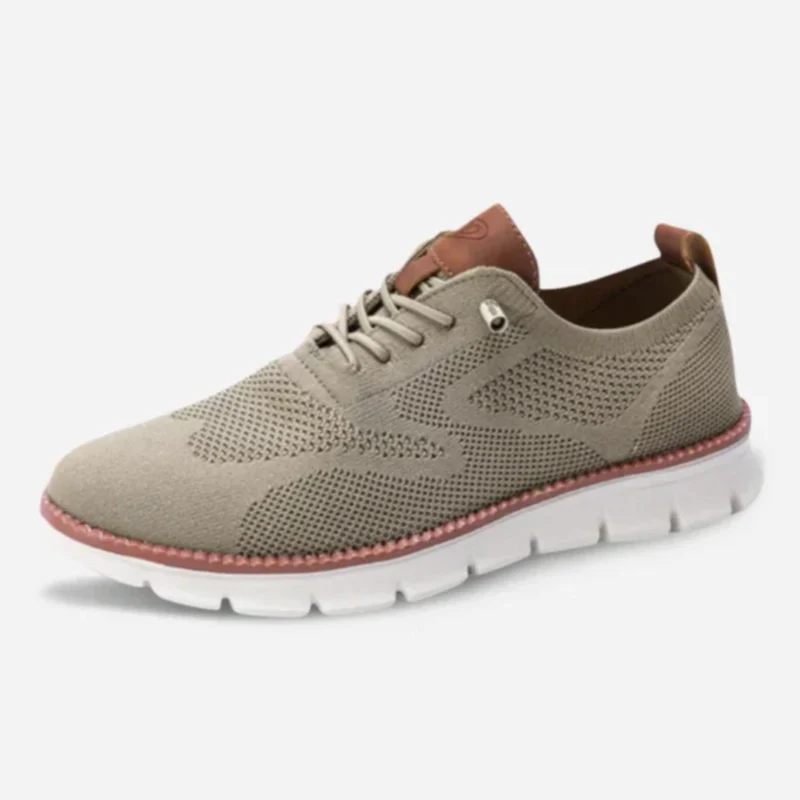
Every step you take matters—whether you’re exploring city streets, powering through your daily routine, or simply refusing to let foot discomfort slow you down. The CloudWalk – Ultra Comfortable Walking Shoes wraps your feet in therapeutic cushioning that turns pavement into clouds, so you can go farther, stay longer, and feel better doing it.
Bones in the feet also feel the impact. The calcaneus or heel bone bears the initial weight. The metatarsals carry weight at the front of the foot. Hard floors offer no shock absorption. Concrete and tile push back against the foot. This pressure travels up the legs. It affects the knees, hips, and lower back. Proper shoes act as a barrier. They absorb energy from the floor. Good footwear redistributes weight across the entire foot. This reduces pain and fatigue.
A brief history of comfortable footwear development
Footwear history began with protection from the ground. Ancient humans used animal hides to wrap their feet. These wraps provided warmth. They did not provide support. Medieval workers wore wooden shoes called sabots. These shoes protected feet from heavy tools. They were hard and uncomfortable.
The industrial revolution changed shoe production. Factories made shoes in standard sizes. Workers moved from farms to hard factory floors. The need for cushion grew. Rubber became a common material in the late 1800s. The invention of vulcanization made rubber durable.
In the 1960s, doctors began to study foot mechanics. They looked at how shoes affect gait. Athletic brands began to use polyurethane and EVA foam. These materials offered a soft landing. Medical professionals started wearing clogs. These shoes had thick soles and wide toe boxes. Today, comfort shoes use science to protect the wearer. Modern materials react to heat and pressure. They provide custom-like support for every user.
Technical specifications of comfortable shoes
The importance of the midsole material
The midsole is the most important part of a comfort shoe. It sits between the upper and the outsole. Most comfort shoes use EVA (Ethylene Vinyl Acetate). This material is lightweight. It contains tiny bubbles of air. These bubbles compress when you step. They expand when you lift your foot. This process absorbs shock.
Some shoes use Polyurethane (PU). PU is heavier than EVA. It lasts longer. It does not compress permanently as fast as EVA. High-end comfort shoes often combine both materials. This creates a balance of softness and durability.
Arch support and foot alignment
Arch support prevents the foot from flattening. People have different arch heights. Some have high arches. Others have flat feet. Most people fall in the middle. Medial arch support keeps the foot in a neutral position. It prevents overpronation. Overpronation occurs when the foot rolls inward too much. This rolling stresses the ankle and knee.
A firm shank often sits inside the sole. The shank is a stiff piece of plastic or metal. It provides structure to the middle of the shoe. It prevents the shoe from bending at the arch. Shoes should only bend at the toes. A stiff arch support reduces muscle strain in the foot.
The outsole and slip resistance
The outsole touches the ground. It provides traction. Standing on smooth floors requires grip. Slip-resistant outsoles use special rubber compounds. These compounds stay soft on cold floors. They create friction on wet or oily surfaces.
The pattern of the outsole also matters. Large grooves help move liquid away from the center. This prevents hydroplaning inside the building. A wide outsole provides a stable base. A stable base prevents the ankle from rolling.
Materials used in comfort footwear construction
Breathable upper materials
The upper holds the foot in place. Professional environments often require leather. Leather is durable. It stretches to fit the foot shape over time. Synthetic materials like mesh offer better breathability. Mesh allows air to flow. It keeps the foot cool. Hot feet swell more than cool feet. Swelling increases pressure and pain.
Some shoes use knit fabrics. These fabrics feel like socks. they provide a snug fit without pressure points. Microfiber is another common choice. It resists stains and water. It is lighter than natural leather.
Insole technology and memory foam
The insole is the removable pad inside the shoe. Many people replace stock insoles with orthotics. Orthotics provide specific support for medical needs. Modern insoles use memory foam. Memory foam molds to the shape of the foot. It provides immediate comfort.
Open-cell foam is a better choice for standing all day. It allows air to circulate. It does not trap heat as much as closed-cell memory foam. Some insoles include gel inserts. Gel absorbs high-impact energy at the heel.
Comparison of common sole materials
| Material | Weight | Durability | Shock Absorption |
| EVA Foam | Very Light | Moderate | High |
| Polyurethane | Moderate | High | Moderate |
| Rubber | Heavy | Very High | Low |
| Memory Foam | Light | Low | High |
| Gel | Moderate | Moderate | Very High |
User benefits of wearing the right shoes
Reduction in daily foot pain
Wearing correct shoes reduces pain immediately. Cushioning lowers the force on the heel. Proper support stops the arch from aching. Workers finish their shifts with more energy. They do not need to soak their feet after work.
Improved posture and spinal health
Foot position affects the whole body. Proper shoes keep the ankles straight. This aligns the knees and hips. It keeps the pelvis neutral. A neutral pelvis reduces strain on the lumbar spine. Good shoes help you stand up straight. Slouching often starts with tired feet.
Long-term health advantages
Good shoes prevent chronic injuries. They lower the risk of developing bunions. Bunions are painful bumps at the base of the big toe. They often come from tight shoes. Comfort shoes have a wide toe box. This allows toes to spread naturally. This spreading improves balance. It also prevents hammertoes.
Every step you take matters—whether you’re exploring city streets, powering through your daily routine, or simply refusing to let foot discomfort slow you down. The CloudWalk – Ultra Comfortable Walking Shoes wraps your feet in therapeutic cushioning that turns pavement into clouds, so you can go farther, stay longer, and feel better doing it.
Maintenance for comfort shoes
Cleaning different materials
Keep your shoes clean to make them last. Wipe leather shoes with a damp cloth. Use a leather conditioner to keep the material soft. Dry leather can crack. Wash mesh shoes by hand with mild soap. Do not put comfort shoes in a dryer. High heat damages the glue. It also makes the foam soles brittle.
When to replace standing shoes
Foam loses its bounce over time. The bubbles in EVA foam eventually collapse. The shoe will look good but feel hard. Most comfort shoes last between six and twelve months. Heavy users should replace shoes sooner. Look for wear on the outsole. If the tread is flat, replace the shoe. If the midsole shows deep wrinkles, the cushion is gone.
Summary of selection steps for the best shoes
- Measure your feet in the afternoon. Feet swell during the day.
- Check the toe box. You should be able to wiggle your toes easily.
- Test the arch. The shoe should touch your entire arch.
- Try the bend test. The shoe should only bend at the ball of the foot.
- Check the heel. Your heel should not slip when you walk.
- Verify slip resistance. Ensure the outsole has a high friction rating.
- Choose the right material. Pick leather for durability or mesh for airflow.
Why KEEPS Footwear focuses on comfort
KEEPS Footwear creates shoes for people who work hard. These shoes prioritize the needs of professionals. They use high-quality materials to support the feet. The designs focus on stability and ease of care. Keeping feet comfortable is the main goal. These shoes help workers perform their jobs without distraction.
Biomechanics of the standing foot
The foot has twenty-six bones. It has thirty-three joints. Over one hundred muscles, tendons, and ligaments hold it together. Standing still is harder for the foot than walking. Walking uses a dynamic range of motion. Muscles contract and relax. This movement pumps blood.
Standing still is static. Muscles stay contracted to keep you upright. This restricts blood flow. The weight stays on the same spots for hours. The fat pads on the bottom of the foot compress. Over time, these pads get thinner. This process is called fat pad atrophy. Thinner pads provide less natural cushion. Shoes must replace this lost cushion.
Common foot conditions from poor footwear
Plantar Fasciitis explained
This condition is the most common cause of heel pain. The fascia acts like a bowstring. It supports the arch. If the string is too tight, it gets small tears. Poor shoes do not support the arch. This lets the fascia stretch too much. The pain is worst in the morning. Good shoes keep the fascia supported all day. This allows the tears to heal.
Corns and Calluses
Calluses are thick layers of skin. They form where there is friction. Corns are similar but have a hard center. Standing in shoes that rub creates these issues. A wide toe box prevents rubbing. Soft upper materials reduce pressure on the skin.
Leg edema
Edema is swelling caused by fluid. Standing prevents fluid from leaving the legs. Tight shoes make this worse. They restrict circulation. Proper comfort shoes allow room for natural swelling. They do not pinch the top of the foot.
Choosing shoes based on workplace floor types
Hard concrete floors
Concrete has no “give.” It is the hardest surface for standing. If you work on concrete, you need maximum cushioning. Look for thick midsoles. High-rebound foam is best for this environment. It returns energy to the foot.
Tile and slippery surfaces
Kitchens and hospitals often have tile floors. These floors get wet. Slip-resistant shoes are mandatory here. The rubber must be soft enough to grip the smooth surface. The tread should be deep enough to handle spills.
Carpeted areas
Carpet offers some cushion. However, it can cause tripping. Shoes for carpet should have a smooth edge on the outsole. This prevents the shoe from catching on the fabric. You still need arch support on carpet. The floor is softer, but the foot still bears weight.
Technical details of foam density
Foam density is measured in durometers. A low durometer means soft foam. A high durometer means firm foam. Comfort shoes often use dual-density midsoles. They put soft foam directly under the foot. They put firm foam near the ground. This provides a soft feel with a stable base.
Firm foam prevents the shoe from leaning. It keeps the foot level. Soft foam provides the “cloud” feeling. Combining both densities creates the best standing shoe. It supports the weight without collapsing.
How to break in new comfort shoes
Even the best shoes need a break-in period. Start by wearing them for two hours a day. Increase the time gradually over a week. This allows the materials to soften. It lets your feet adjust to the new support. Do not wear new shoes for a full twelve-hour shift on the first day. This can cause blisters. Leather shoes take longer to break in than mesh shoes.
Importance of moisture management
Feet sweat when you stand for a long time. Damp feet are prone to fungal infections. Athletes foot thrives in dark, wet shoes. Choose shoes with moisture-wicking liners. These liners pull sweat away from the skin. They move it to the outer layer of the shoe.
Silver-ion treatments can reduce odor. They stop bacteria from growing. Always wear clean socks made of synthetic blends or wool. Cotton socks hold moisture against the skin. This causes friction and discomfort.
Footwear for specific professions
Nurses and healthcare workers
Nurses walk and stand for long shifts. They need fluid resistance. Fluids can spill in a medical setting. Clogs or leather sneakers are popular. They are easy to wipe clean. They provide high arch support for long hours.
Retail and service staff
Retail workers stand on hard floors. They need to look professional. Leather comfort shoes work well. They provide the support of a sneaker with a formal look. Black or brown leather is standard. These shoes must be lightweight to prevent leg fatigue.
Warehouse and industrial workers
These workers need protection and comfort. Safety toes are often required. Steel or composite toes protect against falling objects. Industrial shoes need thick, oil-resistant outsoles. The cushion must be durable to handle heavy lifting.
Impact of weight on shoe performance
Body weight affects how foam compresses. Heavier individuals need firmer foam. Soft foam will bottom out under heavy weight. When foam bottoms out, it stops absorbing shock. Lighter individuals can use softer foam. They do not exert enough force to collapse it. Always consider your weight when choosing a cushion level.
Understanding the heel-to-toe drop
The drop is the height difference between the heel and the forefoot. Most shoes have a 10mm to 12mm drop. This raises the heel. It takes pressure off the Achilles tendon. Some people prefer zero-drop shoes. These shoes are flat. They mimic natural standing. However, zero-drop shoes require strong calf muscles. For most people standing all day, a moderate drop is more comfortable. It reduces the stretch on the back of the leg.
Features of a quality heel counter
The heel counter is the stiff cup at the back of the shoe. It holds the heel in place. A firm heel counter prevents the foot from sliding. It provides lateral stability. If the heel counter is too soft, the shoe will lose its shape. This leads to poor foot alignment. Test the counter by pressing on the back of the shoe. It should resist the pressure.
Final checklist for purchasing standing shoes
- Shopping time: Buy shoes in the late afternoon.
- Sock choice: Wear the socks you plan to use at work.
- Space: Ensure half an inch of space exists in front of the toes.
- Feel: The shoes should feel comfortable immediately. Do not rely on them stretching significantly.
- Weight: Hold the shoe in your hand. It should feel light.
- Support: Press your arch against the inside. It should feel firm support.
- Quality: Check for clean stitching and strong glue bonds.
The role of KEEPS Footwear in the market
KEEPS Footwear understands the demands of the working day. They design shoes that help you finish your shift without pain. Their focus on science and material quality ensures durability. By choosing the right shoe, you protect your body from the ground up. Comfortable shoes are an investment in your health. Proper footwear makes standing all day a manageable task. Support your feet so they can support you.
Every step you take matters—whether you’re exploring city streets, powering through your daily routine, or simply refusing to let foot discomfort slow you down. The CloudWalk – Ultra Comfortable Walking Shoes wraps your feet in therapeutic cushioning that turns pavement into clouds, so you can go farther, stay longer, and feel better doing it.