
Blog
Are Vans Shoes Comfortable?

The Van Doren Rubber Company opened its doors in 1966. Paul Van Doren started the business in Anaheim, California. The company manufactured shoes in the shop. It sold them directly to the public. This business model was unique at the time. The first model was the #44 deck shoe. This shoe is now the Authentic. The shoe featured a thick rubber sole. This sole offered excellent grip. Skateboarders discovered the shoes in the early 1970s. Tony Alva and Stacy Peralta liked the flat profile. They asked for more protection. Vans responded by creating the #95 shoe. This model is now the Era. It featured a padded collar. The padded collar improved the feeling around the ankle.
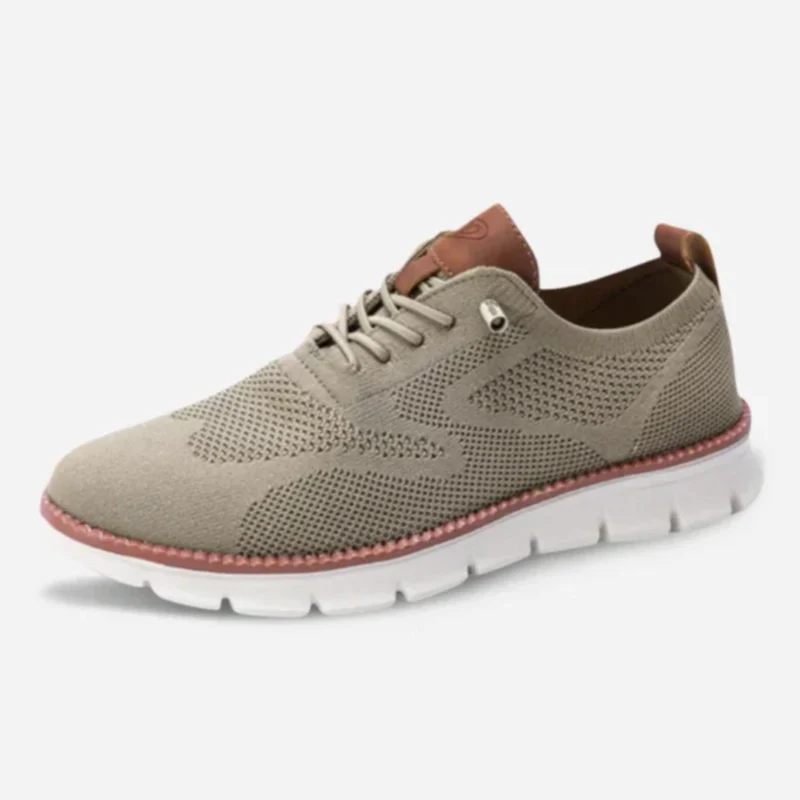
Every step you take matters—whether you’re exploring city streets, powering through your daily routine, or simply refusing to let foot discomfort slow you down. The CloudWalk – Ultra Comfortable Walking Shoes wraps your feet in therapeutic cushioning that turns pavement into clouds, so you can go farther, stay longer, and feel better doing it.
Vans continued to grow with the help of the skateboarding community. The brand released the Old Skool in 1977. This shoe introduced the Jazz Stripe. The stripe started as a doodle by Paul Van Doren. It is now a symbol of the brand. The Old Skool used leather panels for durability. Leather protected the toes during skate tricks. The brand released the Sk8-Hi shortly after. This high-top shoe protected the ankles from flying skateboards. The history of Vans focuses on function. Function leads to comfort for specific activities.
Technical Specifications of Vans Shoes
Vans shoes use a specific construction method. This method defines the brand. The most important feature is the vulcanized rubber sole. Workers heat the rubber in an oven. This process creates a chemical bond. It attaches the sole to the fabric upper. This creates a flexible shoe. The shoe bends with the foot. Flexible shoes reduce strain during walking.
The waffle sole is another technical highlight. The pattern features hexagonal shapes. This pattern increases the surface area contact with the ground. Increased contact improves traction. Good traction makes walking feel secure. Secure footing prevents muscle fatigue.
Vans interiors vary by model. Basic models use a canvas lining. The canvas is breathable. It allows air to circulate. Air circulation keeps feet cool. Cool feet are more comfortable during long days. Premium models use PopCush or UltraCush insoles. These materials use foam technology. The foam absorbs impact. It protects the heel from hard surfaces.
The technical build includes foxing tape. This tape wraps around the side of the shoe. It reinforces the connection between the sole and the upper. This tape adds weight. Heavier shoes feel more stable to some users. Stability helps the foot stay in place.
Materials Used in Vans Construction
Vans uses diverse materials to build their products. Each material affects the level of comfort.
- Canvas: This is a heavy-duty cotton fabric. It is durable and flexible. It conforms to the foot shape over time.
- Suede: This soft leather provides more support than canvas. It resists abrasions. It feels warm in cool weather.
- Leather: Full-grain leather offers maximum support. It is water-resistant. It keeps the foot structure stable.
- E.V.A. Foam: This stands for Ethylene-Vinyl Acetate. It is a lightweight cushioning material. It is found in the midsoles.
- Rubber: The outsole consists of natural rubber. It provides shock absorption.
The mix of these materials determines the shoe weight. Lightweight shoes prevent leg tiredness. Heavy materials provide more protection. Users must choose materials based on their specific needs.
User Benefits and Everyday Comfort
Vans provide specific benefits for daily wear. The flat sole is the main feature. A flat sole keeps the foot close to the ground. This allows for natural balance. Many people enjoy the feeling of the ground. It provides a stable base for standing.
The padded collar on the Era and Old Skool models prevents blisters. Blisters cause pain during long walks. The padding soft cushions the skin. The lace-up design allows for a custom fit. Users can tighten or loosen the laces. This accommodates foot swelling during the day. Swelling is common during travel or work.
Vans are easy to put on. The Slip-On model has no laces. It uses elastic side accents. These accents stretch when you insert your foot. This saves time. It eliminates pressure from tight laces. People with hand mobility issues benefit from this design.
The shoes are versatile. They match many clothes. This reduces stress during morning routines. Mental comfort is part of the user experience. You feel good when you look good.
Comfort Features for Different Foot Types
Foot shape influences how a shoe feels. Vans cater to various shapes.
Wide Feet
Vans often have a wide toe box. This gives toes space to splay. Splaying prevents cramped toes. Cramped toes lead to pain. The Slip-On model is popular for wide feet. The elastic allows the upper to expand. Some users buy a half-size larger. This adds extra width.
High Arches
Standard Vans have flat insoles. People with high arches may feel a lack of support. These users should choose ComfyCush models. The foam in these models supports the arch. It fills the gap between the foot and the shoe. Alternatively, users can remove the stock insole. They can insert orthopedic supports. This makes the shoe work for high arches.
Flat Feet
The flat sole of the Vans matches the structure of flat feet. There is no arch support to push against the foot. This prevents discomfort for people with low arches. The stability of the wide base keeps the foot aligned. This alignment reduces ankle roll.
Vans ComfyCush Technology Explained
Vans introduced ComfyCush to improve comfort. This technology combines foam and rubber. It creates a soft interior. The foam feels like walking on a cloud. It is much softer than the traditional rubber insole.
The construction uses a co-molded design. This fuses the foam and rubber together. The weight of the shoe decreases significantly. Lightweight shoes are better for long-distance walking. The interior lining uses moisture-wicking materials. This keeps sweat away from the skin. Dry feet stay comfortable.
ComfyCush also provides added arch support. It features a one-piece internal construction. This removes seams that might rub the foot. Fewer seams mean less irritation. This technology makes Vans a competitor for traditional walking shoes. It bridges the gap between style and ergonomics.
Comparison of Vans Models for Comfort
The following table compares the comfort levels of popular Vans models.
| Model | Sole Type | Padding Level | Best Usage | Comfort Score |
| Authentic | Classic Vulcanized | Low | Short walks | 6/10 |
| Era | Classic Vulcanized | Medium (Collar) | Daily errands | 7/10 |
| Old Skool | Classic Vulcanized | Medium (Lined) | Skateboarding/Work | 7.5/10 |
| Sk8-Hi | Classic Vulcanized | High (Ankle) | Cold weather | 8/10 |
| Slip-On | Classic Vulcanized | Low | Indoor/Travel | 7/10 |
| ComfyCush Old Skool | Foam/Rubber Mix | High | All-day walking | 9.5/10 |
| UltraRange | LuxLiner/Foam | Very High | Hiking/Active use | 10/10 |
Maintaining Your Vans for Long-Term Comfort
Maintenance keeps the shoes comfortable. Dirty shoes become stiff. Stiff shoes rub the skin. Follow these steps to keep Vans in good condition.
- Clean the canvas regularly. Use a soft brush. Remove loose dirt. Loose dirt acts like sandpaper on the fabric.
- Use mild soap. Mix dish soap with warm water. Clean the white rubber edges. Bright edges make the shoes look new.
- Air dry the shoes. Do not use a clothes dryer. Heat destroys the glue. It makes the rubber brittle. Brittle rubber loses its shock absorption.
- Replace the insoles. Insoles compress over time. Flat foam offers no protection. New insoles restore the cushion.
- Store in a cool place. Avoid direct sunlight. Sunlight fades the colors. It dries out the leather parts.
- Rotate your shoes. Do not wear the same pair every day. Shoes need time to dry completely. This prevents odor. It allows the foam to bounce back.
Every step you take matters—whether you’re exploring city streets, powering through your daily routine, or simply refusing to let foot discomfort slow you down. The CloudWalk – Ultra Comfortable Walking Shoes wraps your feet in therapeutic cushioning that turns pavement into clouds, so you can go farther, stay longer, and feel better doing it.
How to Select the Right Pair of Vans
Selecting the correct pair ensures comfort. Use this guide to find your match.
- Measure your feet. Do this at the end of the day. Feet are largest then. Ensure you have a thumb’s width of space at the toe.
- Identify your activity. Choose UltraRange for long walks. Choose Authentic for casual hanging out.
- Check the material. Suede takes longer to break in. Canvas is ready immediately. Leather is heavier but more supportive.
- Test the weight. Pick up the shoe. Ensure it does not feel too heavy for your legs.
- Walk around the store. Feel for heel slip. The heel should stay in the shoe. A slipping heel causes blisters.
- Wear your usual socks. Try on the shoes with the socks you wear daily. Thin socks change the fit compared to thick socks.
Why Flat Soles Matter for Comfort
The flat sole of a Vans shoe is a core design choice. Traditional shoes often have a raised heel. A raised heel changes the body’s posture. It pushes the weight to the front of the foot. This can cause pain in the ball of the foot.
Vans feature a zero-drop design. This means the heel and the toe are at the same height. This design mimics the natural state of the foot. It encourages better posture. Better posture reduces back pain. People who stand for long hours often prefer flat soles. The weight distributes evenly across the entire foot. Even distribution prevents pressure points.
The waffle pattern on the sole provides sensory feedback. You can feel the texture of the ground. This improves balance. It helps with spatial awareness. This connection to the ground is comfortable for many people. It feels more stable than a thick platform.
Anatomical Impact of Vans Design
The anatomy of the foot includes 26 bones. It also includes many joints and ligaments. Vans shoes respect the width of the human foot. Many modern shoes are too narrow. Narrow shoes compress the metatarsal bones. This leads to long-term foot issues.
Vans offer a wide forefoot. This allows the metatarsals to function correctly. The shoes provide a secure grip on the midfoot. This keeps the foot from sliding. The padding in the heel cup prevents the bone from hitting the rubber too hard.
Some users worry about the lack of arch support. The human arch is a natural shock absorber. It does not always need artificial support. A flat shoe allows the muscles in the arch to work. This makes the foot stronger. Strong feet are healthy feet. If you have weak arches, the PopCush insole helps. It provides support without being too rigid. Rigid support can cause foot fatigue.
Breaking in Your New Vans
Every shoe needs a break-in period. Vans are usually soft out of the box. However, the rubber sole is fresh and firm. It needs to flex.
Wear your new Vans inside the house first. Do this for a few hours. This allows the fabric to stretch. It lets the heat of your foot soften the glue. If you feel a hot spot, take the shoe off. Apply a bandage to the skin. This prevents a blister before it starts.
You can bend the shoe manually. Use your hands to flex the sole back and forth. This speeds up the softening process. The canvas will become more pliable. Suede models require more time. Suede is a thicker skin. It takes a few days of wear to mold to your ankle shape. Once broken in, Vans feel custom made for your foot. They become comfortable through usage.
Comparing Vans to Other Casual Shoes
Vans compete with other lifestyle brands. Many competitors use high heels or narrow shapes. Vans maintain a standard look.
Compared to running shoes, Vans are less cushioned. Running shoes use thick foam. This is good for impact. However, thick foam is unstable for standing. Vans are more stable for standing at concerts or festivals. Stability is a form of comfort.
Compared to formal shoes, Vans are far superior. Dress shoes use hard leather soles. They have narrow toes. They cause foot stress. Vans provide a relaxed environment for the foot. They are acceptable in many modern workplaces. Being comfortable at work improves productivity.
Vans are affordable. You can buy two pairs for the price of one luxury sneaker. Having multiple pairs allows for rotation. Rotation is key to foot health. Fresh shoes support the foot better.
The Role of Socks in Vans Comfort
Socks change the experience of wearing Vans. The right sock prevents rubbing.
- No-show socks: These are popular for style. Ensure they have silicone grips on the heel. This prevents the sock from sliding under the foot. A sliding sock is very uncomfortable.
- Cotton crew socks: These provide the most cushion. They absorb sweat. Cotton keeps the foot dry inside the canvas.
- Compression socks: These help if you stand all day. They keep blood flowing. They fit well inside the roomier Vans models.
- Thick wool socks: These make Vans wearable in winter. The extra thickness fills the shoe. It adds a layer of soft insulation.
Choose your socks based on the weather. In summer, use thin liners. In winter, use thick cotton. Matching the sock to the season improves comfort.
Conclusion of Selection Steps
Finding comfort in Vans requires specific steps. First, look at your daily needs. Do you walk long distances? Choose ComfyCush. Do you want a classic look for short periods? Choose Authentic. Second, check your foot width. If your feet are wide, consider the Slip-On. Third, consider maintenance. Clean shoes stay soft. Soft shoes stay comfortable.
Follow these rules for the best experience:
- Buy the correct size after measuring.
- Choose models with padding for sensitive ankles.
- Add insoles if you have high arches.
- Break in the shoes slowly inside.
- Wear high-quality socks.
Vans shoes offer a mix of style and technical design. They provide a flat, stable platform. They use durable materials like canvas and suede. With technologies like ComfyCush, they support the foot for long durations. Most users find Vans very comfortable once the initial break-in period ends. The balance of weight, grip, and flexibility makes them a global favorite. They keep your feet close to the ground. This connection provides confidence and ease in every step.
Every step you take matters—whether you’re exploring city streets, powering through your daily routine, or simply refusing to let foot discomfort slow you down. The CloudWalk – Ultra Comfortable Walking Shoes wraps your feet in therapeutic cushioning that turns pavement into clouds, so you can go farther, stay longer, and feel better doing it.