
Blog
What Are the Most Comfortable Tennis Shoes?

Understanding Tennis Shoe Comfort Fundamentals
Comfort in tennis shoes depends on five critical components. The midsole cushioning absorbs impact during quick movements. The upper material determines breathability and flexibility. The outsole pattern affects grip and stability. The heel counter provides ankle support. The toe box shape influences natural foot movement.
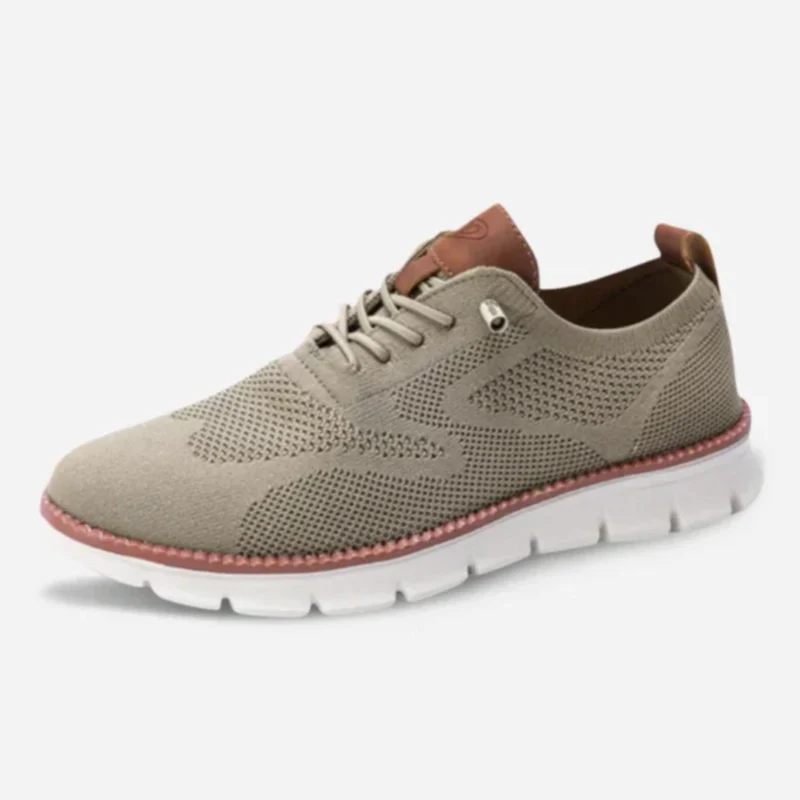
Every step you take matters—whether you’re exploring city streets, powering through your daily routine, or simply refusing to let foot discomfort slow you down. The CloudWalk – Ultra Comfortable Walking Shoes wraps your feet in therapeutic cushioning that turns pavement into clouds, so you can go farther, stay longer, and feel better doing it.
Players experience different comfort needs based on court surface. Hard courts demand maximum cushioning. Clay courts require lateral stability. Grass courts need excellent traction. Your playing style also matters. Baseline players need durability. Serve-and-volley players prioritize quick response.
The Evolution of Tennis Shoe Technology
Tennis shoes transformed dramatically over six decades. In the 1960s, canvas sneakers with flat rubber soles dominated courts. These shoes offered minimal support and wore out quickly.
The 1970s introduced polyurethane midsoles. This material provided basic shock absorption. Companies added herringbone patterns to outsoles for better grip.
During the 1980s, brands developed EVA foam cushioning. This innovation reduced impact forces significantly. Leather uppers became standard for durability and support.
The 1990s brought gel cushioning systems and air pockets into midsoles. These technologies improved energy return. Synthetic materials replaced leather in many models.
Modern tennis shoes feature responsive foam compounds and engineered mesh uppers. Computer modeling optimizes every design element. 3D printing creates custom fit solutions.
Top Comfort Features to Prioritize
Cushioning Systems
Premium tennis shoes use multiple cushioning technologies:
- Foam midsoles: EVA or newer polyurethane formulations absorb shock
- Gel inserts: Positioned in heel and forefoot areas for impact protection
- Air chambers: Provide responsive cushioning without added weight
- TPU plates: Add stability while maintaining flexibility
The cushioning density matters significantly. Softer foams feel comfortable initially but compress quickly. Firmer foams last longer and provide better court feel.
Upper Construction
The upper material directly affects comfort during extended play. Engineered mesh offers superior breathability. This construction uses different knit densities in specific zones. High-stress areas get reinforced fibers. Flexible zones use looser weaves.
Synthetic leather overlays add structure without excessive weight. These overlays wrap around the midfoot for lockdown. Quality shoes position overlays strategically to prevent rubbing.
Seamless construction eliminates irritation points. Manufacturers use heat-bonding or ultrasonic welding instead of stitching.
Fit and Support Elements
Several design features determine proper fit:
- Heel counter: A firm plastic or TPU structure that cups your heel
- Arch support: Can be neutral, moderate, or high based on foot type
- Lacing system: Asymmetric patterns improve midfoot security
- Ankle collar: Padding around the opening prevents Achilles irritation
- Tongue design: Gusseted tongues stay centered during lateral movements
Most Comfortable Tennis Shoes by Category
Best Overall Comfort
ASICS Gel-Resolution 9 leads in all-around comfort. This shoe features FlyteFoam cushioning in the midsole. The PureGel technology in the heel absorbs severe impacts. The Dynawrap lacing system secures the midfoot without pressure points. Players report excellent comfort during three-hour matches.
Weight: 12.8 oz (men’s size 9) Drop: 10mm heel-to-toe Court type: All surfaces
Maximum Cushioning
Nike Air Zoom Vapor Pro 2 delivers exceptional impact protection. The shoe contains Zoom Air units in both heel and forefoot. The React foam midsole provides responsive cushioning. The Dynamic Fit system adapts to foot shape during movement.
Weight: 12.3 oz (men’s size 9) Drop: 8mm heel-to-toe Court type: Hard courts
Lightweight Comfort
adidas Adizero Ubersonic 4 combines comfort with minimal weight. The Lightstrike Pro cushioning maintains responsiveness. The Adituff toe reinforcement prevents premature wear. The Torsion System allows independent heel and forefoot movement.
Weight: 11.2 oz (men’s size 9) Drop: 9mm heel-to-toe Court type: All surfaces
Wide Foot Options
New Balance Fresh Foam Lav V2 accommodates wider feet perfectly. This shoe comes in 2E and 4E widths. The Fresh Foam midsole provides plush comfort. The NDurance rubber outsole extends shoe life. The Kinetic Stitch upper stretches in key areas.
Weight: 12.6 oz (men’s size 9) Drop: 8mm heel-to-toe Court type: Hard and clay courts
Technical Specifications Comparison
| Model | Cushioning Type | Weight (oz) | Drop (mm) | Width Options | Price Range |
|---|---|---|---|---|---|
| ASICS Gel-Resolution 9 | FlyteFoam + Gel | 12.8 | 10 | Standard, Wide | $150-$170 |
| Nike Air Zoom Vapor Pro 2 | React + Zoom Air | 12.3 | 8 | Standard | $160-$180 |
| adidas Ubersonic 4 | Lightstrike Pro | 11.2 | 9 | Standard | $140-$160 |
| New Balance Lav V2 | Fresh Foam | 12.6 | 8 | Standard, 2E, 4E | $130-$150 |
| K-Swiss Bigshot Light 4 | Surge 7.0 | 11.8 | 9 | Standard | $100-$120 |
Selecting Tennis Shoes for Your Foot Type
Neutral Pronation
Your foot rolls inward slightly during landing. This motion distributes impact forces naturally. You need shoes with balanced cushioning and moderate arch support.
Recommended features:
- Neutral arch support
- Responsive midsole foam
- Flexible forefoot design
- Standard width toe box
Overpronation
Your foot rolls inward excessively after heel strike. This pattern can cause ankle and knee stress. You need shoes with stability features.
Recommended features:
- Medial post in midsole
- Firm heel counter
- Structured midfoot support
- Durable outsole rubber
High Arches
Your foot maintains a pronounced arch during contact. This structure limits natural shock absorption. You need maximum cushioning.
Recommended features:
- Thick midsole cushioning
- Soft foam compounds
- Curved last shape
- Flexible construction
Every step you take matters—whether you’re exploring city streets, powering through your daily routine, or simply refusing to let foot discomfort slow you down. The CloudWalk – Ultra Comfortable Walking Shoes wraps your feet in therapeutic cushioning that turns pavement into clouds, so you can go farther, stay longer, and feel better doing it.
Breaking In Your Tennis Shoes Properly
New tennis shoes require a break-in period. This process typically takes three to five practice sessions. Follow these steps:
- Wear shoes indoors first: Walk around your home for 30 minutes daily
- Start with light practice: Hit for 30-45 minutes initially
- Check for hot spots: Monitor pressure points after each session
- Adjust lacing tension: Experiment with different tightness levels
- Use court-specific insoles: Add custom inserts if needed
Never wear new shoes during tournaments or important matches. The unfamiliar feel affects performance. Break-in periods prevent blisters and discomfort.
Maintenance Tips for Extended Comfort
Proper care extends shoe life and maintains comfort:
After Each Session:
- Remove insoles and let them air dry separately
- Wipe outsoles clean with a damp cloth
- Loosen laces to maintain upper shape
- Store in a ventilated area away from direct heat
Weekly Maintenance:
- Clean uppers with mild soap and water
- Inspect outsoles for wear patterns
- Check midsole for compression signs
- Replace laces if fraying occurs
Monthly Checks:
- Examine heel counter for breakdown
- Test cushioning responsiveness
- Monitor arch support integrity
- Consider insole replacement
Replace tennis shoes every 45-60 hours of play. Cushioning systems degrade with use. Worn midsoles increase injury risk significantly.
Common Comfort Problems and Solutions
Heel Slippage
Your heel lifts during quick stops. This issue causes blisters and instability.
Solutions:
- Tighten top two eyelets more firmly
- Try heel lock lacing technique
- Add heel pads or inserts
- Consider half size smaller
Toe Box Pressure
Your toes hit the front during forward movements. This contact creates discomfort and black toenails.
Solutions:
- Order half size larger
- Choose models with roomier toe boxes
- Trim toenails before playing
- Use thin performance socks
Arch Pain
Your arch feels strained after matches. This discomfort indicates support issues.
Solutions:
- Insert orthotic insoles
- Select shoes with higher arch support
- Strengthen foot muscles with exercises
- Consider custom orthotics from podiatrist
Ball of Foot Discomfort
Your forefoot aches during play. This pain stems from inadequate cushioning.
Solutions:
- Add metatarsal pads to insoles
- Choose shoes with forefoot cushioning
- Replace worn-out shoes sooner
- Use thicker court socks
The Selection Process Simplified
Finding the most comfortable tennis shoes follows a systematic approach:
Step 1: Determine your foot type through wet test or professional analysis.
Step 2: Identify your primary court surface and playing frequency.
Step 3: Set a realistic budget based on play intensity.
Step 4: Visit specialty tennis retailers with court-testing areas.
Step 5: Try multiple brands and models in your size range.
Step 6: Test shoes during actual play before final purchase.
Step 7: Monitor comfort during the break-in period.
Shop for tennis shoes in the afternoon. Your feet swell slightly during the day. This timing ensures proper fit during actual play.
Bring your current tennis socks and insoles when trying shoes. These items affect fit significantly. Walk, jog, and perform lateral movements in each pair.
Investment Value in Comfort
Quality tennis shoes cost between $100 and $180. This investment protects your feet, ankles, and knees. Cheaper alternatives compromise cushioning and support. Medical bills from tennis injuries far exceed shoe costs.
Premium models last longer than budget options. Better materials resist breakdown. Superior construction maintains structural integrity. The cost per wearing decreases with quality shoes.
Comfortable tennis shoes improve your game directly. Less fatigue means better focus. Reduced pain allows longer practice sessions. Proper support enables aggressive movements. Your confidence increases with stable footing.
The most comfortable tennis shoes match your specific needs. They accommodate your foot type, playing style, and court preference. Brands like ASICS, Nike, adidas, and New Balance offer proven comfort technologies. Test multiple options before deciding. Your feet and your game deserve proper footwear.
Every step you take matters—whether you’re exploring city streets, powering through your daily routine, or simply refusing to let foot discomfort slow you down. The CloudWalk – Ultra Comfortable Walking Shoes wraps your feet in therapeutic cushioning that turns pavement into clouds, so you can go farther, stay longer, and feel better doing it.