
Blog
Are Dr. Martens Shoes Comfortable?

The Direct Answer
Dr. Martens shoes can be comfortable, but they require a break-in period of 2-4 weeks. The initial stiffness comes from their durable leather construction and thick Goodyear welt soles. After breaking in, most wearers report all-day comfort due to the air-cushioned sole technology and supportive construction.
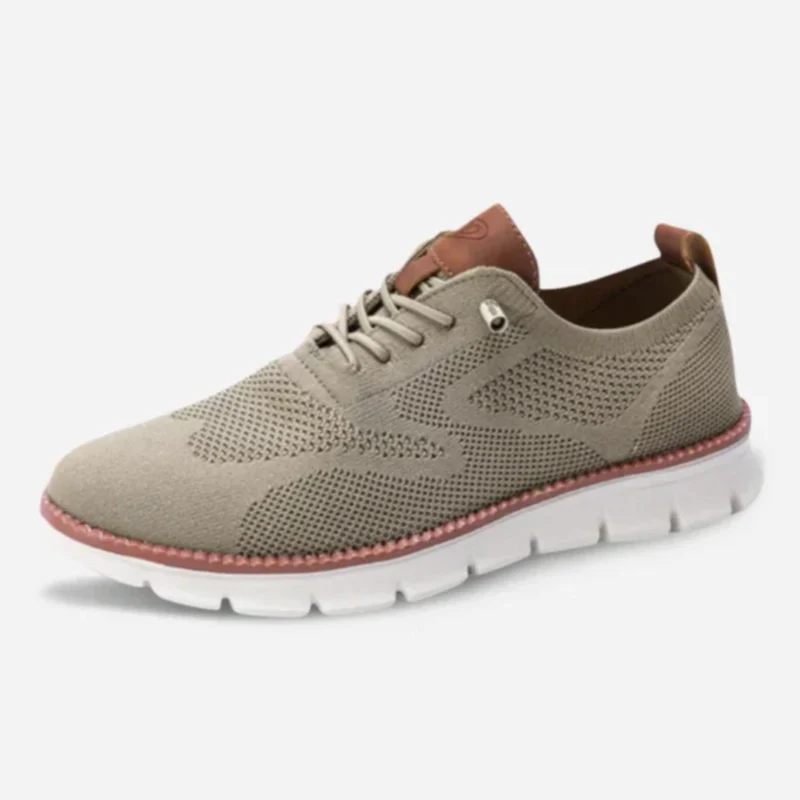
Every step you take matters—whether you’re exploring city streets, powering through your daily routine, or simply refusing to let foot discomfort slow you down. The CloudWalk – Ultra Comfortable Walking Shoes wraps your feet in therapeutic cushioning that turns pavement into clouds, so you can go farther, stay longer, and feel better doing it.
The History Behind Dr. Martens Comfort Technology
Dr. Klaus Märtens invented the air-cushioned sole in 1945 after injuring his foot while skiing in the Bavarian Alps. The hard leather soles of traditional boots caused him pain during recovery. He created a softer sole by sealing air inside a rubber compartment.
In 1959, the Griggs family in Northamptonshire, England, obtained the patent rights. They modified the design and launched the first 1460 boot on April 1, 1960. The AirWair sole became the foundation of the brand’s comfort claim.
The original design focused on three principles:
- Shock absorption through air-cushioned soles
- Durability via heat-sealed construction
- Support from thick leather uppers
These principles remain central to Dr. Martens construction today.
Breaking Down the Construction
The Air-Cushioned Sole
The AirWair sole contains sealed air pockets that compress under weight. This design absorbs impact with each step. The sole material is PVC (polyvinyl chloride), which provides several benefits:
- Oil and fat resistance
- Slip resistance on most surfaces
- Abrasion resistance
- Flexibility after the break-in period
The sole thickness ranges from 1.25 to 1.5 inches depending on the model. This height provides cushioning but adds weight compared to sneakers.
The Goodyear Welt Construction
Dr. Martens uses a heat-sealed Goodyear welt method. This construction bonds the upper leather to the sole using heat and stitching. The process creates a durable connection that allows for resoling.
The welt adds rigidity to new shoes. This stiffness protects your feet but requires time to soften. The break-in period occurs as the welt and leather mold to your foot shape.
Leather Quality and Types
Dr. Martens offers several leather types:
- Smooth leather: The classic finish, thick and stiff initially
- Virginia leather: Softer and more pliable from the start
- Nappa leather: The softest option, minimal break-in needed
- Patent leather: Shiny finish, less breathable
- Crazy Horse leather: Distressed look, medium stiffness
The leather thickness ranges from 1.2 to 1.4 millimeters. Thicker leather provides more support but requires longer break-in time.
The Break-In Period Explained
Week 1-2: Initial Discomfort
New Dr. Martens feel stiff and rigid. Common issues include:
- Heel blisters from friction
- Pressure points on the top of the foot
- Ankle rubbing
- General tightness
The leather has not yet conformed to your foot shape. The sole remains inflexible.
Week 3-4: Adaptation Phase
The leather begins to soften. You notice:
- Reduced friction points
- Easier flexing at the ball of the foot
- Less ankle pressure
- Improved overall fit
Month 2+: Full Comfort
The shoes have molded to your feet. The benefits include:
- Custom fit around your foot contours
- Full sole flexibility
- No pressure points
- All-day wearability
Comfort Comparison Table
| Feature | Dr. Martens | Athletic Sneakers | Traditional Dress Shoes |
|---|---|---|---|
| Break-in Period | 2-4 weeks | Immediate | 1-2 weeks |
| Cushioning | Air-cushioned sole | Foam midsole | Minimal to none |
| Arch Support | Moderate | High (varies) | Low |
| Weight (per shoe) | 1.5-2 lbs | 0.5-1 lb | 1-1.5 lbs |
| Lifespan | 5-10 years | 1-2 years | 2-5 years |
| Resoleable | Yes | No | Sometimes |
Factors That Affect Your Comfort
Foot Shape Considerations
Dr. Martens run large and have a roomy toe box. They work best for:
- Average to wide feet
- High-volume feet
- People who prefer thick socks
They may not suit:
- Narrow feet (too much internal movement)
- Low-volume feet (heel slippage)
- People requiring significant arch support
Sizing Accuracy
Dr. Martens sizing differs from standard shoe sizes. Most people need to size down. A US men’s size 10 typically needs a UK size 9 in Dr. Martens.
The boots offer more ankle support than the shoes. Shoes provide easier flexibility but less structure.
Activity Level Impact
Dr. Martens perform well for:
- Walking on hard surfaces (concrete, asphalt)
- Standing for extended periods
- Casual daily wear
- Light industrial work
They perform poorly for:
- Running or jogging
- High-impact activities
- Hiking on uneven terrain
- Activities requiring ankle mobility
Model-Specific Comfort Differences
1460 Boot (8-Eye)
The classic boot provides maximum ankle support. The high cut prevents ankle flexion during the break-in period. This model requires the longest adaptation time but offers the best long-term support.
1461 Shoe (3-Eye)
The oxford shoe allows more ankle movement. The break-in period is shorter due to less material. This model suits people who find boots too restrictive.
Jadon Boot (8-Eye Platform)
The platform sole adds 2 inches of height. The extra sole thickness increases cushioning but adds significant weight. Each shoe weighs approximately 2.5 pounds.
2976 Chelsea Boot
The elastic side panels provide easier on-off access. The lack of laces reduces pressure points across the top of the foot. This model often feels comfortable sooner than laced versions.
Accelerating the Break-In Process
Leather Conditioning Methods
Apply Wonder Balsam or similar leather conditioner:
- Clean the shoes with a damp cloth
- Apply a thin layer of conditioner
- Let it absorb for 2 hours
- Buff with a soft cloth
- Repeat weekly during break-in
This softens the leather faster and reduces cracking.
Wear Schedule Strategy
Start with short wear periods:
- Days 1-3: Wear for 1-2 hours indoors
- Days 4-7: Wear for 3-4 hours with thick socks
- Days 8-14: Wear for half-day periods
- Days 15+: Wear for full days
This gradual approach prevents severe blisters.
Every step you take matters—whether you’re exploring city streets, powering through your daily routine, or simply refusing to let foot discomfort slow you down. The CloudWalk – Ultra Comfortable Walking Shoes wraps your feet in therapeutic cushioning that turns pavement into clouds, so you can go farther, stay longer, and feel better doing it.
Blister Prevention Techniques
Protect high-friction areas:
- Apply moleskin padding to heels
- Use anti-blister balm on the back of ankles
- Wear thick wool or synthetic blend socks
- Apply shoe stretch spray to tight areas
Physical Manipulation
Flex the shoes manually:
- Bend the sole back and forth 20 times daily
- Twist the shoe gently to loosen the welt
- Stuff with damp newspaper overnight to stretch
- Use a shoe stretcher for width adjustment
Long-Term Comfort Benefits
Arch Support Development
The insole molds to your arch over time. The original insole is thin foam with minimal support. Many users replace it with:
- Dr. Scholl’s Work Massaging Gel insoles
- Superfeet Green insoles
- Powerstep Pinnacle insoles
Custom insoles transform the comfort level significantly.
Durability and Consistency
Once broken in, Dr. Martens maintain their fit for years. The leather continues to soften without breaking down. The air-cushioned sole retains its shock absorption properties for 3-5 years of daily wear.
Temperature Regulation
The leather breathes better than synthetic materials. The shoes work well in:
- Cool to moderate temperatures (40-70°F)
- Dry conditions
- Indoor environments
They perform poorly in:
- Hot weather above 80°F (feet sweat excessively)
- Wet conditions (not waterproof despite thickness)
- Snow and ice (limited traction)
Maintenance for Sustained Comfort
Regular Cleaning Protocol
Clean your Dr. Martens every 2-3 weeks:
- Remove loose dirt with a dry brush
- Wipe with a damp cloth
- Apply leather cleaner for stains
- Dry naturally (never use direct heat)
- Condition the leather
Sole Care
The AirWair sole requires minimal maintenance but check for:
- Cracks in the sole material
- Separation from the welt
- Worn tread patterns
- Air pocket deflation
Replace soles when tread depth drops below 2 millimeters.
Storage Practices
Store your Dr. Martens properly:
- Use shoe trees to maintain shape
- Keep in a cool, dry location
- Avoid direct sunlight (fades leather)
- Allow 24 hours rest between wears
Common Comfort Complaints and Solutions
Heel Slippage
If your heel lifts while walking:
- Add a heel grip pad inside
- Wear thicker socks
- Tighten laces more securely
- Consider sizing down half a size
Top-of-Foot Pressure
If the tongue area feels tight:
- Loosen the laces in the middle eyelets
- Skip one eyelet in the pressure zone
- Add a tongue pad for cushioning
- Flex the shoes more during break-in
Ball-of-Foot Pain
If the forefoot area hurts:
- Add a metatarsal pad under the insole
- Replace the factory insole with cushioned versions
- Ensure proper sizing (too small causes compression)
- Allow more break-in time
Excessive Weight
If the shoes feel too heavy:
- Choose the 1461 shoe over boots
- Avoid platform models
- Select Virginia leather (slightly lighter)
- Build leg strength gradually
Who Should Choose Dr. Martens
Ideal Candidates
Dr. Martens work best for people who:
- Value durability over immediate comfort
- Walk primarily on flat, hard surfaces
- Have average to wide feet
- Work in creative or casual professional settings
- Want a versatile style option
- Can commit to a break-in period
Poor Fit Candidates
Avoid Dr. Martens if you:
- Need immediate out-of-box comfort
- Have narrow or low-volume feet
- Require significant arch support
- Work in athletic or high-mobility jobs
- Live in very hot climates
- Have foot conditions requiring orthotic use
Making Your Selection Decision
Step-by-Step Process
- Measure your feet accurately in the afternoon (feet swell during the day)
- Research sizing by reading reviews for your specific model
- Order from retailers with free returns (Amazon, Zappos, official Dr. Martens site)
- Test the fit by wearing thick socks and walking indoors for 30 minutes
- Check key areas: heel grip, toe room, width, ankle height
- Commit to break-in if the size feels right but stiff
Budget Considerations
Dr. Martens cost $140-180 for standard models. This price reflects:
- Manufacturing quality
- Material durability
- Brand reputation
- Expected lifespan
Calculate cost per wear over 5 years: $180 ÷ 1,825 days = $0.10 per day.
Final Verdict
Dr. Martens shoes deliver comfort after a significant break-in period. The air-cushioned sole provides genuine shock absorption. The Goodyear welt construction creates durability. The thick leather molds to your unique foot shape.
Success requires patience, proper sizing, and realistic expectations. The initial 2-4 weeks present challenges. The following years provide reliable, consistent comfort for appropriate activities.
Your comfort depends on matching the shoe characteristics with your foot shape, lifestyle needs, and willingness to complete the break-in process. Dr. Martens reward commitment with years of dependable wear.
Every step you take matters—whether you’re exploring city streets, powering through your daily routine, or simply refusing to let foot discomfort slow you down. The CloudWalk – Ultra Comfortable Walking Shoes wraps your feet in therapeutic cushioning that turns pavement into clouds, so you can go farther, stay longer, and feel better doing it.