
Blog
What Are the Most Comfortable Golf Shoes?

Understanding Golf Shoe Comfort
Comfort in golf shoes determines your performance on the course. You walk 4-6 miles during an 18-hole round. Your feet endure constant pressure, weight shifts, and varied terrain. The right shoes prevent fatigue, blisters, and foot pain.
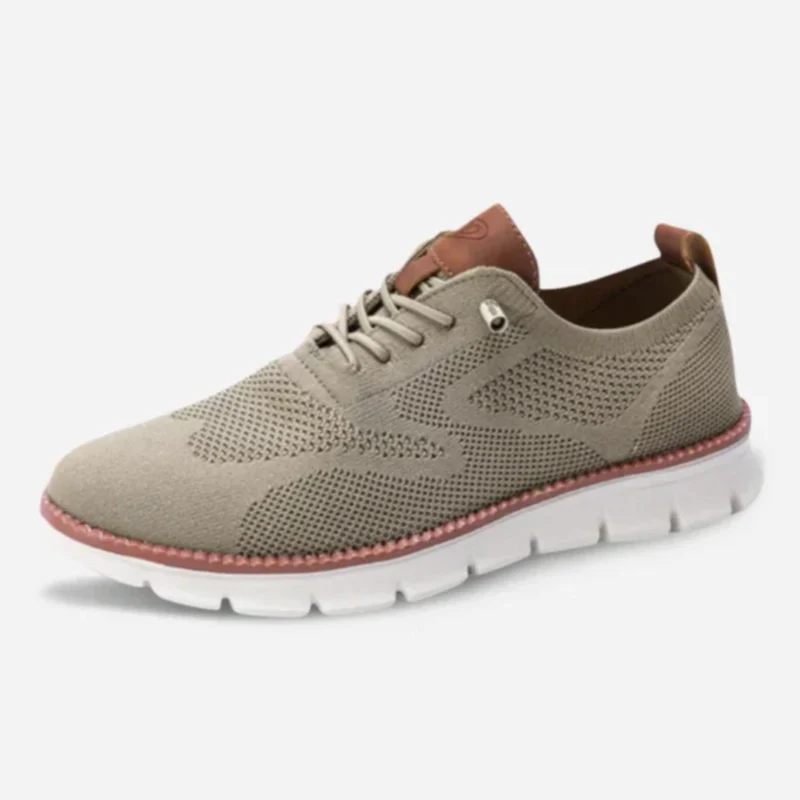
Every step you take matters—whether you’re exploring city streets, powering through your daily routine, or simply refusing to let foot discomfort slow you down. The CloudWalk – Ultra Comfortable Walking Shoes wraps your feet in therapeutic cushioning that turns pavement into clouds, so you can go farther, stay longer, and feel better doing it.
Golf shoe comfort depends on five key factors: cushioning, arch support, fit, breathability, and weight. Each element plays a distinct role in how your feet feel after hours of play.
Modern golf shoes combine athletic shoe technology with golf-specific features. Manufacturers use memory foam, gel inserts, and advanced materials to create shoes that support your swing while protecting your feet.
History of Golf Shoe Development
Golf shoes evolved dramatically over the past century. Players in the 1920s wore leather boots with metal spikes. These shoes offered stability but caused extreme discomfort during long rounds.
The 1980s brought the first athletic-style golf shoes. Companies applied running shoe cushioning to golf footwear. EVA foam midsoles became standard. Players experienced less foot fatigue.
Spikeless golf shoes emerged in the 2000s. Rubber nubs replaced metal spikes. This innovation improved comfort on hard surfaces and clubhouse floors. Players could wear the same shoes from car to course.
The 2010s introduced knit uppers and socklike construction. Brands borrowed from sneaker culture. Waterproof knit materials allowed shoes to flex naturally while keeping feet dry.
Key Technologies for Maximum Comfort
Cushioning Systems
Memory foam insoles mold to your foot shape. This material distributes pressure evenly across your sole. Your feet experience less stress during long rounds.
Gel cushioning absorbs impact at the heel and forefoot. This technology reduces joint strain. Players with knee or hip issues benefit significantly.
EVA (ethylene-vinyl acetate) foam provides lightweight cushioning. This material compresses with each step and returns to its original shape. EVA maintains comfort throughout the round.
Arch Support Features
Proper arch support prevents plantar fasciitis and general foot pain. Contoured footbeds cradle your arch. This support maintains proper foot alignment during your swing.
Removable insoles let you add custom orthotics. Players with flat feet or high arches need this flexibility. You can replace factory insoles with specialized support.
Dual-density midsoles offer firm support under the arch and soft cushioning elsewhere. This combination provides stability without sacrificing comfort.
Fit and Construction
Wide toe boxes prevent cramped toes. Your feet swell during activity. Extra room in the front accommodates this natural expansion.
Padded collars protect your ankles from rubbing. This feature eliminates blisters on the Achilles tendon area.
Socklike uppers eliminate pressure points. These constructions wrap your foot without tight spots. You experience a custom-fit feeling.
Breathability Elements
Mesh panels allow air circulation. Your feet stay cooler in warm weather. Reduced moisture means fewer blisters.
Waterproof-breathable membranes keep rain out while releasing sweat vapor. Gore-Tex and similar materials maintain comfort in wet conditions.
Moisture-wicking liners pull sweat away from your skin. Dry feet remain comfortable longer.
Weight Considerations
Lighter shoes reduce fatigue. You lift your feet thousands of times during a round. Every ounce matters.
Synthetic materials weigh less than leather. Modern constructions achieve 12-14 ounces per shoe. Traditional leather models weighed 18-20 ounces.
Top Comfortable Golf Shoe Categories
Spikeless Golf Shoes
Spikeless models offer superior comfort for walking. The flat sole feels natural on all surfaces. You can wear these shoes before and after your round.
Benefits include:
- No pressure points from spike attachments
- Smooth ride on cart paths
- Versatile wear on and off the course
- Lighter overall weight
Rubber traction patterns provide adequate grip for most conditions. Modern designs create enough stability for full swings.
Athletic-Style Golf Shoes
These shoes mirror running or training shoes. Brands apply proven athletic footwear technology to golf-specific needs.
Key features:
- Maximum cushioning in heel and forefoot
- Flexible midsoles that move with your foot
- Lightweight synthetic materials
- Responsive energy return
Players who value comfort over traditional aesthetics prefer this category.
Waterproof Knit Golf Shoes
Knit constructions offer the best fit and flexibility. The material stretches to accommodate foot movement during your swing.
Advantages include:
- Zero break-in period
- Breathability combined with water resistance
- Socklike feel
- Modern appearance
These shoes work best in moderate climates. Extreme wet conditions may challenge their waterproofing.
Premium Leather Golf Shoes
Quality leather molds to your foot over time. These shoes require break-in but deliver exceptional long-term comfort.
Features:
- Natural breathability
- Durability for multiple seasons
- Classic appearance
- Rich materials that soften with wear
Choose leather if you prefer traditional style and can invest time in breaking in your shoes.
Comfort Comparison by Shoe Type
| Shoe Type | Cushioning | Breathability | Weight | Break-in Time | Price Range |
|---|---|---|---|---|---|
| Spikeless Athletic | Excellent | Excellent | Very Light | Immediate | $80-$150 |
| Spiked Athletic | Excellent | Good | Light | Minimal | $100-$180 |
| Waterproof Knit | Very Good | Good | Light | Immediate | $120-$200 |
| Premium Leather | Good | Very Good | Medium | 2-3 rounds | $180-$350 |
| Traditional Spiked | Fair | Fair | Heavy | 3-5 rounds | $150-$250 |
Every step you take matters—whether you’re exploring city streets, powering through your daily routine, or simply refusing to let foot discomfort slow you down. The CloudWalk – Ultra Comfortable Walking Shoes wraps your feet in therapeutic cushioning that turns pavement into clouds, so you can go farther, stay longer, and feel better doing it.
How to Select the Most Comfortable Golf Shoes
Measure Your Feet Properly
Measure both feet at the end of the day. Your feet expand from activity and heat. One foot may be larger than the other. Buy shoes that fit your larger foot.
Stand while measuring. Your feet spread under body weight. Sitting measurements provide inaccurate results.
Test the Fit
Wear golf socks when trying shoes. Different sock thicknesses affect fit.
Check these areas:
- Heel: Your heel should not slip during walking
- Width: The widest part of your foot should align with the widest part of the shoe
- Toe room: Leave a thumb’s width between your longest toe and the shoe end
- Arch: The shoe’s arch should match your arch location
Walk on different surfaces in the store. Test the shoes on inclines if possible. Perform a slow-motion golf swing.
Consider Your Foot Type
Flat feet require shoes with firm arch support and motion control features. Look for dual-density midsoles.
High arches need extra cushioning. Neutral shoes with soft midsoles work best. Add custom insoles if needed.
Wide feet demand shoes labeled as wide or extra-wide. Forcing wide feet into standard widths causes pain and blisters.
Narrow feet benefit from brands that offer narrow sizes or shoes with adjustable lacing systems.
Evaluate Your Playing Conditions
Dry climates allow breathable mesh shoes. Wet regions require waterproof models.
Hilly courses demand better traction. Choose shoes with aggressive tread patterns or replaceable spikes.
Flat courses permit lighter, more flexible shoes. You can prioritize cushioning over stability.
Factor in Your Swing Characteristics
Players with aggressive swings need more lateral support. Look for wider bases and reinforced sides.
Smooth swingers can wear flexible athletic shoes. The reduced structure feels more comfortable.
Maintenance for Long-Term Comfort
Cleaning Protocols
Remove dirt after each round. Dried mud hardens materials and affects fit.
Steps:
- Remove insoles and laces
- Brush off loose dirt with a soft brush
- Wipe uppers with a damp cloth
- Clean soles with a harder brush
- Air dry away from direct heat
Drying Techniques
Never use direct heat sources. High temperatures damage adhesives and materials.
Best practices:
- Stuff shoes with newspaper to absorb moisture
- Replace newspaper every few hours
- Allow 24-48 hours for complete drying
- Store in a well-ventilated area
Storage Recommendations
Store shoes in a cool, dry place. Avoid car trunks and garages with temperature extremes.
Use shoe trees to maintain shape. Cedar models absorb moisture and odor.
Rotate between two pairs of shoes. This practice extends the life of both pairs. Each pair gets adequate drying time between rounds.
Insole Replacement
Replace insoles every 20-30 rounds. Compressed foam loses cushioning ability.
Aftermarket insoles often provide better support than factory versions. Brands like Superfeet and Sof Sole offer golf-specific models.
Selecting Your Perfect Comfortable Golf Shoes
Follow this process to find shoes that keep your feet comfortable for years:
Step 1: Identify your foot type and measure both feet accurately.
Step 2: Determine your budget and narrow options within that range.
Step 3: Choose between spikeless and spiked based on your courses and preferences.
Step 4: Try multiple brands because sizing varies between manufacturers.
Step 5: Test shoes while wearing golf socks and performing golf movements.
Step 6: Buy from retailers with good return policies in case comfort issues emerge during actual play.
Step 7: Break in new shoes gradually by wearing them for 9 holes before a full 18-hole round.
The most comfortable golf shoes match your specific foot shape, playing style, and course conditions. Investing time in proper selection pays dividends in reduced fatigue and better performance. Your feet carry you through every round. Quality comfortable golf shoes make that journey enjoyable rather than painful.
Every step you take matters—whether you’re exploring city streets, powering through your daily routine, or simply refusing to let foot discomfort slow you down. The CloudWalk – Ultra Comfortable Walking Shoes wraps your feet in therapeutic cushioning that turns pavement into clouds, so you can go farther, stay longer, and feel better doing it.