
Blog
What Stores Sell Barefoot Shoes

Understanding Barefoot Shoes Before You Shop
Barefoot shoes emerged from biomechanics research in the 1960s. Scientists observed that traditional shoes altered natural foot movement. This discovery led to the minimalist footwear movement in the early 2000s.
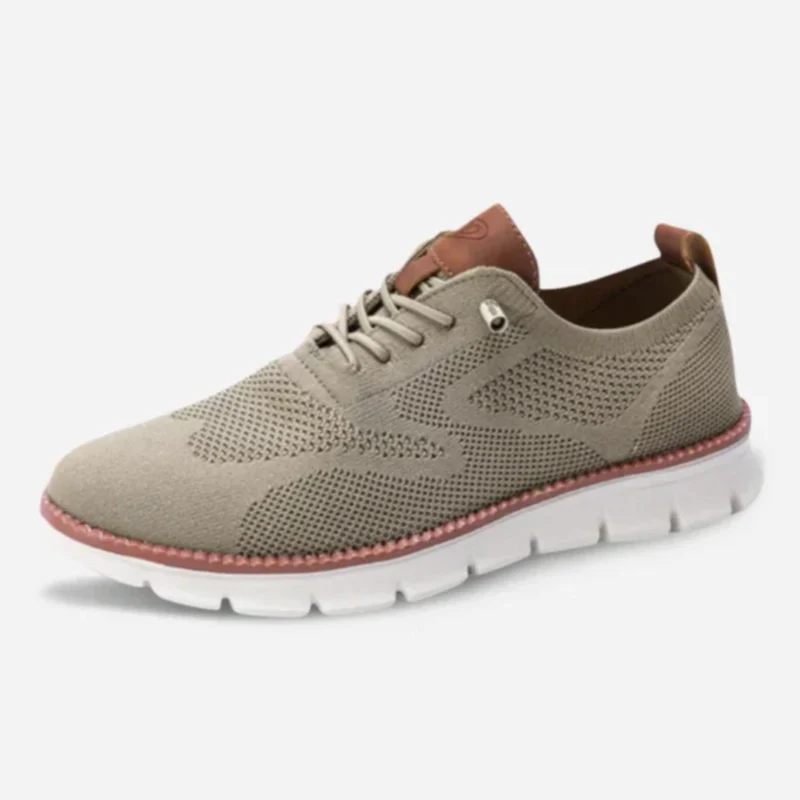
Every step you take matters—whether you’re exploring city streets, powering through your daily routine, or simply refusing to let foot discomfort slow you down. The CloudWalk – Ultra Comfortable Walking Shoes wraps your feet in therapeutic cushioning that turns pavement into clouds, so you can go farther, stay longer, and feel better doing it.
These shoes feature specific design elements:
- Zero-drop sole: The heel and forefoot sit at the same height
- Wide toe box: Allows toes to spread naturally
- Thin, flexible sole: Typically 3-10mm thick
- Minimal cushioning: Provides ground feedback
- Lightweight construction: Usually under 200 grams per shoe
The human foot contains 26 bones, 33 joints, and over 100 muscles. Barefoot shoes work with this natural architecture instead of restricting it.
Specialty Barefoot Shoe Retailers
Online Barefoot Shoe Stores
Anya’s Reviews operates as a dedicated barefoot footwear retailer. The store stocks over 40 brands. Customers find detailed sizing guides and comparison charts. The website includes a shoe finder tool that matches foot measurements to specific models.
The Barefoot Shoe Store specializes in minimalist footwear for families. The inventory includes infant sizes through adult options. Customer service representatives provide video consultations for fit questions.
Softstar Shoes manufactures and sells directly to consumers. The company offers custom-made options. Production time runs 4-6 weeks for personalized orders. Standard models ship within 3 business days.
Feelgrounds ships from Germany to worldwide locations. The brand focuses on urban barefoot shoes. Material options include vegan leather alternatives and organic cotton.
Brand Direct Websites
Most barefoot shoe manufacturers sell through their own websites:
- Vivobarefoot: UK-based brand with global shipping
- Xero Shoes: Colorado company offering sandals, casual shoes, and athletic models
- Lems Shoes: Boulder brand specializing in zero-drop casual footwear
- Merrell: Produces the Vapor Glove line through their main site
- Vibram FiveFingers: The original toe shoe, available direct
Direct purchases often include:
- Full size ranges including half sizes
- 30-90 day trial periods
- Free return shipping
- Manufacturer warranties
- Access to discontinued colors
Physical Retail Locations
Outdoor Recreation Stores
REI carries multiple barefoot shoe brands in physical locations. Staff members receive training on minimalist footwear fitting. The co-op’s return policy allows worn shoes back within one year if unsatisfactory.
Inventory typically includes:
- Merrell Vapor Glove series
- Xero Shoes hiking models
- Vivobarefoot trail runners
- Altra Escalante (zero-drop with cushioning)
Eastern Mountain Sports (EMS) stocks barefoot options in select Northeast locations. The chain focuses on trail and hiking models.
Bass Pro Shops and Cabela’s carry water shoes and minimal hiking boots. Selection varies significantly by location size.
Running Specialty Stores
Local running stores increasingly stock minimalist options. These retailers provide gait analysis services. Staff can identify whether barefoot shoes match your running form.
Fleet Feet locations carry zero-drop running shoes. Not all stores stock true barefoot models, but most have transitional options.
Road Runner Sports offers both online and physical store options. The VIP membership provides discounts on barefoot running shoes.
Department Stores
Nordstrom stocks Vivobarefoot in select full-line stores. The shoe department carries limited styles, primarily casual and dress options.
Zappos (owned by Amazon) maintains a “barefoot shoes” category with over 200 options. The site offers free two-way shipping and a 365-day return policy.
Amazon lists barefoot shoes from numerous brands. Filter search results by “zero drop” and “minimalist” to find authentic barefoot options. Read reviews carefully, as some listings misuse the barefoot label.
Comparing Major Barefoot Shoe Retailers
| Retailer | Brand Selection | Price Range | Return Policy | Shipping Cost |
|---|---|---|---|---|
| Anya’s Reviews | 40+ brands | $40-$200 | 30 days | Free over $75 |
| Vivobarefoot Direct | 1 brand (own) | $90-$200 | 100 days | Free over $100 |
| Xero Shoes | 1 brand (own) | $40-$140 | 5,000 mile guarantee | Free over $75 |
| REI | 8-12 brands | $70-$180 | 1 year | Free over $50 |
| Amazon | 50+ brands | $25-$250 | 30 days | Varies |
| Zappos | 15+ brands | $35-$220 | 365 days | Always free |
Region-Specific Shopping Options
United States
The US market offers the widest barefoot shoe selection. Most brands ship from domestic warehouses. Regional outdoor chains stock minimalist footwear in mountain and coastal areas.
Whole Earth Provision Co. (Texas) carries Xero Shoes, Lems, and Vivobarefoot.
Potomac River Running (Mid-Atlantic) stocks transitional and barefoot running shoes.
Europe
European shoppers access brands unavailable in North America:
- Joe Nimble: German brand sold through specialty retailers
- Magical Shoes: Romanian manufacturer with EU-wide shipping
- Groundies: German urban barefoot brand
Decathlon stores across Europe stock their own Kalenji barefoot running line at budget prices ($40-$60).
Canada
Canadian retailers include:
- MEC (Mountain Equipment Co-op): Carries Merrell, Xero, and Vivobarefoot
- The Running Room: Stocks zero-drop running shoes in major cities
- Sport Chek: Limited selection in larger locations
Import duties apply to US purchases over CAD $150.
Australia and New Zealand
Vivobarefoot operates retail stores in Sydney and Melbourne. The Athlete’s Foot carries minimalist running shoes in select locations.
Barebones Footwear (New Zealand) specializes in barefoot shoes for the Pacific market.
Every step you take matters—whether you’re exploring city streets, powering through your daily routine, or simply refusing to let foot discomfort slow you down. The CloudWalk – Ultra Comfortable Walking Shoes wraps your feet in therapeutic cushioning that turns pavement into clouds, so you can go farther, stay longer, and feel better doing it.
Finding Barefoot Shoes for Specific Activities
Running and Athletic Performance
Running specialty stores provide the best selection for athletic barefoot shoes. Look for these models:
- Merrell Vapor Glove 6: 6mm stack height, excellent ground feel
- Xero Speed Force: Road running shoe with 5.5mm sole
- Vivobarefoot Primus Lite III: All-purpose trainer at 7mm thick
- Vibram V-Run: Toe shoe design for natural toe splay
Purchase these at REI, Fleet Feet, or brand direct websites.
Casual and Everyday Wear
Nordstrom and online retailers excel for casual barefoot shoes:
- Lems Primal 2: Canvas slip-on with 9mm sole
- Vivobarefoot Gobi: Leather desert boot style
- Softstar Chukka: Handmade leather boot
- Xero Prio: Versatile everyday sneaker
Hiking and Trail Use
Outdoor retailers carry the most hiking-specific options:
- Xero Xcursion: Fusion hiking shoe with 5.5mm sole
- Vivobarefoot Tracker: Leather hiking boot with 7mm sole
- Merrell Trail Glove 7: Trail runner design with 11mm stack
Work and Professional Settings
Professional barefoot shoes remain limited. Check these sources:
- Vivobarefoot: Offers dress shoes and work boots
- Softstar: Creates custom professional styles
- Lems: Produces leather work boots (Boulder Boot)
Order these from manufacturer websites for best selection.
Children’s Barefoot Shoes
Kids’ feet develop better in barefoot shoes. Find children’s sizes at:
- Vivobarefoot Kids: Ages 1-14
- Xero Shoes: Toddler through youth sizes
- Softstar: Infant through child sizes, many custom options
- Keen: CNX line offers minimalist kids’ shoes
- The Barefoot Shoe Store: Specializes in children’s barefoot footwear
Technical Specifications to Verify Before Purchase
Check these measurements before buying:
Sole thickness: True barefoot shoes measure 3-10mm. Anything over 15mm provides too much cushioning.
Heel-to-toe drop: Must be exactly 0mm. Some brands market 4mm drop shoes as “minimalist” but these are not barefoot shoes.
Toe box width: Measure your foot width at the toes while standing. The shoe should be 5-8mm wider than your foot on each side.
Flexibility: The sole should bend easily in all directions. Test this in store or check return policies for online orders.
Weight: Most barefoot shoes weigh 140-220 grams per shoe in men’s size 9.
Transitioning to Barefoot Shoes
Start gradually when switching from traditional footwear. Your feet need time to strengthen.
Week 1-2: Wear barefoot shoes for 1-2 hours daily during light activities.
Week 3-4: Increase to 4-6 hours per day. Avoid running or intense exercise.
Week 5-8: Progress to full-day wear. Begin short runs (1-2 miles) if desired.
Month 3+: Your feet should adapt fully. Gradually increase running distance.
Common transition symptoms include:
- Calf soreness
- Arch fatigue
- Achilles tightness
- Foot muscle soreness
These symptoms indicate your feet are strengthening. Reduce wear time if pain occurs.
Price Ranges and Budget Options
Barefoot shoes span multiple price points:
Budget ($25-$60):
- Whitin minimalist shoes (Amazon)
- Saguaro barefoot shoes (Amazon)
- Decathlon Kalenji Feel (Europe)
Mid-Range ($60-$120):
- Xero Shoes most models
- Lems Primal and Nine2Five
- Merrell Trail Glove series
Premium ($120-$200):
- Vivobarefoot all models
- Softstar custom shoes
- Joe Nimble (Europe)
Quality correlates somewhat with price. Budget options work well for testing barefoot shoes. Premium brands offer better durability and materials.
Maintenance and Longevity
Proper care extends barefoot shoe life:
Cleaning: Hand wash with mild soap. Remove insoles and wash separately. Air dry completely. Never use machine dryers.
Storage: Keep in a cool, dry place. Use shoe trees to maintain shape. Avoid direct sunlight, which degrades materials.
Rotation: Own 2-3 pairs and rotate daily. This allows shoes to dry fully between wears.
Sole Protection: Apply Shoe Goo to high-wear areas on thin soles. This extends life by 3-6 months.
Expected lifespan varies by model:
- Running shoes: 300-600 miles
- Casual shoes: 1-2 years daily wear
- Hiking boots: 500-1,000 miles
- Work boots: 6-18 months
Making Your Final Selection
Follow this process when buying barefoot shoes:
- Measure your feet: Trace both feet on paper while standing. Measure length and width at the widest point.
- Identify your use case: Running, casual wear, hiking, or work determines which styles to consider.
- Choose 3-5 models: Research options from multiple brands in your price range.
- Check retailer policies: Prioritize sellers with free returns and trial periods of 30+ days.
- Order multiple sizes: Most people need to try 2-3 sizes to find the right fit.
- Test indoors first: Wear shoes inside on carpet for several hours before committing.
- Start your transition: Follow the gradual adaptation timeline.
Barefoot shoes change how your feet interact with the ground. The right pair improves foot strength, balance, and natural movement patterns. Shop from retailers that understand minimalist footwear and offer strong return policies. Your feet will adapt, and you’ll gain the full benefits of barefoot shoe design.
Every step you take matters—whether you’re exploring city streets, powering through your daily routine, or simply refusing to let foot discomfort slow you down. The CloudWalk – Ultra Comfortable Walking Shoes wraps your feet in therapeutic cushioning that turns pavement into clouds, so you can go farther, stay longer, and feel better doing it.