
Blog
Why Wear Barefoot Shoes

The Natural Movement Revolution
Your feet contain 26 bones, 33 joints, and more than 100 muscles, tendons, and ligaments. Traditional footwear restricts this complex system. Barefoot shoes restore natural foot function by mimicking barefoot conditions while providing minimal protection.
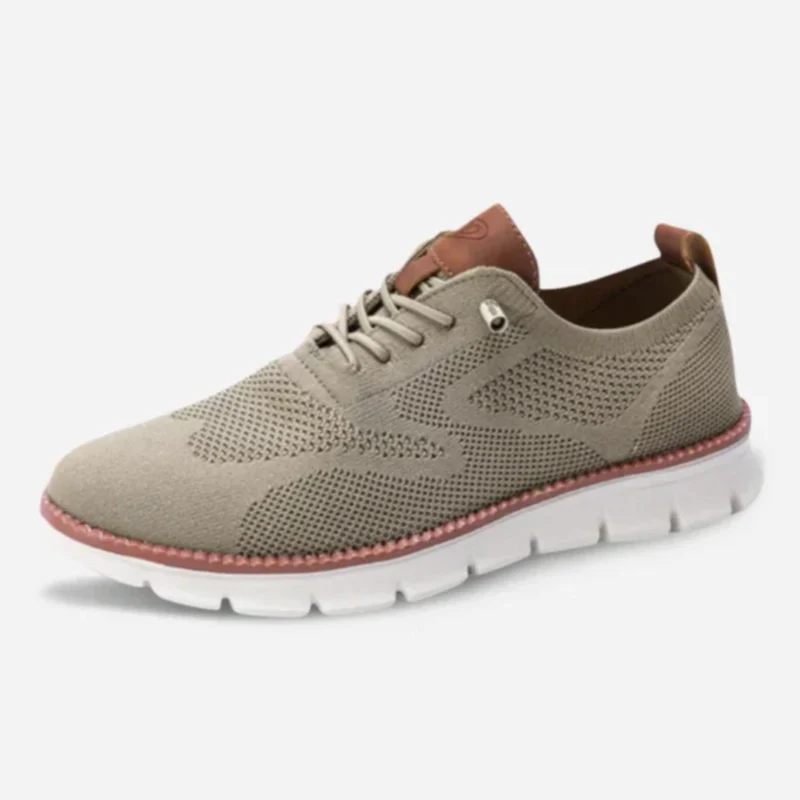
Every step you take matters—whether you’re exploring city streets, powering through your daily routine, or simply refusing to let foot discomfort slow you down. The CloudWalk – Ultra Comfortable Walking Shoes wraps your feet in therapeutic cushioning that turns pavement into clouds, so you can go farther, stay longer, and feel better doing it.
The modern shoe industry promotes cushioned, narrow, and elevated footwear. This design weakens your feet over time. Barefoot shoes offer an alternative approach based on biomechanics and evolutionary anatomy.
Historical Context of Footwear Design
Humans walked barefoot for millions of years. Archaeological evidence shows early foot coverings served only as weather protection. Ancient sandals from 10,000 years ago featured flat soles and wide toe boxes.
The 1970s running boom changed shoe design forever. Manufacturers added thick cushioning, arch support, and elevated heels. These features became standard despite limited scientific validation.
Dr. Steven Robbins published research in the 1990s questioning modern shoe benefits. His studies revealed that cushioned shoes reduced sensory feedback and increased injury risk. This research sparked the minimalist footwear movement.
By 2009, Christopher McDougall’s book “Born to Run” brought barefoot running into mainstream awareness. The book highlighted the Tarahumara people of Mexico who run long distances in minimal sandals. Sales of minimalist shoes surged following this publication.
Technical Specifications That Define Barefoot Shoes
Zero Drop Design
Zero drop means the heel sits at the same height as the forefoot. Traditional shoes feature heel elevation ranging from 10mm to 20mm. This elevation shifts your weight forward and alters posture.
Zero drop alignment keeps your spine neutral. Your body weight distributes evenly across your foot. This positioning strengthens your posterior chain muscles.
Minimal Stack Height
Stack height measures the material thickness between your foot and ground. Barefoot shoes typically range from 3mm to 10mm total. Traditional running shoes often exceed 30mm.
Thin soles provide superior ground feel. Your feet receive sensory information about terrain texture and stability. This proprioceptive feedback improves balance and coordination.
Wide Toe Box
Your toes need space to spread naturally. A wide toe box allows full toe splay during each step. Traditional shoes squeeze toes together, creating deformities like bunions and hammertoes.
Natural toe spread enhances stability. Your forefoot functions as a tripod with three main contact points. This base supports efficient force distribution during movement.
Flexible Sole Construction
Barefoot shoes bend and twist easily. This flexibility lets your foot move through its natural range of motion. Rigid soles restrict joint movement and weaken intrinsic foot muscles.
Test shoe flexibility by folding the sole in half. A proper barefoot shoe offers minimal resistance. Your foot controls movement rather than the shoe structure.
No Arch Support
Traditional shoes include built-in arch support. This feature props up your medial longitudinal arch artificially. Barefoot shoes provide no arch support to strengthen your natural arch structure.
Your foot contains a spring-like mechanism. The plantar fascia, ligaments, and muscles form this spring system. Regular barefoot shoe use develops these structures naturally.
Benefits for Foot Health and Function
Enhanced Proprioception
Proprioception refers to your body’s position sense. Thin soles transmit ground information directly to nerve endings. Your brain processes this data to adjust movement patterns in real-time.
Studies show improved proprioception reduces fall risk in older adults. Athletes benefit from better agility and reaction speed. Your nervous system adapts to environmental changes more effectively.
Strengthened Foot Muscles
Traditional shoes act like casts for your feet. Supportive features do the work your muscles should perform. Barefoot shoes force your intrinsic foot muscles to activate with every step.
Research published in the Journal of Foot and Ankle Research found significant strength gains after six months of minimalist shoe use. Participants showed increased arch height and improved dynamic stability.
Improved Posture and Alignment
Elevated heels push your center of gravity forward. This misalignment cascades up your kinetic chain. Your knees hyperextend, your pelvis tilts forward, and your spine compensates.
Zero drop shoes restore neutral alignment. Your ears, shoulders, hips, knees, and ankles stack vertically. This positioning reduces chronic pain in your back, hips, and knees.
Natural Gait Mechanics
Humans evolved to land on the forefoot or midfoot when running. Modern shoes encourage heel striking due to elevated, cushioned heels. This impact pattern generates forces up to three times your body weight.
Barefoot shoes promote a midfoot or forefoot strike. This landing pattern activates your arch spring mechanism. Your foot absorbs shock naturally through elastic energy storage and return.
Reduced Injury Rates
Studies on injury patterns show mixed results. Some research indicates lower injury rates with barefoot-style running. Other studies report increased stress fracture risk during transition periods.
The key factor is gradual adaptation. Runners who transition slowly over 6-12 months experience fewer injuries than those who switch abruptly. Your body needs time to strengthen previously underused structures.
Comparison: Barefoot Shoes vs Traditional Footwear
| Feature | Barefoot Shoes | Traditional Shoes |
|---|---|---|
| Heel-Toe Drop | 0mm | 10-20mm |
| Stack Height | 3-10mm | 20-40mm |
| Toe Box Width | Wide, anatomical | Narrow, tapered |
| Sole Flexibility | High flexibility | Rigid structure |
| Arch Support | None | Built-in support |
| Ground Feel | Excellent | Minimal |
| Weight | 150-250g | 250-400g |
| Transition Period | 6-12 months | Immediate |
Practical Applications Across Activities
Running and Training
Barefoot running shoes range from completely minimalist to moderately cushioned. Vibram FiveFingers pioneered toe-pocket designs. Brands like Merrell and Xero Shoes offer more conventional appearances.
Start with short runs of 1-2 kilometers. Increase distance by 10% weekly. Pay attention to calf soreness and forefoot discomfort. These signals indicate adaptation stress.
Daily Casual Wear
Casual barefoot shoes blend minimalist design with conventional aesthetics. Leather options exist for professional settings. Canvas and knit versions suit recreational activities.
Wearing barefoot shoes daily accelerates foot strengthening. Your feet adapt to natural mechanics during routine activities. This consistent stimulus produces lasting structural changes.
Hiking and Trail Activities
Trail-specific barefoot shoes feature durable outsoles and protective toe caps. Brands like Vivobarefoot and Altra (zero drop but not fully minimalist) serve this market.
Rocky terrain provides excellent proprioceptive training. Your feet navigate obstacles naturally. This skill transfers to improved balance in all environments.
Gym and Lifting
Barefoot shoes excel for strength training. Stable, flat soles create a solid base for squats and deadlifts. Your feet grip the floor effectively without compressible cushioning.
Many Olympic lifters prefer minimal footwear or train completely barefoot. The direct ground connection enhances force production. Your power transfer improves from foot to barbell.
Every step you take matters—whether you’re exploring city streets, powering through your daily routine, or simply refusing to let foot discomfort slow you down. The CloudWalk – Ultra Comfortable Walking Shoes wraps your feet in therapeutic cushioning that turns pavement into clouds, so you can go farther, stay longer, and feel better doing it.
Transition Protocol for Safe Adaptation
Phase One: Assessment (Weeks 1-2)
Evaluate your current foot condition. Check for bunions, hammertoes, or significant arch collapse. Photograph your bare feet from multiple angles to track changes.
Wear barefoot shoes for 30-60 minutes daily. Limit this time to walking on flat surfaces. Remove shoes immediately if you experience sharp pain.
Phase Two: Gradual Integration (Weeks 3-8)
Increase wearing time by 15 minutes each week. Introduce varied terrain including grass and gentle trails. Perform foot-strengthening exercises daily.
Key exercises include:
- Toe spreading holds (10 repetitions, 5-second holds)
- Single-leg balance stands (3 sets of 30 seconds per leg)
- Calf raises on stairs (3 sets of 15 repetitions)
- Foot doming exercises (10 repetitions, 5-second holds)
Phase Three: Activity-Specific Adaptation (Weeks 9-24)
Begin activity-specific training in barefoot shoes. Runners should start with 10-minute sessions at reduced pace. Increase duration before increasing intensity.
Monitor these warning signs:
- Persistent pain lasting more than 48 hours
- Swelling in the foot or ankle
- Sharp pain during activities
- Stress fracture symptoms (localized bone tenderness)
Rest immediately if any warning signs appear. Consult a sports medicine professional for persistent issues.
Phase Four: Full Integration (Month 6+)
Most individuals achieve full adaptation within six months. Your feet display visible changes including wider forefeet and higher arches. Calluses develop on your soles providing natural protection.
Continue mixing barefoot and traditional shoes based on activity demands. Some situations require protective footwear for safety or social reasons.
Maintenance and Longevity
Cleaning Methods
Most barefoot shoes tolerate machine washing on gentle cycles. Remove insoles before washing. Air dry completely to prevent odor and material breakdown.
Hand washing extends shoe life. Use mild soap and warm water. Scrub with a soft brush for stubborn dirt. Rinse thoroughly and stuff with newspaper to absorb moisture.
Odor Prevention
Barefoot shoes sit closer to your skin, increasing odor potential. Rotate between two or three pairs to allow complete drying. Apply shoe powder or baking soda after each use.
Merino wool socks provide natural antimicrobial properties. Many barefoot enthusiasts prefer wearing shoes without socks once calluses develop. This approach requires more frequent cleaning.
Sole Inspection
Check outsoles monthly for wear patterns. Uneven wear indicates gait imbalances requiring attention. Replace shoes when tread depth decreases significantly or holes appear.
Most barefoot shoe soles last 500-1000 kilometers depending on surface type and usage. Trail running accelerates wear compared to casual walking. Budget for annual replacement with regular use.
Selecting Your First Pair
Sizing Considerations
Barefoot shoes require different sizing than traditional footwear. Measure both feet while standing. Use the larger foot measurement for sizing reference.
Add 1-1.5 centimeters to your longest toe measurement. This thumb’s width spacing prevents toe jamming. Most brands provide detailed sizing charts with foot length measurements.
Order multiple sizes if possible. Try shoes on with your typical sock choice. Walk around your home for 15-20 minutes. Your toes should spread freely without touching the front.
Style Options
Begin with casual walking shoes rather than running-specific models. Casual shoes provide gentler introduction to barefoot mechanics. Save performance footwear for after initial adaptation.
Consider your climate and typical activities. Water-resistant options suit rainy environments. Breathable mesh versions work better for warm conditions. Leather provides durability and professional appearance.
Price Ranges
Barefoot shoes cost between $50 and $200 per pair. Budget options from brands like Xero Shoes start around $50. Premium models from Vivobarefoot or Lems reach $150-200.
Higher prices reflect materials quality and construction methods. Expensive shoes typically last longer and maintain shape better. Budget options work fine for testing barefoot concepts before major investment.
Summary
Barefoot shoes restore natural foot function through five key design elements: zero drop, minimal stack height, wide toe box, flexible soles, and no arch support. These features strengthen your feet, improve proprioception, and promote healthy movement patterns.
Successful transition requires patience and gradual progression over six months minimum. Start with short wearing periods and slowly increase duration. Perform foot-strengthening exercises regularly throughout adaptation.
The benefits include enhanced balance, reduced chronic pain, improved posture, and stronger feet. Scientific research supports these outcomes when transition protocols follow conservative timelines.
Your feet evolved for barefoot function. Modern footwear weakened this natural capability. Barefoot shoes provide a practical middle ground between complete barefoot living and traditional shoe protection. They protect your feet while allowing natural mechanics to flourish.
Every step you take matters—whether you’re exploring city streets, powering through your daily routine, or simply refusing to let foot discomfort slow you down. The CloudWalk – Ultra Comfortable Walking Shoes wraps your feet in therapeutic cushioning that turns pavement into clouds, so you can go farther, stay longer, and feel better doing it.