
Blog
What Is the Most Comfortable High Heel Shoe?

Understanding Comfort in High Heels
Comfortable high heels combine proper arch support, cushioning, heel height, and fit. The shoe must distribute body weight evenly across the foot. Poor weight distribution causes pain in the ball of the foot and toes.
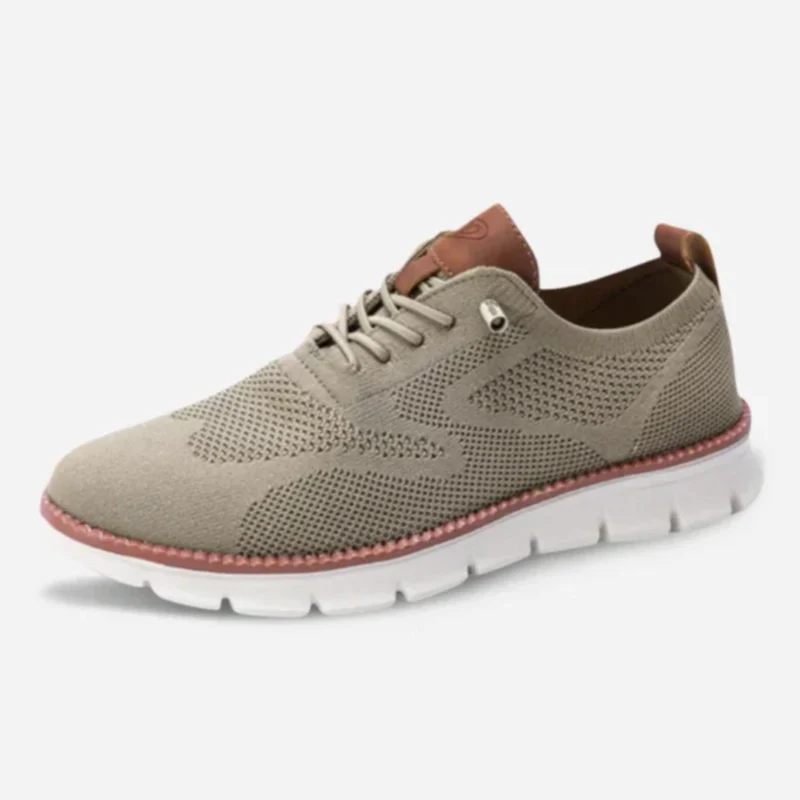
Every step you take matters—whether you’re exploring city streets, powering through your daily routine, or simply refusing to let foot discomfort slow you down. The CloudWalk – Ultra Comfortable Walking Shoes wraps your feet in therapeutic cushioning that turns pavement into clouds, so you can go farther, stay longer, and feel better doing it.
Arch support maintains the natural curve of your foot. This prevents the foot from rolling inward or outward. Cushioning absorbs shock with each step. Materials like memory foam and gel padding reduce pressure points.
The most comfortable high heels feature heel heights between 2 and 3 inches. This range offers elevation while maintaining stability. Shoes above 3.5 inches shift 75% of body weight to the forefoot. This causes significant discomfort over time.
Platform soles reduce the effective heel height. A 4-inch heel with a 1-inch platform creates only 3 inches of actual elevation. This design decreases strain on the foot.
History of Comfortable High Heel Design
High heels originated in 10th century Persia. Persian cavalry wore heels to secure their feet in stirrups. European aristocrats adopted heels in the 1600s as fashion symbols.
Early heels caused severe foot damage. Manufacturers used rigid leather with no cushioning. Women endured pain for fashion. The 1950s brought stiletto heels with thin metal rods. These provided minimal stability.
The 1980s marked a shift. Brands began incorporating orthotic principles into heel design. Companies added padded insoles and contoured footbeds. Nike released the Air Max technology in 1987. Other shoe manufacturers adapted this cushioning for dress shoes.
The 2000s introduced memory foam insoles in heels. Clarks and Naturalizer led this movement. They created dress shoes with athletic shoe comfort features. Modern brands now use advanced materials like EVA foam and gel cushioning.
Technical Features That Define Comfort
Heel Construction
Heel pitch measures the angle from heel to toe. A gradual pitch of 45 to 60 degrees provides optimal comfort. Steep pitches above 70 degrees force toes into a cramped position.
Heel width affects stability. Wider heels distribute weight across a larger surface area. Block heels and wedges offer maximum stability. Stilettos concentrate weight on a small point.
Quality heels use a steel shank embedded in the arch. This prevents the shoe from collapsing under body weight. The shank provides structural integrity and support.
Materials and Cushioning
Premium materials enhance comfort:
- Leather uppers breathe and mold to foot shape
- Suede linings prevent blisters and friction
- Memory foam insoles conform to unique foot contours
- Gel pads absorb shock in high-pressure areas
- Cork footbeds provide natural arch support
TPU (thermoplastic polyurethane) outsoles offer flexibility and durability. Rubber outsoles provide superior traction. Leather soles look elegant but require break-in time.
Fit and Sizing
Proper fit determines comfort levels. Shoes should allow 0.5 inches of space beyond the longest toe. The widest part of your foot must align with the widest part of the shoe.
Toe box shape matters significantly. Pointed toes squeeze digits together. Round and almond-shaped toe boxes allow natural toe spread. Square toe boxes provide maximum room.
Adjustable features improve fit:
- Ankle straps distribute weight and prevent sliding
- Elastic goring accommodates foot swelling
- Buckles allow customized tightness
- Laces provide the most adjustable fit
Top Comfortable High Heel Brands and Models
Comparison of Leading Brands
| Brand | Signature Technology | Heel Height Range | Price Range | Best For |
|---|---|---|---|---|
| Clarks | Cushion Soft padding | 2-3.5 inches | $80-$150 | All-day wear |
| Naturalizer | N5 Contour technology | 2-4 inches | $70-$140 | Wide feet |
| Cole Haan | Grand.OS cushioning | 2.5-4 inches | $150-$300 | Professional settings |
| Aerosoles | Diamond flex outsoles | 2-3 inches | $60-$120 | Budget-conscious buyers |
| Vionic | Orthaheel technology | 2-3.5 inches | $100-$180 | Plantar fasciitis |
Clarks Kaylin Cara
This pump features Cushion Soft technology with dual-layer foam. The OrthoLite footbed wicks moisture and prevents odor. A 2.75-inch heel provides modest elevation. The leather upper stretches for a custom fit.
The Kaylin Cara works well for office environments. Users report wearing these for 8-hour shifts without pain. The heel width provides stable support.
Naturalizer Michelle
The Michelle pump uses N5 Contour technology. This system includes five comfort elements: contoured footbed, breathable lining, lightweight flexibility, extra cushioning, and balanced heel placement.
A 3-inch heel offers professional height. The shoe comes in multiple width options. The almond toe box prevents cramping. This model suits women with bunions or wide feet.
Cole Haan Grand Ambition
Cole Haan adapted athletic shoe technology for dress heels. The Grand.OS system uses a flexible outsole with grooves. These grooves allow natural foot movement.
A full-length cushioned footbed includes memory foam. The 3.5-inch heel features internal padding. A 0.5-inch platform reduces effective height to 3 inches. This shoe transitions well from office to evening events.
Vionic Madison
Vionic designs shoes with podiatrist input. The Orthaheel footbed features deep heel cups. This design realigns foot position and reduces pronation.
The Madison pump has a 2.5-inch block heel. The supportive structure helps women with plantar fasciitis. The biomechanical design reduces strain on knees and hips. Users need a break-in period of 2-3 weeks.
How to Select Your Most Comfortable High Heel
Step 1: Measure Your Feet
Measure both feet at the end of the day. Feet swell throughout the day. Use a Brannock device for accurate measurements. This tool measures length, width, and arch length.
Order shoes based on your larger foot. Foot size changes with age and pregnancy. Re-measure annually.
Step 2: Determine Your Heel Height Limit
Start with 2-inch heels if you rarely wear heels. Gradually increase height as your feet adapt. Women who wear heels daily can tolerate 3-4 inches.
Consider the occasion. Heels for standing events should be 2-3 inches. Heels for seated dinners can be higher. Walking long distances requires lower heels or wedges.
Every step you take matters—whether you’re exploring city streets, powering through your daily routine, or simply refusing to let foot discomfort slow you down. The CloudWalk – Ultra Comfortable Walking Shoes wraps your feet in therapeutic cushioning that turns pavement into clouds, so you can go farther, stay longer, and feel better doing it.
Step 3: Assess Arch Support Needs
Press your wet foot on paper. A full footprint indicates flat feet. You need substantial arch support. A narrow connection between heel and forefoot indicates high arches. You need cushioned, flexible shoes.
People with plantar fasciitis require deep heel cups. Those with bunions need wide toe boxes. Morton’s neuroma sufferers should avoid narrow, pointed styles.
Step 4: Choose the Right Heel Type
Block heels provide maximum stability. The wide base supports body weight effectively. These work well for beginners and all-day wear.
Wedge heels distribute weight across the entire sole. This eliminates pressure on the ball of the foot. Wedges offer the most comfortable high heel option for extended wear.
Kitten heels (1.5-2 inches) provide minimal elevation. These suit conservative workplaces and older wearers. The low height reduces ankle strain.
Stiletto heels concentrate weight on small points. These cause the most discomfort. Limit stiletto wear to short durations.
Step 5: Test Before Purchase
Walk on hard surfaces in the store. Carpeted areas hide comfort issues. Take at least 20 steps. Check for:
- Heel slippage (indicates size too large)
- Toe compression (indicates size too small)
- Rubbing at ankle or heel (causes blisters)
- Arch gaps (indicates poor support)
Order shoes with return policies. Wear them indoors for several hours. Check for pressure points and hot spots.
Maintaining Comfort Over Time
Break-In Process
New heels require gradual break-in. Wear shoes for 30 minutes daily for the first week. Increase wear time by 30 minutes each week. This allows materials to soften and conform.
Use a shoe stretcher for tight spots. Apply leather conditioner to prevent cracking. Place gel pads at pressure points during break-in.
Regular Maintenance
Replace insoles every 6-12 months. Cushioning materials compress with use. Lost cushioning reduces comfort significantly.
Clean leather shoes with appropriate products. Dirt particles create friction and wear. Polish leather monthly to maintain flexibility.
Replace heel tips when worn. Worn tips alter heel pitch and weight distribution. This changes how the shoe fits and feels.
Store heels with shoe trees. These maintain shape and prevent creasing. Creases create pressure points against the foot.
Foot Care for Heel Wearers
Stretch calf muscles daily. Tight calves result from regular heel wear. Shortened muscles cause pain and increase injury risk.
Perform toe yoga exercises. Spread toes wide, then squeeze together. This maintains flexibility and strength. Do 20 repetitions daily.
Massage feet nightly with moisturizing cream. Focus on the ball of the foot and heels. Use a tennis ball to roll under the arch. This relieves tension and prevents plantar fasciitis.
Alternate heel heights daily. Wearing the same height repeatedly shortens Achilles tendons. Vary between flats, low heels, and higher heels.
Comfort Modifications and Accessories
Insole Solutions
Metatarsal pads reduce ball-of-foot pain. These pads sit behind the ball to redistribute weight. Position them correctly for maximum effect.
Heel grips prevent slippage and blisters. Adhesive grips stick to the heel counter. These work well for shoes slightly too large.
Full-length cushioned insoles replace factory insoles. Brands like Dr. Scholl’s and Superfeet offer targeted support. Choose insoles designed specifically for heels.
External Additions
Toe cushions protect against friction. Gel toe sleeves prevent blisters on specific toes. These help with pointed toe boxes.
Ball-of-foot cushions stick to the insole. These provide extra padding in high-pressure areas. Silicone versions last longer than foam.
Ankle straps add stability to slip-on styles. Detachable straps convert pumps into Mary Janes. This modification reduces foot sliding.
Professional Adjustments
Cobblers can stretch shoes in specific areas. They use specialized tools to widen toe boxes or raise arches. Stretching costs $15-30 per pair.
Adding a half sole to the forefoot increases traction. This modification also adds minimal height. The extra layer provides cushioning.
Heel height reduction involves cutting and reattaching heels. This permanent modification costs $40-80. Consider this for expensive heels that are slightly too high.
Summary of Selection Steps
The most comfortable high heel shoe depends on individual foot characteristics and needs. Follow this selection process:
- Measure feet properly and know your true size
- Choose heel heights between 2-3 inches for regular wear
- Select styles with proper arch support for your foot type
- Prioritize block heels and wedges over stilettos
- Look for cushioning technologies like memory foam
- Ensure proper fit with adequate toe box space
- Test shoes thoroughly before committing
- Break in new shoes gradually
- Maintain shoes and feet with regular care
- Use comfort modifications as needed
Quality comfortable heels cost $80-300. This investment pays off through reduced foot pain and longer shoe life. Brands like Clarks, Naturalizer, Cole Haan, and Vionic deliver proven comfort features.
Visit Keeps Footwear for curated selections of comfortable high heels. Their collection focuses on styles that balance fashion with foot health.
Every step you take matters—whether you’re exploring city streets, powering through your daily routine, or simply refusing to let foot discomfort slow you down. The CloudWalk – Ultra Comfortable Walking Shoes wraps your feet in therapeutic cushioning that turns pavement into clouds, so you can go farther, stay longer, and feel better doing it.