
Blog
How to Make High Heel Shoes More Comfortable

Understanding Why High Heels Cause Discomfort
High heels shift your body weight forward. This puts excessive pressure on the balls of your feet. Your toes compress into the narrow toe box. The elevated heel also shortens your Achilles tendon temporarily.
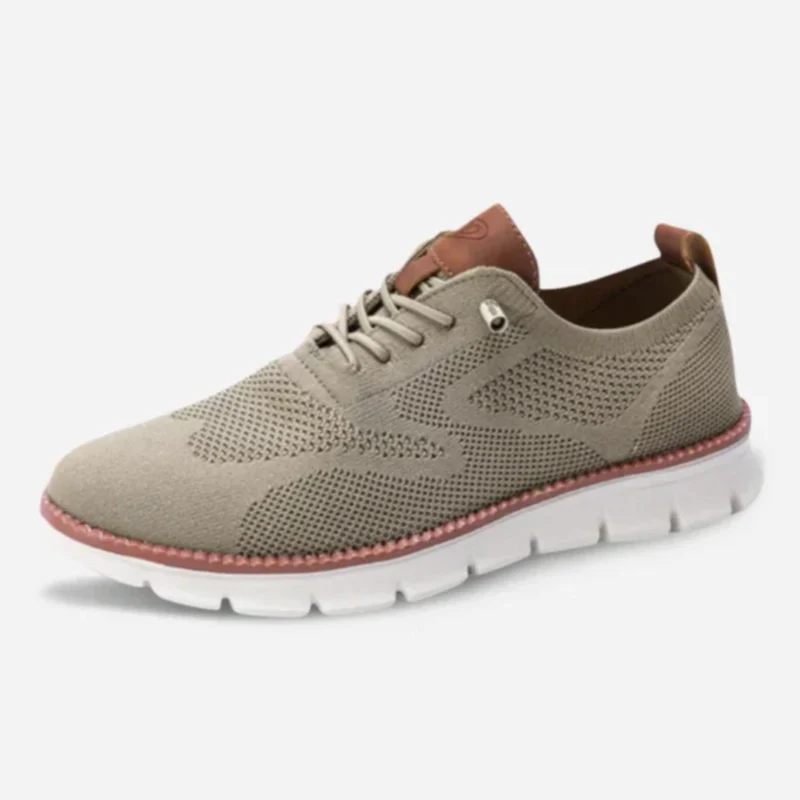
Every step you take matters—whether you’re exploring city streets, powering through your daily routine, or simply refusing to let foot discomfort slow you down. The CloudWalk – Ultra Comfortable Walking Shoes wraps your feet in therapeutic cushioning that turns pavement into clouds, so you can go farther, stay longer, and feel better doing it.
The average high heel transfers 75% of your body weight to the front of your foot. Flats distribute weight evenly across the entire foot. This fundamental biomechanical change creates pain, blisters, and long-term foot problems.
The Anatomy of Heel Pain
Your foot contains 26 bones, 33 joints, and over 100 muscles. High heels disrupt this complex structure. The metatarsal bones bear most of the pressure. These five long bones connect your ankle to your toes.
Common pain points include:
- Ball of foot (metatarsalgia)
- Heel back (Achilles tendon strain)
- Arch area (plantar fasciitis development)
- Toes (hammertoe formation)
- Ankle instability
The Evolution of High Heel Comfort Solutions
Ancient Egyptian butchers wore elevated shoes in 3500 BC. Persian cavalry used heels for stirrup stability in the 10th century. European aristocrats adopted heels in the 1500s as status symbols.
Comfort innovations began in the 1950s. Dr. William Scholl introduced gel inserts in 1960. The 1990s brought memory foam technology. Modern materials like thermoplastic polyurethane (TPU) and ethylene-vinyl acetate (EVA) foam revolutionized cushioning in the 2000s.
Recent advances include:
- 3D-printed custom insoles (2015)
- Shock-absorbing gel pads (2010)
- Adjustable heel heights (2018)
- Smart materials that adapt to pressure
Immediate Comfort Solutions You Can Apply Today
Cushioned Insoles and Padding
Gel metatarsal pads reduce pressure on the ball of your foot by 40%. Place them directly under the ball area. Silicone pads work best for heels 3 inches or higher.
Full-length cushioned insoles provide arch support and heel cushioning. Choose insoles with a thickness of 3-4mm. Thicker insoles reduce interior space and cause tightness.
Popular insert types:
- Ball-of-foot cushions: Target front pressure points
- Heel grips: Prevent slipping and blisters
- Arch supports: Distribute weight more evenly
- Toe spacers: Reduce compression between toes
Strategic Taping Methods
Athletic tape supports your foot structure. Buddy taping connects your third and fourth toes. This reduces nerve pressure that causes pain. Use medical tape, not regular adhesive tape.
Apply tape before wearing heels. Wrap tape around both toes together at the base. Keep the wrap snug but not tight. This simple method reduces discomfort by approximately 30%.
The Breaking-In Process
New heels require adaptation time. Wear them for 30-minute intervals at home. Gradually increase duration over two weeks. Walk on different surfaces: carpet, hardwood, tile.
Use a shoe stretcher overnight. Apply leather stretching spray first. Focus on tight areas around toes and sides. This expands the shoe by 0.5-1 size without damaging material.
Selecting the Right High Heel Design
Heel Height and Pitch Analysis
| Heel Height | Pressure Increase | Recommended Wear Time | Comfort Rating |
|---|---|---|---|
| 1-2 inches | 25% | 8+ hours | High |
| 2-3 inches | 50% | 4-6 hours | Moderate |
| 3-4 inches | 75% | 2-4 hours | Low |
| 4+ inches | 90%+ | Under 2 hours | Very Low |
Pitch measures the angle from heel to toe. A gradual pitch reduces strain. Look for heels with less than a 45-degree angle.
Platform Benefits
Platforms reduce the effective heel height. A 4-inch heel with a 1-inch platform functions like a 3-inch heel. Your foot angle becomes less extreme.
Calculate effective heel height: Total heel height minus platform height equals actual elevation your foot experiences.
Toe Box Shape Matters
Pointed toes compress all five toes together. This causes bunions, hammertoes, and nerve damage. Almond-shaped or round toe boxes provide more space.
Measure toe box width at the widest point. You need at least 0.5 inches beyond your foot width. Test by inserting your finger between your foot and the shoe side.
Heel Base Width and Stability
Wider heel bases provide better stability. Block heels distribute weight across a larger surface area. Stilettos concentrate all pressure on a tiny point.
Heel base recommendations:
- Daily wear: Block heels (1+ inch diameter)
- Events: Tapered heels (0.5-0.75 inch diameter)
- Occasions: Stilettos (under 0.5 inch diameter)
Material Selection for Maximum Comfort
Leather Versus Synthetic Options
Full-grain leather molds to your foot shape over time. It breathes better than synthetic materials. Leather absorbs moisture and reduces friction.
Synthetic materials cost less but don’t adapt as well. Microfiber offers a middle ground. It provides flexibility and breathability at lower prices.
Cushioning Technologies
Modern cushioning uses multiple foam densities. Dual-density midsoles combine soft comfort foam with firm support foam. The soft layer contacts your foot. The firm layer provides structure.
Memory foam responds to body heat and pressure. It creates a custom footbed impression. This technology reduces pressure points by distributing weight evenly.
Key cushioning materials:
- EVA foam: Lightweight, flexible, affordable
- PU foam: Durable, maintains shape longer
- Gel inserts: Superior shock absorption
- Cork: Natural, molds to foot shape
Professional Modifications and Adjustments
Cobbler Services
Professional cobblers offer permanent comfort improvements. Sole guards add a rubber layer that increases traction and reduces impact. This service costs $15-30.
Heel caps replace worn heel tips. Metal or rubber caps prevent further damage. Replace caps every 3-6 months with regular wear.
Stretching Services
Professional stretching expands shoes in specific areas. Cobblers use heat and pressure to reshape materials. They target bunion areas, toe boxes, or overall width.
Stretching results:
- Width: Up to one full size
- Length: Up to half size
- Specific spots: 0.25-0.5 inches
Adding Grip and Traction
Slippery soles cause instability and discomfort. Apply sole pads with textured rubber surfaces. These adhesive pads stick to the bottom of your heels.
Alternative options include spray-on rubber coating or sandpaper roughening. Both methods increase surface friction. Improved grip reduces muscle tension from balance compensation.
Every step you take matters—whether you’re exploring city streets, powering through your daily routine, or simply refusing to let foot discomfort slow you down. The CloudWalk – Ultra Comfortable Walking Shoes wraps your feet in therapeutic cushioning that turns pavement into clouds, so you can go farther, stay longer, and feel better doing it.
Maintenance Practices for Long-Term Comfort
Regular Cleaning and Conditioning
Clean leather heels monthly with saddle soap. Apply leather conditioner afterward. This prevents cracking and maintains flexibility.
Remove insoles and air them out after each wear. Spray with antibacterial solution weekly. Replace insoles every 6 months for optimal cushioning.
Rotation Strategy
Rotate between three or more pairs of heels. This allows materials to recover between wears. Foam cushioning needs 24-48 hours to regain full shape.
Match heel heights to activities:
- Office work: 2-3 inch block heels
- Standing events: 1-2 inch wedges
- Dinner occasions: 3-4 inch heels (limited walking)
Storage Methods
Store heels with shoe trees or stuffed toe boxes. This maintains shape and prevents creasing. Keep heels in a cool, dry location away from direct sunlight.
Use dust bags for protection. Stack heels carefully or use shoe organizers. Proper storage extends shoe life by 40%.
Exercise and Foot Strengthening
Targeted Foot Exercises
Toe curls strengthen foot muscles. Place a towel on the floor. Use your toes to scrunch it toward you. Repeat 10 times daily.
Calf stretches prevent Achilles tendon shortening. Stand on a step with heels hanging off. Lower heels slowly and hold for 30 seconds. Complete 3 repetitions.
Additional exercises:
- Marble pickups: Improve toe dexterity
- Ankle circles: Increase joint mobility
- Arch lifts: Strengthen foot structure
- Resistance band flexes: Build ankle strength
Pre-Heel Preparation
Apply anti-friction balm to blister-prone areas before wearing heels. Products containing silicone create a protective barrier.
Massage feet for 5 minutes before putting on heels. Focus on arch area and ball of foot. This increases blood flow and prepares muscles.
Smart Wearing Strategies
Timing Your Heel Usage
Start heel-wearing later in your schedule. Your feet swell throughout the day. Shoes that fit in the morning become tight by evening.
Plan breaks every 2 hours. Remove heels and flex your feet for 5 minutes. This reduces cumulative stress and prevents severe pain.
The Sitting Advantage
Sit whenever possible while wearing high heels. Standing in heels for 4 hours equals walking 10,000 steps in flat shoes. Your foot muscles work constantly to maintain balance.
Choose events where sitting occurs frequently. Dinner parties work better than standing receptions for heel comfort.
Emergency Comfort Kit
Carry a small bag with these items:
- Adhesive gel pads
- Blister bandages
- Foldable flats
- Pain relief gel
- Spare heel caps
Selecting Comfortable Heels at Purchase
The Afternoon Shopping Rule
Shop for heels between 3-5 PM. Your feet reach maximum size in afternoon. Shoes that fit then will fit all day.
Walk for at least 5 minutes in the store. Test different surfaces. Walk up and down if possible. Discomfort in the store multiplies during actual wear.
Fit Testing Checklist
Check these points before purchasing:
- Heel slippage: Less than 0.25 inches of movement
- Toe space: 0.5 inches between longest toe and shoe end
- Width: No bulging over sides
- Arch support: Shoe arch matches your foot arch
- Ankle stability: No wobbling while walking
Price Versus Quality Analysis
Higher-priced heels often use better materials and construction. Expect to pay $100-200 for quality comfortable heels. Budget options under $50 typically lack proper cushioning and support.
Investment heels ($200+) include premium features:
- Leather footbeds
- Cushioned midsoles
- Quality construction
- Better materials
- Longer lifespan
Medical Considerations and Warning Signs
Understanding Your Limits
Stop wearing heels if you experience sharp shooting pain. This indicates nerve damage or stress fractures. Consult a podiatrist for persistent discomfort lasting beyond 24 hours.
Pre-existing conditions requiring special caution:
- Bunions
- Hammertoes
- Plantar fasciitis
- Arthritis
- Diabetes (affects foot circulation)
Alternative Solutions
Kitten heels (1-2 inches) provide elevation with minimal discomfort. Wedges distribute pressure across the entire sole. Both options offer style without extreme pain.
Consider heel height alternatives for different occasions. Daily wear should stay under 2 inches. Special events can accommodate higher heels for limited time periods.
Your Action Plan for Comfortable Heels
Start with proper heel selection. Choose appropriate heights for your activities. Invest in quality cushioning inserts. Break in new heels gradually over two weeks.
Implement foot strengthening exercises daily. Maintain your heels through regular cleaning and conditioning. Rotate multiple pairs to allow recovery time. Listen to your body and respect pain signals.
Visit Keeps Footwear for high-quality comfortable heel options designed with support features. Professional fitting and quality construction make significant differences in heel comfort.
Apply these techniques consistently. Your feet will thank you. Comfortable heels become possible with the right knowledge and preparation.
Every step you take matters—whether you’re exploring city streets, powering through your daily routine, or simply refusing to let foot discomfort slow you down. The CloudWalk – Ultra Comfortable Walking Shoes wraps your feet in therapeutic cushioning that turns pavement into clouds, so you can go farther, stay longer, and feel better doing it.