
Blog
How to Make Shoes More Comfortable

Understanding Why Shoes Cause Discomfort
Shoes cause discomfort for specific reasons. The fit might be wrong. The materials might be stiff. The arch support might be inadequate. Your foot shape might not match the shoe design.
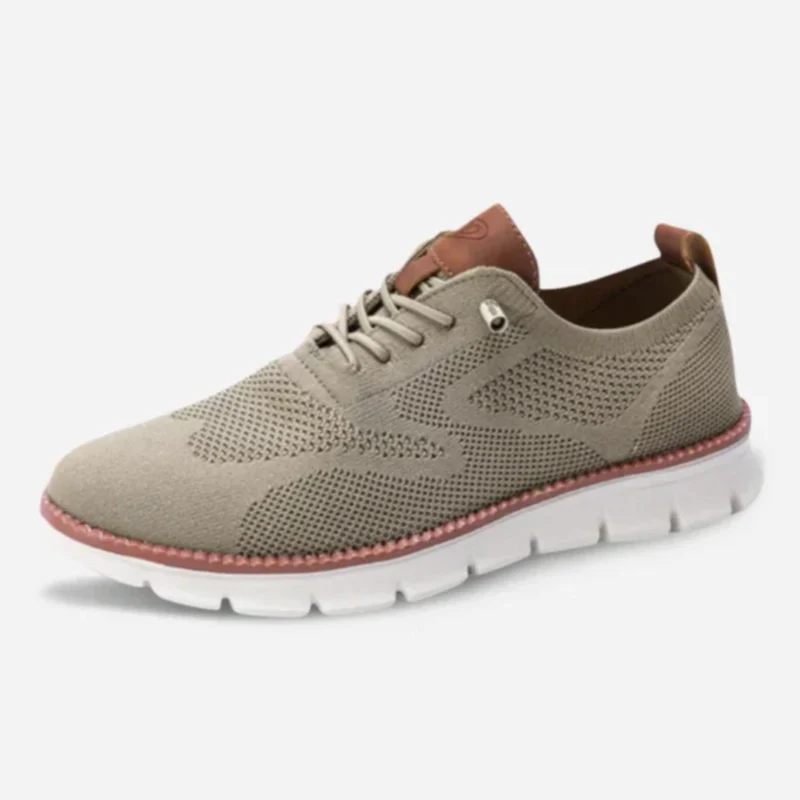
Every step you take matters—whether you’re exploring city streets, powering through your daily routine, or simply refusing to let foot discomfort slow you down. The CloudWalk – Ultra Comfortable Walking Shoes wraps your feet in therapeutic cushioning that turns pavement into clouds, so you can go farther, stay longer, and feel better doing it.
Biomechanical factors play a major role. Your feet contain 26 bones, 33 joints, and over 100 muscles and tendons. Poor shoe design disrupts natural foot movement. This creates pressure points, friction, and pain.
Common discomfort sources include:
- Tight toe boxes that compress toes
- Inadequate cushioning that fails to absorb impact
- Poor heel counters that allow excessive movement
- Insufficient arch support that strains ligaments
- Stiff materials that prevent natural flex
- Wrong shoe size that creates rubbing
The Evolution of Shoe Comfort Technology
Shoe comfort has evolved significantly over centuries. Ancient civilizations wore simple leather wraps. These provided minimal protection but allowed natural foot movement.
The 1970s brought EVA foam technology. Ethylene-vinyl acetate revolutionized cushioning. This lightweight material absorbed shock better than previous options.
The 1980s introduced air cushioning systems. Brands developed pressurized air units in midsoles. These provided superior impact protection.
Modern shoes use advanced materials:
- Memory foam that molds to foot shape
- Gel inserts that distribute pressure
- Carbon fiber plates for energy return
- Breathable mesh for temperature control
- Antimicrobial linings that reduce odor
Immediate Solutions for Existing Shoes
Break-In Methods
New shoes need a break-in period. The materials must soften and adapt to your feet.
Gradual wear works best. Wear new shoes for 30 minutes daily. Increase time by 15-minute increments. Continue for two weeks.
Heat application softens materials. Wear thick socks. Use a hairdryer on tight areas for 30 seconds. Flex the shoe while warm. The material becomes more pliable.
Shoe stretchers expand specific areas. Insert the stretcher overnight. Adjust the tension gradually. This method works well for leather shoes.
Adding Insoles and Inserts
Aftermarket insoles transform shoe comfort. They provide targeted support and cushioning.
| Insert Type | Primary Benefit | Best For |
|---|---|---|
| Gel inserts | Pressure relief | Ball of foot pain |
| Memory foam | Custom molding | General comfort |
| Arch supports | Structural support | Flat feet, plantar fasciitis |
| Heel cups | Shock absorption | Heel pain |
| Metatarsal pads | Weight distribution | Morton’s neuroma |
Full-length insoles replace factory footbeds. Remove the original insole first. Insert the new one and ensure proper fit. Quality insoles cost $20-60 but dramatically improve comfort.
Targeted inserts address specific problems. Place gel pads under the ball of your foot. Add heel grips to prevent slipping. Use tongue pads to reduce pressure on the top of your foot.
Adjusting Laces and Closures
Lacing technique affects comfort significantly. Different patterns solve different problems.
Heel lock lacing prevents heel slippage. Create a loop at the top eyelet on each side. Cross laces through opposite loops. Pull tight before tying. This secures your heel without crushing your forefoot.
Gap lacing relieves top-of-foot pressure. Skip eyelets over the painful area. This creates a loose section while maintaining overall support.
Wide feet benefit from parallel lacing. Thread laces straight across rather than diagonally. This distributes pressure more evenly.
Modifying Shoe Materials
Softening Stiff Leather
Leather conditioner penetrates fibers and increases flexibility. Apply a quality leather conditioner to stiff areas. Massage it into the material. Let it absorb overnight.
Rubbing alcohol speeds softening. Mix equal parts alcohol and water. Apply to tight spots with a cotton ball. Wear the shoes immediately while damp. The leather molds to your foot shape as it dries.
Professional stretching services handle severe cases. Cobblers use specialized equipment and stretching compounds. This service costs $15-30 per pair.
Making Soles More Flexible
Rigid soles cause foot fatigue. They prevent natural bending motion.
Roll exercises improve flexibility. Grip the toe and heel. Bend the shoe back and forth repeatedly. Perform 50 repetitions daily for one week.
Sole grooving adds flex points. A cobbler can cut shallow grooves across the forefoot area. These grooves allow the sole to bend more naturally.
Addressing Specific Pain Points
Heel Pain Solutions
Heel pain often stems from inadequate cushioning or poor stability.
Add heel lifts for Achilles tendon relief. These reduce strain by changing ankle angle. Start with a 1/4-inch lift. Increase gradually if needed.
Heel cups cradle your heel and absorb impact. They work especially well for plantar fasciitis. Choose cups made from gel or dense foam.
Replace worn heel counters. The counter is the stiff material around your heel. When it breaks down, stability decreases. A cobbler can reinforce or replace damaged counters.
Toe Box Modifications
Cramped toes cause numbness, blisters, and pain.
Toe box stretchers create more room. Insert the stretcher and turn the handle to apply pressure. Leave overnight. Repeat until adequate space exists.
Bunion protectors cushion the big toe joint. These gel sleeves reduce friction and pressure. They fit inside most shoes.
Consider professional stretching for severe tightness. Cobblers can stretch leather and canvas shoes by a half size.
Ball-of-Foot Discomfort
This area bears significant pressure during walking and standing.
Metatarsal pads shift weight away from painful spots. Position the pad just behind the ball of your foot. This redistributes pressure to less sensitive areas.
Shock-absorbing insoles reduce impact. Look for insoles with extra cushioning in the forefoot region. Materials like Poron or Sorbothane work best.
Rocker-bottom modifications change weight distribution. A cobbler can add a slight curve to the sole. This reduces pressure on the ball of your foot.
Every step you take matters—whether you’re exploring city streets, powering through your daily routine, or simply refusing to let foot discomfort slow you down. The CloudWalk – Ultra Comfortable Walking Shoes wraps your feet in therapeutic cushioning that turns pavement into clouds, so you can go farther, stay longer, and feel better doing it.
Preventive Measures for Future Purchases
Proper Sizing Techniques
Most people wear the wrong shoe size. Feet change over time due to age, weight, and activity.
Measure both feet every time you buy shoes. Measure length and width. Use a Brannock device for accuracy. Buy shoes that fit your larger foot.
Timing matters. Shop for shoes in the afternoon or evening. Your feet swell during the day. Shoes that fit in the morning might feel tight later.
Allow proper toe space. You need 1/2 inch between your longest toe and the shoe end. Press your thumb against the toe box to check.
Material Selection
Different materials offer different comfort characteristics.
Leather provides durability and breathability. It molds to your foot over time. Full-grain leather offers the best quality.
Synthetic mesh delivers superior breathability. It dries quickly and weighs less than leather. However, it provides less structure.
Canvas offers flexibility and affordability. It works well for casual shoes. Canvas lacks water resistance and durability.
Construction Quality Indicators
Well-constructed shoes last longer and feel better.
Check stitch quality. Stitches should be even and tight. Loose or irregular stitching indicates poor quality.
Examine the insole attachment. Glued insoles fail quickly. Stitched or cemented insoles provide better durability.
Test sole flexibility. Bend the shoe at the ball area. It should flex easily at this natural break point. Shoes that bend in the middle lack proper structure.
Feel the heel counter firmness. Press on the back of the shoe. A quality counter resists compression. Soft counters provide inadequate support.
Maintenance for Sustained Comfort
Regular Cleaning
Dirt and debris break down materials faster. Clean shoes weekly.
Remove loose dirt with a soft brush. Mix mild soap with water. Scrub gently with a cloth. Air dry completely before wearing.
Deep cleaning extends shoe life. Remove insoles and laces. Clean these separately. Use appropriate cleaners for your shoe material.
Rotation Strategy
Wearing the same shoes daily reduces their lifespan.
Rotate between at least two pairs. This allows materials to recover between wears. Cushioning foam needs 24 hours to fully decompress.
Shoe trees maintain shape. Cedar trees also absorb moisture and odor. Insert trees immediately after removing shoes.
Timely Repairs
Small problems become major issues without attention.
Replace worn heel tips immediately. Worn heels change your gait. This causes discomfort throughout your feet and legs.
Resole shoes before the midsole becomes visible. Exposed midsoles lose cushioning rapidly.
Fix loose stitching promptly. Small separations expand quickly with continued wear.
Professional Interventions
When to Consult a Podiatrist
Some comfort issues require medical attention.
Persistent pain lasting more than two weeks needs evaluation. A podiatrist identifies underlying conditions.
Custom orthotics address structural problems. These medical devices correct biomechanical issues. They cost $200-800 but provide superior support.
Conditions requiring professional care:
- Bunions or hammertoes
- Plantar fasciitis
- Arthritis
- Diabetes-related foot problems
- Neuromas
Working with Cobblers
Skilled cobblers offer numerous comfort modifications.
Sole replacement transforms old shoes. New soles restore cushioning and support. This service costs $50-100.
Stretching services safely expand shoes. Professional equipment stretches without damaging materials.
Custom modifications include:
- Adding cushioning layers
- Reinforcing weak areas
- Adjusting heel height
- Creating custom insoles
- Repairing damaged components
Selecting the Right Shoes from the Start
The best comfort strategy starts with proper selection.
Identify your foot type. High arches need cushioning. Flat feet require stability. Neutral feet have more options.
Activity-specific shoes perform better. Running shoes differ from walking shoes. Work boots serve different purposes than dress shoes.
Try shoes with your intended socks. Thick socks change fit significantly.
Walk around the store for 10 minutes. Discomfort appearing immediately will only worsen with wear.
Check return policies. Many retailers allow returns within 30 days. This lets you test shoes in real conditions.
Invest in quality footwear. Expensive shoes often use better materials and construction. This translates to superior comfort and durability.
Conclusion
Comfortable shoes require attention to fit, materials, and maintenance. Start by understanding your foot structure and identifying specific discomfort sources. Modify existing shoes with insoles, stretching, and lacing adjustments. Choose future shoes carefully based on proper sizing and quality construction. Maintain shoes through regular cleaning and timely repairs.
Small changes create significant comfort improvements. Address problems early before they worsen. Invest in quality solutions rather than temporary fixes. Your feet carry you through life. They deserve shoes that support rather than hurt them.
Every step you take matters—whether you’re exploring city streets, powering through your daily routine, or simply refusing to let foot discomfort slow you down. The CloudWalk – Ultra Comfortable Walking Shoes wraps your feet in therapeutic cushioning that turns pavement into clouds, so you can go farther, stay longer, and feel better doing it.