
Blog
What Are the Most Comfortable Men’s Shoes?

Understanding Comfort in Men’s Footwear
Comfortable shoes protect your feet from pain and injury. The right pair supports your arches, cushions your steps, and prevents blisters. Men spend an average of 4-6 hours daily on their feet. Poor footwear choices lead to plantar fasciitis, back pain, and joint problems.
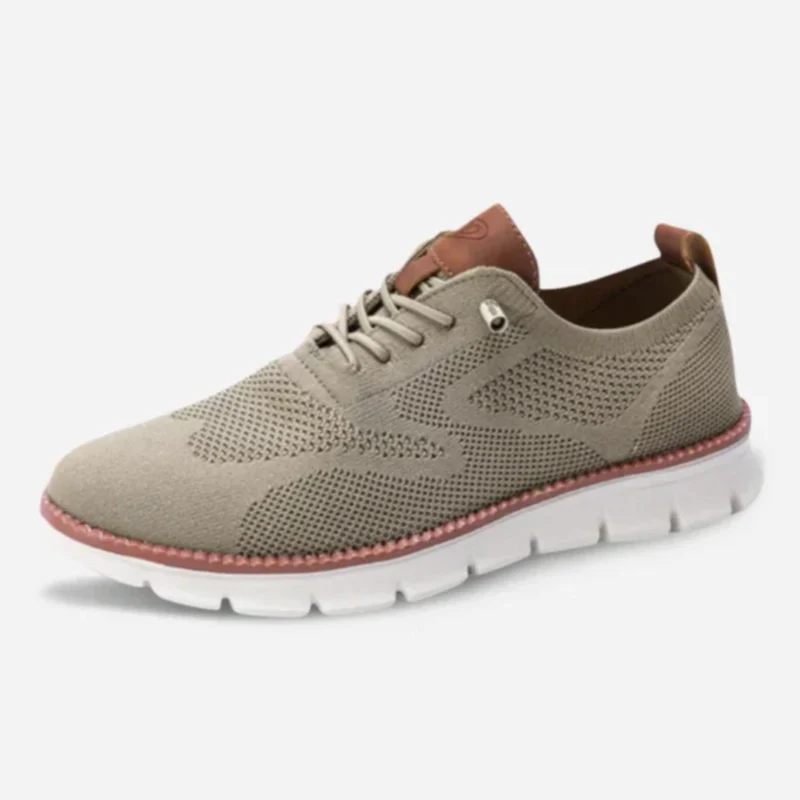
Every step you take matters—whether you’re exploring city streets, powering through your daily routine, or simply refusing to let foot discomfort slow you down. The CloudWalk – Ultra Comfortable Walking Shoes wraps your feet in therapeutic cushioning that turns pavement into clouds, so you can go farther, stay longer, and feel better doing it.
Cushioning absorbs impact during walking or running. Arch support maintains proper foot alignment. Breathability prevents moisture buildup and odor. Fit ensures your toes have adequate room without excessive sliding.
Modern comfort technology has evolved significantly since the 1970s. Nike introduced air cushioning in 1979. Adidas developed Boost foam in 2013. These innovations changed how manufacturers approach foot comfort.
Historical Evolution of Comfort Technology
The pursuit of comfortable footwear spans centuries. Ancient civilizations used leather and woven materials for basic protection. The industrial revolution brought standardized sizing in the 1850s.
Athletic shoe companies drove major comfort advancements in the 20th century. Bill Bowerman created the waffle sole for Nike in 1974 using his wife’s waffle iron. This design improved traction and cushioning simultaneously.
Memory foam entered the shoe market in the 1990s. Originally developed by NASA for aircraft seats, this material conforms to individual foot shapes. Brands like Skechers built entire product lines around memory foam technology.
Recent years have seen 3D-printed midsoles and smart materials that adapt to temperature. Companies now use gait analysis and pressure mapping to engineer footwear scientifically.
Key Components of Comfortable Men’s Shoes
Midsole Technology
The midsole determines cushioning quality. EVA foam (ethylene-vinyl acetate) offers lightweight shock absorption. This material costs less and works well for casual wear.
Polyurethane provides superior durability but weighs more than EVA. Many dress shoes use polyurethane for longevity.
Boost foam contains thousands of energy capsules that return impact force. This technology excels in athletic shoes and premium sneakers.
React foam combines durability with responsiveness. Nike developed this material to last longer than standard EVA while maintaining bounce.
Arch Support Systems
Proper arch support prevents foot fatigue and pain. Your foot has three arch types: flat, neutral, and high.
Flat feet need motion control and stability features. Look for firm midsoles and dual-density foam.
Neutral arches benefit from moderate support and standard cushioning. Most shoes accommodate neutral feet well.
High arches require extra cushioning because less surface area contacts the ground. Seek maximum shock absorption and flexibility.
Orthotic-friendly designs include removable insoles. You can replace stock insoles with custom orthotics for precise support.
Upper Materials
The upper fabric affects breathability and flexibility. Mesh uppers allow maximum airflow. Athletic shoes and summer footwear commonly use mesh construction.
Knit materials stretch to accommodate foot shape while providing support. Brands like Adidas and Nike use engineered knit for a sock-like fit.
Leather uppers offer durability and a polished appearance. Full-grain leather molds to your feet over time. Suede provides softness but requires more maintenance.
Synthetic materials resist water and clean easily. They often cost less than natural leather.
Outsole Design
The outsole contacts the ground and affects comfort through traction and flexibility. Rubber outsoles provide grip on various surfaces. Carbon rubber offers maximum durability for high-wear areas.
Blown rubber uses air injection for lighter weight and better cushioning. Running shoes often combine carbon rubber in the heel with blown rubber in the forefoot.
Flexibility grooves allow natural foot movement. Deep flex grooves in the forefoot enable proper toe-off during walking.
Top Categories for Comfortable Men’s Shoes
Athletic Sneakers
Athletic sneakers lead the comfort market. Running shoes feature maximum cushioning and support technologies. Cross-training shoes balance stability with flexibility.
Running shoes prioritize forward motion. They include heel cushioning, arch support, and lightweight construction. Popular models include Brooks Ghost, ASICS Gel-Kayano, and New Balance Fresh Foam.
Walking shoes emphasize all-day comfort over performance. They feature roomier toe boxes and moderate cushioning. Stability matters more than speed.
Court shoes for basketball or tennis provide lateral support. Ankle collars and reinforced sides prevent rolling during quick direction changes.
Casual Sneakers
Casual sneakers blend style with comfort. These shoes work for daily wear without athletic performance demands.
Retro designs like Adidas Stan Smith and Nike Air Max combine classic aesthetics with modern cushioning. They transition easily from casual outings to light activity.
Minimalist sneakers offer clean designs with adequate comfort. Brands focus on premium materials and subtle details rather than obvious technology.
Work Shoes and Boots
Professional settings require dress codes while workers still need comfort. Modern work shoes incorporate hidden comfort features.
Dress shoes now include memory foam insoles and flexible construction. Cole Haan pioneered athletic-inspired dress shoes with their Grand.OS technology.
Work boots for construction or outdoor jobs must protect feet while preventing fatigue. Composite toe caps weigh less than steel. Oil-resistant outsoles prevent slips.
Loafers and Slip-Ons
Slip-on designs provide convenience without laces. Quality loafers include structured heel counters for stability.
Driving moccasins feature rubber nubs on the sole for pedal grip. Soft leather uppers mold to feet quickly.
Boat shoes use non-marking rubber soles and water-resistant leather. Hand-sewn construction allows flexibility.
Sandals and Slides
Open footwear allows maximum breathability. Comfortable sandals need contoured footbeds and adjustable straps.
Sport sandals like Teva and Chaco use thick midsoles and multiple adjustment points. They handle water and rough terrain.
Recovery slides help feet rest after workouts. Brands like OOFOS use impact-absorbing foam that reduces stress on joints.
Every step you take matters—whether you’re exploring city streets, powering through your daily routine, or simply refusing to let foot discomfort slow you down. The CloudWalk – Ultra Comfortable Walking Shoes wraps your feet in therapeutic cushioning that turns pavement into clouds, so you can go farther, stay longer, and feel better doing it.
Comparison of Popular Comfort Technologies
| Technology | Brand | Material | Primary Benefit | Best Use Case | Durability Rating |
|---|---|---|---|---|---|
| Air Cushioning | Nike | Pressurized gas | Impact protection | Running, basketball | High |
| Boost | Adidas | TPU pellets | Energy return | Running, training | Very High |
| Fresh Foam | New Balance | EVA blend | Soft cushioning | Daily wear, walking | Medium |
| CloudTec | On Running | Hollow pods | Responsive cushioning | Running | Medium-High |
| React | Nike | Synthetic foam | Durability + bounce | Multi-sport | High |
| FuelCell | New Balance | TPU compound | Speed response | Racing, training | Medium |
Sizing and Fit Considerations
Proper sizing prevents discomfort and injury. Measure both feet because sizes often differ slightly. Always fit shoes to your larger foot.
Length should allow a thumb’s width between your longest toe and the shoe’s end. Toes need space to spread during walking.
Width matters as much as length. Standard widths include narrow (B), medium (D), wide (2E), and extra-wide (4E). Many brands offer multiple width options.
Measure feet in the afternoon or evening. Feet swell throughout the day from activity and gravity. Shoes that fit perfectly in the morning may feel tight by evening.
Wear the socks you plan to use with the shoes during fitting. Thick athletic socks require more room than thin dress socks.
Walk around the store for several minutes. Pay attention to heel slippage, pinching, or pressure points. Comfortable shoes feel good immediately without requiring a break-in period.
Materials and Breathability
Hot, sweaty feet become uncomfortable quickly. Moisture causes blisters, odor, and fungal infections.
Mesh panels in strategic locations allow air circulation. Most running shoes place mesh on the tongue and sides.
Perforations in leather uppers create ventilation while maintaining structure. Dress shoes and casual leather sneakers use this technique.
Moisture-wicking linings pull sweat away from skin. Many athletic shoes include these technical fabrics.
Antimicrobial treatments prevent odor-causing bacteria. Look for products treated with silver ions or similar technologies.
Remove insoles after wearing to let them dry completely. Rotate between multiple pairs of shoes to extend their life and maintain freshness.
Special Considerations for Different Activities
Standing Jobs
Professions requiring extended standing demand specific features. Healthcare workers, retail employees, and food service staff need maximum support.
Rocker soles reduce ankle and calf strain by promoting natural rolling motion. Brands like Dansko and Sanita specialize in occupational footwear.
Shock absorption prevents joint fatigue. Look for thick, resilient midsoles that don’t compress permanently after hours of standing.
Replace work shoes every 6-8 months with daily use. Worn cushioning loses effectiveness and increases injury risk.
Travel
Comfortable travel shoes must function in multiple scenarios. Airport security, long flights, and city exploration require versatility.
Slip-on designs speed through security checkpoints. Elastic laces or zippered sides provide convenience without sacrificing fit.
Packability matters for luggage space. Choose shoes that compress or nest together. Avoid bulky designs.
Versatile styling lets you wear one pair for various activities. Neutral colors work with multiple outfits.
Casual Daily Wear
Everyday shoes should feel invisible. You shouldn’t think about your feet during normal activities.
Lightweight construction reduces fatigue. Modern materials create durable shoes that weigh under 10 ounces per shoe.
Easy maintenance saves time. Machine-washable uppers or simple wipe-clean surfaces suit busy lifestyles.
Maintenance for Long-Term Comfort
Proper care extends shoe life and maintains comfort features.
Clean regularly to remove dirt and debris. Use appropriate cleaners for each material type. Leather needs conditioning to stay supple.
Dry properly after wet conditions. Remove insoles and stuff shoes with newspaper. Never place shoes directly on heat sources like radiators.
Rotate pairs to allow complete drying between wears. Alternating shoes prevents premature compression of cushioning materials.
Replace insoles every 3-4 months with heavy use. Fresh insoles restore cushioning and arch support.
Monitor wear patterns on outsoles. Uneven wear indicates gait issues or worn-out cushioning. Replace shoes showing significant sole wear.
Store correctly in a cool, dry place. Avoid leaving shoes in hot cars or direct sunlight. Heat degrades adhesives and foam materials.
How to Select Your Most Comfortable Shoes
Follow this systematic approach to find your perfect pair:
- Identify your primary use case. Athletic activity, work requirements, or casual wear each demand different features.
- Determine your foot type. Visit a specialty shoe store for gait analysis. Know your arch height and pronation pattern.
- Set a realistic budget. Quality comfort shoes typically cost $80-$200. Investing more upfront prevents pain and replacement costs.
- Research specific models. Read reviews from people with similar foot types and uses. Pay attention to sizing consistency comments.
- Try multiple brands. Each company uses different lasts (foot-shaped molds). One brand’s size 10 may fit differently than another’s.
- Test thoroughly. Walk on various surfaces in the store. Climb stairs if possible. Spend at least 10 minutes wearing each candidate pair.
- Check return policies. Many retailers allow worn shoe returns within 30 days. This lets you test shoes in real conditions.
- Break in gradually. Even comfortable shoes need adaptation time. Wear new shoes for short periods initially. Increase duration as your feet adjust.
Comfortable men’s shoes combine science and personal preference. The technologies and features described here provide a foundation for informed decisions. Your feet are unique, so take time to find shoes that support your specific needs. Proper footwear improves your quality of life by keeping you active and pain-free.
Every step you take matters—whether you’re exploring city streets, powering through your daily routine, or simply refusing to let foot discomfort slow you down. The CloudWalk – Ultra Comfortable Walking Shoes wraps your feet in therapeutic cushioning that turns pavement into clouds, so you can go farther, stay longer, and feel better doing it.