
Blog
Are Platform Shoes Comfortable?

Understanding Platform Shoe Comfort
Platform shoes divide opinion. Some people swear by them. Others avoid them completely. The truth sits somewhere in the middle. Platform shoes can be comfortable, but several factors determine your experience.
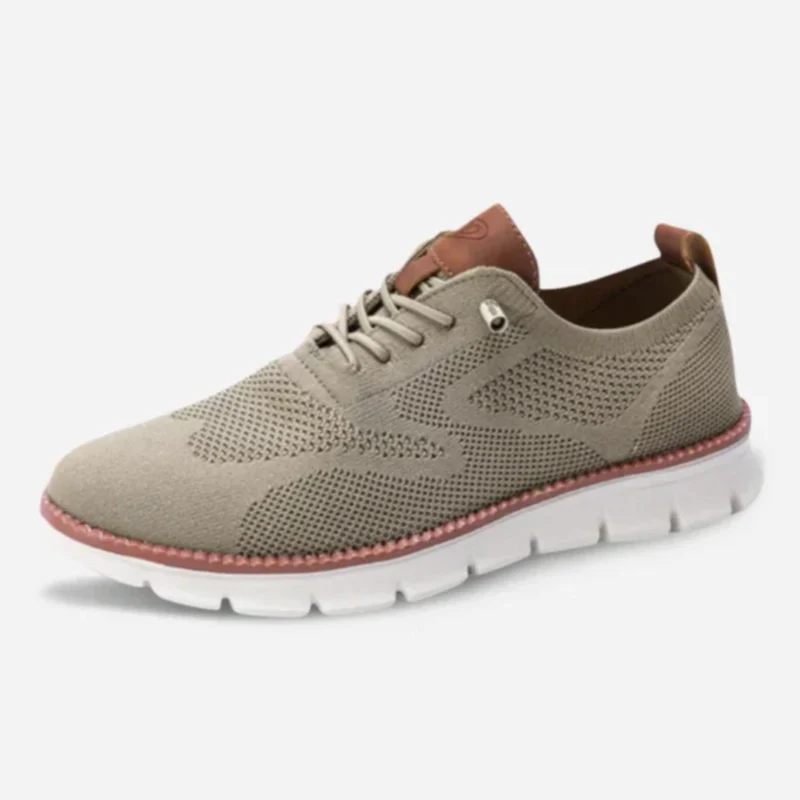
Every step you take matters—whether you’re exploring city streets, powering through your daily routine, or simply refusing to let foot discomfort slow you down. The CloudWalk – Ultra Comfortable Walking Shoes wraps your feet in therapeutic cushioning that turns pavement into clouds, so you can go farther, stay longer, and feel better doing it.
The comfort level depends on design, materials, heel height differential, and how you use them. A well-made platform distributes weight differently than standard heels. This distribution can reduce pressure on your forefoot. Poor construction creates the opposite effect.
The History of Platform Shoes
Platform footwear dates back to ancient Greece. Actors wore kothornos (platform shoes) to increase their height on stage. The elevated soles helped audiences distinguish important characters from minor ones.
During the 1970s, platforms exploded in popularity. Disco culture embraced towering shoes. Men and women wore platforms with flared pants. Heights reached extreme levels, sometimes exceeding five inches.
The 1990s brought platforms back through the Spice Girls and grunge fashion. Chunky platforms became a statement piece. Buffalo boots and sneakers dominated youth culture.
Today’s platforms blend retro aesthetics with modern comfort technology. Manufacturers use advanced materials. They study biomechanics. The result is shoes that look bold but feel manageable.
How Platform Shoes Differ from Regular Heels
Standard heels elevate only your heel. Your foot angles downward. This creates a steep slope from heel to toe. The angle forces your weight onto the ball of your foot.
Platform shoes elevate both the heel and forefoot. The slope becomes gentler. A two-inch heel with a one-inch platform creates only a one-inch pitch. This reduced angle changes everything.
The pitch angle directly affects comfort. A smaller angle means:
- Less pressure on your forefoot
- Better weight distribution
- Reduced strain on your calf muscles
- Improved balance and stability
Key Comfort Factors in Platform Shoes
Platform Height and Heel Differential
The heel differential matters more than total height. This measurement represents the difference between heel height and platform height.
A shoe with a four-inch heel and two-inch platform has a two-inch differential. Compare this to a standard four-inch heel with zero platform. The platform version creates half the foot angle.
Optimal differentials for comfort:
- 0-1 inch: Maximum comfort, minimal strain
- 1-2 inches: Good balance of height and wearability
- 2-3 inches: Moderate comfort, requires adjustment
- 3+ inches: Challenging for extended wear
Material Quality
Sole materials determine flexibility and shock absorption. Common options include:
- EVA foam: Lightweight, cushioned, flexible
- Rubber: Durable, good traction, heavier
- Cork: Natural, breathable, molds to your foot
- Wood: Rigid, traditional, minimal give
- Polyurethane: Dense, supportive, long-lasting
Upper materials affect fit and breathability. Leather molds to your foot shape over time. Synthetic materials offer consistency but less adaptation. Canvas provides breathability but limited support.
Arch Support and Footbed Design
Your arch needs support in any shoe. Platform shoes without arch support cause fatigue. Your foot flattens inside the shoe. This creates strain on your plantar fascia.
Quality platforms include:
- Contoured footbeds
- Built-in arch support
- Cushioned insoles
- Anatomical shaping
Some platforms accept custom orthotics. This feature helps people with specific foot conditions.
Weight Distribution
A heavy platform creates fatigue. Each step requires lifting extra weight. Light materials reduce this burden.
Weight comparison by material:
| Material | Weight (per shoe) | Comfort Rating |
|---|---|---|
| EVA foam | 8-12 oz | Excellent |
| Cork | 10-14 oz | Very Good |
| Rubber | 12-18 oz | Good |
| Wood | 14-20 oz | Fair |
Balance matters too. Front-heavy platforms pull your foot forward. Heel-heavy designs feel unstable. Centered weight distribution provides the best experience.
Benefits of Well-Designed Platform Shoes
Reduced Forefoot Pressure
Traditional heels concentrate 75% of your body weight on the ball of your foot. Platform shoes reduce this to 50-60%. The platform absorbs pressure that would otherwise crush your metatarsal bones.
This redistribution prevents:
- Morton’s neuroma
- Metatarsalgia
- Sesamoiditis
- General foot pain
Increased Stability
A wider base creates stability. Platform shoes offer more surface area than stilettos. Your foot sits on a stable foundation instead of a narrow spike.
This stability helps with:
- Balance on uneven surfaces
- Confidence while walking
- Reduced ankle rolling risk
- Better posture maintenance
Height Without Extreme Angles
You gain height without forcing your foot into an extreme position. A three-inch platform with a four-inch heel gives you four inches of height. Your foot only experiences a one-inch pitch angle.
This compromise appeals to people who want elevation without pain.
Aesthetic Versatility
Modern platforms come in countless styles:
- Sneakers with platform soles
- Sandals with cork bases
- Boots with chunky rubber platforms
- Formal shoes with hidden lifts
- Athletic shoes with exaggerated midsoles
Each style serves different occasions. You can find platform shoes for casual wear, professional settings, or formal events.
Every step you take matters—whether you’re exploring city streets, powering through your daily routine, or simply refusing to let foot discomfort slow you down. The CloudWalk – Ultra Comfortable Walking Shoes wraps your feet in therapeutic cushioning that turns pavement into clouds, so you can go farther, stay longer, and feel better doing it.
Common Discomfort Issues and Solutions
Break-In Period
New platform shoes need adjustment time. Stiff materials require breaking in. Your feet need to adapt to the elevation change.
Break-in strategies:
- Wear shoes for 30-minute intervals at home
- Use thick socks to stretch tight areas
- Apply leather conditioner to soften materials
- Walk on carpet before trying hard surfaces
- Gradually increase wearing time
Toe Box Cramping
A narrow toe box crushes your toes together. This creates bunions, hammertoes, and general discomfort.
Solution: Choose platforms with roomy toe boxes. Your toes should wiggle freely. Check the width rating. Measure your feet properly.
Ankle Instability
High platforms shift your center of gravity. This creates ankle wobble, especially on unstable surfaces.
Solution: Select platforms with ankle support. Boots offer more stability than sandals. Straps help secure your foot. Platform sneakers provide maximum ankle protection.
Heavy Shoe Fatigue
Heavy platforms tire your legs quickly. Lifting extra weight with each step drains energy.
Solution: Prioritize lightweight materials. EVA foam platforms weigh significantly less than wood. Test the shoe’s weight before purchasing. If it feels heavy in the store, it will feel heavier after hours of wear.
Choosing Comfortable Platform Shoes: Step-by-Step
Step 1: Determine Your Heel Differential Tolerance
Start with a low differential if you’re new to platforms. Try a one-inch difference first. Gradually increase as your feet adapt.
Step 2: Measure Your Feet Properly
Foot size changes throughout the day. Measure in the afternoon when feet are slightly swollen. This ensures accurate sizing.
Use both length and width measurements. Many brands offer multiple width options.
Step 3: Check Material Quality
Examine sole construction. Press the platform. It should compress slightly but spring back. Completely rigid platforms lack shock absorption. Overly soft platforms collapse under weight.
Inspect upper materials. Genuine leather shows natural grain patterns. Quality synthetic materials have even texture and solid stitching.
Step 4: Test the Fit
Walk around the store for at least ten minutes. Pay attention to:
- Heel slippage (minimal is acceptable, excessive is not)
- Toe box space (half-inch clearance from longest toe)
- Arch support contact (should touch without gaps)
- Pressure points (none should exist)
Step 5: Consider Your Use Case
Different activities require different features:
For standing all day: Maximum cushioning, low differential, supportive footbed
For walking: Flexible sole, moderate weight, good traction
For occasional wear: Aesthetic priority, acceptable comfort trade-offs
For dancing: Secure fit, balanced weight, padded insole
Maintenance Tips for Long-Term Comfort
Regular Cleaning
Dirt and debris break down materials faster. Clean platforms after each wear:
- Remove loose dirt with a soft brush
- Wipe surfaces with appropriate cleaner
- Air dry completely before storage
- Apply protective treatments as needed
Insole Replacement
Footbeds compress over time. Replace insoles every 6-12 months. Custom orthotics last longer but still need periodic replacement.
Fresh insoles restore cushioning. They improve arch support. This maintenance extends shoe comfort significantly.
Sole Protection
Platform soles wear down through friction. Add protective rubber taps to high-wear areas. This prevents material degradation. It maintains the platform’s structural integrity.
Proper Storage
Store platforms in a cool, dry place. Avoid direct sunlight, which degrades materials. Use shoe trees to maintain shape. This prevents creasing that creates pressure points.
Platform Shoes vs. Other Elevated Footwear
| Feature | Platform Shoes | Standard Heels | Wedges |
|---|---|---|---|
| Forefoot Pressure | Low-Moderate | High | Low |
| Stability | High | Low | Moderate-High |
| Flexibility | Variable | High | Low |
| Weight | Moderate-High | Low | Moderate |
| Arch Support | Often Included | Rarely Included | Sometimes Included |
Each style serves different needs. Platforms offer the best compromise between height and comfort for most people.
Who Benefits Most from Platform Shoes
People with Foot Conditions
Bunions, hammertoes, and neuromas benefit from reduced forefoot pressure. The platform lifts your forefoot off the ground. This removes pressure from painful areas.
Individuals Seeking Height
Platforms provide elevation without extreme foot angles. You gain confidence from added height. Your feet experience minimal strain.
Fashion-Forward Dressers
Platform shoes make bold statements. They serve as conversation pieces. You express personal style while maintaining reasonable comfort.
Professionals Needing All-Day Wear
Some careers require elevated footwear. Platform pumps offer professional appearance with better comfort than standard heels.
Final Verdict on Platform Shoe Comfort
Platform shoes can be comfortable when designed properly. The key lies in choosing shoes with appropriate heel differentials, quality materials, and supportive construction.
Your comfort depends on:
- Selecting the right differential for your experience level
- Choosing lightweight, cushioned materials
- Ensuring proper fit with adequate toe space
- Breaking in shoes gradually
- Maintaining shoes properly
Well-made platforms actually provide advantages over standard heels. They reduce forefoot pressure, increase stability, and allow height without extreme foot angles.
Poor-quality platforms create problems. Heavy materials cause fatigue. Inadequate support leads to pain. Improper fit results in blisters and pressure points.
Test shoes thoroughly before committing. Walk around stores. Pay attention to your body’s signals. Start with conservative styles. Build up to more dramatic platforms as your feet adapt.
Platform shoes represent a viable option for people who want elevation without sacrificing all comfort. They require careful selection and proper use. With the right pair, you can enjoy both style and wearability.
Every step you take matters—whether you’re exploring city streets, powering through your daily routine, or simply refusing to let foot discomfort slow you down. The CloudWalk – Ultra Comfortable Walking Shoes wraps your feet in therapeutic cushioning that turns pavement into clouds, so you can go farther, stay longer, and feel better doing it.