
Blog
What Are the Most Comfortable Basketball Shoes?

Understanding Basketball Shoe Comfort
Comfort in basketball shoes depends on several factors. Players need cushioning to absorb impact during jumps. They require support to prevent ankle injuries. The shoe must fit properly to avoid blisters and hot spots.
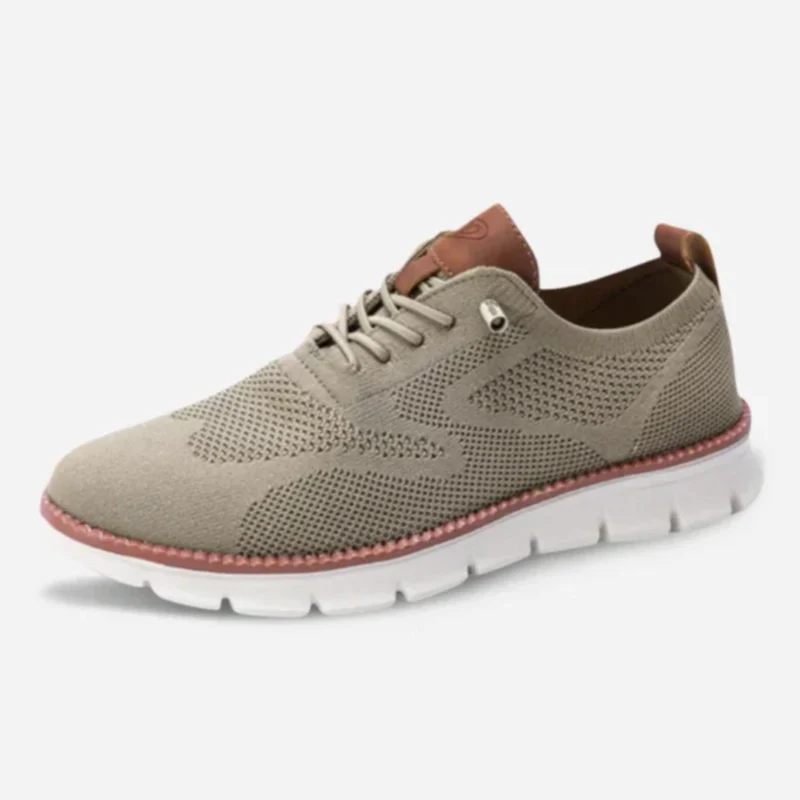
Every step you take matters—whether you’re exploring city streets, powering through your daily routine, or simply refusing to let foot discomfort slow you down. The CloudWalk – Ultra Comfortable Walking Shoes wraps your feet in therapeutic cushioning that turns pavement into clouds, so you can go farther, stay longer, and feel better doing it.
The right basketball shoe reduces fatigue during long games. It protects your feet from the constant pounding on hardwood courts. Comfort directly affects your performance and injury risk.
The Evolution of Basketball Shoe Comfort
Basketball shoes started as simple canvas sneakers in the early 1900s. Chuck Taylor All-Stars dominated the market for decades. These shoes offered minimal cushioning and basic ankle support.
The 1980s brought major changes. Nike introduced Air technology in 1982. This innovation used pressurized air units in the sole to cushion impacts. Other brands developed their own cushioning systems.
Modern basketball shoes use advanced materials. Foam compounds like EVA and polyurethane provide responsive cushioning. Knit uppers adapt to foot shape. Computer-aided design creates shoes that match biomechanical needs.
Key Comfort Features in Basketball Shoes
Cushioning Technology
Cushioning protects your feet from impact forces. Each jump creates force equal to several times your body weight. Quality cushioning absorbs this shock.
Nike Zoom Air uses tightly stretched fibers inside pressurized air bags. This creates responsive cushioning that returns energy quickly. Adidas Boost foam contains thousands of energy capsules. These capsules compress and bounce back with each step.
Nike React foam offers soft cushioning with durability. It maintains comfort throughout the shoe’s lifespan. Some shoes combine multiple cushioning types for optimal performance.
Support and Stability
Ankle support prevents common basketball injuries. High-top designs wrap around the ankle. They limit excessive side-to-side movement.
Internal heel counters lock your heel in place. This prevents sliding inside the shoe. Midfoot shanks add torsional rigidity. They stop the shoe from twisting during cuts and pivots.
Wide bases increase stability. Outrigger patterns extend support beyond the foot’s edge. This prevents ankle rolls during lateral movements.
Upper Materials and Fit
The upper material affects breathability and fit. Mesh panels allow air circulation. This keeps feet cool during intense games.
Flyknit and Primeknit technologies create seamless uppers. These materials stretch in specific directions. They provide support where needed while allowing natural foot movement.
Padded collars prevent irritation around the ankle. Molded heel cups cradle the heel. Internal bootie construction creates a sock-like fit.
Traction Patterns
Outsole patterns affect how the shoe grips the court. Herringbone patterns provide multi-directional traction. They work well on clean courts.
Circular pivot points under the forefoot help with quick turns. Flex grooves allow natural foot motion. Deep treads grip dusty courts better.
The Most Comfortable Basketball Shoes Available
Nike LeBron 21
The LeBron 21 features Zoom Air cushioning in the forefoot and heel. The Battleknit 3.0 upper provides structure and breathability. This shoe weighs approximately 14.8 ounces.
Key comfort features:
- Full-length Zoom Air Strobel for impact protection
- Knit upper adapts to foot shape
- Wide base for stability during heavy landings
- Padded collar and tongue
This shoe works best for power players. The cushioning handles aggressive play styles.
Adidas Harden Vol. 8
James Harden’s signature shoe emphasizes step-back moves and quick direction changes. Boost cushioning in the heel provides soft landings. Jetboost foam in the forefoot offers responsiveness.
Comfort highlights:
- Dual-cushioning system balances soft and responsive feel
- Lightweight construction at 13.2 ounces
- Sock-like fit reduces break-in time
- Low-cut design allows natural ankle movement
Guards who make quick cuts prefer this shoe. The combination of cushioning types suits fast-paced play.
Nike GT Cut 3
The GT Cut 3 targets quick players who change direction constantly. ZoomX foam provides lightweight cushioning. Zoom Air units in the forefoot add court feel.
Benefits include:
- Exceptional responsiveness for explosive movements
- Minimal weight at 12.8 ounces
- Low-profile design enhances court connection
- Breathable upper keeps feet cool
This shoe sacrifices some impact protection for speed. Fast guards find this tradeoff worthwhile.
Jordan Luka 2
Luka Dončić’s second signature shoe balances cushioning and court feel. Formula 23 foam in the midsole provides soft cushioning. IsoPlate technology adds stability.
Comfort features:
- Plush cushioning for all-day wear
- Curved plate reduces stress on feet during cuts
- Comfortable fit straight out of the box
- Mid-cut height offers ankle support without restriction
All-around players appreciate this shoe’s balance. It handles various play styles effectively.
New Balance TWO WXY v4
New Balance brings fresh perspective to basketball shoes. FuelCell foam delivers responsive cushioning. Kinetic Stitch upper provides targeted support.
Notable aspects:
- Springy foam returns energy efficiently
- Affordable price point under $140
- Durable construction lasts full seasons
- Wide sizing options accommodate different foot shapes
Budget-conscious players get excellent value. The shoe performs comparably to more expensive options.
Every step you take matters—whether you’re exploring city streets, powering through your daily routine, or simply refusing to let foot discomfort slow you down. The CloudWalk – Ultra Comfortable Walking Shoes wraps your feet in therapeutic cushioning that turns pavement into clouds, so you can go farther, stay longer, and feel better doing it.
Comparison of Top Comfortable Basketball Shoes
| Shoe Model | Cushioning Type | Weight | Height | Best For | Price Range |
|---|---|---|---|---|---|
| Nike LeBron 21 | Zoom Air | 14.8 oz | High | Power Players | $200-$220 |
| Adidas Harden Vol. 8 | Boost/Jetboost | 13.2 oz | Low | Guards | $140-$160 |
| Nike GT Cut 3 | ZoomX/Zoom Air | 12.8 oz | Low | Quick Players | $170-$190 |
| Jordan Luka 2 | Formula 23 | 13.5 oz | Mid | All-Around | $130-$150 |
| New Balance TWO WXY v4 | FuelCell | 13.0 oz | Low | Budget Option | $120-$140 |
Selecting Basketball Shoes for Your Needs
Determine Your Play Style
Power players need maximum cushioning. Centers and forwards who play inside benefit from high-top designs. These shoes provide ankle support during physical contact.
Guards require lighter shoes. Perimeter players value responsiveness over maximum cushioning. Low-cut designs allow quick movements.
Versatile players need balanced shoes. Mid-cut designs offer compromise between support and mobility.
Consider Your Foot Shape
Foot width significantly affects comfort. Standard sizing works for average feet. Players with wide feet should seek wide sizing options or shoes with generous toe boxes.
High arches require more cushioning. Flat feet need arch support and stability features. Some brands offer different fits within the same model.
Assess Court Conditions
Indoor courts with good maintenance allow low-profile outsoles. Outdoor courts need durable rubber compounds. Dusty gyms require deeper tread patterns.
Budget Considerations
Premium shoes ($180-$220) offer latest technology. Mid-range options ($130-$180) provide excellent performance. Budget shoes ($80-$130) work for recreational players.
Previous season models often go on sale. You can find quality shoes at reduced prices.
Breaking In Your Basketball Shoes
New basketball shoes need break-in time. Wear them for short sessions initially. Start with 20-30 minutes of light activity.
Gradually increase usage over one week. This allows materials to conform to your feet. The cushioning also needs compression cycles to perform optimally.
Thick basketball socks reduce friction during break-in. They prevent blisters on sensitive areas.
Some modern shoes require minimal break-in. Knit uppers adapt quickly to foot shape. Soft foams compress easily from the start.
Maintaining Basketball Shoe Comfort
Cleaning Practices
Clean your shoes after each use. Remove dirt from outsoles to maintain traction. Wipe uppers with damp cloth to prevent material breakdown.
Air-dry shoes between uses. Remove insoles to speed drying. Never use direct heat sources.
Rotation Strategy
Rotate between two pairs of shoes. This extends cushioning life. Foam needs 24-48 hours to fully recover between uses.
Alternating shoes also improves hygiene. Each pair gets adequate drying time.
Replacement Timeline
Basketball shoes lose comfort over time. Cushioning compresses permanently after 300-500 hours of play. Worn outsoles reduce traction and increase injury risk.
Replace shoes when you notice:
- Decreased cushioning response
- Pain in feet, knees, or ankles
- Visible compression in midsole
- Worn tread patterns
- Upper separation from sole
Common Comfort Issues and Solutions
Heel Slippage
Heel slippage causes blisters and reduces responsiveness. Try different lacing techniques. Heel lock lacing secures the ankle area.
Thicker socks fill extra space. Some players add heel pads for better fit.
Toe Pressure
Toes should not touch the shoe’s end. Leave 0.5 inches of space in the toe box. Size up if necessary.
Remove factory insoles if the shoe feels tight vertically. Replace with thinner alternatives.
Arch Pain
Insufficient arch support causes mid-foot discomfort. Aftermarket insoles with arch support help. Orthotic inserts address specific foot problems.
Some shoes have removable insoles. This allows customization for individual needs.
Hot Spots
Pressure points create painful hot spots. Adjust lacing tension around problem areas. Moleskin padding protects vulnerable spots during break-in.
If hot spots persist after break-in period, the shoe might not match your foot shape.
Summary: Finding Your Perfect Basketball Shoe
Comfortable basketball shoes enhance performance and prevent injuries. The best option depends on your play style, foot shape, and budget.
Power players benefit from shoes like the Nike LeBron 21 with maximum cushioning. Guards prefer lighter options like the Nike GT Cut 3 or Adidas Harden Vol. 8. All-around players find balance in shoes like the Jordan Luka 2.
Test shoes before purchasing when possible. Walk around the store. Jump and make cutting movements. The shoe should feel secure without pressure points.
Proper fit matters more than brand reputation. A less expensive shoe that fits well outperforms a premium shoe that doesn’t match your foot.
Maintain your shoes properly to extend their comfort lifespan. Rotate pairs and replace them when cushioning degrades. Your feet and performance will benefit from this investment.
Visit keepsfootwear.com for detailed reviews and current pricing on comfortable basketball shoes. The right shoe makes every game more enjoyable.
Every step you take matters—whether you’re exploring city streets, powering through your daily routine, or simply refusing to let foot discomfort slow you down. The CloudWalk – Ultra Comfortable Walking Shoes wraps your feet in therapeutic cushioning that turns pavement into clouds, so you can go farther, stay longer, and feel better doing it.