
Blog
What Are the Most Comfortable Work Shoes?

Understanding Comfort in Work Footwear
Comfortable work shoes protect your feet during long shifts. Your body carries stress from poor footwear. Workers who stand for 8-12 hours need shoes with specific features. Arch support, cushioning, and breathability determine comfort levels.
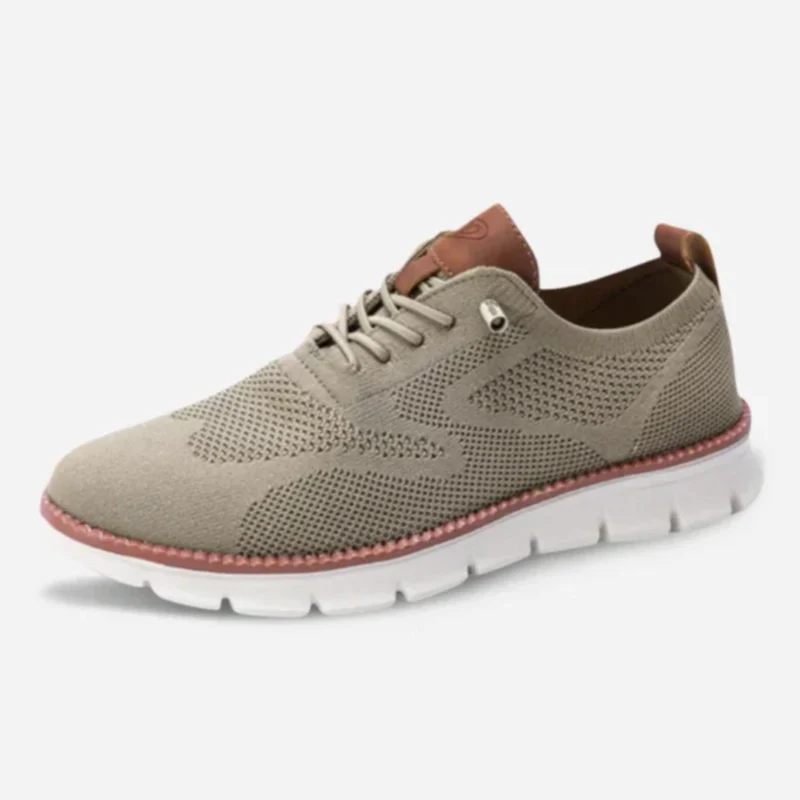
Every step you take matters—whether you’re exploring city streets, powering through your daily routine, or simply refusing to let foot discomfort slow you down. The CloudWalk – Ultra Comfortable Walking Shoes wraps your feet in therapeutic cushioning that turns pavement into clouds, so you can go farther, stay longer, and feel better doing it.
The footwear industry defines comfort through biomechanical principles. Your feet contain 26 bones, 33 joints, and over 100 muscles. Work shoes must support this complex structure. Poor shoes cause plantar fasciitis, lower back pain, and knee problems.
Modern work shoes evolved from basic protective gear. Early industrial workers wore stiff leather boots. These boots protected feet but caused fatigue. The 1960s brought foam cushioning technology. Companies began studying foot mechanics. Today’s work shoes combine safety standards with ergonomic design.
Key Features That Define Comfortable Work Shoes
Cushioning Systems
EVA foam provides lightweight shock absorption. This material compresses under pressure and returns to its original shape. Polyurethane offers denser cushioning. It lasts longer but weighs more than EVA.
Memory foam molds to your foot shape. This material responds to body heat. The foam creates a custom fit over time. High-quality memory foam maintains its shape for 6-12 months.
Gel inserts absorb impact in specific areas. Heel gel pads reduce stress on your Achilles tendon. Forefoot gel helps ball-of-foot pain. Some shoes combine gel with foam for maximum comfort.
Arch Support Technology
Your arches distribute body weight across your feet. Neutral arches need moderate support. High arches require extra cushioning. Flat feet need stability features.
Contoured footbeds match your arch shape. These insoles prevent overpronation. Overpronation occurs when your foot rolls inward excessively. This motion causes ankle and knee strain.
Shank reinforcement supports your midfoot. A shank is a rigid insert between the insole and outsole. Steel shanks provide maximum support. Composite shanks offer flexibility with stability.
Breathability and Material Selection
Mesh uppers allow air circulation. Your feet produce up to 8 ounces of sweat daily. Trapped moisture causes blisters and odor. Mesh panels prevent heat buildup.
Leather provides durability and molds to your feet. Full-grain leather resists water and abrasions. Split leather costs less but offers reduced protection. Treated leather adds water resistance.
Synthetic materials dry faster than leather. These materials weigh less and require minimal break-in time. Nylon and polyester blends resist stains. Some synthetics lack breathability compared to natural materials.
Weight Considerations
Heavy shoes increase leg fatigue. Each extra ounce requires additional energy. Workers take 5,000-10,000 steps per shift. Lighter shoes reduce cumulative stress.
Comfortable work shoes weigh 12-16 ounces per shoe. Safety features add weight. Steel-toe boots weigh 20-24 ounces. Composite toe caps reduce weight by 30% while meeting safety standards.
Top Categories of Comfortable Work Shoes
Athletic-Style Work Shoes
Athletic work shoes combine sneaker comfort with safety features. These shoes use running shoe technology. Slip-resistant outsoles meet workplace safety requirements. The design suits retail workers, healthcare staff, and warehouse employees.
Benefits include:
- Lightweight construction (10-14 ounces)
- High flexibility for constant movement
- Superior shock absorption
- Modern appearance
- Quick break-in period
Traditional Work Boots
Work boots provide ankle support and protection. 6-inch boots stabilize your ankles on uneven surfaces. 8-inch boots offer maximum support for construction and manufacturing jobs.
Key features include:
- Steel toe caps protect against impact and compression
- Puncture-resistant midsoles prevent sharp objects from penetrating
- Oil-resistant outsoles provide traction on slippery surfaces
- Durable leather construction lasts 12-24 months
- Higher cut prevents debris entry
Slip-On Work Shoes
Slip-on shoes save time during security checks. These shoes lack laces that can catch on equipment. Food service and hospitality workers prefer this style.
Advantages include:
- Easy on/off design
- No lace maintenance required
- Elastic side panels ensure secure fit
- Clean appearance meets dress codes
- Reduces trip hazards from loose laces
Clogs and Professional Shoes
Clogs dominate healthcare and culinary professions. The open-back design allows quick entry. Closed-toe clogs protect feet from spills. Contoured footbeds reduce standing fatigue.
Professional features include:
- Easy cleaning surfaces
- Antimicrobial treatments prevent odor
- Rocker bottoms promote natural gait
- Removable insoles accommodate orthotics
- Wide toe boxes prevent cramping
Comparison of Popular Work Shoe Types
| Shoe Type | Weight | Support Level | Break-In Time | Best For | Average Price |
|---|---|---|---|---|---|
| Athletic Work Shoe | Light (10-14 oz) | Medium | 0-3 days | Retail, Healthcare | $60-$120 |
| Traditional Boot | Heavy (20-24 oz) | High | 7-14 days | Construction, Manufacturing | $100-$200 |
| Slip-On | Medium (14-18 oz) | Medium | 3-7 days | Food Service, Hospitality | $50-$100 |
| Professional Clog | Light (12-16 oz) | Medium-High | 0-5 days | Healthcare, Culinary | $80-$150 |
| Composite Toe Boot | Medium (16-20 oz) | High | 5-10 days | General Industrial | $120-$180 |
Industry-Specific Recommendations
Healthcare Workers
Nurses and medical staff walk 4-5 miles per shift. Shoes must resist fluids and clean easily. Slip-resistant outsoles prevent falls on wet floors. White or neutral colors meet hospital dress codes.
Recommended features:
- Antimicrobial linings control bacteria
- Closed-toe design protects from spills
- Removable insoles for custom orthotics
- Wide toe boxes accommodate swelling
- Lightweight materials reduce fatigue
Every step you take matters—whether you’re exploring city streets, powering through your daily routine, or simply refusing to let foot discomfort slow you down. The CloudWalk – Ultra Comfortable Walking Shoes wraps your feet in therapeutic cushioning that turns pavement into clouds, so you can go farther, stay longer, and feel better doing it.
Food Service and Hospitality
Restaurant workers face greasy floors and long standing periods. Oil-resistant outsoles provide crucial traction. Shoes must withstand hot liquids and food acids.
Essential specifications:
- Non-marking soles protect floor finishes
- Water-resistant uppers repel spills
- Cushioned insoles for hard surfaces
- Easy-clean materials save time
- Black color hides stains
Retail and Customer Service
Retail employees need professional-looking comfortable shoes. Constant walking and standing require excellent arch support. Shoes must match store dress codes.
Priority features:
- Sleek design fits business casual attire
- Flexible outsoles allow natural movement
- Breathable materials prevent overheating
- Neutral colors match multiple outfits
- Moderate cushioning balances comfort and stability
Construction and Manufacturing
Construction workers need maximum protection and support. Uneven terrain requires ankle stability. Heavy lifting demands reinforced shanks.
Critical requirements:
- ASTM-rated safety toes meet impact standards
- Puncture-resistant plates protect from nails
- Electrical hazard protection prevents shocks
- Waterproof membranes keep feet dry
- Aggressive tread patterns provide traction
Warehouse and Logistics
Warehouse staff walk on concrete for entire shifts. Hard surfaces amplify impact stress. Packages may fall on feet.
Necessary features:
- Maximum cushioning systems
- Safety toe protection
- Lightweight design reduces fatigue
- Durable outsoles withstand abrasion
- Side support prevents ankle rolls
How to Select Your Perfect Work Shoes
Step 1: Measure Your Feet Correctly
Measure feet at the end of your workday. Your feet swell during activity. Stand while measuring for accurate sizing. Measure both feet separately. Use the larger measurement if feet differ in size.
Step 2: Identify Your Arch Type
Perform the wet foot test. Wet your foot and step on paper. Examine the footprint shape. A complete footprint indicates flat feet. A thin connection shows high arches. A moderate curve shows neutral arches.
Step 3: Consider Your Work Environment
List your job’s physical demands. Note the surface you walk on. Identify safety hazards. Check your employer’s footwear requirements. Some industries mandate specific safety ratings.
Step 4: Test Multiple Styles
Try shoes in the afternoon. Wear work socks during fitting. Walk around the store for 10-15 minutes. Check for pressure points. Toes should have 0.5 inches of space from the shoe end.
Step 5: Evaluate Flexibility
Bend the shoe at the ball of the foot. The shoe should flex easily. Shoes that bend in the arch lack proper support. Test the heel counter by squeezing it. A firm heel counter prevents excessive movement.
Step 6: Assess the Insole
Remove the insole if possible. Check the thickness and material. Thin insoles wear out quickly. Look for antimicrobial treatments. Determine if you can replace the insole with custom orthotics.
Maintenance Tips for Extended Comfort
Daily Care
Remove dirt and debris after each shift. Wipe shoes with a damp cloth. Allow shoes to air dry completely. Insert newspaper to absorb moisture. Rotate between two pairs to extend lifespan.
Weekly Maintenance
Clean insoles with mild soap and water. Check for worn areas on the outsole. Treat leather with conditioner. Replace laces if frayed. Inspect stitching for loose threads.
Monthly Inspection
Examine the midsole for compression. Check the heel counter for stability. Test the toe cap for looseness. Assess arch support effectiveness. Replace insoles every 3-6 months.
Replacement Schedule
Most work shoes last 6-12 months with daily use. Replace shoes when:
- Outsole tread depth reduces below 2mm
- Midsole cushioning no longer rebounds
- Upper materials crack or tear
- Persistent foot pain develops
- Visible structural damage appears
Signs You Need New Work Shoes
Your body signals when shoes fail. Foot pain at the end of shifts indicates insufficient support. Lower back pain often stems from worn-out cushioning. Blisters suggest poor fit or material breakdown.
Physical shoe indicators include:
- Uneven outsole wear patterns
- Compressed midsole foam
- Separated upper and sole
- Torn or cracked materials
- Lost water resistance
Investment Value of Quality Work Shoes
Quality work shoes cost $100-$200. This investment protects your health. Poor shoes lead to medical expenses and lost work time. Plantar fasciitis treatment costs $500-$2,000. Custom orthotics run $200-$800.
Calculate cost per wear. A $150 shoe lasting 12 months costs $0.41 per workday. A $50 shoe lasting 3 months costs $0.27 per workday but requires 4 replacements yearly. Total annual cost reaches $200 with reduced comfort.
Making Your Final Decision
Comfortable work shoes balance protection, support, and cushioning. Your job requirements guide your selection. Athletic styles suit active roles. Traditional boots serve heavy-duty work. Slip-ons benefit food service. Clogs support healthcare professionals.
Prioritize proper fit over brand names. Test shoes during the buying process. Invest in quality materials and construction. Maintain your shoes regularly. Replace them before they cause pain or injury.
Your feet carry you through thousands of steps daily. The right work shoes protect your health and improve job performance. Choose shoes that match your specific work demands. Your body will thank you for the investment.
Every step you take matters—whether you’re exploring city streets, powering through your daily routine, or simply refusing to let foot discomfort slow you down. The CloudWalk – Ultra Comfortable Walking Shoes wraps your feet in therapeutic cushioning that turns pavement into clouds, so you can go farther, stay longer, and feel better doing it.