
Blog
What Is the Most Comfortable Golf Shoe?

Understanding Golf Shoe Comfort
The most comfortable golf shoe combines cushioned support, proper fit, breathable materials, and stability features that keep your feet pain-free through 18 holes. Comfort varies by individual foot type, but key elements include adequate arch support, shock absorption, and a secure heel counter that prevents sliding.
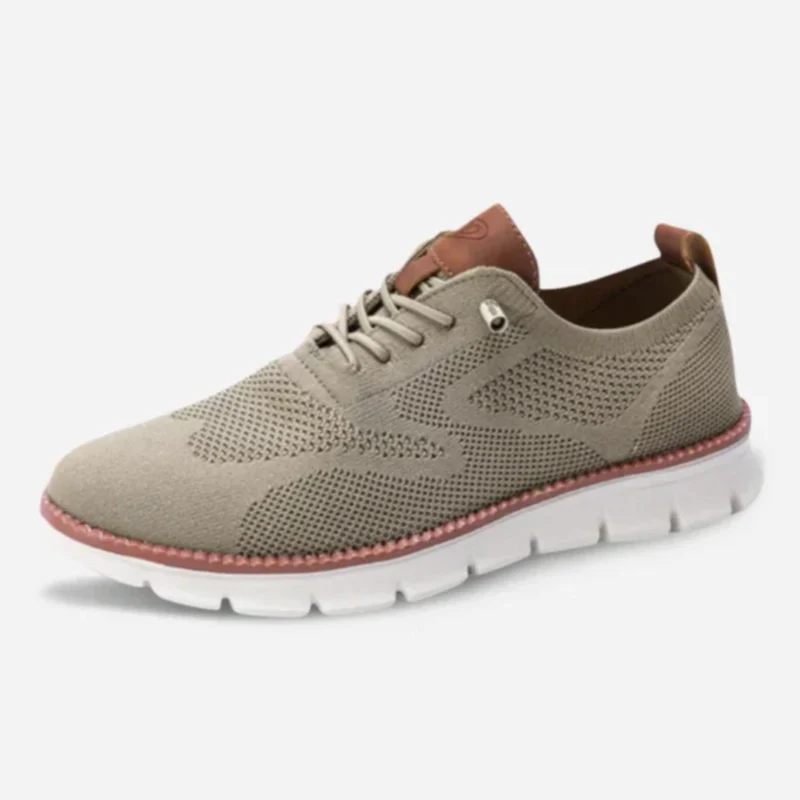
Every step you take matters—whether you’re exploring city streets, powering through your daily routine, or simply refusing to let foot discomfort slow you down. The CloudWalk – Ultra Comfortable Walking Shoes wraps your feet in therapeutic cushioning that turns pavement into clouds, so you can go farther, stay longer, and feel better doing it.
Golf shoes evolved from traditional leather oxfords in the 1890s to today’s advanced athletic designs. Early players wore street shoes with metal spikes hammered into the soles. Modern golf shoes incorporate technologies from running and athletic footwear, including EVA midsoles, memory foam insoles, and engineered mesh uppers.
The average golfer walks 4-5 miles per round. Your shoes must provide consistent comfort across varied terrain while maintaining the stability needed for a proper swing. Poor shoe choice leads to foot fatigue, blisters, and compensated swing mechanics that hurt your game.
Key Comfort Features in Golf Shoes
Cushioning Systems
Golf shoes use several cushioning technologies:
- EVA foam: Lightweight material that absorbs impact and returns energy
- Polyurethane (PU) foam: Denser than EVA, offers longer-lasting cushioning
- Gel inserts: Placed in heel or forefoot for targeted shock absorption
- Air cushioning: Sealed air pockets that compress and rebound with each step
- Memory foam: Conforms to your foot shape for personalized comfort
Premium models combine multiple cushioning layers. The heel typically receives more padding because it strikes first during walking. Forefoot cushioning supports push-off and weight transfer during your swing.
Arch Support Types
Your arch type determines which shoes feel most comfortable:
Low arches (flat feet): Need motion control and firm midsoles to prevent overpronation. Look for structured arch supports and stability features.
Medium arches: Work with most shoe designs. Moderate arch support and standard cushioning suffice.
High arches: Require extra cushioning and flexibility. Shoes with neutral support and softer midsoles work best.
Test your arch height by wetting your foot and stepping on paper. The footprint reveals your arch structure. Many golf shops offer foot scanning technology for precise measurements.
Fit and Sizing Factors
Proper fit matters more than brand reputation. Consider these elements:
- Length: Leave a thumb’s width between your longest toe and shoe end
- Width: Standard (D for men, B for women), wide (2E/4E), or narrow (C/A) options
- Heel lock: Minimal slippage prevents blisters and maintains swing stability
- Toe box volume: Adequate room prevents cramping during long rounds
- Break-in period: Quality leather needs 2-3 rounds to soften; synthetic materials require less time
Feet swell during activity. Try shoes in the afternoon when your feet are larger. Wear the socks you’ll use on the course during fitting.
Types of Comfortable Golf Shoes
Spikeless Golf Shoes
Spikeless designs use rubber nubs or dimpled patterns for traction. Benefits include:
- Walk naturally on all surfaces without changing shoes
- Lighter weight reduces foot fatigue
- No spike replacement costs
- Comfortable for casual wear off the course
- Quieter on clubhouse floors
Drawbacks: Less grip on wet grass or hilly terrain. Not ideal for players with aggressive swings or those playing in frequent rain.
Spiked Golf Shoes
Traditional spiked shoes feature replaceable cleats (usually 6-8 per shoe). Advantages:
- Maximum traction on all course conditions
- Superior stability during the swing
- Adjustable grip by changing spike types
- Better performance on slopes and wet turf
Downsides: Heavier construction, clicking noise on hard surfaces, regular spike maintenance required.
Golf Sneakers
Athletic-style golf shoes blend casual appearance with performance. Features:
- Familiar sneaker comfort and styling
- Flexible construction allows natural foot movement
- Breathable materials keep feet cool
- Often lighter than traditional golf shoes
- Suitable for walking or riding
These work well for recreational golfers who prioritize comfort over maximum performance.
Material Comparison for Comfort
| Material | Comfort Level | Breathability | Durability | Water Resistance | Break-in Time |
|---|---|---|---|---|---|
| Full-grain leather | High (after break-in) | Low | Excellent | Good (with treatment) | 2-3 rounds |
| Synthetic leather | Medium-High | Medium | Good | Excellent | Minimal |
| Mesh/Textile | Very High | Excellent | Fair | Poor (unless treated) | None |
| Microfiber | High | Good | Very Good | Excellent | Minimal |
| Knit uppers | Very High | Excellent | Fair | Variable | None |
Full-grain leather provides classic style and molds to your foot shape over time. It requires waterproofing treatments and takes longer to break in.
Synthetic materials offer immediate comfort and consistent waterproofing. They cost less but may not last as long as quality leather.
Engineered mesh delivers maximum breathability for hot weather play. Look for versions with waterproof membranes if you play in varied conditions.
Knit uppers represent the newest technology, offering sock-like fit and comfort. They adapt to foot shape while maintaining support through strategic reinforcement zones.
Every step you take matters—whether you’re exploring city streets, powering through your daily routine, or simply refusing to let foot discomfort slow you down. The CloudWalk – Ultra Comfortable Walking Shoes wraps your feet in therapeutic cushioning that turns pavement into clouds, so you can go farther, stay longer, and feel better doing it.
Finding Your Most Comfortable Option
Assess Your Playing Style
Your golf habits influence the best shoe choice:
- Walking golfers: Prioritize lightweight construction and maximum cushioning
- Cart riders: Can select heavier shoes with premium materials
- Frequent players (3+ rounds weekly): Need durable shoes with replaceable insoles
- Occasional golfers: May prefer versatile spikeless options
- Competitive players: Require maximum stability and traction
Consider Your Foot Characteristics
Specific foot issues demand targeted solutions:
Plantar fasciitis: Deep heel cups, rigid arch support, and thick midsoles help. Look for shoes with removable insoles to accommodate custom orthotics.
Wide feet: Many brands offer 2E and 4E widths. FootJoy, New Balance, and Skechers provide extensive width options.
Narrow feet: Limited options exist; try women’s models (men) or youth sizes with appropriate styling.
Bunions: Soft, stretchy uppers in the forefoot area prevent pressure. Avoid rigid toe boxes.
High insteps: Look for shoes with generous lacing systems and flexible uppers that accommodate volume.
Test Before Purchase
Follow this evaluation process:
- Wear appropriate socks: Bring the socks you wear while playing
- Try both feet: One foot often measures slightly larger
- Walk extensively: Spend 10-15 minutes moving around the store
- Simulate swing motions: Check for heel lift or lateral sliding
- Check pressure points: Note any immediate discomfort areas
- Compare multiple models: Try at least three different shoes
- Consider return policies: Buy from retailers offering trial periods
Many golf retailers allow on-course trials. Wear shoes for one round and return them if uncomfortable (keep them clean for this option).
Top Comfort Technologies by Brand
FootJoy uses proprietary FTF (Fine Tuned Foam) in midsoles and OrthoLite insoles for lasting cushioning. Their fit-bed system includes three support levels.
Adidas incorporates Boost foam technology borrowed from running shoes, delivering excellent energy return. Their Primeknit uppers provide adaptive comfort.
Nike features React foam and Zoom Air units for responsive cushioning. Their Flyknit construction minimizes break-in time.
Skechers emphasizes Goga Max insoles with high-rebound cushioning and Ultra Flight midsoles for lightweight comfort.
ECCO uses leather from their own tanneries that breaks in quickly while maintaining structure. Their FLUIDFORM technology bonds the upper directly to the sole.
New Balance applies Fresh Foam from their running line and offers extensive width options. Their REVlite midsole provides cushioning without weight.
Maintaining Comfort Over Time
Proper care extends shoe life and maintains comfort:
- Clean after each round: Remove dirt and grass before it dries
- Dry naturally: Never use direct heat sources; stuff with newspaper to absorb moisture
- Rotate pairs: Using two pairs alternately allows complete drying between rounds
- Replace insoles: Swap worn footbeds every 20-30 rounds for refreshed cushioning
- Condition leather: Apply leather conditioner monthly to prevent cracking
- Check spikes: Replace worn cleats before they affect traction or comfort
- Store properly: Keep in a cool, dry place away from direct sunlight
Quality golf shoes last 1-2 years with regular use (30-40 rounds annually). Replace shoes showing midsole compression, upper separation, or persistent discomfort despite good condition.
Making Your Final Decision
Select the most comfortable golf shoe through this process:
- Measure both feet at a specialty retailer with proper equipment
- Identify your arch type and any specific foot issues
- Determine your primary needs (waterproofing, breathability, traction level)
- Set a realistic budget ($100-$250 for quality options)
- Try multiple brands and styles within your criteria
- Walk and simulate golf movements during fitting
- Choose based on immediate comfort, not brand loyalty
- Break in gradually with practice rounds before important events
The most comfortable golf shoe feels natural from the first step, provides consistent support through 18 holes, and disappears from your awareness during play. Discomfort signals poor fit or design mismatch with your needs.
Invest time in proper selection. Comfortable feet improve focus, reduce fatigue, and allow you to play your best golf. Your shoes form the foundation of every shot—choose wisely.
Every step you take matters—whether you’re exploring city streets, powering through your daily routine, or simply refusing to let foot discomfort slow you down. The CloudWalk – Ultra Comfortable Walking Shoes wraps your feet in therapeutic cushioning that turns pavement into clouds, so you can go farther, stay longer, and feel better doing it.