
Blog
Are Converse Shoes Comfortable for Walking?

The Honest Answer About Converse and Walking Comfort
Converse shoes offer moderate comfort for short walks but lack the support needed for extended walking sessions. The flat rubber sole and minimal cushioning make them suitable for casual daily wear rather than long-distance walking. Most wearers report comfort for 2-3 hours of light activity before experiencing foot fatigue.
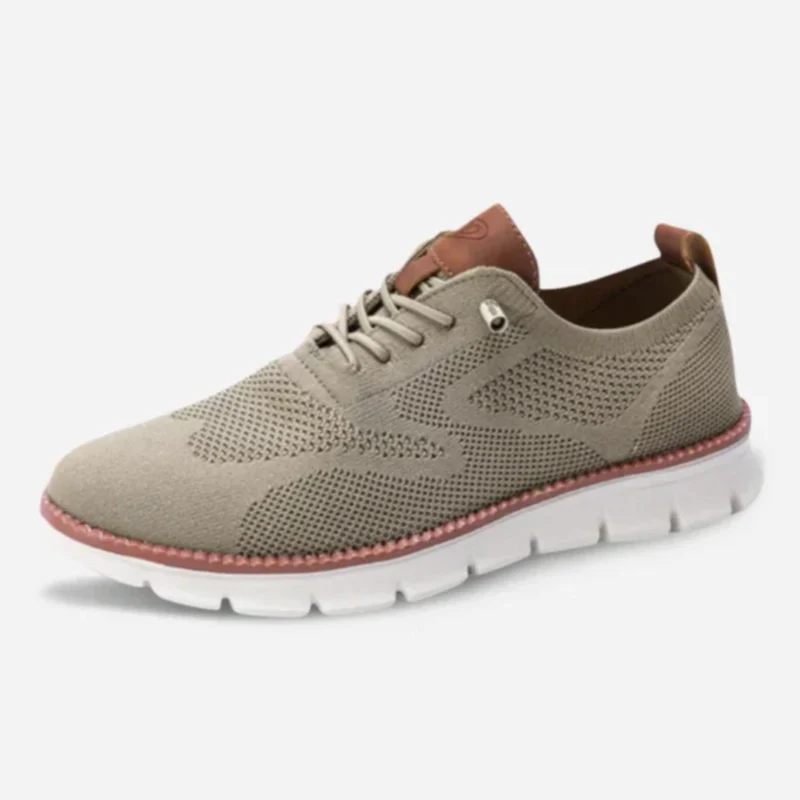
Every step you take matters—whether you’re exploring city streets, powering through your daily routine, or simply refusing to let foot discomfort slow you down. The CloudWalk – Ultra Comfortable Walking Shoes wraps your feet in therapeutic cushioning that turns pavement into clouds, so you can go farther, stay longer, and feel better doing it.
The iconic design prioritizes style over technical performance. This trade-off works well for urban environments with frequent rest breaks. However, people who walk more than 5 miles daily typically need more specialized footwear.
The History Behind Converse Comfort Design
Converse launched the All Star basketball shoe in 1917. The Converse Rubber Shoe Company originally designed these shoes for athletic performance on wooden courts. Basketball players in the early 20th century needed grip and ankle support more than cushioning.
Chuck Taylor joined Converse in 1921 and improved the design. His modifications focused on durability and court traction. The company added his signature to the ankle patch in 1932. This created the Chuck Taylor All Star we recognize today.
The shift from sports to fashion occurred in the 1950s and 1960s. Rock musicians and youth culture adopted Converse as a style statement. The company stopped prioritizing athletic performance. Manufacturing focused on maintaining the classic aesthetic instead of updating comfort technology.
Nike acquired Converse in 2003 for $309 million. The new ownership maintained the traditional design while other shoe brands invested heavily in walking technology. This decision preserved brand identity but limited comfort innovation.
Technical Specifications That Affect Walking Comfort
Sole Construction and Materials
The outsole uses vulcanized rubber in a single flat layer. This construction method bonds rubber to canvas through heat and pressure. The result provides excellent grip but minimal shock absorption.
Typical sole thickness measures 8-10mm. Modern walking shoes feature soles of 25-35mm with multiple density layers. This difference directly impacts how much force your feet absorb with each step.
The midsole is virtually nonexistent in standard Converse shoes. Premium walking shoes include EVA foam or gel inserts that compress and return energy. Converse transfers ground impact directly to your feet.
Upper Material and Breathability
Canvas remains the primary upper material for classic Converse models. This cotton canvas weighs approximately 12 ounces per square yard. The material allows air circulation but provides little structural support.
The toe cap uses a thin rubber layer. This protects toes from front impact but adds weight. The rubber also reduces breathability in the forefoot area.
Leather versions offer more durability but trap heat. Your feet stay warmer in leather Converse compared to canvas models. This becomes uncomfortable during summer walks or in humid climates.
Arch Support Analysis
Standard Converse shoes have zero arch support. The insole sits flat from heel to toe. People with flat feet or high arches receive no anatomical accommodation.
The lack of contour means your foot muscles work harder to maintain stability. This causes faster fatigue during extended walking. Physical therapists often recommend adding aftermarket insoles to address this limitation.
Weight Distribution
A men’s size 9 Converse shoe weighs approximately 10 ounces. Comparable walking shoes weigh 9-11 ounces but distribute that weight differently. Converse concentrates weight in the rubber sole and toe cap.
The heel counter provides minimal structure. This flexible design allows natural ankle movement but reduces stability on uneven surfaces.
Comfort Comparison: Converse vs. Walking-Specific Shoes
| Feature | Converse All Stars | Dedicated Walking Shoes |
|---|---|---|
| Cushioning | Minimal (flat rubber) | Multi-layer foam/gel |
| Arch Support | None | Contoured footbed |
| Heel Height | Flat (0mm drop) | 8-12mm heel-to-toe drop |
| Sole Flexibility | Very flexible | Moderate flex with support |
| Breathability | Good (canvas) | Excellent (mesh panels) |
| Weight | 10 oz average | 9-11 oz average |
| Price Range | $50-$85 | $70-$150 |
| Best Use | 0-3 miles casual | 3+ miles regular walking |
Real-World Walking Scenarios
Urban Walking and Commuting
Converse performs adequately for city walking with these conditions:
- Distance: Under 3 miles total per day
- Surface: Smooth pavement or indoor floors
- Duration: Broken into segments with sitting breaks
- Pace: Leisurely (under 3 mph)
The flat sole excels on subway stairs and escalators. The rubber grip prevents slipping on polished floors. Many commuters wear Converse successfully in office environments.
Long-Distance Walking
Problems emerge after approximately 5,000 steps. Common complaints include:
- Ball-of-foot pain from impact pressure
- Heel discomfort from lack of cushioning
- Arch strain in people with high or low arches
- General foot fatigue from minimal support
Walking tours, theme parks, and shopping marathons exceed Converse comfort capacity. Plan for frequent rest breaks or choose different footwear.
Terrain Considerations
Smooth surfaces: Converse handles sidewalks, indoor spaces, and paved paths without issues. The flat sole maintains full ground contact.
Uneven ground: Gravel, cobblestones, and dirt trails expose the limitations. Your feet feel every surface irregularity. The thin sole offers no protection from sharp objects.
Inclines: Walking uphill or downhill creates additional strain. The lack of arch support and cushioning multiplies the impact on your feet and ankles.
Improving Converse Comfort for Walking
Aftermarket Insole Solutions
Adding quality insoles transforms Converse comfort significantly. Effective options include:
- Gel insoles: Provide shock absorption in heel and forefoot
- Arch support inserts: Add contour for anatomical alignment
- Memory foam: Customizes to your foot shape over time
- Athletic insoles: Combine multiple features for active use
Remove the factory insole first. Most replacement insoles add 3-5mm of height. This can make the shoe feel tighter initially. Choose thin-profile insoles designed for low-volume shoes.
Break-In Period Strategy
New Converse shoes require 2-3 weeks of gradual wear. Follow this schedule:
- Wear for 1-2 hours indoors on carpet (Days 1-3)
- Extend to 3-4 hours with light walking (Days 4-7)
- Increase to half-day wear (Days 8-14)
- Full-day wear after two weeks
The canvas softens and conforms to your foot shape. The rubber sole becomes more flexible. Rushing this process causes blisters and pressure points.
Sock Selection Impact
Sock thickness affects both comfort and fit. Recommendations by use:
Thin athletic socks: Best for warm weather and already-broken-in shoes. Reduces bulk but provides minimal cushioning.
Medium cushion socks: Adds padding without excessive thickness. Works well for daily wear and moderate walking.
Compression socks: Improves circulation during extended wear. Helps reduce foot swelling on long days.
Avoid cotton-only socks for walking. Moisture-wicking synthetic blends prevent blisters and keep feet drier.
Every step you take matters—whether you’re exploring city streets, powering through your daily routine, or simply refusing to let foot discomfort slow you down. The CloudWalk – Ultra Comfortable Walking Shoes wraps your feet in therapeutic cushioning that turns pavement into clouds, so you can go farther, stay longer, and feel better doing it.
Specific Converse Models and Comfort Variations
Classic Chuck Taylor All Stars
The original design offers the baseline comfort level. Low-top versions provide more ankle mobility. High-tops add support but can rub against ankle bones during extended walking.
Chuck 70
This premium version includes several comfort upgrades:
- Thicker canvas (12.5 oz vs. 12 oz)
- Higher rubber foxing for durability
- Slightly more cushioned insole
- Better quality control in construction
The Chuck 70 costs $30-40 more but provides noticeably better walking comfort. Many reviewers rate it 20-30% more comfortable than standard models.
Converse Run Star Hike
This platform version adds significant cushioning. The exaggerated sole measures 30-40mm thick. The increased height changes your gait pattern. Some people find this model more comfortable for all-day wear. Others struggle with the altered walking mechanics.
All Star Pro
Designed for skateboarding, this model includes:
- Nike Lunarlon foam sockliner
- Reinforced toe bumper
- Suede or leather upper options
The Pro line offers the best walking comfort in the Converse catalog. The price increases to $90-110 but approaches walking shoe performance.
Maintenance Tips for Extended Comfort
Cleaning Methods
Dirt buildup reduces canvas flexibility. Clean your Converse every 2-3 weeks of regular wear:
- Remove laces and insoles
- Brush off loose dirt with soft bristle brush
- Mix mild detergent with warm water
- Scrub canvas with solution using soft cloth
- Rinse with clean water
- Air dry completely (never use heat)
Machine washing degrades the rubber bonding. Hand cleaning preserves shoe structure and extends lifespan.
Rotation Strategy
Alternating between two pairs extends comfort and durability. Shoes need 24-48 hours to fully dry between wears. Moisture from sweat breaks down materials and reduces cushioning effectiveness.
Buy your second pair after breaking in the first. This ensures you always have a comfortable option ready.
When to Replace
Replace Converse shoes after these signs appear:
- Visible sole compression or uneven wear patterns
- Canvas tears or significant thinning
- Loss of heel counter structure
- Persistent odor despite cleaning
- Pain or discomfort in previously comfortable shoes
Most people get 6-12 months from regular wear. Heavy daily use shortens this to 4-6 months.
Who Should Walk in Converse?
Ideal Candidates
Converse works well for people with these characteristics:
- Neutral foot arch (not flat or high-arched)
- Walking distances under 3 miles daily
- Younger individuals with good natural foot mechanics
- Those prioritizing style in casual settings
- People with access to frequent rest breaks
Who Should Choose Alternatives
Select specialized walking shoes if you:
- Walk more than 5 miles daily
- Have diagnosed foot conditions (plantar fasciitis, bunions)
- Experience regular foot pain
- Work jobs requiring 8+ hours standing
- Participate in fitness walking programs
- Need orthotic accommodations
Making Your Decision
Converse shoes provide adequate comfort for casual, short-distance walking. The classic design suits urban environments and social situations where style matters. However, the minimal cushioning and lack of support make them unsuitable for serious walking activities.
Add quality insoles to improve comfort by approximately 30-40%. Choose Chuck 70 or All Star Pro models for better out-of-box performance. Rotate pairs and maintain them properly to maximize comfort and lifespan.
For regular walking exceeding 3 miles daily, invest in purpose-built walking shoes. Save your Converse for occasions where aesthetics take priority over performance. This approach protects your feet while maintaining your style options.
Every step you take matters—whether you’re exploring city streets, powering through your daily routine, or simply refusing to let foot discomfort slow you down. The CloudWalk – Ultra Comfortable Walking Shoes wraps your feet in therapeutic cushioning that turns pavement into clouds, so you can go farther, stay longer, and feel better doing it.