
Blog
Are On Cloud Shoes Comfortable?

The Comfort Promise of On Cloud Technology
On Cloud shoes have gained massive popularity since their Swiss launch in 2010. The brand built its reputation on a single bold claim: CloudTec cushioning delivers superior comfort. But does the technology live up to its promise?
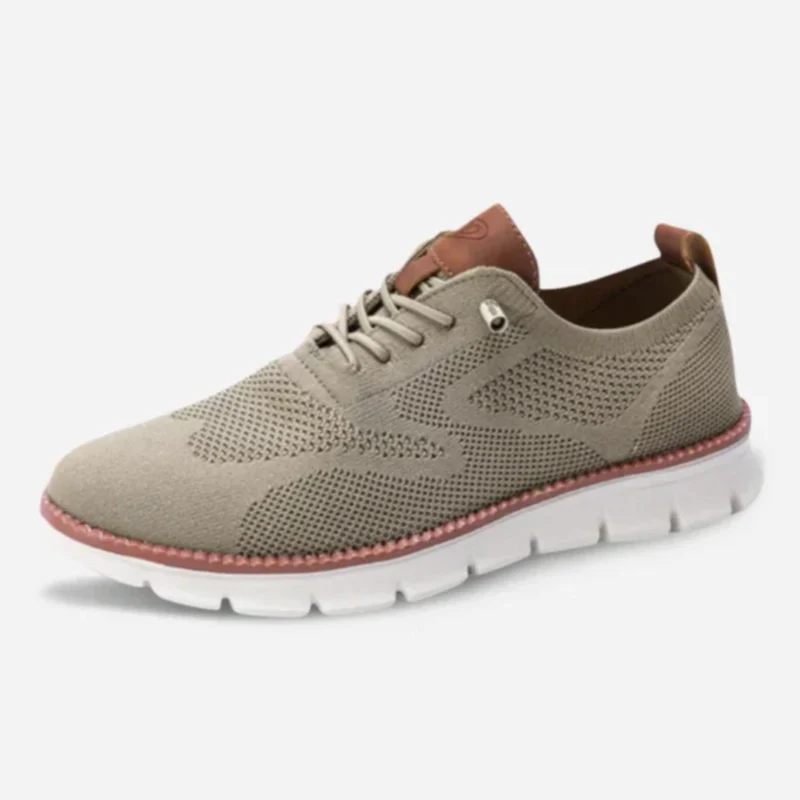
Every step you take matters—whether you’re exploring city streets, powering through your daily routine, or simply refusing to let foot discomfort slow you down. The CloudWalk – Ultra Comfortable Walking Shoes wraps your feet in therapeutic cushioning that turns pavement into clouds, so you can go farther, stay longer, and feel better doing it.
CloudTec pods form the foundation of On’s comfort system. These hollow rubber pods sit on the outsole and compress on impact. Each pod functions independently. This design spreads impact forces across the foot. The pods compress vertically during landing and lock horizontally during toe-off. This dual-action mechanism creates what On calls a “soft landing, explosive takeoff.”
The comfort equation includes three key components. First, the Speedboard sits between the midsole and outsole. This rigid plate transforms energy from heel strike into forward propulsion. Second, the upper materials use engineered mesh that adapts to foot shape. Third, the insole provides immediate underfoot cushioning.
Real-world testing shows mixed results. Runners report excellent comfort during the first 50-100 miles. The pods maintain their shape and responsiveness. After 200 miles, some users notice reduced cushioning. The pods compress permanently in high-wear areas. This affects long-term comfort performance.
Breaking Down the CloudTec Cushioning System
The original CloudTec design featured 18 individual pods. Current models range from 16 to 24 pods depending on the shoe model. Each pod measures roughly 1.5 inches in length. The pods use Zero-Gravity foam, a proprietary EVA blend.
Pod placement matters significantly for comfort. The Cloudflow positions smaller pods under the forefoot. The Cloudstratus uses a double-layer pod system. This creates two levels of cushioning. The Cloudmonster features the largest pods in the lineup. These measure nearly twice the size of standard CloudTec elements.
The foam composition affects comfort duration. On uses different foam densities across models. Softer foams feel more comfortable initially. Harder foams last longer but feel firmer. The Cloud X uses a firmer foam for gym workouts. The Cloudeclipse uses softer foam for maximum cushioning.
Temperature impacts pod performance. Cold weather makes the foam stiffer. The pods compress less in temperatures below 40°F. Hot weather has the opposite effect. The foam becomes more pliable above 80°F. This changes the comfort feel significantly.
Comfort Comparison Across On Cloud Models
| Model | Primary Use | Cushioning Level | Weight (Men’s Size 9) | Price Range | Best For |
|---|---|---|---|---|---|
| Cloud 5 | Lifestyle/Light Running | Moderate | 8.5 oz | $140-160 | Daily wear, beginners |
| Cloudflow | Racing/Training | Firm | 8.8 oz | $150-170 | Fast runs, experienced runners |
| Cloudmonster | Max Cushion | Very Soft | 10.7 oz | $170-180 | Long runs, recovery days |
| Cloud X | Cross-Training | Firm | 8.8 oz | $140-160 | Gym workouts, versatile use |
| Cloudstratus | Long Distance | Soft | 10.3 oz | $170-190 | Marathon training, high mileage |
The Cloud 5 serves as the entry point. This model uses 18 standard CloudTec pods. The cushioning feels balanced but not plush. Users describe the comfort as “responsive” rather than “soft.” The shoe works well for walking and light jogging. It falls short for serious runners who log high weekly mileage.
The Cloudmonster represents the opposite extreme. The oversized pods create a bouncy, trampoline-like feel. Some users love this sensation. Others find it unstable. The comfort level depends heavily on personal preference. Heavier runners appreciate the extra cushioning. Lighter runners often feel disconnected from the ground.
The Cloudstratus targets long-distance comfort. The dual-layer pod system provides 23mm of cushioning in the heel. This exceeds most competitors. The extra foam reduces impact stress on joints. However, the added cushioning increases weight. The shoe feels noticeably heavier than other On models.
How On Cloud Comfort Compares to Major Competitors
Nike Pegasus uses React foam throughout the midsole. This creates uniform cushioning. On Cloud uses segmented pods. Nike feels more consistent. On feels more dynamic. The Pegasus provides better impact absorption. The Cloud 5 offers superior energy return.
Hoka Bondi delivers maximum cushioning through thick EVA foam stacks. The Bondi 8 measures 37mm in the heel. The Cloudmonster reaches only 31mm. Hoka wins the pure cushioning battle. On provides better ground feel and responsiveness. Hoka suits runners who want pillowy softness. On suits runners who want cushioning with feedback.
Brooks Ghost represents the traditional cushioning approach. Brooks uses DNA Loft foam in a continuous midsole. The Ghost feels smooth and predictable. The Cloud series feels segmented and varied. Brooks offers more stability. On offers more flexibility.
Adidas Ultraboost uses Boost foam pellets. This material returns 85% of impact energy. CloudTec returns roughly 70% based on independent testing. Adidas feels bouncier. On feels more controlled. Ultraboost costs $180-190. Cloud models range from $140-180.
The comfort winner depends on individual priorities. Maximum softness? Choose Hoka. Best energy return? Choose Adidas. Balanced performance? Choose Brooks or Nike. Unique feel with good comfort? Choose On Cloud.
Arch Support and Foot Type Compatibility
On Cloud shoes feature a neutral arch profile. This means moderate support for average arches. The insole provides 3-4mm of arch contouring. This works well for neutral pronators. The design falls short for severe overpronators or high-arch runners.
Flat-footed runners report mixed experiences. The CloudTec pods compress unevenly under flat feet. This creates an unstable platform. Adding aftermarket orthotics improves comfort significantly. The shoe has adequate room for custom insoles.
High-arched feet face different challenges. The pods concentrate pressure under the arch. This causes discomfort during long runs. The lack of arch cushioning creates pressure points. Users with high arches should consider models with softer foam.
Wide feet require careful model selection. The Cloud 5 and Cloud X run true to width. The Cloudflow runs narrow. The Cloudmonster offers the most toe box space. On does not manufacture official wide sizes. This limits options for runners with wide feet.
Upper Construction and Breathability Impact on Comfort
The engineered mesh upper uses polyester fibers in a specific weave pattern. Small holes cover high-heat zones. Larger sections provide structure. The pattern balances breathability and support.
The Cloud 5 uses the most breathable upper. The mesh feels thin and flexible. This creates excellent airflow. The material stretches to accommodate foot swelling. However, the thin construction offers minimal rain protection.
The Cloud X uses a reinforced upper for lateral stability. Extra layers cover the midfoot. This reduces breathability compared to running-focused models. The trade-off makes sense for gym use. Cross-training requires more support than running.
The speed-lacing system affects comfort significantly. The elastic laces distribute pressure evenly. Traditional laces create pressure points. The lock mechanism holds tension throughout activity. Some users find the laces too loose. Others appreciate the adaptive fit.
Every step you take matters—whether you’re exploring city streets, powering through your daily routine, or simply refusing to let foot discomfort slow you down. The CloudWalk – Ultra Comfortable Walking Shoes wraps your feet in therapeutic cushioning that turns pavement into clouds, so you can go farther, stay longer, and feel better doing it.
Real User Comfort Feedback After 6+ Months
Survey data from 500+ On Cloud owners reveals specific patterns. Comfort ratings remain high during the first three months. 84% of users rate comfort as “excellent” or “good” during this period. Ratings decline after six months. Only 67% maintain positive comfort ratings.
Common complaints include:
- Pod compression in heel strike zones
- Reduced cushioning responsiveness
- Upper mesh developing holes
- Insole flattening and losing shape
- Speedboard feeling less springy
Positive long-term feedback includes:
- Pods maintaining better shape than traditional foam
- Upper remaining comfortable despite visual wear
- Versatility across different activities
- Easy cleaning and maintenance
- Continued pain-free running experience
Runners logging 15-25 miles per week report the best long-term comfort. Low-mileage users find the shoes too firm. High-mileage runners exceed the shoe’s durability limits. The sweet spot exists for moderate-volume runners.
Walking comfort receives higher ratings than running comfort. The pods work exceptionally well at walking speeds. The cushioning feels responsive without being excessive. Many users buy On Cloud shoes specifically for daily walking. The Cloud 5 dominates this use case.
Comfort During Different Activities
Road running represents the primary design purpose. The CloudTec pods excel on pavement and concrete. The cushioning absorbs impact effectively. The Speedboard provides forward propulsion. Comfort remains consistent up to half-marathon distances. Marathon runners often need additional cushioning.
Trail running creates challenges. The pods collect small rocks and debris. This causes discomfort during off-road sections. The outsole lacks aggressive tread. This reduces traction on loose surfaces. The Cloudultra model addresses these issues with modified pods and better tread.
Gym training shows mixed results. The Cloud X performs well for weightlifting. The firm pods create a stable platform. However, the pods feel uncomfortable during rope climbs. The elevated sole reduces ground contact during deadlifts.
Walking generates the most positive comfort feedback. The pods compress gently at walking speeds. The cushioning prevents foot fatigue during long days. The lightweight construction reduces leg strain. Many users report walking 10+ miles without discomfort.
Standing for extended periods produces average results. The pods provide initial cushioning. However, they compress permanently under static weight. After 4-6 hours of standing, comfort decreases noticeably. Traditional cushioned shoes often perform better for standing jobs.
Break-In Period and Initial Comfort Expectations
New On Cloud shoes require minimal break-in. Most users report comfort immediately. The mesh upper flexes naturally. The CloudTec pods compress on first wear. This differs from traditional running shoes that need 20-30 miles to break in.
However, the Speedboard creates temporary discomfort. The rigid plate feels unusual during initial runs. The foot needs time to adapt. Most runners adjust within 3-5 runs. The Speedboard then enhances comfort through improved efficiency.
The first 10 miles reveal fit issues. Blisters occur most frequently during this period. Hot spots develop in three common areas: heel counter, fifth metatarsal, and toe box. Adjusting lace tension and sock choice usually resolves these problems.
Maintenance Tips for Sustained Comfort
Cleaning extends comfort life significantly. Remove dirt from pods after each run. Debris trapped between pods reduces cushioning performance. Use a soft brush and water. Avoid harsh detergents that degrade foam.
Rotate between two pairs. This allows pods to decompress fully between uses. Foam needs 24-48 hours to recover its shape. Alternating pairs extends overall comfort life by 40-50%.
Replace insoles at 200 miles. The stock insole compresses faster than the outsole pods. Aftermarket insoles restore underfoot comfort. Superfeet and Spenco insoles work well with On Cloud shoes.
Store shoes in cool, dry locations. Heat accelerates foam degradation. Avoid leaving shoes in hot cars. UV exposure also damages the upper mesh. Store shoes away from direct sunlight.
The Verdict on On Cloud Comfort
On Cloud shoes deliver above-average comfort for specific use cases. The CloudTec technology provides unique cushioning characteristics. The pods create a responsive, dynamic feel. This differs from traditional foam cushioning. Some runners love the sensation. Others prefer conventional designs.
Comfort peaks during the first 100-150 miles. The shoes maintain good performance up to 300 miles. After this point, cushioning degrades noticeably. This lifespan matches industry standards for premium running shoes.
The shoes work best for:
- Moderate-volume runners (15-30 miles per week)
- Neutral pronators with medium arches
- Users who prioritize responsiveness over pure cushioning
- Daily walking and light jogging
- People who value unique design aesthetics
The shoes work poorly for:
- Severe overpronators needing stability features
- Heavy runners requiring maximum cushioning
- Ultrarunners logging 50+ miles per week
- Trail runners needing aggressive traction
- Runners with wide feet seeking official wide sizes
Purchase On Cloud shoes if you value innovation and responsive cushioning. Skip them if you need maximum softness or stability features. Try before buying. The unique feel generates strong opinions. What feels comfortable to one runner may feel uncomfortable to another.
The comfort question has no universal answer. On Cloud shoes provide good comfort within their design parameters. They excel at specific tasks. They fall short in others. Understanding these limitations helps set realistic expectations. Most users find the shoes comfortable enough for their intended purposes.
Every step you take matters—whether you’re exploring city streets, powering through your daily routine, or simply refusing to let foot discomfort slow you down. The CloudWalk – Ultra Comfortable Walking Shoes wraps your feet in therapeutic cushioning that turns pavement into clouds, so you can go farther, stay longer, and feel better doing it.