
Blog
Are Tabi Shoes Comfortable?

Understanding Tabi Shoe Design
Tabi shoes feature a split-toe design that separates the big toe from the other four toes. This distinctive structure originates from 15th-century Japan, where workers and artisans wore these shoes for better ground contact and stability.
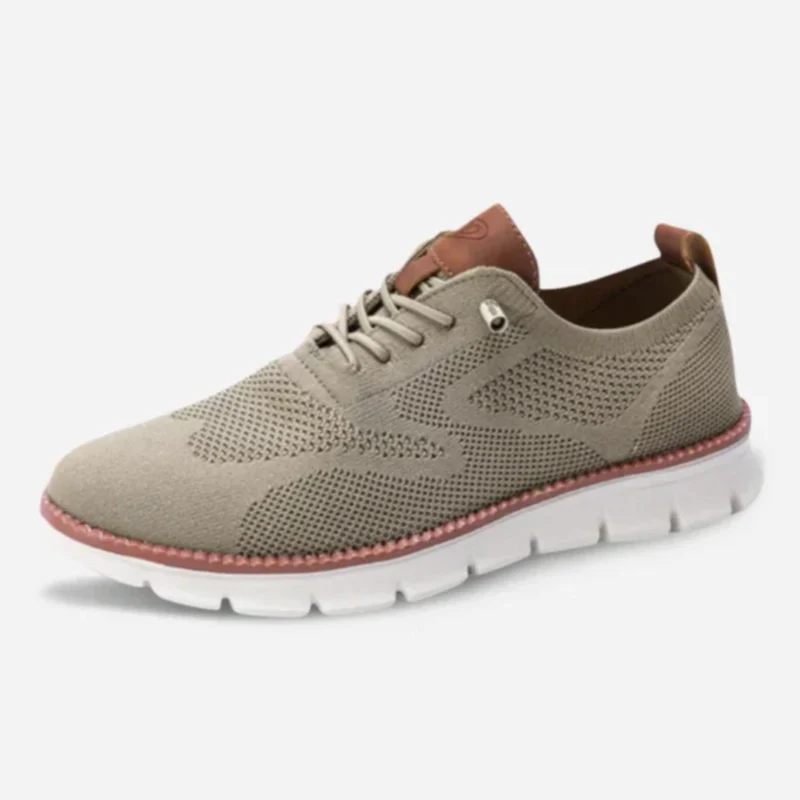
Every step you take matters—whether you’re exploring city streets, powering through your daily routine, or simply refusing to let foot discomfort slow you down. The CloudWalk – Ultra Comfortable Walking Shoes wraps your feet in therapeutic cushioning that turns pavement into clouds, so you can go farther, stay longer, and feel better doing it.
The split-toe construction creates a unique fit pattern. Your big toe sits in its own compartment while the remaining toes share another section. This design mimics barefoot walking mechanics and allows each foot segment to move independently.
Modern tabi shoes use various materials including canvas, leather, denim, and synthetic fabrics. The sole construction ranges from thin rubber to thick cushioned platforms. Traditional versions feature jika-tabi soles with rubber treads that provide grip on multiple surfaces.
Comfort Factors That Matter
Toe Separation Benefits
The split-toe design delivers several comfort advantages:
- Enhanced balance: Your big toe acts as a natural stabilizer, improving weight distribution across your foot
- Better proprioception: Separated toes increase sensory feedback from the ground
- Reduced toe crowding: Each toe section has dedicated space, preventing compression
- Natural foot mechanics: The design allows toes to spread and grip naturally
Users report a period of adjustment ranging from 3-7 days. Your feet need time to adapt to the separated toe configuration. Some people experience mild discomfort during this break-in phase.
Material Impact on Comfort
Different materials affect how tabi shoes feel:
Canvas tabi shoes offer breathability and flexibility. The fabric molds to your foot shape quickly. These work well for warm weather and light activity. Canvas provides minimal arch support but allows natural foot movement.
Leather tabi shoes deliver durability and structure. Quality leather softens over time and conforms to your unique foot shape. These shoes offer better support than canvas but require longer break-in periods.
Synthetic materials provide water resistance and easy maintenance. Modern synthetic tabi shoes incorporate moisture-wicking properties and padding. These materials often feel comfortable immediately but may lack the longevity of natural materials.
Sole Construction and Cushioning
Sole design significantly impacts comfort levels:
- Thin soles (2-5mm): Provide maximum ground feel and flexibility but offer minimal cushioning
- Medium soles (5-10mm): Balance ground contact with shock absorption
- Thick soles (10mm+): Deliver substantial cushioning but reduce sensory feedback
Traditional jika-tabi work boots use 12-tab rubber soles for durability. These soles feature a grid pattern that prevents slipping on wet or uneven surfaces. The tab design creates flexibility points that allow natural foot bending.
Comfort Comparison: Tabi vs. Traditional Footwear
| Feature | Tabi Shoes | Traditional Shoes |
|---|---|---|
| Toe freedom | High – separated design | Low – confined toe box |
| Break-in period | 3-7 days for split-toe adaptation | 1-3 days for standard fit |
| Ground feel | Excellent – direct contact | Moderate – cushioned barrier |
| Arch support | Minimal to moderate | Varies widely by style |
| Weight | Light (200-400g per pair) | Varies (300-800g+ per pair) |
| Stability | High due to toe separation | Moderate to high |
Who Finds Tabi Shoes Comfortable
Athletes and Active Users
Parkour practitioners and martial artists favor tabi shoes for their grip and flexibility. The split-toe design allows precise foot placement during jumps and landings. Many users report better ankle stability during lateral movements.
Distance runners experimenting with minimalist footwear choose tabi shoes for their natural gait promotion. The design encourages forefoot striking and strengthens foot muscles. However, these shoes require gradual transition periods to prevent injury.
Workers in Specific Industries
Japanese construction workers have worn jika-tabi boots for centuries. The split-toe design helps with:
- Balance on narrow beams and scaffolding
- Grip on ladders and steep surfaces
- Foot strength during long work shifts
- Precise footwork in tight spaces
Gardeners and farmers appreciate the tactile feedback tabi shoes provide. Users can feel soil texture and surface changes through the thin soles.
Fashion-Forward Consumers
Designers like Maison Margiela popularized tabi shoes in high fashion. Style-conscious buyers purchase these shoes for aesthetic appeal first. Comfort becomes secondary to the distinctive look.
Many fashion tabi shoes sacrifice traditional comfort features for visual impact. Elevated heels, rigid materials, and minimal padding make these versions less comfortable than functional work tabi.
Common Comfort Complaints
Initial Adjustment Challenges
New tabi shoe wearers report several issues:
- Toe separation discomfort: The split feels unnatural at first
- Pressure points: Areas between the big toe and second toe may feel pinched
- Sizing confusion: Standard shoe sizes don’t always translate directly to tabi sizing
- Balance shifts: Your stance changes slightly with separated toes
These problems typically resolve within one week of regular wear. Starting with short wearing sessions (1-2 hours) helps your feet adapt gradually.
Sizing and Fit Issues
Tabi shoes require precise sizing. Too small, and the toe separator creates painful pressure. Too large, and your foot slides forward, causing the separator to sit incorrectly.
Japanese sizing differs from US and European measurements. A Japanese size 25.5 equals approximately US men’s size 7.5 or women’s size 9. Always check brand-specific size charts before purchasing.
Width matters significantly with tabi shoes. Narrow feet may experience excess space in the toe compartments. Wide feet might feel squeezed despite correct length sizing.
Long-Term Wear Considerations
Extended daily use reveals additional comfort factors:
- Minimal arch support: People with flat feet or high arches may need custom insoles
- Limited cushioning: Hard surfaces feel more pronounced through thin soles
- Moisture management: Canvas versions can become uncomfortable when wet
- Temperature sensitivity: Thin materials provide minimal insulation in cold weather
Every step you take matters—whether you’re exploring city streets, powering through your daily routine, or simply refusing to let foot discomfort slow you down. The CloudWalk – Ultra Comfortable Walking Shoes wraps your feet in therapeutic cushioning that turns pavement into clouds, so you can go farther, stay longer, and feel better doing it.
Maximizing Tabi Shoe Comfort
Proper Break-In Methods
Follow these steps for optimal comfort development:
- Wear for short periods initially: Start with 30-60 minutes per day
- Use tabi socks: These specialized socks reduce friction during break-in
- Flex the shoes manually: Bend and twist them to soften stiff materials
- Gradually increase duration: Add 30 minutes daily until full-day wear feels natural
- Walk on varied surfaces: This helps your feet adapt to the unique ground feel
Insole and Insert Options
Adding comfort features improves the tabi shoe experience:
Gel toe separators cushion the split-toe area during initial adjustment. These small inserts slip between your big toe and second toe, reducing pressure.
Arch support insoles compensate for the minimal structure in traditional tabi designs. Choose thin insoles that don’t crowd the toe box. Thickness above 3mm may affect fit.
Metatarsal pads provide cushioning under the ball of your foot. These work well for people spending long hours standing in tabi shoes.
Sock Selection
Proper socks enhance tabi shoe comfort:
- Tabi socks (split-toe design): Match the shoe structure perfectly, eliminate fabric bunching
- Toe socks: Provide individual toe coverage while working with the split design
- Thin athletic socks: Work for broken-in shoes but may bunch at the toe separator
- Compression socks: Help with circulation during long wearing periods
Avoid thick cotton socks. These create bulk that interferes with the precision fit tabi shoes require.
Maintenance for Sustained Comfort
Cleaning Methods
Clean tabi shoes regularly to maintain comfort:
Canvas tabi shoes: Hand wash with mild detergent and cool water. Avoid machine washing, which can distort the toe separator. Air dry completely before wearing.
Leather tabi shoes: Wipe with a damp cloth after each use. Apply leather conditioner monthly to keep material supple. Stiff, dry leather causes discomfort.
Rubber soles: Scrub with a brush and soapy water to remove debris. Dirt buildup reduces grip and creates uneven surfaces under your feet.
Storage Practices
Proper storage extends comfort life:
- Stuff toe boxes: Use paper or shoe trees to maintain shape
- Store in cool, dry locations: Heat and moisture degrade materials
- Alternate pairs: Let shoes rest 24 hours between wears for full drying
- Keep away from direct sunlight: UV exposure breaks down rubber and fades fabric
Making Your Purchase Decision
Evaluating Your Needs
Ask yourself these questions:
- What activities will you do in tabi shoes?
- How much cushioning do you need?
- What climate conditions will you face?
- Do you have specific foot concerns (flat feet, bunions, wide feet)?
- How important is fashion versus function?
Your answers determine which tabi style suits you best. Work boots offer maximum durability. Fashion tabi shoes prioritize aesthetics. Athletic versions balance both factors.
Budget Considerations
Tabi shoe prices vary significantly:
- Budget options ($30-$60): Basic canvas or synthetic construction, minimal features
- Mid-range choices ($60-$150): Better materials, improved construction, longer lifespan
- Premium selections ($150-$400+): Designer brands, superior leather, advanced features
Higher prices often correlate with better comfort. Quality materials conform to your feet more effectively. Durable construction maintains comfort throughout the shoe’s life.
Trial and Return Policies
Purchase from retailers offering generous return windows. You need 5-7 days of regular wear to assess true comfort levels. Initial impressions may not reflect long-term experience.
Order multiple sizes if possible. Return the pairs that don’t fit perfectly. The investment in proper sizing pays dividends in comfort.
Final Comfort Assessment
Tabi shoes provide comfort for many users once the adaptation period ends. The split-toe design creates a unique wearing experience that differs substantially from traditional footwear.
Your personal comfort depends on multiple factors: foot shape, intended use, quality of construction, and patience during break-in. People who value natural foot movement and direct ground contact often find tabi shoes extremely comfortable. Those seeking maximum cushioning and support may prefer traditional athletic shoes.
The question “are tabi shoes comfortable” has no universal answer. These shoes reward users who commit to proper fitting, gradual adaptation, and appropriate activity selection. Start with quality construction, follow break-in guidelines, and give your feet time to adjust. Most people discover that tabi shoes offer a comfortable alternative to conventional footwear once their bodies adapt to the distinctive design.
Every step you take matters—whether you’re exploring city streets, powering through your daily routine, or simply refusing to let foot discomfort slow you down. The CloudWalk – Ultra Comfortable Walking Shoes wraps your feet in therapeutic cushioning that turns pavement into clouds, so you can go farther, stay longer, and feel better doing it.