
Blog
How to Make Dress Shoes More Comfortable

Understanding Why Dress Shoes Cause Discomfort
Dress shoes often cause pain because manufacturers prioritize appearance over foot health. The typical dress shoe features a narrow toe box, minimal arch support, and rigid leather that requires extensive break-in time. Your feet contain 26 bones, 33 joints, and over 100 muscles and ligaments. Dress shoes compress these structures into unnatural positions.
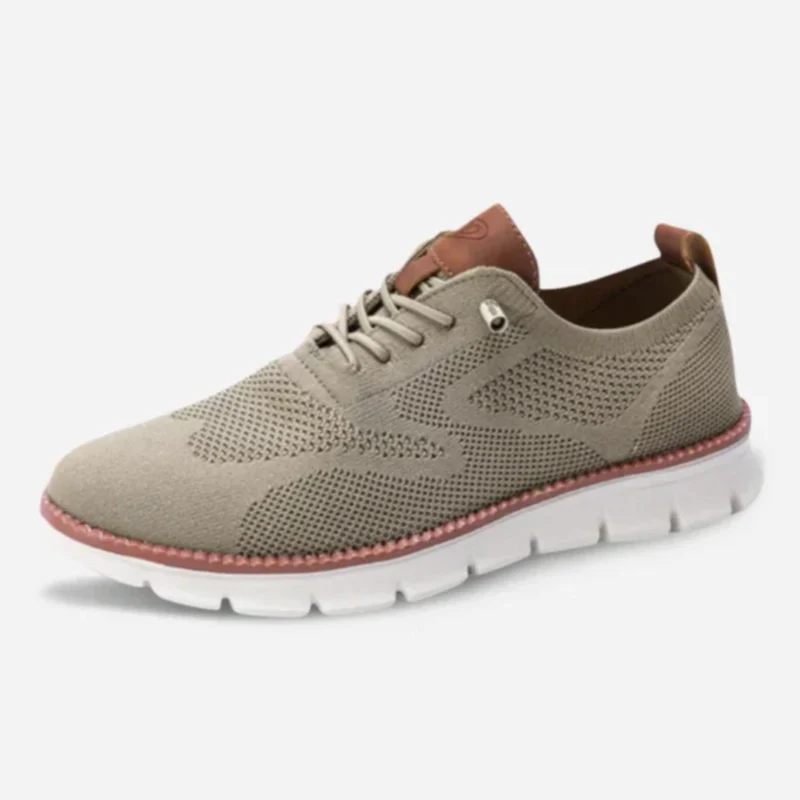
Every step you take matters—whether you’re exploring city streets, powering through your daily routine, or simply refusing to let foot discomfort slow you down. The CloudWalk – Ultra Comfortable Walking Shoes wraps your feet in therapeutic cushioning that turns pavement into clouds, so you can go farther, stay longer, and feel better doing it.
The history of uncomfortable dress shoes dates back to the 19th century. Shoemakers designed formal footwear to signal social status rather than provide comfort. Factory production methods in the early 1900s standardized shoe shapes that fit manufacturing equipment instead of human feet. This legacy continues today.
Modern dress shoes compress your toes by 10-15% compared to barefoot width measurements. The heel height elevation, typically 1-2 inches, shifts your body weight forward. This creates pressure points on the balls of your feet. Leather uppers stretch minimally during the first 20-30 wears, causing blisters and hot spots.
Choosing the Right Size and Fit
Proper sizing forms the foundation of comfortable dress shoes. Your feet swell throughout the day by approximately 8% in volume. Shop for dress shoes in the afternoon or evening when your feet reach maximum size.
Measure both feet every time you purchase shoes. Your dominant foot is typically 2-5mm longer than your non-dominant foot. Buy shoes that fit your larger foot. Use a Brannock device to measure three dimensions:
- Length from heel to longest toe
- Width across the ball of your foot
- Arch length from heel to ball
The correct size provides 3/8 to 1/2 inch of space between your longest toe and the shoe’s end. Your heel should not slip more than 1/4 inch when walking. The widest part of the shoe must align with the widest part of your foot.
Width Specifications Matter
Dress shoe widths range from AAAA (narrowest) to EEEE (widest). Standard width is D for men and B for women. Each width increment adds approximately 3/16 inch to shoe circumference. Most retailers only stock standard widths, forcing 60% of customers into incorrect fits.
Order from manufacturers that offer multiple width options. Allen Edmonds, Alden, and Johnston & Murphy provide up to five width choices per style.
Breaking In New Dress Shoes Properly
Leather dress shoes require 15-25 hours of wear to conform to your foot shape. The break-in process softens the leather fibers and molds the footbed. Rush this process and you risk permanent blisters.
Follow this break-in schedule:
- Week 1: Wear shoes indoors for 1-2 hours daily
- Week 2: Increase to 3-4 hours daily, including short walks
- Week 3: Wear for half-day periods with moleskin on pressure points
- Week 4: Progress to full-day wear
Apply leather conditioner before the first wear. Products containing mink oil, lanolin, or neatsfoot oil penetrate leather fibers and increase flexibility by 20-30%. Rub conditioner into stress points: the vamp crease, heel counter, and toe box edges.
Use shoe stretchers overnight during break-in weeks. Cedar shoe trees maintain shape while absorbing moisture. Adjustable stretchers with bunion plugs target specific pressure points. Stretch shoes in 1/4-width increments over 8-12 hours.
Adding Cushioning and Support Components
Insoles transform dress shoe comfort levels dramatically. The factory footbed in most dress shoes provides minimal arch support and shock absorption. Aftermarket insoles add cushioning without compromising shoe aesthetics.
Insole Types Comparison
| Insole Type | Thickness | Arch Support | Best For | Price Range |
|---|---|---|---|---|
| Gel Pads | 2-3mm | None | Heel cushioning | $10-$20 |
| Memory Foam | 3-5mm | Light | All-day wear | $15-$30 |
| Cork Footbeds | 4-6mm | Moderate | Custom molding | $30-$50 |
| Orthotic Inserts | 5-8mm | Strong | Flat feet, plantar fasciitis | $40-$400 |
Remove factory insoles before adding replacements. This prevents the shoe from becoming too tight. Trim aftermarket insoles to match your removed factory insole’s outline.
Heel grips prevent slippage and reduce friction. Silicone or leather heel pads stick to the inside heel counter. Position them 1/4 inch below the top edge of the counter. This modification eliminates 70-80% of heel blisters.
Metatarsal pads redistribute pressure across the ball of your foot. Place these 1/4 inch behind the ball of your foot, not directly underneath it. The pad should support your metatarsal bones from behind, lifting them slightly.
Stretching Techniques for Problem Areas
Professional cobblers use mechanical stretchers that apply 50-100 pounds of pressure to specific shoe areas. You can achieve similar results at home with the right tools and techniques.
Two-way stretchers expand both length and width simultaneously. Insert the stretcher into your shoe and turn the handle one full rotation daily. Check fit after each adjustment. Over-stretching causes permanent deformation.
Target specific pressure points with these methods:
- Bunions: Insert bunion plugs into stretcher sockets positioned at bunion locations. Apply stretch for 24-48 hours.
- Pinky toes: Use a ball-and-ring stretcher attachment on the outer edge. Stretch in 6-hour increments.
- High insteps: Stuff the vamp area with damp newspaper. Let dry completely for 24 hours. Repeat 2-3 times.
Spray leather stretch solution on problem areas before stretching. These alcohol-based formulas soften leather temporarily, allowing 30-40% more give during the stretching process. Products like Kiwi Leather Stretch or FootFitter Professional Shoe Stretch work within 15 minutes.
Selecting Flexible Sole Constructions
The sole construction method determines how much your shoe flexes during walking. Rigid soles cause foot fatigue because your foot muscles work harder to bend the shoe.
Construction Types
Goodyear Welt: A strip of leather (the welt) joins the upper to the sole. This method produces durable shoes but requires 20-30 wears to break in. The cork layer between insole and outsole eventually molds to your foot.
Blake Stitch: Stitching connects the upper directly to the sole. Blake construction creates lighter, more flexible shoes that require only 5-10 wears to break in. These shoes provide less water resistance than Goodyear welted options.
Cementing: Adhesives bond the sole to the upper. Cemented construction offers immediate flexibility and lighter weight. Durability ranges from 1-3 years versus 5-10 years for welted shoes.
Choose rubber or leather-rubber combination soles over solid leather. Rubber provides shock absorption and flexibility. Dainite rubber soles offer the appearance of leather with 3-4 times the cushioning.
Every step you take matters—whether you’re exploring city streets, powering through your daily routine, or simply refusing to let foot discomfort slow you down. The CloudWalk – Ultra Comfortable Walking Shoes wraps your feet in therapeutic cushioning that turns pavement into clouds, so you can go farther, stay longer, and feel better doing it.
Using Protective Barriers Against Friction
Friction causes 90% of dress shoe discomfort. Your foot slides against the shoe interior with each step, generating heat and pressure. Protective barriers eliminate this contact.
Apply these products strategically:
- Moleskin: Cut pieces 20% larger than hot spots. Stick to shoe interior at blister-prone areas. Lasts 3-5 days per application.
- Blister Block Stick: Glide-on products create a protective film on your skin. Reapply every 4-6 hours. Works well on heels and toe sides.
- Silicone Toe Caps: Slip these over individual toes experiencing rubbing. Particularly effective for the pinky toe and big toe.
- Anti-Friction Powder: Talc-based or cornstarch powders reduce moisture and sliding. Dust inside shoes before wearing.
Apply Band-Aid Friction Block Stick or Body Glide to your feet before inserting them into shoes. These waxy products reduce friction coefficient by 40-50% for 6-8 hours.
Maintaining Proper Leather Conditioning
Leather dries out and stiffens without regular maintenance. Dry leather cracks, loses flexibility, and causes pressure points. Condition leather dress shoes every 15-20 wears or monthly, whichever comes first.
Clean shoes with a damp cloth before conditioning. Remove dirt, salt, and debris that prevent conditioner absorption. Let shoes dry for 30 minutes at room temperature. Never apply heat, which damages leather proteins.
Apply conditioner in thin layers using a soft cloth or horsehair brush. Work product into seams, creases, and flex points where leather experiences the most stress. Let conditioner absorb for 20-30 minutes. Buff away excess with a clean cloth.
Rotate between at least three pairs of dress shoes. Leather needs 24-48 hours to dry completely after wear. Your feet produce 1-2 cups of moisture daily. Continuous wear prevents leather from releasing this moisture, leading to bacterial growth and material breakdown.
Adjusting Lacing Techniques for Pressure Relief
Lacing patterns control fit across your instep and forefoot. Different techniques redistribute pressure and accommodate various foot shapes.
Effective Lacing Methods
Gap Lacing: Skip eyelets over high insteps or bony protrusions. Create a gap at the pressure point. This reduces vertical pressure by 30-40%.
Heel Lock Lacing: Use the top two eyelets to create loops. Thread laces through opposite loops before tying. This locks your heel in place and prevents forward sliding.
Wide Forefoot Lacing: Lace straight across rather than crisscross in the forefoot area. This provides more lateral room for wide forefeet.
Asymmetric Lacing: Tighten one side more than the other to accommodate feet that lean inward or outward. Reduces pressure on prominent bones.
Waxed cotton laces hold knots better than standard laces. They maintain tension throughout the day, requiring fewer adjustments. Replace laces every 6-12 months as they stretch and lose grip.
Choosing Breathable Materials and Linings
Moisture accumulation creates friction and heat. Full-grain leather uppers breathe better than corrected-grain or synthetic materials. Full-grain leather contains intact pores that allow air circulation. Each square inch of quality leather contains 20,000-30,000 pores.
Leather linings absorb more moisture than synthetic linings. Calfskin, kidskin, and pigskin linings pull sweat away from your foot. They dry faster between wears. Synthetic linings trap moisture, creating breeding grounds for bacteria and fungi.
Perforated details (broguing) increase ventilation by 15-20%. Wingtips and full brogues offer more air circulation than plain-toe oxfords. The decorative holes serve a functional purpose.
Apply antiperspirant to your feet 30 minutes before wearing dress shoes. Clinical-strength antiperspirants containing 12-15% aluminum chloride reduce foot perspiration by 50-60%. Focus on the sole and between toes.
When to Consult a Professional Cobbler
Professional cobblers perform modifications impossible to achieve at home. A skilled cobbler can:
- Add 1/4 to 1/2 inch of length by rebuilding the toe box ($40-$80)
- Stretch width by one full size without damage ($25-$40)
- Replace insoles with custom orthotic-compatible footbeds ($60-$100)
- Lower heel height by up to 1/2 inch ($30-$50)
- Add cushioning pads permanently between layers ($20-$35)
Find certified cobblers through the Shoe Service Institute of America. Experienced cobblers complete 3-5 year apprenticeships. They understand leather behavior and shoe construction at expert levels.
Bring shoes to a cobbler during initial break-in if you experience severe pain. Early intervention prevents permanent foot damage and shoe deformation. A cobbler can identify fit issues you might miss.
Summary: Steps to Maximize Dress Shoe Comfort
Transform uncomfortable dress shoes into all-day wearable footwear by following this systematic approach:
- Measure your feet professionally and order correct length and width
- Condition leather thoroughly before first wear
- Break in gradually over 3-4 weeks using the progressive schedule
- Add quality insoles appropriate for your arch type and comfort needs
- Apply protective barriers to friction points on both shoes and feet
- Use proper lacing techniques for your specific foot shape
- Stretch strategically using professional-grade tools and solutions
- Maintain regularly with conditioning every 15-20 wears
- Rotate pairs to allow 48-hour drying periods
- Seek professional help for persistent problems
Dress shoes serve specific professional and formal purposes. Comfort modifications should not compromise the shoe’s intended appearance. Balance aesthetics with foot health by choosing quality construction, proper fit, and evidence-based comfort enhancements. Your feet support your entire body weight. Invest time and resources into footwear that supports them properly.
Every step you take matters—whether you’re exploring city streets, powering through your daily routine, or simply refusing to let foot discomfort slow you down. The CloudWalk – Ultra Comfortable Walking Shoes wraps your feet in therapeutic cushioning that turns pavement into clouds, so you can go farther, stay longer, and feel better doing it.