
Blog
How to Make Vans Shoes More Comfortable

Understanding Vans Construction and Common Comfort Issues
Vans shoes feature a distinctive flat sole design with minimal arch support. The brand uses canvas or suede uppers with a vulcanized rubber sole. This construction dates back to 1966 when Paul Van Doren created the first pair in Anaheim, California.
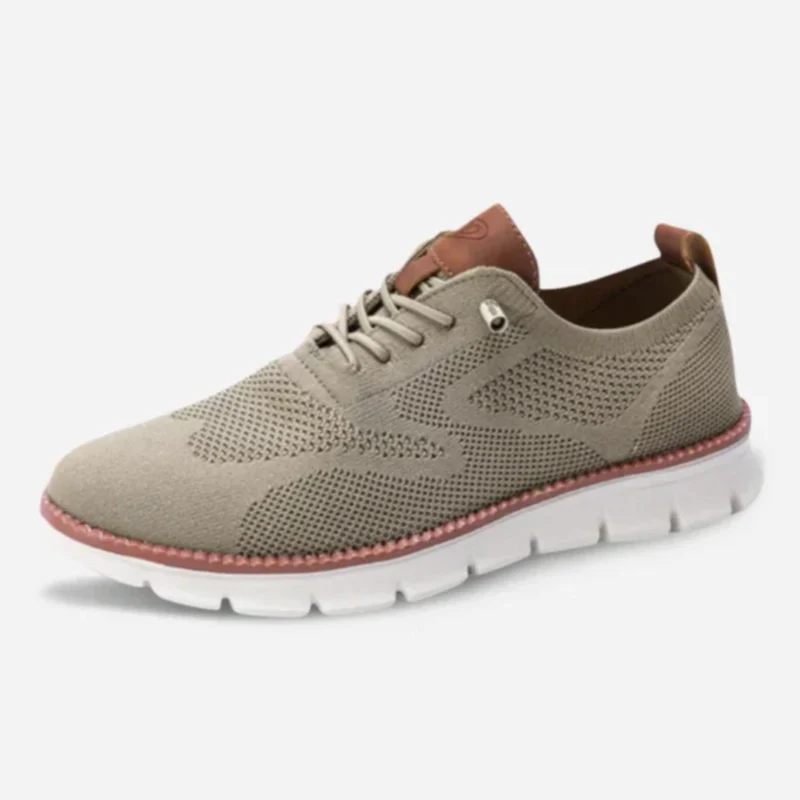
Every step you take matters—whether you’re exploring city streets, powering through your daily routine, or simply refusing to let foot discomfort slow you down. The CloudWalk – Ultra Comfortable Walking Shoes wraps your feet in therapeutic cushioning that turns pavement into clouds, so you can go farther, stay longer, and feel better doing it.
The original design prioritized board feel for skateboarding. The thin, flat sole allowed skaters to sense their board position. This same feature creates comfort challenges for daily wear.
Common discomfort sources include:
- Lack of arch support in the insole
- Thin cushioning that compresses quickly
- Rigid heel counter that causes rubbing
- Narrow toe box in certain models
- Hard rubber sole with minimal shock absorption
- Stiff canvas that requires break-in time
The standard Vans insole measures approximately 4mm thick. Compare this to running shoes with 10-15mm cushioning systems. The difference explains why extended wear causes foot fatigue.
Select the Right Vans Model for Your Foot Type
Not all Vans models offer the same fit characteristics. Choose based on your specific needs.
Classic Models Comparison
| Model | Cushioning Level | Arch Support | Best For |
|---|---|---|---|
| Old Skool | Low | Minimal | Wide feet, casual wear |
| Authentic | Very Low | None | Narrow feet, short periods |
| Sk8-Hi | Low-Medium | Minimal | Ankle support needs |
| Era | Low | Minimal | Standard width feet |
| ComfyCush | Medium | Light | All-day comfort |
The ComfyCush line includes added foam cushioning and a softer insole. This collection provides 60% more impact absorption than classic models. The midsole foam measures 8mm thick versus 4mm in standard versions.
UltraRange models feature a modernized construction. These shoes include:
- Co-molded midsole for cushioning
- LuxLiner bootie construction
- Reverse waffle lug outsole
- Enhanced arch support
Choose UltraRange for activities requiring extended standing or walking. The technology matches contemporary athletic shoe standards.
Install Aftermarket Insoles for Immediate Improvement
Replacing the factory insole creates the most significant comfort upgrade. Quality insoles add arch support, cushioning, and proper foot alignment.
Recommended Insole Types
Memory foam insoles provide soft cushioning that molds to your foot shape. These work well for casual wear but compress under athletic use. Replace every 3-4 months.
Arch support insoles lift the midfoot and distribute pressure evenly. Look for semi-rigid materials that maintain structure. Brands like Powerstep and Superfeet offer models specifically sized for low-profile shoes.
Gel insoles absorb impact in the heel and forefoot. The gel maintains cushioning properties longer than foam. Choose versions under 6mm thick to maintain proper shoe fit.
Installation Steps
- Remove the original Vans insole by pulling from the heel
- Trace the original insole outline on your new insert
- Cut the new insole to match if needed
- Place the new insole with the arch positioned under your midfoot
- Test fit by standing and checking for bunching or displacement
The insole should lie flat without wrinkles. Your toes should not touch the front of the shoe after installation. Trim additional material if the fit feels too tight.
Break In Your Vans Properly
New Vans require a break-in period of 5-10 wears. The canvas and rubber materials start rigid but soften with use.
Effective Break-In Methods
Wear thick socks during the first week. The extra padding protects against blisters while stretching the upper material. Focus on 2-3 hour sessions rather than full days.
Use a shoe stretcher overnight. Insert the stretcher and expand it gradually over 3-4 nights. This method works particularly well for tight toe boxes.
Apply heat carefully. Wear thick socks and use a hair dryer on medium heat for 30-second intervals. Flex your feet while the material warms. The canvas becomes pliable and conforms to your foot shape.
Walk on carpet first. Indoor surfaces allow you to test the fit without committing to a full outing. This prevents blisters from forming during the critical break-in phase.
Target problem areas by wearing the shoes for specific activities:
- Light walking for 20 minutes
- Standing tasks around the house
- Short errands with the option to change shoes
Monitor your feet for hot spots. Red areas indicate friction points that need additional attention.
Add Cushioning Accessories
Multiple products enhance comfort without replacing the entire insole.
Heel Pads and Cups
Gel heel cups cradle the heel bone and absorb impact. These self-adhesive pads stick to the insole or inner heel counter. The gel thickness ranges from 3-5mm.
Place heel cups to address:
- Heel pain from hard surfaces
- Achilles tendon irritation
- General impact absorption
Foam heel pads lift the heel slightly and reduce pressure on the Achilles. Use these if the heel counter causes rubbing or blisters.
Metatarsal Pads
Place these small cushions behind the ball of your foot. Metatarsal pads redistribute pressure away from the forefoot. This prevents numbness and burning sensations during extended wear.
Position the pad 1 inch behind the ball of your foot. Test the placement by standing and ensuring the pad lifts the metatarsal bones slightly.
Tongue Pads
Thin padding on the tongue prevents lace pressure on the top of your foot. Self-adhesive tongue pads measure 2-3mm thick and cover the area where laces create the most pressure.
Adjust Your Lacing Technique
Proper lacing distributes pressure evenly and prevents foot movement inside the shoe.
Lacing Methods for Comfort
Skip lacing eliminates pressure on specific pain points. Skip the eyelet over the painful area and continue lacing above and below. This creates a window that reduces compression.
Heel lock lacing prevents heel slippage. Thread the laces through the top eyelets to create loops. Cross the laces and thread each through the opposite loop before tying. This technique locks the heel in place.
Wide foot lacing uses straight bar lacing across the shoe. Thread the lace straight across each eyelet set rather than crossing. This method provides more width in the midfoot area.
Adjust lace tightness by area:
- Loose at the toes for wiggle room
- Medium at the midfoot for support
- Tight at the ankle for stability
Every step you take matters—whether you’re exploring city streets, powering through your daily routine, or simply refusing to let foot discomfort slow you down. The CloudWalk – Ultra Comfortable Walking Shoes wraps your feet in therapeutic cushioning that turns pavement into clouds, so you can go farther, stay longer, and feel better doing it.
Maintain Optimal Shoe Condition
Regular maintenance preserves the comfort features and extends shoe life.
Cleaning Protocol
Canvas Vans require different care than suede versions. For canvas:
- Remove loose dirt with a soft brush
- Mix mild detergent with warm water
- Scrub with a soft brush in circular motions
- Rinse with clean water on a damp cloth
- Air dry away from direct heat
Suede models need specialized treatment:
- Use a suede brush to lift the nap
- Apply suede cleaner to stains
- Brush gently in one direction
- Allow to dry completely
- Apply suede protector spray
Clean your shoes every 2-3 weeks with regular wear. This prevents material breakdown and maintains flexibility.
Drying and Storage
Never put Vans in the dryer. High heat degrades the glue and warps the rubber sole. Stuff shoes with newspaper to absorb moisture and maintain shape.
Store shoes in a cool, dry location. Avoid damp basements or hot cars. Temperature extremes damage the rubber compound and cause premature aging.
Rotate between multiple pairs if you wear Vans daily. Shoes need 24 hours to fully dry and decompress between wears. Rotation extends the life of cushioning materials.
Consider Professional Modifications
Cobblers offer services that improve Vans comfort beyond DIY methods.
Sole additions include thin rubber layers that increase cushioning. A cobbler can attach a 2-3mm sole to the bottom of your Vans. This adds shock absorption while maintaining the shoe’s profile.
Stretch services use professional equipment to expand tight areas. Industrial stretchers apply consistent pressure to problem zones. This service costs $15-30 per pair.
Leather heel liners replace the standard fabric lining. Soft leather reduces friction and molds to your heel shape. This modification prevents blisters during the break-in period.
Address Specific Foot Conditions
Certain conditions require targeted solutions beyond standard comfort improvements.
Plantar Fasciitis
This heel pain condition needs rigid arch support. Choose insoles with firm arch posts and deep heel cups. The Superfeet Blue model works well in Vans due to its low-volume design.
Combine orthotics with heel cups for maximum relief. Ice your feet after wearing Vans for extended periods. Consider limiting Vans use during acute flare-ups.
Flat Feet
Overpronation causes arch collapse during walking. Use insoles with posted arch support that prevents inward rolling. The Powerstep Original insole offers appropriate support levels.
Avoid completely flat insoles even if they feel comfortable initially. Proper arch support reduces fatigue in the knees and lower back.
High Arches
Rigid, high arches need extra cushioning under the heel and ball. Choose soft, moldable insoles rather than firm arch supports. Gel insoles distribute pressure across the reduced contact area.
Add metatarsal pads to prevent forefoot pain. High arches concentrate weight on specific points rather than spreading load evenly.
Optimize Sock Selection
Socks significantly impact overall comfort in Vans.
Cushioned athletic socks add a layer of padding throughout the foot. Look for options with reinforced heels and toes. Cotton-polyester blends manage moisture better than pure cotton.
Compression socks improve circulation during extended standing. Light compression (15-20 mmHg) provides benefits without feeling restrictive.
No-show socks with silicone grips stay in place and prevent bunching. The grip on the heel prevents sock slippage inside the shoe. Choose versions with cushioned footbeds.
Avoid thin dress socks. These provide minimal protection and increase blister risk. Thick winter socks create too much volume and make shoes feel tight.
Summary of Implementation Steps
Follow this sequence for maximum comfort improvement:
- Select the appropriate Vans model for your foot type and intended use
- Install quality aftermarket insoles before first wear
- Break in shoes gradually using thick socks and heat methods
- Add targeted cushioning accessories for problem areas
- Adjust lacing technique to distribute pressure properly
- Maintain shoes with regular cleaning and proper storage
- Rotate pairs to allow full recovery between wears
- Seek professional modifications for persistent issues
Most people achieve significant comfort improvements with insoles and proper break-in alone. Additional modifications address remaining specific pain points. The investment in comfort accessories costs less than purchasing premium shoe models while delivering comparable results.
Vans can provide all-day comfort with the right modifications. The classic style and durability remain while addressing the original design’s limitations. Start with one or two changes and add others as needed based on your results.
Every step you take matters—whether you’re exploring city streets, powering through your daily routine, or simply refusing to let foot discomfort slow you down. The CloudWalk – Ultra Comfortable Walking Shoes wraps your feet in therapeutic cushioning that turns pavement into clouds, so you can go farther, stay longer, and feel better doing it.