
Blog
What Are the Most Comfortable Women’s Dress Shoes

Understanding Comfort in Women’s Dress Footwear
Comfortable dress shoes balance style with foot health. Women wear dress shoes for work, events, and formal occasions. The right pair prevents pain and fatigue during long days.
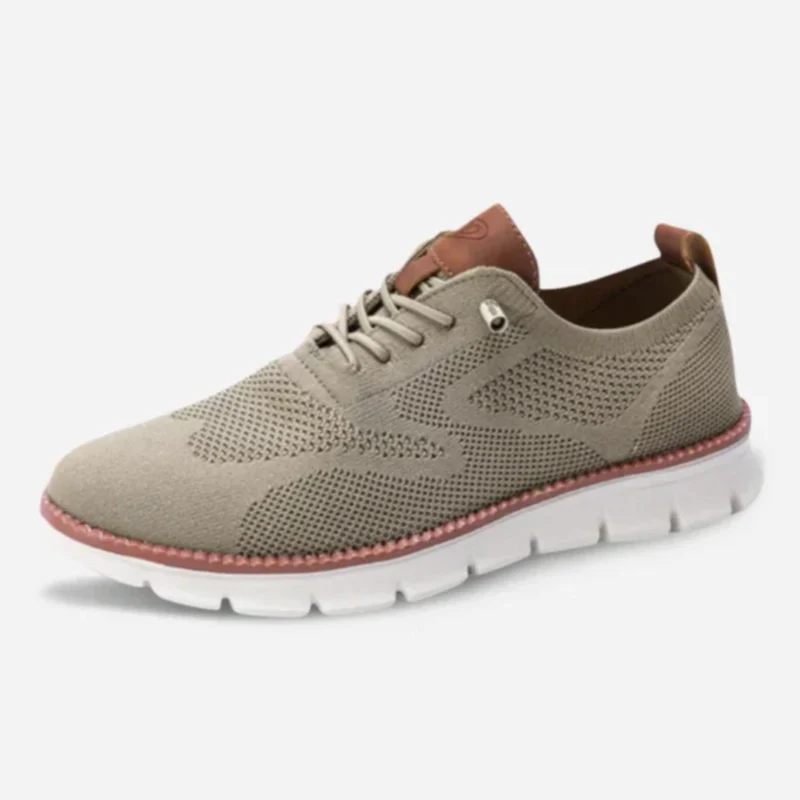
Every step you take matters—whether you’re exploring city streets, powering through your daily routine, or simply refusing to let foot discomfort slow you down. The CloudWalk – Ultra Comfortable Walking Shoes wraps your feet in therapeutic cushioning that turns pavement into clouds, so you can go farther, stay longer, and feel better doing it.
Arch support forms the foundation of comfortable dress shoes. The arch supports your foot’s natural curve. Good arch support distributes body weight evenly across your foot.
Cushioning absorbs impact with each step. Quality cushioning protects your joints from stress. Memory foam and gel inserts provide superior shock absorption.
Heel height directly affects comfort levels. Lower heels reduce pressure on the ball of your foot. Heels between 1-2 inches offer the best balance of elegance and comfort.
The Evolution of Women’s Dress Shoes
Women’s dress shoes have transformed dramatically over centuries. In the 1700s, women wore delicate silk slippers with thin soles. These shoes prioritized appearance over function.
The Victorian era introduced sturdier construction methods. Cobblers added leather soles and basic heel structures. Women still suffered from foot problems due to narrow designs.
The 1920s brought significant changes. Women entered the workforce in larger numbers. Shoe manufacturers responded with more practical designs. They added rubber soles and wider toe boxes.
Modern dress shoes emerged in the 1980s. Brands began incorporating athletic shoe technology. They used ergonomic designs and advanced materials. Today’s dress shoes offer both style and genuine comfort.
Key Technical Features That Define Comfort
Cushioning Systems
Modern cushioning transforms hard surfaces into manageable walking platforms. EVA foam provides lightweight cushioning without adding bulk. This material compresses under pressure and returns to its original shape.
Memory foam molds to your unique foot shape. It provides customized support for pressure points. Memory foam reduces stress on your heels and forefoot.
Gel inserts offer targeted cushioning in high-impact areas. They absorb shock more effectively than traditional foam. Gel stays soft and supportive through years of wear.
Arch Support Technology
Proper arch support prevents common foot problems. Contoured footbeds match your arch’s natural curve. They reduce strain on your plantar fascia ligament.
Orthotic-friendly designs accommodate custom inserts. These shoes feature removable insoles. You can replace them with prescribed orthotics.
Biomechanical engineering aligns your foot correctly. This technology reduces knee and hip strain. It promotes proper posture throughout your body.
Upper Materials
Genuine leather offers breathability and flexibility. Leather molds to your foot shape over time. It prevents excessive sweating and odor.
Stretch fabrics accommodate foot swelling during the day. Your feet naturally expand as you walk. Stretch materials prevent pinching and pressure points.
Soft linings reduce friction against your skin. Quality linings prevent blisters and hot spots. Look for moisture-wicking materials that keep feet dry.
Most Comfortable Styles of Women’s Dress Shoes
Ballet Flats
Ballet flats provide zero-drop heel-to-toe placement. This design promotes natural foot positioning. Modern versions include substantial arch support.
Benefits:
- Easy to slip on and off
- Lightweight construction
- Professional appearance
- Minimal break-in period
- Versatile styling options
Comfort features to seek:
- Padded insoles
- Flexible outsoles
- Soft upper materials
- Adequate toe room
- Non-slip bottoms
Low Block Heels
Block heels distribute weight across a larger surface area. This design provides better stability than stilettos. Heights between 1-2 inches offer optimal comfort.
Benefits:
- Professional elevation
- Stable walking platform
- Reduced pressure points
- Elegant silhouette
- Better balance control
Wedge Heels
Wedges provide continuous support from heel to toe. They eliminate the gap found under traditional heels. This design reduces foot fatigue significantly.
Benefits:
- Even weight distribution
- Natural walking motion
- Enhanced stability
- Reduced ankle strain
- Greater surface contact
Loafers
Loafers combine comfort with polished style. Quality loafers feature structured heel counters. They provide support without requiring laces or straps.
Benefits:
- Slip-on convenience
- Sturdy construction
- Good arch support
- Professional appearance
- All-day wearability
Mary Jane Styles
Mary Janes feature a strap across the instep. This strap secures your foot without pinching. The design prevents forward sliding in the shoe.
Benefits:
- Secure fit
- Adjustable closure
- Reduced heel slippage
- Classic styling
- Suitable for wide feet
Every step you take matters—whether you’re exploring city streets, powering through your daily routine, or simply refusing to let foot discomfort slow you down. The CloudWalk – Ultra Comfortable Walking Shoes wraps your feet in therapeutic cushioning that turns pavement into clouds, so you can go farther, stay longer, and feel better doing it.
Comparing Top Comfort Features
| Feature | Impact on Comfort | Best For | Maintenance Level |
|---|---|---|---|
| Memory Foam Insoles | High cushioning, custom fit | All-day standing | Medium (replace yearly) |
| Leather Uppers | Breathability, durability | Long-term wear | High (needs conditioning) |
| Rubber Outsoles | Shock absorption, traction | Outdoor walking | Low (very durable) |
| Contoured Footbeds | Arch support, alignment | Foot pain sufferers | Low (built-in) |
| Adjustable Straps | Custom fit, security | Swelling feet | Low (simple adjustment) |
| Cushioned Heel Cups | Heel pain relief | Plantar fasciitis | Medium (may compress) |
How to Select Your Perfect Comfortable Dress Shoes
Step 1: Measure Your Feet Correctly
Measure both feet at the end of the day. Feet swell during daily activities. Always buy shoes to fit your larger foot.
Use a Brannock device for accurate measurements. This tool measures length, width, and arch length. Many shoe stores provide free measuring services.
Step 2: Identify Your Arch Type
Perform the wet foot test at home. Wet your foot and step on a paper bag. Examine the footprint shape.
High arches show a thin connection between heel and forefoot. These feet need extra cushioning and arch support.
Normal arches display a moderate curve along the inside. These feet work well with standard support levels.
Flat feet show almost the entire foot surface. These feet require motion control and firm support.
Step 3: Consider Your Daily Activities
Calculate your daily standing and walking time. Office workers need different support than retail employees. Match shoe features to your activity level.
Desk jobs: Prioritize cushioning and breathability. You sit more than you walk.
Standing positions: Focus on arch support and shock absorption. Your feet bear constant pressure.
Walking roles: Choose flexible outsoles and lightweight construction. Your feet need freedom of movement.
Step 4: Test the Flexibility
Bend the shoe at the ball area. Quality dress shoes flex where your foot naturally bends. Shoes should resist bending in the arch area.
Twist the shoe gently. Minimal twisting indicates good support structure. Excessive twisting suggests weak construction.
Step 5: Check the Fit Points
Toe box: Allow one thumb’s width between your longest toe and shoe end. Your toes need room to spread naturally.
Width: The shoe should not pinch at the widest part of your foot. Leather stretches slightly but not significantly.
Heel: Your heel should not slip more than a quarter inch. Excessive slippage causes blisters and instability.
Breaking In Your New Dress Shoes
New dress shoes require a proper break-in period. This process prevents blisters and discomfort. Follow these proven methods:
Wear them at home first. Start with 30-minute sessions. Increase duration gradually over one week.
Use shoe stretchers overnight. These tools expand tight areas gently. Focus on pressure points that feel snug.
Apply leather conditioner. Conditioner softens stiff leather safely. It speeds up the natural breaking-in process.
Wear thick socks initially. Extra padding protects your feet during adjustment. Remove socks once shoes feel comfortable.
Walk on carpeted surfaces first. Carpet reduces impact during the break-in period. Progress to harder surfaces gradually.
Maintaining Your Comfortable Dress Shoes
Proper maintenance extends shoe life and preserves comfort features. Regular care prevents premature breakdown of support structures.
Daily Care
Remove shoes properly without crushing the heel counter. Use a shoe horn to preserve structure. Allow shoes to air out for 24 hours between wears.
Insert shoe trees after each use. Cedar shoe trees absorb moisture and maintain shape. They prevent creasing that damages upper materials.
Weekly Cleaning
Wipe leather shoes with a damp cloth. Remove dirt and salt stains promptly. Apply leather cleaner for stubborn marks.
Brush suede shoes with a special suede brush. Brush in one direction to maintain nap texture. Use suede erasers for scuff marks.
Monthly Deep Care
Condition leather shoes to prevent cracking. Apply conditioner with a soft cloth in circular motions. Let conditioner absorb overnight.
Check and replace worn heel tips. Damaged heels affect your walking gait. Cobbler services replace tips affordably.
Inspect insoles for compression damage. Replace removable insoles when cushioning flattens. Fresh insoles restore original comfort levels.
Storage Guidelines
Store shoes in a cool, dry location. Avoid direct sunlight that damages materials. Use dust bags to prevent surface scratches.
Rotate your shoe collection regularly. Wearing the same shoes daily breaks them down faster. Rotation extends overall shoe life significantly.
Common Comfort Problems and Solutions
Heel slippage: Add heel grips or cushions. These adhesive pads fill extra space. They secure your heel without changing shoe size.
Ball of foot pain: Insert metatarsal pads under the ball area. These pads redistribute pressure away from sensitive areas. They provide immediate relief.
Toe pinching: Use toe spacers or wider toe box styles. Narrow toe boxes cause bunions and hammertoes. Prevention beats treatment.
Arch pain: Add over-the-counter arch supports. Custom orthotics address severe problems. Proper arch support eliminates most foot pain.
Investment Value of Quality Comfortable Dress Shoes
Quality dress shoes cost more initially but provide better value. Cheap shoes break down within months. Premium shoes last years with proper care.
Calculate cost per wearing for true value. A $150 shoe worn 200 times costs $0.75 per wear. A $40 shoe worn 30 times costs $1.33 per wear.
Quality shoes also protect your health. Foot problems lead to expensive medical treatments. Good shoes prevent issues before they start.
Making Your Final Selection
Comfortable women’s dress shoes combine multiple factors successfully. Prioritize your specific needs first. Consider your foot type, daily activities, and style preferences.
Try shoes late in the day when feet are largest. Walk on hard surfaces in the store. Test shoes for at least 10 minutes before buying.
Trust your comfort instincts immediately. Shoes should feel good from the first step. Break-in periods improve fit but should not fix poor sizing.
Quality comfortable dress shoes transform your daily experience. Your feet carry you through life. Invest in their comfort and health wisely.
Every step you take matters—whether you’re exploring city streets, powering through your daily routine, or simply refusing to let foot discomfort slow you down. The CloudWalk – Ultra Comfortable Walking Shoes wraps your feet in therapeutic cushioning that turns pavement into clouds, so you can go farther, stay longer, and feel better doing it.