
Blog
What Is the Most Comfortable Dress Shoe for Women?

Understanding Comfort in Women’s Dress Shoes
Comfort in dress shoes depends on specific design elements. The most comfortable dress shoes balance arch support, cushioning, heel height, and material flexibility. Women need dress shoes that perform well during long workdays, formal events, and business meetings.
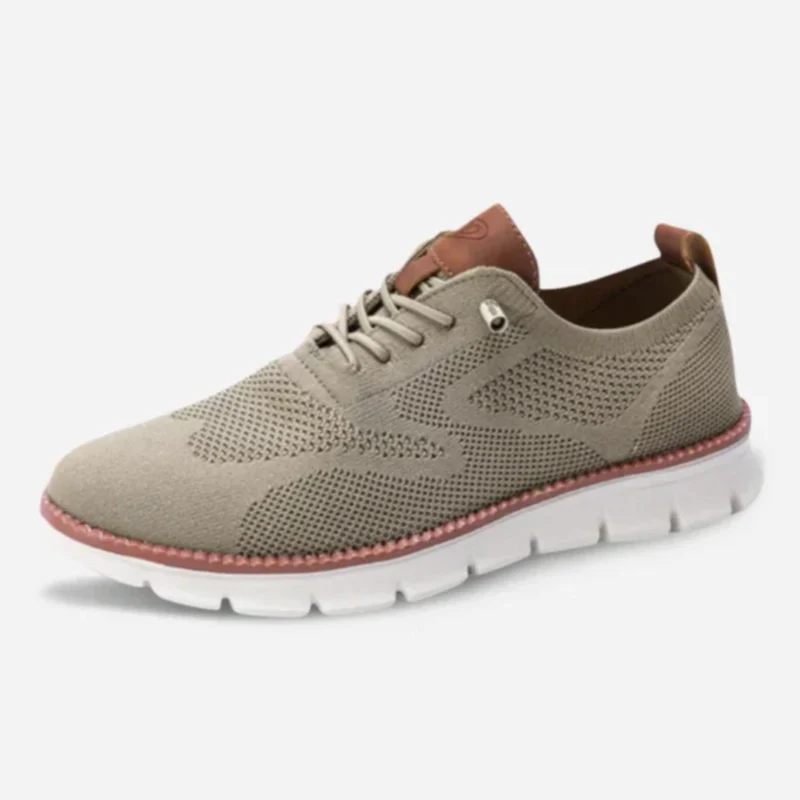
Every step you take matters—whether you’re exploring city streets, powering through your daily routine, or simply refusing to let foot discomfort slow you down. The CloudWalk – Ultra Comfortable Walking Shoes wraps your feet in therapeutic cushioning that turns pavement into clouds, so you can go farther, stay longer, and feel better doing it.
The foot contains 26 bones, 33 joints, and over 100 muscles. Uncomfortable shoes create pressure points that cause pain, blisters, and long-term foot problems. Comfortable dress shoes distribute weight evenly across the foot and provide adequate support for natural movement.
The Evolution of Women’s Dress Shoes
Women’s dress shoes have changed dramatically over the past century. In the early 1900s, manufacturers prioritized appearance over comfort. Women wore narrow, pointed shoes with rigid leather uppers. These shoes caused bunions, corns, and foot deformities.
The 1960s brought the first significant shift. Shoe designers began incorporating orthopedic principles into dress shoe construction. Manufacturers added cushioned insoles and wider toe boxes.
The 1990s introduced athletic shoe technology into dress footwear. Companies started using memory foam, gel cushioning, and shock-absorbing materials in professional shoes. This revolution created the modern comfortable dress shoe category.
Today’s dress shoes use advanced materials like breathable mesh linings, flexible rubber outsoles, and contoured footbeds. Many brands now employ podiatrists during the design process.
Key Features That Define Comfortable Dress Shoes
Arch Support
The arch supports the foot’s natural structure. Proper arch support prevents overpronation and reduces strain on the plantar fascia. Look for shoes with contoured footbeds that match your arch type.
Three arch types exist:
- Low arches (flat feet) need motion control and stability
- Normal arches require moderate support
- High arches benefit from extra cushioning
Cushioning Technology
Cushioning absorbs impact forces during walking. The best dress shoes incorporate multiple cushioning layers:
- Footbed cushioning – Direct contact with the foot
- Midsole padding – Shock absorption layer
- Outsole flexibility – Ground contact comfort
Memory foam molds to your foot shape over time. Gel inserts target specific pressure points. EVA foam provides lightweight cushioning without adding bulk.
Heel Height and Design
Heel height directly affects comfort levels. Podiatrists recommend heels between 1 and 2 inches for all-day wear. This height maintains natural foot alignment without excessive forefoot pressure.
Block heels distribute weight more evenly than stilettos. A wider heel base provides better stability and reduces ankle strain. Kitten heels (1.5 inches) offer an elegant compromise between flat shoes and high heels.
Toe Box Space
The toe box must accommodate natural toe spread. Cramped toes develop hammertoes, bunions, and nerve compression. A proper toe box allows 0.5 inches between your longest toe and the shoe’s end.
Round and almond-shaped toe boxes provide more room than pointed styles. Women with wider feet should seek shoes marked as wide width or extra-wide.
Material Quality
Leather remains the premium choice for dress shoes. Full-grain leather breathes well, molds to your foot, and lasts for years. Leather uppers prevent moisture buildup and reduce bacterial growth.
Alternative materials include:
- Suede – Soft and flexible, requires protection from water
- Patent leather – Formal appearance, less breathable
- Synthetic materials – Affordable, varying quality levels
Leather linings prevent friction and blisters. Mesh panels add breathability in strategic areas.
Comparison of Popular Comfortable Dress Shoe Styles
| Style | Heel Height | Support Level | Best For | Formality |
|---|---|---|---|---|
| Ballet Flats | 0-0.5 inches | Low-Medium | Casual offices, standing | Business Casual |
| Loafers | 0.5-1 inch | Medium | All-day wear, walking | Business Casual |
| Block Heel Pumps | 2-3 inches | Medium-High | Presentations, meetings | Business Professional |
| Kitten Heels | 1.5 inches | Medium | Long workdays, events | Business Professional |
| Mary Janes | 1-2 inches | High | Extended standing, teaching | Business Casual |
| Oxfords | 0.5-1 inch | High | Walking, commuting | Business Professional |
Top Categories of Comfortable Dress Shoes
Comfort-Focused Pumps
Pumps remain essential for professional wardrobes. Modern comfort pumps feature cushioned insoles, lower heel heights, and padded heel cups. Look for pumps with a 2-inch heel maximum for all-day comfort.
Quality pumps include:
- Removable insoles for custom orthotics
- Padded collars that prevent heel slippage
- Flexible outsoles that bend with foot movement
Professional Loafers
Loafers combine professionalism with exceptional comfort. These slip-on shoes work well for women who walk frequently during their workday. The best loafers have contoured footbeds and cushioned midsoles.
Choose loafers with:
- Elastic goring for secure fit
- Cushioned sock liners
- Rubber outsoles for traction
Mary Jane Styles
Mary Jane shoes feature a strap across the instep. This strap provides security and prevents forward foot slide. Mary Janes distribute pressure evenly and accommodate orthotics easily.
The adjustable strap allows you to customize fit throughout the day. This style works well for women with narrow heels or wide forefeet.
Classic Oxfords
Oxfords offer maximum support through laced closure systems. Women can adjust tightness throughout the day as feet swell. Oxford construction typically includes reinforced heel counters and structured arch support.
These shoes excel for:
- Long commutes
- Business travel
- Conference attendance
- Extended standing
Every step you take matters—whether you’re exploring city streets, powering through your daily routine, or simply refusing to let foot discomfort slow you down. The CloudWalk – Ultra Comfortable Walking Shoes wraps your feet in therapeutic cushioning that turns pavement into clouds, so you can go farther, stay longer, and feel better doing it.
Technical Specifications to Examine
Outsole Composition
Rubber outsoles provide superior traction and durability. Thermoplastic rubber (TPR) offers flexibility and shock absorption. Leather outsoles look elegant but require rubber heel and toe taps for longevity.
Check the outsole thickness. Thinner soles (under 3mm) provide minimal protection from ground impact. Optimal thickness ranges from 5mm to 8mm.
Heel Counter Rigidity
The heel counter cups your heel bone. A firm but not rigid heel counter prevents excessive motion. Test this by squeezing the heel area—it should resist compression but not feel rock-hard.
Weak heel counters allow your foot to roll inward or outward. This misalignment creates knee and hip pain over time.
Removable Insoles
Removable insoles allow you to insert custom orthotics or replace worn cushioning. This feature extends shoe lifespan significantly. Check whether the insole lifts out easily without damaging the shoe construction.
Weight Distribution
Pick up the shoe and examine its balance point. Well-designed dress shoes feel balanced when held at the arch area. Heavy heels create backward pull during walking.
Total shoe weight matters too. Shoes weighing over 12 ounces per shoe cause leg fatigue during extended wear.
Breaking In Your Dress Shoes Properly
New dress shoes require a break-in period. Leather molds to your foot shape through repeated wear. Rushing this process causes blisters and pressure points.
Follow these break-in steps:
- Wear new shoes for 1-2 hours indoors
- Gradually increase wearing time over one week
- Use shoe stretchers on tight areas overnight
- Apply leather conditioner to soften stiff spots
- Wear cushioned socks during initial wears
Never wear brand-new dress shoes for a full workday or special event. Plan for at least two weeks of gradual break-in time.
Maintenance for Long-Term Comfort
Proper maintenance preserves comfort features over time. Cushioning compresses, materials break down, and support structures weaken without care.
Daily Maintenance
- Remove shoes immediately when home
- Use shoe trees to maintain shape
- Wipe away dirt and moisture after each wear
- Allow shoes to air dry completely between wears
Weekly Care
- Condition leather to maintain flexibility
- Clean insoles with gentle soap
- Inspect for wear patterns
- Rotate between multiple pairs
Monthly Checks
- Replace worn heel taps
- Add cushioning inserts if needed
- Professional cleaning for stubborn stains
- Evaluate overall structural integrity
Most quality dress shoes last 1-2 years with proper care. Replace shoes when arch support collapses or cushioning no longer rebounds.
Selecting Your Most Comfortable Dress Shoe
The selection process requires systematic evaluation. Follow these steps:
Step 1: Measure Your Feet Get measured by a professional at least once yearly. Foot size changes with age, weight fluctuations, and pregnancy. Measure both feet—most people have one slightly larger foot.
Step 2: Shop at Day’s End Feet swell throughout the day. Shop for shoes in the afternoon or evening when your feet are at their largest size.
Step 3: Test Both Shoes Walk around the store for at least 10 minutes. Stand on hard surfaces, not just carpet. Your heel should not slip, and your toes should not touch the front.
Step 4: Check Flexibility Bend the shoe at the ball area. It should flex easily without resistance. Stiff shoes restrict natural foot movement.
Step 5: Assess Immediate Comfort Comfortable shoes feel good immediately. You should not need to “get used to” pain or pressure. Minor tightness during break-in is normal, but sharp pain indicates poor fit.
Step 6: Consider Your Activities Match shoe features to your daily routine. Teachers need more cushioning than desk workers. Sales professionals require better traction than office managers.
The Most Comfortable Options Available
The most comfortable dress shoe varies by individual foot shape and professional needs. Women with high arches benefit from shoes with enhanced cushioning. Those with flat feet require motion control features.
Block heel pumps with removable insoles serve most professional environments well. These shoes provide elevation for formal settings while maintaining all-day comfort. Look for heels between 1.5 and 2.5 inches with cushioned footbeds.
For maximum versatility, choose leather shoes with rubber outsoles. This combination provides durability, breathability, and traction across various surfaces.
The investment in comfortable dress shoes pays dividends through reduced foot pain, better posture, and professional confidence. Prioritize fit and support over fashion trends. Your feet will thank you.
Every step you take matters—whether you’re exploring city streets, powering through your daily routine, or simply refusing to let foot discomfort slow you down. The CloudWalk – Ultra Comfortable Walking Shoes wraps your feet in therapeutic cushioning that turns pavement into clouds, so you can go farther, stay longer, and feel better doing it.