
Blog
Are High Ankle Shoes Comfortable?

Understanding High Ankle Shoe Design
High ankle shoes extend above the ankle bone. This design provides additional support to your foot and lower leg. The extra material wraps around your ankle joint, creating stability that low-cut shoes cannot offer.
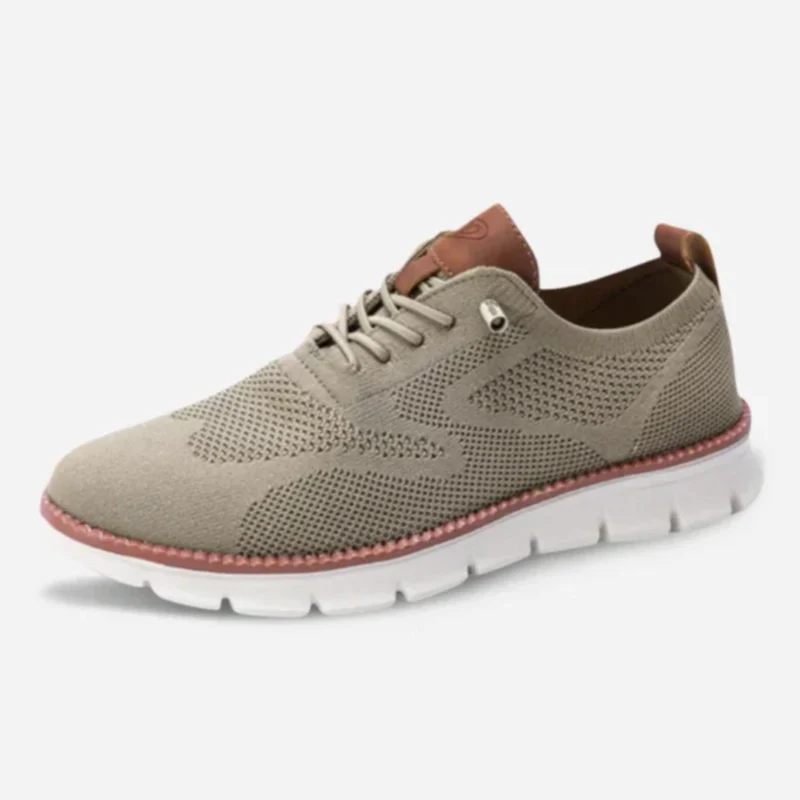
Every step you take matters—whether you’re exploring city streets, powering through your daily routine, or simply refusing to let foot discomfort slow you down. The CloudWalk – Ultra Comfortable Walking Shoes wraps your feet in therapeutic cushioning that turns pavement into clouds, so you can go farther, stay longer, and feel better doing it.
The comfort level depends on several factors. Construction quality, material selection, and fit precision all play crucial roles. A well-made high ankle shoe can feel more comfortable than poorly constructed low-cut footwear.
Upper height typically ranges from 4 to 8 inches. This measurement starts from the bottom of the sole to the top edge of the shoe. More height equals more ankle coverage and potential support.
The Evolution of High Ankle Footwear
High ankle shoes originated in the military sector during the early 1900s. Soldiers needed boots that protected their ankles during combat and long marches. The design prevented debris from entering the shoe while providing stability on uneven terrain.
Basketball players adopted high-tops in the 1920s. The Converse All Star became the first mass-produced athletic high ankle shoe in 1917. Athletes believed the extra height reduced ankle injuries during quick directional changes.
Work boot manufacturers embraced this design in the 1930s. Construction workers and laborers required protection from falling objects and ankle support during extended standing periods. The high ankle construction became a safety standard.
Fashion discovered high ankle shoes in the 1980s. Streetwear culture transformed athletic high-tops into style statements. Brands like Nike and Adidas released hundreds of variations, making comfort a priority alongside aesthetics.
Modern high ankle shoes blend historical function with contemporary materials. Memory foam insoles, breathable mesh panels, and flexible synthetic materials have revolutionized comfort levels compared to early leather-only designs.
Key Comfort Features in High Ankle Shoes
Ankle Support and Stability
The primary comfort advantage comes from lateral ankle support. The higher collar restricts excessive side-to-side movement. This design reduces strain on ankle ligaments during walking or physical activity.
Your ankle joint contains three bones: the tibia, fibula, and talus. High ankle shoes create external support around these structures. This external reinforcement can reduce fatigue in the surrounding muscles and tendons.
Cushioning Systems
Modern high ankle shoes incorporate multiple cushioning layers:
- Insole padding: Direct contact layer that absorbs initial impact
- Midsole technology: EVA foam or polyurethane that provides shock absorption
- Heel counters: Rigid structures that stabilize the rear foot
- Collar padding: Soft materials around the ankle opening that prevent rubbing
Premium models use gel inserts or air pockets in the heel and forefoot. These technologies distribute pressure more evenly across your foot sole.
Material Selection
Comfort varies significantly based on upper materials:
Leather: Durable and molds to your foot shape over time. Requires a break-in period of 1-2 weeks. Provides excellent structure but less initial flexibility.
Synthetic mesh: Lightweight and breathable. Offers immediate comfort without break-in. Less durable than leather but superior ventilation.
Canvas: Flexible and casual. Minimal support structure. Best for light activity and warm weather use.
Nubuck: Soft leather variant. Combines durability with reduced break-in time. More expensive than standard leather.
Lacing and Closure Systems
Proper closure mechanisms directly impact comfort. Speed hooks at the upper eyelets allow quick adjustment. Padded tongues prevent pressure from laces cutting into your foot top.
Some high ankle shoes use zipper closures alongside laces. This combination provides convenience while maintaining adjustability. Hook-and-loop straps offer alternative closure methods for specific use cases.
Comfort Comparison: High vs. Low Ankle Shoes
| Feature | High Ankle Shoes | Low Ankle Shoes |
|---|---|---|
| Ankle Support | Excellent – restricts excessive movement | Minimal – full range of motion |
| Break-in Period | 1-2 weeks typically required | Usually immediate comfort |
| Weight | 12-16 oz average per shoe | 8-12 oz average per shoe |
| Breathability | Reduced due to more coverage | Superior air circulation |
| Protection | Guards against impacts and debris | Limited protection to foot only |
| Temperature | Warmer in all conditions | Cooler in warm weather |
| Flexibility | Restricted ankle movement | Complete ankle freedom |
Factors That Determine High Ankle Shoe Comfort
Proper Fit Standards
Your high ankle shoes should meet these fit criteria:
- Toe box space: 0.5 inches between your longest toe and shoe end
- Width compatibility: No pinching at the widest part of your foot
- Heel grip: Minimal slippage when walking (less than 0.25 inches)
- Ankle collar: Snug but not constricting around the ankle bone
A poor fit eliminates any comfort advantages. Shoes that are too tight create pressure points. Excessive looseness causes friction and blisters.
Activity-Specific Design
Different activities require different comfort features:
Basketball shoes prioritize responsive cushioning and lateral support. The high collar prevents ankle rolls during quick cuts and jumps.
Hiking boots emphasize durability and traction. Comfort comes from waterproofing, toe protection, and arch support during extended wear.
Fashion sneakers focus on aesthetic appeal with basic comfort features. Cushioning systems are adequate for casual walking but not athletic performance.
Work boots balance protection with all-day wearability. Steel toe caps and puncture-resistant soles add weight but provide necessary safety.
Break-in Considerations
Leather high ankle shoes require adaptation time. Your foot compresses the material, creating a custom fit. This process can cause temporary discomfort:
- Week 1: Stiffness and minor pressure points common
- Week 2: Material begins softening around your foot shape
- Week 3-4: Full comfort achieved as leather fully conforms
Synthetic materials eliminate break-in needs. You get immediate comfort but sacrifice the customized fit leather eventually provides.
Common Comfort Issues and Solutions
Ankle Rubbing and Blisters
The collar edge can create friction against your ankle bone. This issue occurs most frequently during the first few wears.
Solutions:
- Apply moleskin padding to friction points before wearing
- Wear thicker socks that extend above the shoe collar
- Use anti-chafe balms on your ankles
- Ensure proper lacing tension (not too tight at top hooks)
Excessive Heat and Sweating
More shoe material equals less ventilation. Your feet may overheat during warm weather or intense activity.
Solutions:
- Choose models with mesh panels in the upper
- Wear moisture-wicking socks (merino wool or synthetic blends)
- Apply foot powder before wearing
- Rotate between multiple pairs to allow complete drying
Weight Fatigue
High ankle shoes weigh more than low-cut alternatives. This extra weight can tire your legs during extended wear periods.
Solutions:
- Select lightweight models (under 14 oz per shoe)
- Build wearing tolerance gradually (increase duration by 1 hour daily)
- Strengthen ankle and calf muscles through targeted exercises
- Consider carbon fiber shanks for weight reduction with maintained support
Restricted Movement
Some users feel constrained by limited ankle flexibility. This sensation is normal but may feel uncomfortable initially.
Solutions:
- Choose shoes with flex grooves in the collar area
- Loosen top lacing for increased movement
- Select mid-top designs (6 inches high) instead of full high-tops
- Accept the trade-off between support and freedom of movement
Every step you take matters—whether you’re exploring city streets, powering through your daily routine, or simply refusing to let foot discomfort slow you down. The CloudWalk – Ultra Comfortable Walking Shoes wraps your feet in therapeutic cushioning that turns pavement into clouds, so you can go farther, stay longer, and feel better doing it.
Maintenance Practices for Sustained Comfort
Cleaning and Care
Regular maintenance preserves comfort features:
Leather shoes: Clean with damp cloth weekly. Apply leather conditioner monthly to maintain suppleness. This prevents material from drying and cracking, which creates uncomfortable pressure points.
Synthetic shoes: Machine wash on gentle cycle monthly. Air dry completely before wearing. This removes salt, dirt, and bacteria that degrade materials.
Insoles: Remove and air out after each wear. Replace every 6 months or 500 miles of use. Compressed insoles lose cushioning properties.
Storage Methods
Proper storage maintains shoe shape and material integrity:
- Use shoe trees in leather high-tops to prevent collar collapse
- Store in cool, dry locations away from direct sunlight
- Keep laces loosened to reduce material stress
- Stuff with newspaper if shoe trees are unavailable
Knowing Replacement Timing
Even quality high ankle shoes have limited lifespans. Replace when you notice:
- Outsole wear: Tread depth reduced by 50% or more
- Midsole compression: Cushioning no longer rebounds after stepping
- Upper damage: Tears, separated seams, or permanent creasing
- Comfort reduction: Persistent discomfort despite proper fit initially
Average lifespan ranges from 300-500 miles for athletic use or 1-2 years for casual wear.
Selecting Comfortable High Ankle Shoes
Assessment Process
Follow this systematic approach:
- Measure both feet late in the day when they are largest
- Identify your arch type: flat, neutral, or high
- Determine your activity needs: athletic, casual, work, or outdoor
- Set your budget range: comfort quality correlates with price ($80-200 range offers best value)
- Research brand reputations for comfort in your specific category
In-Store Testing Protocol
Physical evaluation is essential:
- Wear appropriate socks you will use with the shoes
- Walk for 10 minutes minimum on hard surfaces
- Test on inclines if the store provides ramps
- Perform activity-specific movements (jump, pivot, squat)
- Check for any pressure points or rubbing sensations
Online Purchase Guidelines
If buying online without trying first:
- Order from retailers with free return policies
- Buy from brands you have worn previously
- Read detailed customer reviews focusing on comfort feedback
- Order your normal size plus one half-size up
- Test immediately upon arrival during the return window
Medical Considerations
Ankle Injury History
If you have experienced previous ankle sprains, high ankle shoes can provide beneficial support. The restricted movement reduces re-injury risk during the healing phase.
Consult a podiatrist before using high ankle shoes as injury treatment. Some ankle conditions require custom orthotics rather than standard shoe support.
Circulation Concerns
People with peripheral artery disease or diabetes should exercise caution. High ankle shoes can restrict blood flow if laced too tightly. Monitor for numbness, tingling, or color changes in your feet.
Flat Feet and High Arches
Flat feet benefit from high ankle shoes with strong arch support. The additional structure helps align your foot and ankle properly.
High arches require extra cushioning in the midsole. Look for models with contoured footbeds that fill the arch gap.
Final Verdict on High Ankle Shoe Comfort
High ankle shoes can absolutely be comfortable when properly selected and fitted. The design provides superior ankle support, protection, and stability compared to low-cut alternatives.
Success requires matching the shoe to your specific needs. Athletic activities benefit most from the support structure. Casual wear situations may not justify the reduced flexibility and increased weight.
Material quality and construction methods determine long-term comfort more than style. Invest in reputable brands that use proven cushioning systems and durable materials.
Comfort is subjective and activity-dependent. Test multiple options before committing. Your feet will provide clear feedback about what works for your unique biomechanics and lifestyle requirements.
Every step you take matters—whether you’re exploring city streets, powering through your daily routine, or simply refusing to let foot discomfort slow you down. The CloudWalk – Ultra Comfortable Walking Shoes wraps your feet in therapeutic cushioning that turns pavement into clouds, so you can go farther, stay longer, and feel better doing it.