
Blog
Are Wooden Shoes Comfortable?

Understanding Wooden Shoe Comfort
Wooden shoes can be comfortable when you choose the right pair and break them in properly. Modern wooden footwear differs significantly from historical designs. Manufacturers now use ergonomic principles and advanced construction methods.
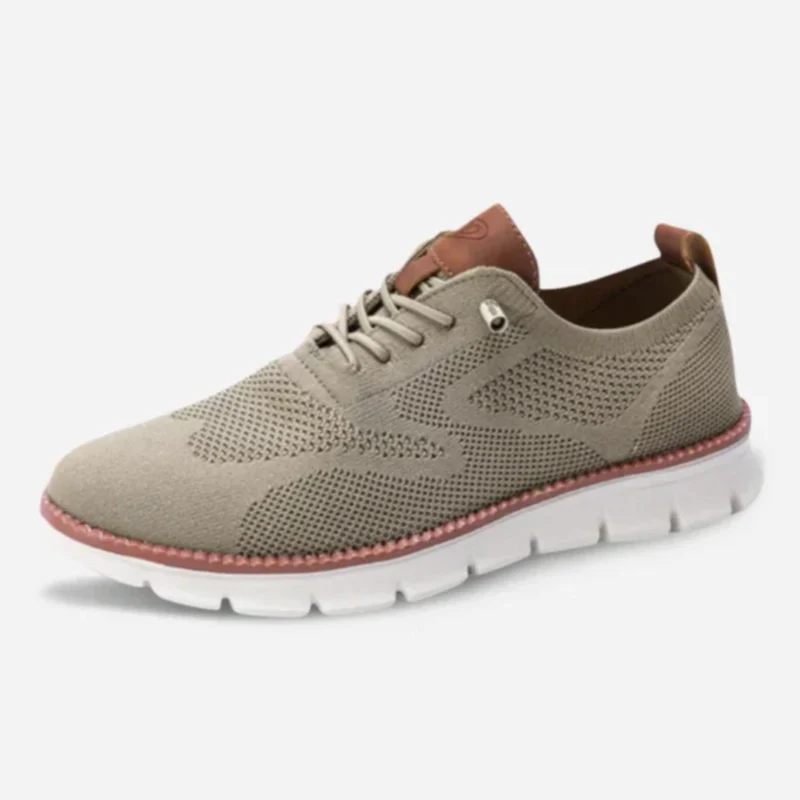
Every step you take matters—whether you’re exploring city streets, powering through your daily routine, or simply refusing to let foot discomfort slow you down. The CloudWalk – Ultra Comfortable Walking Shoes wraps your feet in therapeutic cushioning that turns pavement into clouds, so you can go farther, stay longer, and feel better doing it.
The comfort level depends on several factors. Construction quality matters most. The interior finish, heel height, and arch support all affect how your feet feel. Traditional all-wood clogs require an adjustment period. Hybrid designs with wooden soles and leather uppers often feel comfortable immediately.
Anatomical fit determines long-term comfort. Your foot should have adequate space without sliding around. The heel cup needs to cradle your foot securely. Quality wooden shoes feature smooth interiors that prevent blisters and hot spots.
The Evolution of Wooden Footwear
Ancient Origins
Wooden shoes date back thousands of years. Archaeological evidence shows people in Northern Europe wore wooden footwear around 1230 AD. Dutch artisans perfected the craft during the Medieval period. These craftsmen carved each pair from a single piece of willow or poplar wood.
Workers in factories, farms, and fishing villages relied on wooden shoes. The shoes protected feet from water, mud, and falling objects. Farmers valued wooden clogs because they kept feet dry in wet fields. Factory workers appreciated the safety protection against heavy machinery.
Modern Manufacturing Methods
Today’s wooden shoes use precision engineering. CNC machines carve wooden bases with exact measurements. This technology ensures consistent sizing and proper foot alignment. Manufacturers test multiple prototypes before releasing new designs.
Modern brands incorporate cushioning materials. Cork footbeds mold to your foot shape over time. Memory foam insoles add immediate softness. Some companies attach flexible rubber outsoles to rigid wooden bases. This combination provides shock absorption while maintaining the classic aesthetic.
Technical Specifications That Affect Comfort
Wood Types and Their Properties
Different woods create different comfort experiences:
Poplar wood – Lightweight and soft. This wood absorbs moisture effectively. Poplar clogs weigh less than other varieties. The material flexes slightly under pressure.
Willow wood – Traditional choice for Dutch clogs. Willow resists cracking and splitting. The wood maintains its shape in wet conditions. This material provides moderate weight and excellent durability.
Alder wood – Popular in Scandinavian designs. Alder offers good insulation properties. Your feet stay warm in cold weather. The wood has natural antimicrobial qualities.
Beech wood – Dense and hard-wearing. Beech wood lasts for years with proper care. The material provides firm support. This wood works well for occupational footwear.
Construction Elements
| Component | Impact on Comfort | Adjustment Period |
|---|---|---|
| Solid wood base | High arch support, rigid structure | 2-3 weeks |
| Leather upper | Flexible, molds to foot shape | 1-2 weeks |
| Cork footbed | Custom contouring, shock absorption | 3-4 weeks |
| Rubber outsole | Ground impact reduction | Immediate |
| Foam padding | Soft cushioning | Immediate |
The toe box depth affects comfort significantly. Shallow toe boxes cause cramping during long wear periods. Deep toe boxes allow natural toe splay. Your toes should move freely without hitting the front wall.
Heel counters stabilize your foot during walking. Rigid counters prevent ankle rolling. Some designs feature lowered heels for casual wear. Professional clogs have raised heels that promote proper posture.
Benefits of Wearing Wooden Shoes
Orthopedic Advantages
Wooden shoes provide natural arch support. The rigid base prevents excessive foot flexion. Your foot maintains proper alignment throughout the day. This support reduces strain on plantar fascia ligaments.
People with flat feet often find relief in wooden clogs. The firm structure compensates for fallen arches. Your foot cannot collapse inward during the gait cycle. This stability decreases knee and hip stress.
Heel elevation in traditional clogs shifts weight forward. This position engages leg muscles differently than flat shoes. Some users report reduced lower back pain. The elevated heel shortens the Achilles tendon temporarily.
Practical Performance Features
Wooden shoes excel in specific environments:
- Kitchen work – Water-resistant surfaces repel spills and splashes
- Garden use – Easy to clean mud and dirt off solid surfaces
- Medical settings – Slip-on design allows quick removal for hygiene
- Workshop safety – Thick wooden soles protect against punctures
- Cold climates – Natural insulation keeps feet warm
The open-back design provides convenience. You can slide your feet in and out quickly. This feature works well for people who frequently move between indoor and outdoor spaces.
Durability and Longevity
Quality wooden shoes last for decades. The solid wood construction resists breaking down. Leather components may need replacement after several years. The wooden base maintains structural integrity throughout its lifespan.
Compare this to athletic shoes that deteriorate within months. The foam midsoles compress and lose cushioning. Wooden shoes maintain consistent support levels. Your investment provides long-term value.
Breaking In Your Wooden Shoes
Week One Strategy
Start with short wearing sessions. Put your wooden shoes on for 30-60 minutes daily. Your feet need time to adjust to the rigid structure. Wear thick socks to prevent friction points.
Walk on flat, even surfaces initially. Avoid stairs and uneven terrain. Your ankles must develop strength for the elevated heel height. Stand and walk at a measured pace.
Remove the shoes if you feel hot spots developing. Check your feet for red marks or irritation. Apply moleskin to problem areas before the next wearing session.
Week Two Progress
Increase wearing time to 2-3 hours daily. Your feet begin adapting to the shoe shape. The break-in period varies by individual. Some people adjust faster than others.
Practice different walking surfaces. Try carpet, tile, and concrete. Each surface creates different pressure points. Your feet learn to balance in various conditions.
Cork footbeds start conforming to your foot shape. You notice custom contouring developing. The shoes feel more secure during movement.
Long-Term Adaptation
After three weeks, most users wear wooden shoes comfortably all day. Your feet develop calluses in high-pressure zones. These thickened skin areas provide natural cushioning. Foot muscles strengthen from the rigid support.
Some people never fully adjust to all-wood designs. These individuals prefer hybrid styles with cushioned insoles. Listen to your body during the break-in process. Persistent pain signals improper fit rather than normal adjustment.
Every step you take matters—whether you’re exploring city streets, powering through your daily routine, or simply refusing to let foot discomfort slow you down. The CloudWalk – Ultra Comfortable Walking Shoes wraps your feet in therapeutic cushioning that turns pavement into clouds, so you can go farther, stay longer, and feel better doing it.
Selecting the Right Wooden Shoes
Sizing Guidelines
Wooden shoes fit differently than standard footwear. Measure your foot length in centimeters. Compare this measurement to manufacturer size charts. Most brands use European sizing standards.
Your foot should have 1-1.5 cm of space at the toe. This gap allows for natural foot expansion during walking. Your heel should rest firmly in the heel cup. Excessive sliding indicates wrong size selection.
Width matters as much as length. Narrow feet require different models than wide feet. Some brands offer multiple width options. Try shoes on while wearing your typical sock thickness.
Style Considerations
Professional clogs – Enclosed toe boxes and secure heel counters. Medical professionals and chefs prefer these designs. The construction provides maximum protection and support.
Garden clogs – Open-toe designs with ventilation holes. These shoes handle wet conditions effectively. The drainage prevents water accumulation inside the shoe.
Fashion clogs – Decorative elements and varied heel heights. These styles prioritize aesthetics over function. Choose designs with adequate arch support regardless of appearance.
Safety clogs – Reinforced toe caps and slip-resistant outsoles. Workshop and construction environments demand these features. The wooden base provides puncture protection.
Maintenance for Lasting Comfort
Daily Care Routine
Clean your wooden shoes after each use. Wipe the exterior with a damp cloth. Remove dirt and debris from the outsole. Allow shoes to air dry completely before storage.
Rotate between multiple pairs if possible. This practice extends the life of each pair. The wood needs time to dry between wearing sessions. Moisture accumulation leads to odor and deterioration.
Deep Cleaning Process
- Remove loose dirt with a soft brush
- Mix mild soap with warm water
- Apply solution with a cloth to wooden surfaces
- Clean leather uppers with appropriate leather cleaner
- Rinse with clean, damp cloth
- Dry naturally away from direct heat
- Apply wood conditioner to prevent cracking
Never submerge wooden shoes in water. Excessive moisture causes wood swelling and warping. The shoes lose their shape and fit incorrectly.
Leather Component Care
Leather uppers require regular conditioning. Apply leather cream every 2-3 months. This treatment prevents cracking and maintains flexibility. The leather stays soft against your skin.
Check stitching periodically for loose threads. Repair minor issues before they become major problems. A cobbler can replace worn leather sections while preserving the wooden base.
Comparing Wooden Shoes to Other Footwear
Versus Athletic Shoes
Athletic shoes provide more cushioning initially. Foam midsoles absorb impact forces effectively. However, this cushioning degrades within 6-12 months. Wooden shoes maintain consistent support indefinitely.
Athletic shoes offer flexibility that wooden shoes cannot match. Your foot bends naturally through the toe-off phase. Wooden clogs restrict this motion. Some people prefer the stability while others miss the flexibility.
Versus Sandals
Sandals provide better breathability than enclosed wooden shoes. Open designs allow air circulation around your entire foot. Wooden clogs trap more heat and moisture.
Wooden shoes deliver superior protection compared to sandals. Your toes stay safe from impacts and stubbing. The solid construction shields your feet from sharp objects.
Versus Traditional Work Boots
Work boots offer ankle support that clogs lack. The high-top design prevents rolling injuries. Wooden shoes provide easier on-and-off access.
Boots typically weigh more than wooden clogs. The lighter weight reduces leg fatigue during long shifts. Wooden shoes allow faster movement in time-sensitive environments.
Common Comfort Concerns Addressed
Heel Slippage
Some users experience heel lifting during walking. This issue stems from improper sizing or break-in incompleteness. Add heel grips to the interior back edge. These adhesive pads fill gaps and secure your heel.
Adjust your walking technique slightly. Take shorter steps initially. Your heel stays planted more securely with modified gait patterns.
Toe Crowding
Narrow toe boxes cause discomfort for wide-footed individuals. Select models specifically designed for broad feet. Some brands offer “wide fit” versions of popular styles.
Toe crowding that persists after break-in indicates wrong size selection. Exchange the shoes for a larger size. Your toes need adequate space for healthy circulation.
Arch Pain
Excessive arch support causes discomfort for some wearers. People with naturally high arches may experience pressure points. Add thin insoles to reduce arch contact.
Flat-footed individuals rarely experience arch pain in wooden shoes. The support matches their orthopedic needs perfectly. Pain in these cases suggests other fit issues.
Final Verdict on Wooden Shoe Comfort
Wooden shoes deliver comfort through different mechanisms than conventional footwear. The rigid structure provides excellent support. Your feet maintain proper alignment without effort. This benefit outweighs the initial adjustment period for most users.
Success depends on selecting appropriate styles for your needs. Professional clogs work best for occupational use. Fashion clogs suit casual wearing. Match the shoe design to your intended activities.
Quality construction makes the difference between comfortable and uncomfortable wooden shoes. Invest in reputable brands that use proper manufacturing techniques. Cheap wooden shoes lack essential comfort features. Your feet deserve well-made footwear that lasts for years.
Give wooden shoes a fair trial period. The break-in process reveals their true comfort potential. Most people who persist through adjustment become devoted fans. The unique combination of support, durability, and protection creates satisfied long-term wearers.
Every step you take matters—whether you’re exploring city streets, powering through your daily routine, or simply refusing to let foot discomfort slow you down. The CloudWalk – Ultra Comfortable Walking Shoes wraps your feet in therapeutic cushioning that turns pavement into clouds, so you can go farther, stay longer, and feel better doing it.