
Blog
What Happened to Dexflex Comfort Shoes

The Rise and Fall of a Payless Signature Brand
Dexflex Comfort shoes vanished from retail stores when Payless ShoeSource filed for bankruptcy and closed all its U.S. stores in 2019. The brand was a private label owned exclusively by Payless, which meant when the parent company collapsed, Dexflex Comfort disappeared with it.
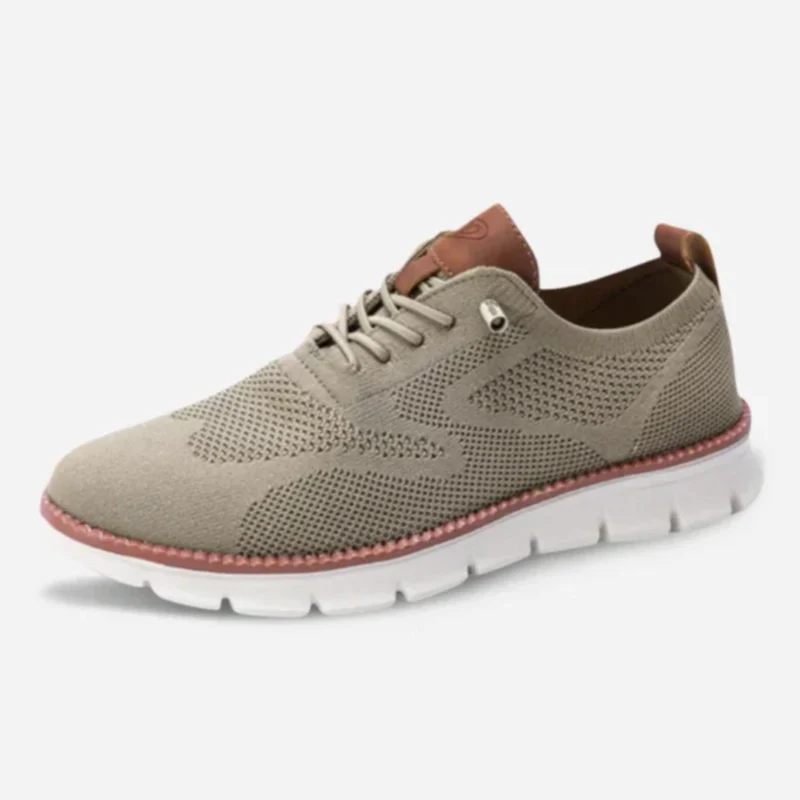
Every step you take matters—whether you’re exploring city streets, powering through your daily routine, or simply refusing to let foot discomfort slow you down. The CloudWalk – Ultra Comfortable Walking Shoes wraps your feet in therapeutic cushioning that turns pavement into clouds, so you can go farther, stay longer, and feel better doing it.
Payless operated over 2,100 stores across North America before its closure. The company filed for Chapter 11 bankruptcy twice—first in 2017 and finally in 2019. This second bankruptcy resulted in complete liquidation of the U.S. retail operations.
Why Dexflex Comfort Was Popular
Dexflex Comfort shoes gained a loyal following between 2010 and 2019. The brand focused on affordable footwear that didn’t sacrifice comfort. Women particularly appreciated the line for work shoes and casual flats.
Key features that made Dexflex stand out:
- Memory foam insoles that molded to foot shape
- Flexible outsoles that bent with natural foot movement
- Price points between $19.99 and $39.99
- Wide variety of styles from ballet flats to ankle boots
- Available in extended sizes including wide widths
The brand used cushioned footbeds with multiple layers of padding. This construction provided shock absorption without adding significant weight. Many customers reported being able to wear Dexflex shoes for 8-10 hour shifts without foot pain.
Technical Specifications of Dexflex Comfort Shoes
Dexflex Comfort shoes featured specific construction methods that differentiated them from standard budget footwear.
Upper Materials
The uppers used synthetic materials and fabric blends. Common materials included:
- Polyurethane leather for dress shoes and loafers
- Canvas and mesh for casual sneakers
- Knit fabric for ballet flats and slip-ons
- Genuine leather in select premium styles
These materials kept production costs low while maintaining reasonable durability. The synthetic leather options were water-resistant and easier to clean than natural leather.
Footbed Construction
The signature feature was a multi-layer footbed system:
- Top layer: Soft textile or foam covering
- Middle layer: Memory foam padding (5-8mm thickness)
- Base layer: EVA foam for structure and support
- Bottom: Rubber or synthetic outsole with tread pattern
This layering system distributed pressure across the foot surface. The memory foam responded to body heat and weight, creating a custom fit over time.
Outsole Design
Dexflex used TPR (thermoplastic rubber) and EVA (ethylene-vinyl acetate) for outsoles. These materials provided:
- Lightweight construction (shoes typically weighed 6-9 ounces per shoe)
- Flexibility that allowed 90-degree bending at the ball of the foot
- Slip-resistant tread patterns with 2-3mm depth
- Shock absorption comparable to mid-range athletic shoes
What Customers Miss Most About Dexflex
Former Dexflex buyers continue searching for the brand online. Reviews and forum posts reveal specific aspects customers valued.
Affordability Without Quality Sacrifice
Dexflex shoes cost 40-60% less than comparable comfort brands like Skechers or Dr. Scholl’s. A typical pair of Dexflex ballet flats retailed for $24.99, while similar Skechers styles cost $50-60.
This price difference made the brand accessible to:
- Budget-conscious families
- Workers needing multiple pairs for different uniforms
- People with medical conditions requiring frequent shoe replacement
- Students and entry-level professionals
Consistent Sizing
Payless maintained tight quality control over private labels. Customers reported that Dexflex sizing remained consistent across styles. A size 8 in ballet flats fit the same as a size 8 in loafers.
This consistency reduced return rates and built customer trust. Many shoppers could order online without trying shoes on first.
Immediate Availability
Payless stores stocked deep inventory. Customers could walk in and find their size in multiple colors. This immediate availability contrasted with online-only brands requiring shipping waits.
Comparison: Dexflex vs. Current Alternatives
| Feature | Dexflex Comfort (2010-2019) | Dr. Scholl’s | Skechers Work | Amazon Essentials |
|---|---|---|---|---|
| Average Price | $19.99-$39.99 | $49.99-$79.99 | $54.99-$89.99 | $24.99-$44.99 |
| Memory Foam | Yes (all styles) | Yes (select styles) | Yes (most styles) | Yes (some styles) |
| Wide Widths | Yes | Limited | Yes | No |
| In-Store Availability | High (2,100+ stores) | Medium (major retailers) | Medium (major retailers) | Online only |
| Warranty | 30 days | 60 days | 90 days | 30 days |
| Style Range | 50+ styles | 100+ styles | 75+ styles | 30+ styles |
Where to Find Similar Comfort Shoes Now
Several brands offer comparable features to Dexflex Comfort shoes. Each provides memory foam construction and budget-friendly pricing.
Direct Dexflex Alternatives
Time and Tru (Walmart exclusive): This private label uses similar construction methods. Prices range from $16.88 to $29.98. The brand offers memory foam insoles and flexible outsoles. Available in-store at 4,700+ Walmart locations.
Amazon Essentials: The online retailer’s private label includes comfort flats and slip-ons. Memory foam footbeds come standard. Prices stay between $24.99 and $39.99. Free returns for Prime members reduce purchase risk.
a.n.a (JCPenney): This department store brand focuses on affordable women’s shoes. Comfort technology includes cushioned insoles and padded collars. Prices typically range from $29.99 to $49.99.
Mid-Range Comfort Brands
Baretraps: Offers Rebound Technology with memory foam and latex cushioning. Prices start at $59.99 but frequent sales drop prices 30-50%. Available at DSW, Macy’s, and online retailers.
LifeStride: Specializes in comfortable dress shoes and flats. Uses Soft System comfort technology with three-layer padding. Typical prices range from $49.99 to $79.99. Sold at major shoe retailers.
Clarks Cloudsteppers: A lightweight line from the established Clarks brand. Features Cushion Soft technology and EVA outsoles. Prices start at $59.99 with regular promotions.
The Payless Comeback Attempt
Payless relaunched as an online-only retailer in 2020. The company reopened under new ownership with a different business model.
Current Payless Operations
The new Payless operates without physical stores in the United States. The website sells:
- Limited selection of classic Payless styles
- Third-party brands (not available in original stores)
- Franchised stores in international markets
Dexflex Comfort is not part of the current lineup. The new ownership did not acquire rights to all private label brands. This means original Dexflex shoes cannot be manufactured or sold.
Why Dexflex Wasn’t Revived
Brand revivals require significant investment. The new Payless focused on:
- Core classics like Dexter dress shoes and Airwalk sneakers
- Brands with existing name recognition outside Payless stores
- Products with lower manufacturing complexity
Dexflex existed only within the Payless ecosystem. The brand had no independent identity or marketing presence. This made it less valuable for revival compared to brands customers might search for independently.
Every step you take matters—whether you’re exploring city streets, powering through your daily routine, or simply refusing to let foot discomfort slow you down. The CloudWalk – Ultra Comfortable Walking Shoes wraps your feet in therapeutic cushioning that turns pavement into clouds, so you can go farther, stay longer, and feel better doing it.
Finding Remaining Dexflex Inventory
Some Dexflex Comfort shoes still circulate through secondary markets.
Where to look:
- Poshmark: Individual sellers list gently used pairs. Prices vary based on condition and style rarity. Search filters help narrow results by size.
- eBay: New-in-box inventory from closed stores occasionally appears. Expect premium prices for unworn pairs.
- ThredUp: Online consignment may have used Dexflex shoes. Selection changes frequently based on consignor submissions.
- Local thrift stores: Goodwill and similar outlets receive Dexflex donations. Availability depends on regional factors.
Buying considerations for secondhand Dexflex:
- Memory foam degrades over time, even without wear
- Check sole flexibility (stiff soles indicate age-related hardening)
- Examine stitching for separation or weak points
- Verify seller return policies before purchasing
Maintaining Comfort Shoes for Longevity
Proper care extends the life of budget comfort footwear, whether Dexflex or alternatives.
Daily Maintenance
Rotation system: Own at least two pairs of work shoes. Alternate daily to allow foam compression recovery. Footbed materials need 24 hours to fully expand after wearing.
Immediate cleaning: Wipe synthetic uppers after each wear. Remove dirt before it bonds to material. Use damp microfiber cloth for quick cleaning.
Air drying: Never store shoes immediately after wearing. Place in ventilated area for 2-3 hours. Moisture from feet needs to evaporate to prevent bacterial growth.
Deep Cleaning Methods
Hand washing synthetic uppers:
- Mix mild detergent with cool water (1 tablespoon per gallon)
- Apply with soft brush or cloth
- Rinse with clean damp cloth
- Air dry away from direct heat
Refreshing insoles:
- Sprinkle baking soda inside shoes overnight
- Vacuum out powder in morning
- Repeat weekly for odor control
- Replace insoles every 3-4 months with heavy use
Storage Guidelines
Store shoes in cool, dry locations. Heat and humidity accelerate foam breakdown. Avoid:
- Car trunks (temperature extremes)
- Basement floors (moisture exposure)
- Direct sunlight (UV degradation of materials)
Use shoe trees or stuff with paper to maintain shape. This prevents upper material creasing and extends wearability.
Making the Switch: Selection Process
Choose Dexflex alternatives based on specific use requirements.
Identify Primary Use Case
Office/professional wear: Prioritize slip-resistant outsoles and neutral colors. Look for closed-toe designs with structured uppers.
Retail/service work: Focus on maximum cushioning and arch support. Select styles with padded collars to prevent ankle rubbing.
Casual daily wear: Consider slip-on convenience and breathable materials. Flexibility matters more than formal appearance.
Measure Feet Correctly
Foot size changes over time. Measure before buying:
- Stand on paper with full weight
- Trace around foot with pencil held vertically
- Measure longest toe to heel (length)
- Measure widest part of forefoot (width)
- Compare to brand size charts
Measure both feet. Use dimensions of larger foot for size selection. Many people have different left and right measurements.
Test for Proper Fit
When trying shoes:
- Wear socks you’ll use with shoes
- Shop in afternoon (feet swell during day)
- Walk on hard surfaces, not just carpet
- Check for heel slippage (maximum 1/4 inch acceptable)
- Verify toe space (1/2 inch between longest toe and shoe end)
Return policies matter for online purchases. Choose retailers offering free returns and at least 30-day windows.
The Future of Budget Comfort Footwear
The market Dexflex served still exists. Consumer demand for affordable comfort shoes continues growing.
Industry trends affecting budget comfort shoes:
- Direct-to-consumer brands reduce middleman costs
- Memory foam technology becomes standard, not premium
- Online retail eliminates physical store overhead
- Manufacturing improvements lower production costs
Multiple brands compete for former Dexflex customers. This competition benefits consumers through better quality at similar price points. Companies like Skechers have introduced economy lines to capture this market segment.
The Dexflex brand name may never return, but the philosophy behind it thrives. Comfortable, affordable footwear remains accessible through various channels. Former customers have successfully transitioned to alternative brands offering comparable benefits.
Every step you take matters—whether you’re exploring city streets, powering through your daily routine, or simply refusing to let foot discomfort slow you down. The CloudWalk – Ultra Comfortable Walking Shoes wraps your feet in therapeutic cushioning that turns pavement into clouds, so you can go farther, stay longer, and feel better doing it.