
Blog
What Is the Most Comfortable Running Shoe?

Understanding Running Shoe Comfort
Running shoe comfort depends on five core elements. Cushioning absorbs impact forces. Support maintains foot alignment. Fit prevents friction and pressure points. Weight affects energy expenditure. Breathability regulates temperature.
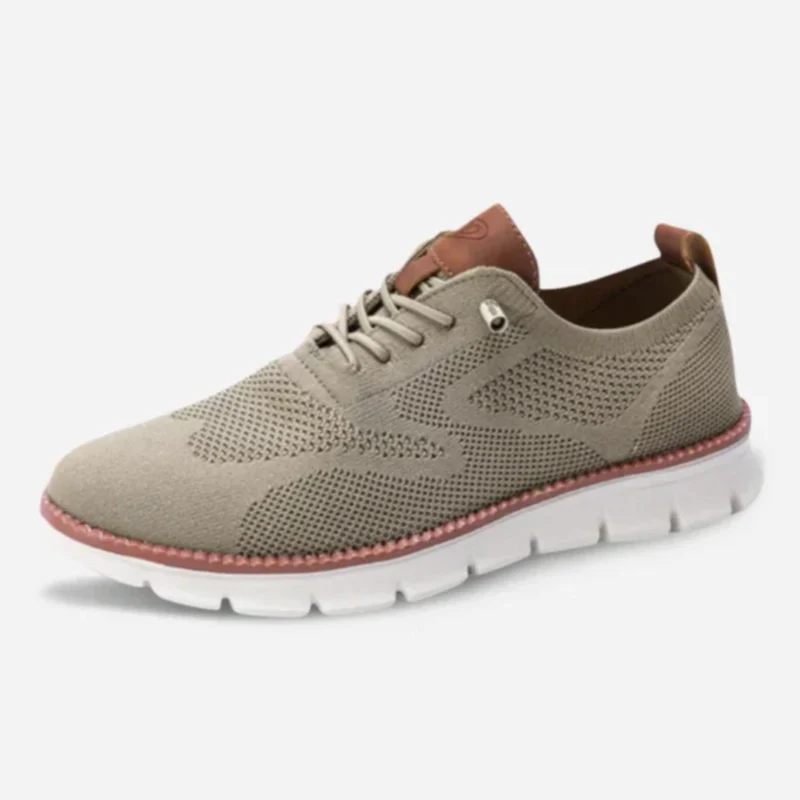
Every step you take matters—whether you’re exploring city streets, powering through your daily routine, or simply refusing to let foot discomfort slow you down. The CloudWalk – Ultra Comfortable Walking Shoes wraps your feet in therapeutic cushioning that turns pavement into clouds, so you can go farther, stay longer, and feel better doing it.
Cushioning refers to the foam or gel materials in the midsole. These materials compress during foot strike. They reduce stress on joints. Modern cushioning uses EVA foam, polyurethane, or proprietary compounds.
Support structures control foot motion. Medial posts limit overpronation. External heel counters stabilize the rearfoot. Arch support distributes pressure evenly.
Fit encompasses length, width, and volume. A proper fit allows 1-2 millimeters of space beyond the longest toe. The midfoot hugs securely without constriction. The heel stays locked during movement.
The Evolution of Running Shoe Comfort Technology
Early Running Footwear (1960s-1970s)
Running shoes in the 1960s featured thin rubber soles. Minimal cushioning existed. Runners experienced high impact forces. Injury rates were significant.
Nike introduced the Waffle Trainer in 1974. The waffle-pattern outsole improved traction. Basic EVA midsoles appeared in the mid-1970s. These advances marked the beginning of cushioning technology.
The Cushioning Revolution (1980s-1990s)
Air cushioning systems emerged in 1979. Nike Air units encapsulated pressurized gas. These units compressed and rebounded with each stride.
Gel cushioning appeared in 1986. ASICS developed silicone-based gel pads. These pads absorbed shock in the heel and forefoot. The technology reduced impact forces by up to 50%.
Motion control shoes arrived in the late 1980s. These shoes featured rigid medial posts. They prevented excessive foot rolling. Overpronators gained stability options.
Modern Comfort Innovations (2000s-Present)
Responsive foam technology changed cushioning. Energy-return foams compress and rebound efficiently. They reduce energy loss during toe-off.
3D-printed midsoles offer customized cushioning. Lattice structures vary in density. Different zones provide targeted support.
Knit uppers replaced traditional materials. Engineered mesh adapts to foot shape. Seamless construction eliminates irritation points.
Key Features That Define Comfortable Running Shoes
Cushioning Systems
EVA Foam: Ethylene-vinyl acetate remains the standard cushioning material. It offers moderate density and good energy return. EVA breaks down after 300-500 miles.
Polyurethane Foam: This material provides firmer cushioning. It lasts longer than EVA. Polyurethane resists compression set better. The trade-off is increased weight.
TPU Foam: Thermoplastic polyurethane combines durability with responsiveness. It maintains properties across temperature ranges. TPU costs more than standard EVA.
Proprietary Foams: Brands develop unique compounds. Examples include Nike React, Adidas Boost, and New Balance Fresh Foam. These materials balance cushioning, response, and durability.
Drop Height and Stack Height
Drop height measures the difference between heel and forefoot cushioning. Traditional shoes feature 10-12mm drops. Lower drops (4-8mm) promote midfoot striking. Zero-drop shoes create a level platform.
Stack height indicates total cushioning thickness. Maximalist shoes exceed 35mm. Traditional shoes range from 20-30mm. Minimalist designs stay under 20mm.
Higher stack heights provide more cushioning. They reduce ground feel. Lower profiles enhance stability and proprioception.
Upper Construction
Engineered Mesh: Strategic zones offer varying stretch and support. Open-weave areas enhance breathability. Reinforced sections provide structure.
Knit Materials: One-piece uppers reduce seams. They adapt to foot contours. Knit uppers weigh less than traditional materials.
Overlays: Synthetic or leather reinforcements add durability. They stabilize the midfoot. Modern overlays are minimal and strategic.
Outsole Design
Rubber Compounds: Carbon rubber lasts longer but weighs more. Blown rubber offers better cushioning and grip. It wears faster.
Tread Patterns: Deep lugs suit trail running. Road shoes feature flatter profiles. Multi-directional patterns improve traction on varied surfaces.
Flex Grooves: Cuts in the outsole allow natural foot flexion. They improve toe-off efficiency. Proper groove placement matches the foot’s bend points.
Determining Your Comfort Needs
Foot Type Analysis
Neutral feet display moderate arches. They roll inward 15% during gait. Neutral cushioned shoes work best.
Flat feet have low or collapsed arches. They overpronate (roll inward excessively). Stability or motion control shoes provide needed support.
High arches create rigid foot structures. They underpronate (roll outward). Extra cushioning compensates for reduced natural shock absorption.
Running Style Considerations
Heel strikers land on their heels first. They need generous heel cushioning. A higher drop reduces Achilles strain.
Midfoot strikers land on the ball of the foot. Balanced cushioning serves them well. Moderate drops (6-8mm) feel natural.
Forefoot strikers land on their toes. They benefit from responsive forefoot cushioning. Lower drops allow efficient push-off.
Distance and Frequency
Daily training shoes require maximum durability. They need balanced cushioning. Midsole foam should last 400+ miles.
Long-distance shoes prioritize cushioning over weight. Extra padding reduces cumulative fatigue. Stack heights often exceed 30mm.
Speed training shoes minimize weight. They offer responsive cushioning. Less material improves ground feel.
Top Comfortable Running Shoe Categories
Maximum Cushioning Shoes
These shoes feature thick midsoles (32-40mm stack height). They excel at shock absorption. Weight ranges from 9-12 ounces per shoe.
Benefits include reduced joint stress and enhanced comfort on long runs. The cushioning extends shoe lifespan. Runners log 500+ miles before replacement.
Drawbacks involve decreased stability. The high platform can feel unstable. Ground feel is minimal.
Stability Shoes
Stability shoes combine cushioning with support features. Medial posts use firmer foam. Wider bases improve balance. Weights typically reach 10-11 ounces.
These shoes control overpronation without rigid materials. They suit moderate overpronators. Cushioning remains comfortable while preventing excessive motion.
Neutral Cushioned Shoes
Neutral shoes lack corrective features. They provide straight-line cushioning. Foam properties determine comfort levels. Weights range from 8-10 ounces.
These shoes suit biomechanically efficient runners. They allow natural foot motion. Cushioning absorbs impact without interference.
Minimalist Shoes
Minimalist designs feature thin midsoles (under 20mm). They weigh 6-8 ounces per shoe. Low drops (0-4mm) encourage forefoot striking.
Benefits include improved proprioception and stronger foot muscles. Runners develop more efficient mechanics. Ground feel is excellent.
Risks involve increased injury potential during transition. Calf and Achilles stress rises. Adaptation requires 6-12 weeks.
Comparison of Comfort Technologies
| Feature | Maximum Cushion | Stability | Neutral Cushioned | Minimalist |
|---|---|---|---|---|
| Stack Height | 35-40mm | 28-32mm | 24-28mm | 15-20mm |
| Drop | 8-12mm | 8-10mm | 6-10mm | 0-4mm |
| Weight | 10-12 oz | 10-11 oz | 8-10 oz | 6-8 oz |
| Support Level | None | Moderate | None | None |
| Best For | Long distances | Overpronators | Neutral gait | Experienced runners |
| Durability | 500+ miles | 400-500 miles | 350-450 miles | 300-400 miles |
Every step you take matters—whether you’re exploring city streets, powering through your daily routine, or simply refusing to let foot discomfort slow you down. The CloudWalk – Ultra Comfortable Walking Shoes wraps your feet in therapeutic cushioning that turns pavement into clouds, so you can go farther, stay longer, and feel better doing it.
Testing for Personal Comfort
In-Store Assessment
Specialty running stores offer gait analysis. Staff observe your running mechanics. They identify foot strike patterns and pronation tendencies.
Try multiple models. Run on in-store treadmills. Shoes should feel comfortable immediately. Break-in periods should be minimal.
Test at the day’s end. Feet swell during activity. Evening fitting ensures proper size selection.
The Wet Test
Step in water and walk across dry pavement. Examine your footprint. A complete print indicates flat feet. A curved outer edge suggests high arches. A moderate curve shows neutral feet.
This test guides shoe category selection. Flat feet need stability features. High arches require extra cushioning.
Trial Runs
Purchase from retailers with return policies. Run 20-30 miles in new shoes. Assess comfort during and after runs.
Monitor for hot spots or pressure points. Check for adequate toe room. Ensure the heel stays secure.
Return uncomfortable shoes immediately. Continue testing until you find the right match.
Fit Guidelines for Maximum Comfort
Length
Measure both feet. Use the larger foot for sizing. Allow 1-2 thumb widths beyond the longest toe.
Feet expand during running. Extra space prevents black toenails. It reduces pressure on toe joints.
Width
Shoes should feel snug across the midfoot. The ball of your foot should align with the shoe’s widest point. Excessive pressure indicates narrow sizing.
Brands offer multiple width options. Standard widths are labeled D (men) or B (women). Wide options add 3-6mm of space.
Volume
High-volume feet need roomy toe boxes. Low-volume feet require snug fits throughout. Lacing techniques can adjust volume slightly.
Skip eyelets to reduce pressure. Use heel-lock lacing to prevent slippage. Experiment with different patterns.
Maintaining Running Shoe Comfort
Rotation Strategy
Own 2-3 pairs of running shoes. Rotate them between runs. This practice extends foam recovery time. Midsoles compress during use. They need 24-48 hours to rebound fully.
Rotation increases total shoe lifespan. It reduces injury risk by varying stress patterns.
Proper Storage
Store shoes at room temperature. Avoid hot cars or direct sunlight. Heat degrades foam compounds. It reduces cushioning effectiveness.
Remove insoles between uses. This allows complete drying. Moisture breaks down adhesives and materials.
Replacement Timing
Track mileage on each pair. Most shoes last 300-500 miles. Visual inspection reveals wear patterns. Compressed midsoles feel flat. Worn outsoles expose white foam.
Replace shoes before complete breakdown. Degraded cushioning increases injury risk. Joint stress rises with worn shoes.
Cleaning Methods
Hand wash with mild soap. Use soft brushes for uppers. Rinse thoroughly. Air dry at room temperature.
Never machine wash or dry. High heat damages bonding. Spinning deforms shoe structure.
Remove insoles and laces first. Clean separately. This ensures thorough drying.
Making Your Selection
Step-by-Step Process
- Determine your foot type using the wet test or professional analysis.
- Identify your running style by noting where your foot strikes first.
- Consider your training goals including distance and frequency.
- Research appropriate categories based on the above factors.
- Visit a specialty store for expert fitting and gait analysis.
- Test multiple options from different brands in your category.
- Run in-store to assess immediate comfort.
- Purchase with return options to allow proper trial period.
- Complete test runs of 20-30 miles before committing.
- Document what works to inform future purchases.
Brand Considerations
Major brands use different sizing systems. Nike runs narrow. New Balance offers extensive width options. Hoka features maximum cushioning. Brooks specializes in stability designs.
Try multiple brands within your category. Sizing varies by up to a full size. Comfort profiles differ significantly.
The Most Comfortable Running Shoe Is Personal
No single shoe suits every runner. Comfort depends on individual biomechanics, preferences, and goals. The most comfortable running shoe for you matches your foot type, running style, and training needs.
Maximum cushioning shoes provide excellent comfort for long-distance runners and those seeking joint protection. Stability shoes offer comfortable support for overpronators. Neutral cushioned shoes deliver versatile comfort for efficient runners. Minimalist shoes create comfort through natural movement for adapted athletes.
Proper fit matters more than technology. A well-fitted basic shoe outperforms an advanced model in the wrong size. Invest time in assessment and testing. Your comfort level will guide you toward the right choice.
Replace shoes regularly. Maintain proper rotation. Follow cleaning guidelines. These practices preserve comfort throughout the shoe’s lifespan.
The most comfortable running shoe exists at the intersection of science and personal preference. Use objective data about your feet and gait. Balance this with subjective comfort feedback during test runs. This approach leads to optimal shoe selection and enjoyable running experiences.
Every step you take matters—whether you’re exploring city streets, powering through your daily routine, or simply refusing to let foot discomfort slow you down. The CloudWalk – Ultra Comfortable Walking Shoes wraps your feet in therapeutic cushioning that turns pavement into clouds, so you can go farther, stay longer, and feel better doing it.