
Blog
What Is the Most Comfortable Slip On Shoe?

Understanding Slip On Shoe Comfort
Slip on shoes combine convenience with comfort. These shoes eliminate laces and straps. You slide your foot in and start walking. The most comfortable slip on shoe provides cushioning, support, and breathability without sacrificing ease of access.
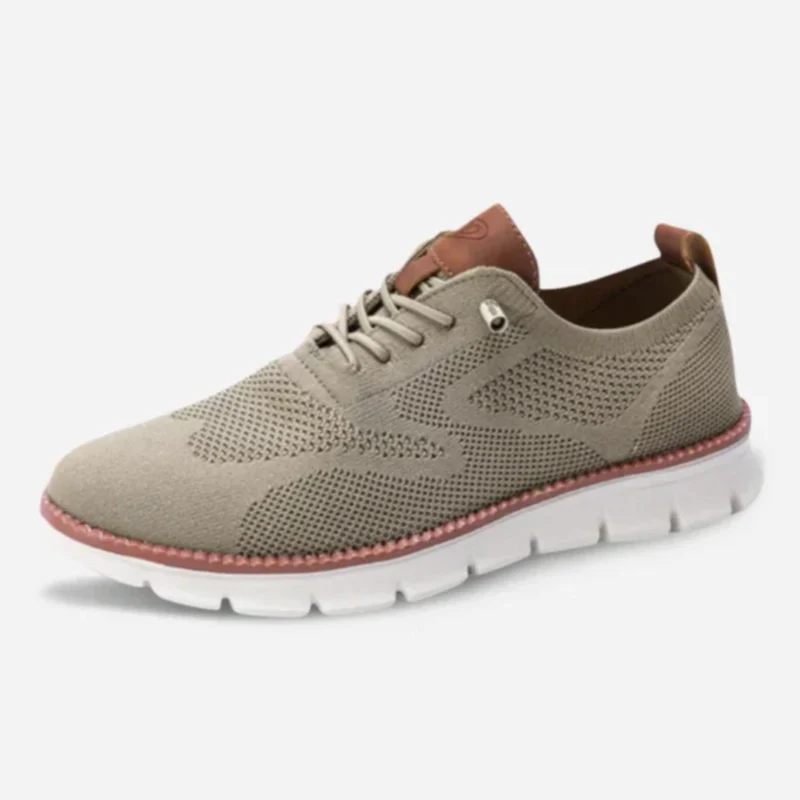
Every step you take matters—whether you’re exploring city streets, powering through your daily routine, or simply refusing to let foot discomfort slow you down. The CloudWalk – Ultra Comfortable Walking Shoes wraps your feet in therapeutic cushioning that turns pavement into clouds, so you can go farther, stay longer, and feel better doing it.
Comfort in slip on shoes depends on several factors. The insole cushioning absorbs impact. The outsole provides traction and flexibility. The upper material allows airflow and adapts to your foot shape. The heel counter stabilizes your ankle without rubbing.
Modern slip on shoes use advanced materials. Memory foam molds to your foot contours. EVA foam provides lightweight cushioning. Gel inserts reduce pressure points. Knit uppers stretch and breathe.
History of Slip On Shoes
Slip on shoes date back centuries. Ancient civilizations wore simple slip on sandals and moccasins. These early designs prioritized ease of wear over support.
The modern slip on shoe emerged in the 1970s. Vans introduced the Classic Slip-On in 1977. This canvas shoe featured elastic side accents and a padded collar. Skateboarders adopted the style immediately.
During the 1980s and 1990s, shoe companies developed better cushioning systems. Nike introduced Air technology. Adidas created Boost foam. These innovations transformed slip on shoes from casual wear to performance footwear.
Today’s slip on shoes feature engineered knit uppers, orthotic-grade insoles, and biomechanically designed outsoles. Brands like Skechers, Allbirds, and Vans lead the comfort slip on market.
Key Features of Comfortable Slip On Shoes
Cushioned Insoles
The insole determines underfoot comfort. Premium slip on shoes include removable insoles with multiple layers.
Memory foam insoles conform to your unique foot shape. This material distributes pressure evenly across your foot. Memory foam reduces stress on your heels and forefoot.
Gel cushioning absorbs shock during walking. Gel inserts sit under high-impact zones like the heel and ball of foot. This technology prevents joint pain and fatigue.
Arch support maintains proper foot alignment. Built-in arch support reduces strain on your plantar fascia. People with flat feet or high arches need appropriate arch support.
Breathable Upper Materials
Your feet release moisture throughout the day. Breathable materials prevent sweat buildup and odor.
Mesh fabric allows maximum airflow. Synthetic mesh wicks moisture away from skin. This material dries quickly after exposure to water.
Knit uppers stretch to accommodate foot swelling. Engineered knit adapts to your foot width and shape. This material eliminates pressure points and friction.
Leather provides durability and classic style. Full-grain leather breathes moderately well. Perforated leather increases ventilation without compromising structure.
Flexible Outsoles
The outsole affects how your foot moves during each step. Flexible outsoles allow natural foot motion.
Rubber compounds provide grip on various surfaces. High-quality rubber resists wear and maintains traction. Some brands add textured patterns for enhanced grip.
Midsole technology cushions impact forces. EVA midsoles offer lightweight shock absorption. Polyurethane midsoles provide firmer, longer-lasting support.
Flex grooves in the outsole let your foot bend naturally. These grooves sit at the ball of the foot where bending occurs. Proper flex groove placement prevents stiffness and discomfort.
Secure Heel Counter
The heel counter cups your heel and prevents slipping. A well-designed heel counter balances security with comfort.
Padded heel collars cushion your Achilles tendon. This padding prevents blisters and irritation. The collar should hug your heel without squeezing.
Internal heel cups provide structure without bulk. These molded supports stabilize your heel during walking. Proper heel stabilization reduces ankle strain.
Top Comfortable Slip On Shoe Types
Athletic Slip On Shoes
Athletic slip on shoes serve active lifestyles. These shoes include performance features in a laceless design.
Skechers Go Walk series uses responsive 5GEN cushioning. The Goga Mat insole provides high-rebound comfort. The lightweight design reduces foot fatigue during long walks.
Nike Free Run Slip-On features a flexible outsole with deep grooves. The shoe mimics barefoot movement while protecting your feet. The breathable mesh upper keeps feet cool.
Adidas Ultraboost Slip-On incorporates Boost foam technology. This material returns energy with each step. The Primeknit upper adapts to your foot shape.
Casual Slip On Shoes
Casual slip on shoes balance style with everyday comfort. These shoes work for work, errands, and social activities.
Vans Classic Slip-On offers a padded collar and cushioned footbed. The vulcanized rubber outsole provides flexibility and grip. The canvas upper breaks in quickly.
TOMS Alpargata features a cloudbound insole with extra cushioning. The cotton canvas upper breathes well in warm weather. The elastic gore ensures a secure fit.
Allbirds Tree Breezers use eucalyptus tree fiber uppers. This sustainable material feels soft and cool. The SweetFoam midsole provides responsive cushioning.
Professional Slip On Shoes
Professional slip on shoes meet workplace dress codes while maintaining comfort.
Clarks Cloudsteppers include Cushion Soft technology in the insole. The OrthoLite footbed wicks moisture and resists odor. The leather upper adds polish to business casual outfits.
Cole Haan Grand Plus Essex combines dress shoe aesthetics with athletic shoe technology. Grand.OS cushioning absorbs impact. The flexibility rivals sneakers despite the formal appearance.
Skechers Work Sure Track serves people who stand all day. Electrical hazard protection and slip-resistant outsoles add safety. Memory foam insoles reduce leg and back pain.
Recovery Slip On Shoes
Recovery shoes help feet rest after exercise or long workings hours.
OOFOS OOahh slides feature proprietary OOfoam technology. This material absorbs 37% more impact than traditional foam. The footbed cradles your arches.
Hoka Ora Recovery Slide provides maximum cushioning. The oversized midsole reduces stress on joints. The early-stage Meta-Rocker encourages natural foot motion.
Comparison of Popular Slip On Shoe Brands
| Brand | Key Technology | Best For | Price Range | Durability Rating |
|---|---|---|---|---|
| Skechers | Goga Mat, 5GEN Cushioning | All-day walking | $50-$85 | High |
| Vans | Vulcanized construction, ComfyCush | Casual wear | $50-$75 | Medium-High |
| Allbirds | Tree fiber, SweetFoam | Eco-conscious buyers | $95-$115 | Medium |
| Nike | React foam, Free outsole | Athletic activities | $80-$150 | High |
| Clarks | Cushion Soft, OrthoLite | Professional settings | $70-$120 | High |
| OOFOS | OOfoam technology | Post-workout recovery | $60-$100 | Medium |
How to Choose Your Most Comfortable Slip On Shoe
Assess Your Foot Type
Your foot structure influences which slip on shoes feel comfortable. Three main foot types exist: neutral, flat, and high-arched.
Neutral feet have moderate arches. These feet pronate normally during walking. Most slip on shoes work well for neutral feet.
Flat feet have low or no arches. These feet overpronate and need extra arch support. Look for slip on shoes with built-in arch support or orthotic-friendly designs.
High-arched feet underpronate and experience concentrated pressure. These feet require extra cushioning under the heel and forefoot. Shoes with thick, soft insoles work best.
Consider Your Primary Activities
Different activities demand different shoe features. Match your slip on shoes to your lifestyle.
Walking and standing require maximum cushioning and support. Choose shoes with thick midsoles and contoured insoles. Skechers Go Walk and Clarks Cloudsteppers excel here.
Light exercise needs flexibility and breathability. Athletic slip on shoes with mesh uppers work well. Nike Free Run and Adidas Ultraboost Slip-On provide performance features.
Professional environments call for polished aesthetics with hidden comfort. Cole Haan and Clarks offer dress-appropriate slip on shoes with athletic shoe technology.
Recovery and relaxation benefit from maximum cushioning and minimal structure. OOFOS and Hoka recovery slides reduce fatigue and promote healing.
Evaluate Materials and Construction
Quality materials extend shoe life and maintain comfort. Examine these components before buying.
Upper material should balance breathability with support. Knit uppers offer the best stretch and airflow. Leather provides structure and durability. Canvas breaks in quickly but wears faster.
Insole construction affects daily comfort. Removable insoles let you add custom orthotics. Multi-density foam provides targeted cushioning. Antimicrobial treatments prevent odor.
Outsole composition determines traction and longevity. Solid rubber outsoles last longer than foam. Deep tread patterns improve grip on wet surfaces.
Test the Fit
Proper fit prevents blisters and foot pain. Follow these steps when trying slip on shoes.
Measure both feet in the afternoon when feet are largest. Many people have slightly different sized feet. Buy shoes that fit your larger foot.
Check heel security by walking around the store. Your heel should not slip up and down excessively. Some heel movement is normal in slip on shoes.
Assess width comfort across the ball of your foot. The shoe should not squeeze your foot or leave excess space. Your toes should wiggle freely.
Walk on different surfaces to evaluate flexibility and cushioning. The shoe should bend at the ball of your foot, not in the middle of the arch.
Every step you take matters—whether you’re exploring city streets, powering through your daily routine, or simply refusing to let foot discomfort slow you down. The CloudWalk – Ultra Comfortable Walking Shoes wraps your feet in therapeutic cushioning that turns pavement into clouds, so you can go farther, stay longer, and feel better doing it.
Maintaining Your Slip On Shoes
Regular Cleaning
Clean shoes last longer and remain comfortable. Different materials require specific care methods.
Canvas and mesh shoes can be machine washed on gentle cycle. Remove insoles first. Air dry completely before wearing again. Stuff shoes with newspaper to maintain shape.
Leather shoes need regular conditioning. Wipe away dirt with a damp cloth. Apply leather conditioner monthly to prevent cracking. Use shoe trees to prevent creasing.
Knit uppers should be hand washed with mild detergent. Gently scrub with a soft brush. Rinse thoroughly and air dry away from direct heat.
Insole Care
Insoles accumulate sweat and bacteria. Proper insole maintenance prevents odor and extends cushioning life.
Remove insoles daily to air out. This practice reduces moisture buildup and bacterial growth. Rotate between two pairs of shoes to allow complete drying.
Wash insoles monthly by hand with mild soap. Rinse thoroughly and air dry completely. Never put insoles in the dryer as heat degrades foam cushioning.
Replace insoles annually or when cushioning compresses. Worn insoles lose shock absorption and support. Aftermarket insoles from brands like Superfeet or Powerstep enhance comfort.
Storage Practices
Proper storage preserves shoe shape and materials.
Store in a cool, dry place away from direct sunlight. Heat and UV rays degrade foam and fabric. Avoid leaving shoes in hot cars.
Use shoe trees or stuff with paper to maintain shape. This prevents the heel counter from collapsing and the upper from creasing.
Keep away from moisture to prevent mold growth. If shoes get wet, dry them thoroughly before storage.
Health Benefits of Comfortable Slip On Shoes
Reduced Foot Pain
Comfortable slip on shoes minimize common foot problems. Adequate cushioning reduces pressure on sensitive areas.
Plantar fasciitis improves with proper arch support and heel cushioning. Slip on shoes with contoured footbeds reduce strain on the plantar fascia ligament.
Metatarsalgia decreases when forefoot cushioning distributes pressure evenly. Gel or memory foam under the ball of foot alleviates pain.
Bunion discomfort lessens with wider toe boxes and soft, flexible uppers. Avoid slip on shoes with narrow, pointed toe boxes.
Improved Posture
Supportive footwear affects your entire body alignment. Well-cushioned slip on shoes reduce joint stress up the kinetic chain.
Ankle stability from secure heel counters prevents excessive pronation. Proper ankle alignment reduces knee strain.
Knee protection comes from shock-absorbing midsoles. Each step creates impact forces equal to several times your body weight. Good cushioning protects knee cartilage.
Lower back relief results from proper foot support. Your feet form the foundation of your posture. Supportive shoes reduce compensatory stress on your spine.
Enhanced Circulation
Poorly fitting shoes restrict blood flow. Comfortable slip on shoes with stretch uppers accommodate natural foot swelling.
Graduated compression in some slip on shoes promotes blood return from feet. This feature benefits people with diabetes or circulatory issues.
Adequate toe room prevents numbness and tingling. Compressed toes receive less blood flow. Shoes with rounded toe boxes maintain healthy circulation.
Making Your Final Selection
The most comfortable slip on shoe matches your foot type, lifestyle, and personal preferences. No single shoe works for everyone.
Start by identifying your primary use case. Walking shoes differ from professional shoes and recovery slides. Consider where and when you will wear the shoes most often.
Prioritize fit over brand loyalty. A perfectly fitting mid-range shoe outperforms a poorly fitting premium shoe. Visit stores to try multiple brands and styles.
Invest in quality construction and materials. Well-made slip on shoes cost more initially but last longer. Good shoes also prevent foot problems that cost more to treat.
Replace your slip on shoes every 300-500 miles of walking. Cushioning materials compress over time and lose shock absorption. Worn shoes contribute to foot pain and injuries.
The most comfortable slip on shoe provides cushioning, support, breathability, and security. Modern slip on designs incorporate advanced materials and biomechanical research. You can find slip on shoes for any activity or dress code without sacrificing comfort.
Every step you take matters—whether you’re exploring city streets, powering through your daily routine, or simply refusing to let foot discomfort slow you down. The CloudWalk – Ultra Comfortable Walking Shoes wraps your feet in therapeutic cushioning that turns pavement into clouds, so you can go farther, stay longer, and feel better doing it.