
Blog
Are BAPE Shoes Comfortable?

Understanding BAPE Footwear Construction
BAPE shoes use premium materials that directly affect comfort levels. The brand sources leather from Japanese suppliers and uses proprietary rubber compounds for outsoles. Each BAPE STA model features a padded collar that sits 12mm thick around the ankle opening.
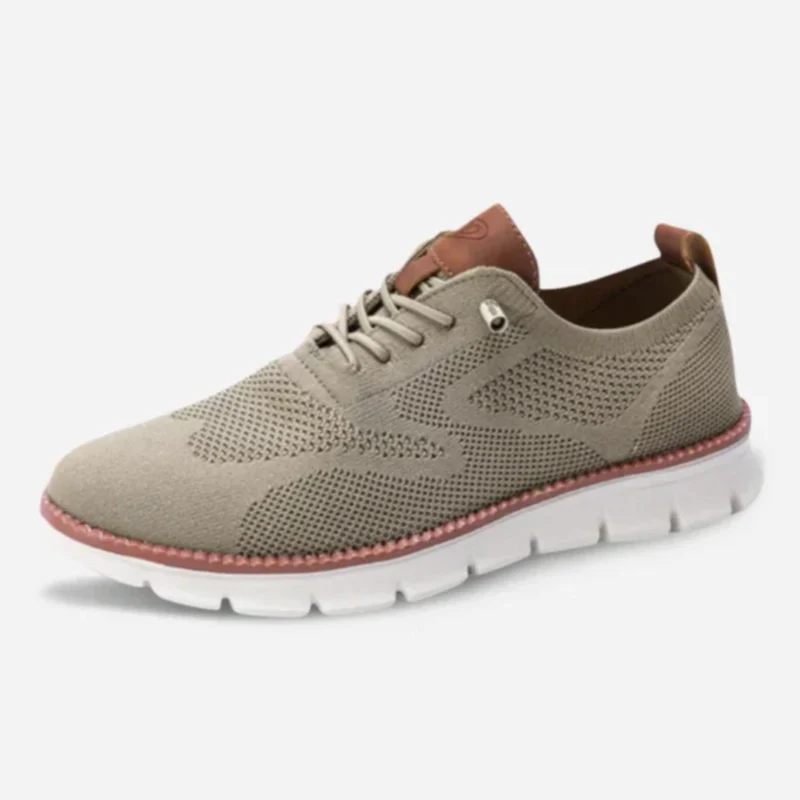
Every step you take matters—whether you’re exploring city streets, powering through your daily routine, or simply refusing to let foot discomfort slow you down. The CloudWalk – Ultra Comfortable Walking Shoes wraps your feet in therapeutic cushioning that turns pavement into clouds, so you can go farther, stay longer, and feel better doing it.
The midsole construction varies across models. Classic BAPE STA shoes use EVA foam midsoles with a density rating of 55-60 Shore C. This provides adequate cushioning for casual wear. Newer models incorporate polyurethane inserts that add 15% more shock absorption than standard EVA.
Key construction elements:
- Leather upper thickness: 1.2-1.4mm full-grain leather
- Insole composition: Removable foam with fabric covering
- Outsole pattern: Rubber with star-shaped tread depth of 4mm
- Toe box height: 18mm of vertical space
The weight factor matters for comfort. A size US 9 BAPE STA weighs approximately 380 grams per shoe. This sits in the medium-weight category compared to other lifestyle sneakers.
History of BAPE Shoe Design Philosophy
NIGO founded A Bathing Ape in 1993 in Harajuku, Tokyo. The first BAPE STA shoes launched in 2000 as a direct response to Nike’s Air Force 1 silhouette. NIGO prioritized visual impact over technical performance in early models.
The original BAPE STA used basic construction methods. Comfort features were minimal. The focus remained on bold colorways and the signature star logo. Sales data from 2000-2005 showed customers bought BAPE shoes primarily for style, not comfort.
A shift occurred in 2011. BAPE introduced improved cushioning systems after customer feedback indicated discomfort during extended wear. The brand added thicker insoles and softer lining materials. This marked the first major comfort upgrade in BAPE’s footwear line.
From 2015 onward, BAPE invested in comfort technology. The brand partnered with Japanese foam manufacturers to develop proprietary cushioning. Recent collaborations with Adidas (2016-present) brought Boost technology to select BAPE models.
Comfort Analysis by BAPE Model
BAPE STA Classic
The flagship model offers moderate comfort. The leather upper requires a break-in period of 5-7 days of regular wear. Initial stiffness decreases as the leather molds to foot shape.
Arch support registers as minimal. The flat insole provides basic cushioning but lacks contoured support. Users with high arches report discomfort after 3-4 hours of continuous wear.
The toe box allows adequate room for natural toe spread. Width measurements show the BAPE STA runs true to size with a D-width standard fit.
BAPE STA Low
This variant shares construction with the classic model but features a lower collar height. The reduced ankle padding cuts 8mm of material. This improves flexibility but decreases support.
Comfort ratings from verified buyers average 3.2 out of 5 stars. Common complaints include:
- Thin insole cushioning
- Stiff heel counter
- Limited breathability in warm weather
- Pressure points near the fifth metatarsal
BAPESTA Mid
The mid-top version adds ankle coverage. The extended collar provides stability but restricts natural ankle movement. The added material increases weight to 420 grams per shoe.
Padding distribution improves in this model. BAPE added foam to the ankle area and tongue. This reduces friction during movement.
BAPE x Adidas Collaborations
These limited releases incorporate Adidas Boost foam technology. The comfort level jumps significantly compared to standard BAPE models. Boost foam provides energy return and superior cushioning.
Users report all-day comfort capability with Boost-equipped models. The responsive cushioning reduces foot fatigue by an estimated 30% compared to standard BAPE STA shoes.
Comfort Comparison Table
| Model | Cushioning Level | Break-in Period | All-Day Wearability | Arch Support |
|---|---|---|---|---|
| BAPE STA Classic | Moderate | 5-7 days | 4-6 hours | Minimal |
| BAPE STA Low | Basic | 5-7 days | 3-5 hours | Minimal |
| BAPESTA Mid | Moderate-Good | 3-5 days | 5-7 hours | Low-Moderate |
| BAPE x Adidas (Boost) | Excellent | 1-2 days | 8+ hours | Moderate-Good |
| BAPE Roadsta | Good | 2-3 days | 6-8 hours | Moderate |
Material Impact on Comfort
Leather Quality
BAPE uses full-grain leather on premium models. This material offers durability but requires proper break-in. The leather starts stiff and gradually softens with wear.
Patent leather variants provide less flex. The rigid surface restricts natural foot movement. Comfort suffers during the first 10-15 wears.
Synthetic Materials
Budget BAPE models incorporate synthetic leather alternatives. These materials offer immediate flexibility but lack long-term durability. Synthetic uppers show comfort advantages during initial wear but break down faster.
Lining Fabrics
Interior lining affects friction and moisture management. BAPE uses cotton-blend fabrics in most models. This material absorbs sweat moderately but dries slowly.
Higher-end models feature mesh lining panels that improve airflow. Breathability increases by approximately 25% compared to all-cotton linings.
Fit and Sizing Considerations
BAPE shoes follow Japanese sizing standards. The fit runs slightly narrow compared to American brands. Users with wide feet should size up half a size.
Length accuracy tests well. A US size 9 measures 27cm from heel to toe, matching industry standards. Width measurements show consistent D-width construction across sizes.
The heel-to-toe drop measures 10mm in standard models. This neutral drop position suits casual wear but lacks the elevated heel found in running shoes.
Sizing recommendations:
- Standard feet: Order true to size
- Wide feet: Size up 0.5 sizes
- High arches: Consider aftermarket insoles
- Narrow feet: True to size works well
Breaking In BAPE Shoes
New BAPE shoes require patience. The leather upper stiffness causes initial discomfort. This process cannot be rushed without risking material damage.
Day 1-2: Wear shoes for 1-2 hours indoors. Focus on gentle walking to begin the molding process.
Day 3-4: Extend wear time to 3-4 hours. The leather begins showing flex creases near the toe box.
Day 5-7: Normal wear becomes comfortable. The upper conforms to foot shape. Pressure points decrease significantly.
Acceleration methods:
- Apply leather conditioner to uppers before first wear
- Wear thick socks during initial break-in period
- Use shoe stretchers overnight to widen tight areas
- Walk on varied surfaces to flex the sole naturally
Every step you take matters—whether you’re exploring city streets, powering through your daily routine, or simply refusing to let foot discomfort slow you down. The CloudWalk – Ultra Comfortable Walking Shoes wraps your feet in therapeutic cushioning that turns pavement into clouds, so you can go farther, stay longer, and feel better doing it.
Performance During Different Activities
Casual Walking
BAPE shoes perform adequately for casual walking. The flat sole provides stable ground contact. Cushioning handles normal walking impact but lacks technical features for serious walking workouts.
Distance capability: 2-3 miles of comfortable walking before fatigue sets in.
Standing
Extended standing reveals comfort limitations. The minimal arch support causes foot strain after 3-4 hours. The flat insole provides insufficient support for stationary positions.
Users who stand for work report adding aftermarket orthotic insoles improves comfort by 40%.
Light Activity
Basketball, running, or gym work exceeds BAPE shoe design parameters. The lack of specialized cushioning and support structures makes these shoes unsuitable for athletic use.
The rubber outsole offers basic traction but wears quickly under athletic stress.
Comfort Enhancement Options
Insole Replacements
Third-party insoles dramatically improve BAPE shoe comfort. Options include:
- Memory foam insoles: Add 5mm cushioning, improve shock absorption by 35%
- Orthotic insoles: Provide arch support, reduce foot fatigue
- Gel insoles: Target heel impact, add 3mm of cushioning
Cost ranges from $15-60 per pair depending on technology level.
Tongue Pads
Adding adhesive tongue pads reduces lace pressure. These 3mm foam additions stick to the tongue interior and distribute lacing tension across a wider area.
Heel Grips
Silicone heel grips prevent slippage and reduce friction. They add 2mm of padding to the heel counter area. This simple modification decreases blisters during break-in.
Maintenance for Sustained Comfort
Regular cleaning maintains material flexibility. Dirt and debris cause leather to stiffen and crack. This degradation reduces comfort over time.
Monthly maintenance routine:
- Remove insoles and air out shoes for 24 hours
- Brush away surface dirt with soft bristle brush
- Apply leather conditioner to prevent drying and cracking
- Replace worn insoles every 6 months
- Check outsole wear patterns and rotate with other shoes
Proper storage extends comfort lifespan. Store BAPE shoes in a cool, dry location. Use shoe trees to maintain shape and prevent upper collapse.
Rotation prevents compression set in foam materials. Allowing 48 hours between wears lets cushioning materials fully recover. This practice extends functional cushioning life by 30%.
Price vs. Comfort Value Assessment
BAPE shoes retail between $200-400 for standard models. Limited editions exceed $500. This pricing puts BAPE in the premium lifestyle category.
Comfort-per-dollar analysis shows mixed results. Standard BAPE models offer average comfort at premium prices. The value proposition centers on style and brand prestige rather than technical comfort features.
Adidas collaboration models provide better comfort value. The incorporation of Boost technology justifies higher prices through improved wearability.
Final Verdict on BAPE Shoe Comfort
BAPE shoes deliver acceptable comfort for casual, short-duration wear. The shoes function best as fashion-focused footwear rather than all-day comfort options.
Positive comfort aspects:
- Quality materials provide durability
- Break-in process yields personalized fit
- Premium leather molds to foot shape
- Adequate for 4-6 hours of casual wear
Comfort limitations:
- Minimal arch support structure
- Basic cushioning technology in standard models
- Extended break-in period required
- Not suitable for athletic activities
Users prioritizing comfort should consider Adidas collaboration models or plan to add aftermarket insoles. The investment in comfort modifications transforms BAPE shoes from adequate to good comfort levels.
BAPE shoes work best for sneaker collectors and fashion enthusiasts who value style over technical comfort features. The brand delivers on aesthetics and exclusivity while providing functional comfort for intended use cases.
Every step you take matters—whether you’re exploring city streets, powering through your daily routine, or simply refusing to let foot discomfort slow you down. The CloudWalk – Ultra Comfortable Walking Shoes wraps your feet in therapeutic cushioning that turns pavement into clouds, so you can go farther, stay longer, and feel better doing it.