
Blog
Are Coach Shoes Comfortable?

Understanding Coach Footwear Comfort
Coach shoes deliver solid comfort for most wearers. The brand uses quality leather and cushioned insoles in their designs. You get good arch support and breathable materials. Most customers report positive experiences after break-in periods.
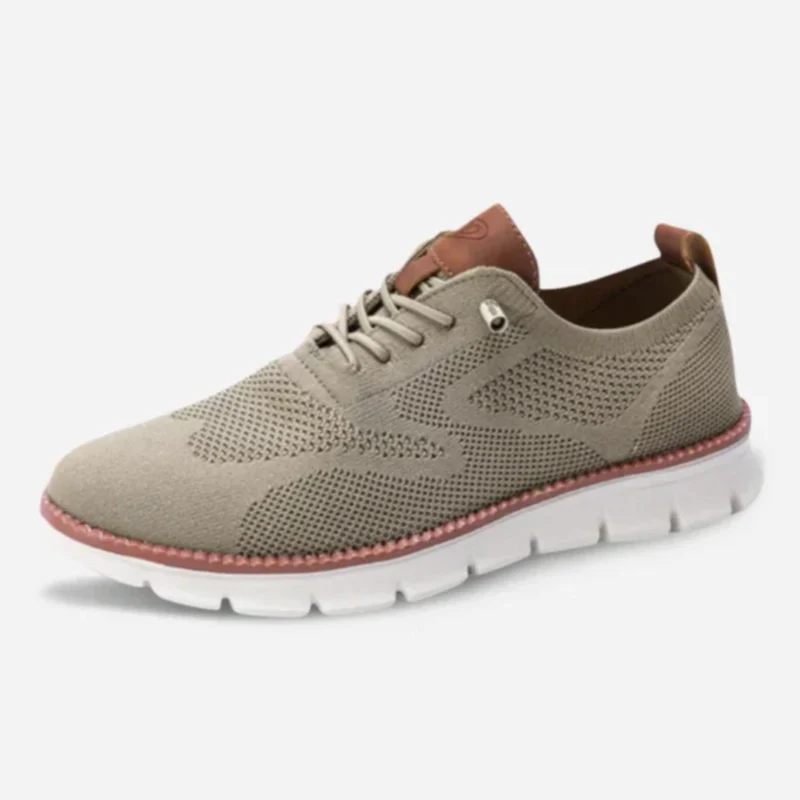
Every step you take matters—whether you’re exploring city streets, powering through your daily routine, or simply refusing to let foot discomfort slow you down. The CloudWalk – Ultra Comfortable Walking Shoes wraps your feet in therapeutic cushioning that turns pavement into clouds, so you can go farther, stay longer, and feel better doing it.
The comfort level depends on the specific shoe style. Sneakers offer maximum cushioning. Loafers provide moderate support. Heels require adjustment time. Each category serves different comfort needs.
The History of Coach Shoe Manufacturing
Coach started in 1941 as a leather goods workshop in Manhattan. Six artisans crafted wallets and billiards accessories. The company noticed baseball glove leather became softer with use. They applied this technique to their products.
Footwear production began in the late 1990s. Coach expanded from handbags into shoes using their leather expertise. The brand launched with simple leather loafers and boots. Early designs focused on classic styles with premium materials.
By 2010, Coach introduced athletic-inspired sneakers. These designs combined fashion with functional cushioning. The brand partnered with footwear specialists to improve sole technology. Modern Coach shoes feature memory foam insoles and rubber outsoles.
The company maintains factories in multiple countries. Quality control standards ensure consistent construction. Each shoe undergoes inspections before reaching stores.
Technical Construction Elements
Upper Materials
Coach uses several leather types:
- Full-grain leather – Durable outer layer with natural texture
- Suede – Soft napped finish for casual styles
- Patent leather – Glossy coating for dress shoes
- Canvas – Breathable fabric for summer sneakers
The leather undergoes chrome tanning for flexibility. This process makes the material softer than vegetable-tanned alternatives. Coach applies protective coatings to resist water and stains.
Insole Technology
The insole provides primary comfort. Coach uses these materials:
- Memory foam padding that molds to your foot shape
- EVA foam for lightweight cushioning
- Leather-covered footbeds in dress shoes
- Antimicrobial treatments to reduce odor
Most insoles measure 3-5mm thick. Athletic styles feature 7mm cushioning. The foam compresses over time but maintains support for months.
Outsole Design
Rubber outsoles offer traction and durability. Coach uses:
- Thermoplastic rubber (TPR) – Flexible and lightweight
- Natural rubber – Superior grip for wet conditions
- Leather soles – Traditional option for dress shoes
The tread patterns vary by shoe type. Sneakers have deep grooves for movement. Loafers feature minimal tread for smooth surfaces. Heel heights range from flat to 3 inches.
Internal Support Features
Heel counters stabilize your ankle. These rigid cups sit behind your heel. They prevent excessive movement during walking.
Shank supports stiffen the arch area. Metal or composite materials bridge the gap under your midfoot. This feature appears in boots and structured shoes.
Toe boxes provide space for your toes. Coach designs allow natural toe spread. Pointed styles reduce this space compared to rounded toes.
Comfort Comparison by Shoe Style
| Shoe Type | Cushioning Level | Break-in Period | All-Day Wear | Best Use Case |
|---|---|---|---|---|
| Sneakers | High | 1-3 days | Excellent | Walking, casual outings |
| Loafers | Medium | 1-2 weeks | Good | Office, light walking |
| Boots | Medium-High | 2-3 weeks | Good | Cold weather, moderate walking |
| Heels | Low-Medium | 2-4 weeks | Fair | Events, limited standing |
| Sandals | Low | Immediate | Fair | Warm weather, short periods |
Factors That Affect Your Comfort Experience
Foot Shape Compatibility
Coach shoes fit average to slightly narrow feet best. Wide-footed individuals may need half sizes up. High arches require additional insole support. Flat feet benefit from structured styles with firm shanks.
The toe box shape matters significantly. Pointed toes squeeze forefoot bones together. Round or almond toes allow natural positioning. Check the toe shape before purchase.
Size Accuracy
Coach sizing runs true to standard US measurements. Some styles fit slightly small. Read customer reviews for specific models. Many shoppers recommend ordering half sizes up for leather styles.
European leather stretches with wear. Your shoes expand 3-5% during break-in. Initial snugness becomes comfortable within weeks. Avoid buying shoes that feel loose initially.
Activity Level Requirements
Light walking suits most Coach styles. The cushioning handles 5,000-8,000 steps daily. Sneakers perform better for extended walking. Dress shoes work for standing periods under four hours.
High-impact activities exceed Coach shoe capabilities. Running requires specialized athletic footwear. Hiking needs aggressive tread and ankle support. Choose Coach for urban environments and moderate activity.
Breaking In Your Coach Shoes
New leather shoes require adjustment time. The material softens through wear. Follow these steps:
- Wear shoes indoors for 30-minute sessions
- Use thick socks to stretch tight areas
- Apply leather conditioner to speed softening
- Insert gel pads for pressure points
- Gradually increase wearing duration
The break-in period lasts one to three weeks. Blisters may occur during initial wear. Apply moleskin padding to vulnerable spots. Pain beyond mild discomfort indicates poor fit.
Accelerating the Break-In Process
Leather stretching spray helps expand tight areas. Spray inside the shoe and wear immediately. The moisture allows leather to mold to your foot.
Shoe stretchers widen the toe box overnight. Insert the device and turn the handle to apply pressure. Leave in place for 8-12 hours.
Professional cobblers offer stretching services. They use heated forms to reshape leather. This option costs $15-30 but guarantees results.
Every step you take matters—whether you’re exploring city streets, powering through your daily routine, or simply refusing to let foot discomfort slow you down. The CloudWalk – Ultra Comfortable Walking Shoes wraps your feet in therapeutic cushioning that turns pavement into clouds, so you can go farther, stay longer, and feel better doing it.
Maintenance for Long-Term Comfort
Cleaning Procedures
Leather shoes need regular cleaning:
- Wipe with damp cloth weekly
- Use leather cleaner monthly
- Apply conditioner every 2-3 months
- Stuff with newspaper after wet exposure
Suede requires special brushes. Use suede erasers for scuffs. Apply protective spray before first wear.
Canvas sneakers tolerate machine washing. Remove insoles first. Air dry completely before wearing.
Storage Practices
Proper storage maintains shoe shape. Use shoe trees in leather styles. Cedar absorbs moisture and odor. Stuff boots to prevent creasing.
Store shoes in cool, dry locations. Avoid direct sunlight that fades color. Keep pairs in original boxes with silica packets. Rotate wearing schedule to extend lifespan.
When to Replace Insoles
Insole replacement improves worn shoes. Signs you need new insoles:
- Visible compression in foam
- Reduced cushioning during walking
- Uneven wear patterns
- Persistent foot fatigue
Aftermarket insoles offer enhanced support. Brands like Superfeet and Dr. Scholl’s fit Coach shoes. Choose insoles matching your arch type.
Common Comfort Complaints and Solutions
Heel Slippage
Loose heels cause blisters. Solutions include:
- Heel grips that stick inside the shoe
- Tongue pads that tighten the fit
- Lacing techniques that lock the heel
- Half sizes down if slip exceeds 0.5 inches
Arch Pain
Insufficient arch support causes midfoot discomfort. Add orthotic insoles for reinforcement. Over-the-counter options work for mild issues. Custom orthotics address severe problems.
Toe Cramping
Narrow toe boxes squeeze your forefoot. This creates numbness and cramping. Choose rounded toe styles instead. Size up if cramping persists.
Ball of Foot Pressure
Metatarsal pads cushion the ball area. These gel inserts redistribute pressure. Place them behind the ball, not directly under it. Shoes with rocker soles also reduce forefoot stress.
Price Versus Comfort Value
Coach shoes cost $100-$400 depending on style. Sneakers start at $100. Leather loafers range $150-$250. Designer heels reach $300-$400.
The price reflects material quality and construction. Full-grain leather justifies higher costs through durability. Shoes last 2-5 years with proper care. Cost per wear becomes reasonable over time.
Budget alternatives offer similar comfort initially. However, cheaper materials deteriorate faster. Synthetic uppers crack within months. Foam cushioning compresses permanently. Coach shoes maintain comfort longer through better materials.
Selecting the Right Coach Shoe for Maximum Comfort
Step 1: Identify Your Primary Use
Determine your main activity. Daily commuting needs differ from occasional events. Sneakers suit active lifestyles. Loafers work for office settings. Boots handle variable weather.
Step 2: Measure Your Feet Properly
Measure both feet at day’s end. Feet swell throughout the day. Stand during measurement for accurate length. Record width alongside length. Check measurements yearly as feet change.
Step 3: Research Specific Models
Read reviews for your chosen style. Look for comments about sizing and comfort. Check multiple sources including retailer websites and forums. Note recurring issues mentioned by buyers.
Step 4: Try On With Appropriate Socks
Bring the socks you’ll wear regularly. Thick socks require larger sizes. Test shoes with inserts if you use them. Walk around the store for 10 minutes minimum.
Step 5: Assess Fit Points
Check these areas:
- Heel should not slip more than 0.25 inches
- Toes need 0.5 inches of space ahead
- Width should feel snug but not tight
- Arch support should align with your foot
- No pressure points or rubbing
Step 6: Consider Return Policies
Buy from retailers with flexible returns. Coach stores accept returns within 30 days. Keep original packaging and tags. Wear shoes only indoors until certain of fit.
Final Verdict on Coach Shoe Comfort
Coach shoes provide good comfort for their price point. The brand uses quality materials and sound construction. Cushioning meets standards for casual and dress wear. Most styles require break-in periods but reward patience.
Sneakers deliver the best immediate comfort. Leather styles need adjustment time. Heels suit shorter wearing periods. Overall comfort depends on matching shoe type to your needs.
The brand excels at style more than technical performance. Athletic brands offer superior cushioning for active use. Comfort shoe specialists provide better orthopedic support. Coach occupies the middle ground between fashion and function.
Your individual foot shape determines final satisfaction. Average feet find good comfort. Specialized needs may require modifications. Adding quality insoles improves most styles significantly.
Coach shoes represent solid value for urban wear. They handle moderate walking and standing well. Proper sizing and break-in procedures ensure positive experiences. Maintenance extends both comfort and lifespan.
Every step you take matters—whether you’re exploring city streets, powering through your daily routine, or simply refusing to let foot discomfort slow you down. The CloudWalk – Ultra Comfortable Walking Shoes wraps your feet in therapeutic cushioning that turns pavement into clouds, so you can go farther, stay longer, and feel better doing it.