
Blog
Are Comfort Wear Shoes Good?

What Are Comfort Wear Shoes?
Comfort wear shoes prioritize foot health and pain reduction over fashion-forward design. These shoes feature cushioned insoles, arch support systems, and wider toe boxes. Manufacturers build them with materials that reduce pressure points and distribute body weight evenly across the foot.
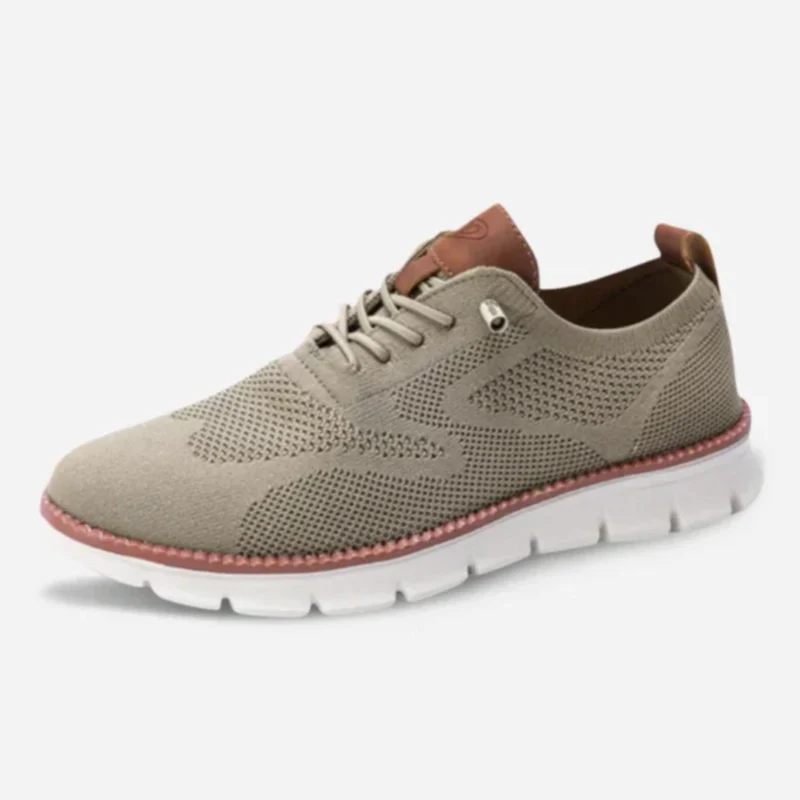
Every step you take matters—whether you’re exploring city streets, powering through your daily routine, or simply refusing to let foot discomfort slow you down. The CloudWalk – Ultra Comfortable Walking Shoes wraps your feet in therapeutic cushioning that turns pavement into clouds, so you can go farther, stay longer, and feel better doing it.
The footwear industry defines comfort wear shoes through specific technical features. Shock-absorbing midsoles protect joints during walking. Anatomical footbeds mirror the natural contours of feet. Breathable uppers prevent moisture buildup and bacterial growth.
Traditional dress shoes and athletic sneakers differ from comfort wear shoes in construction priorities. Standard footwear emphasizes aesthetics or performance. Comfort wear shoes focus on reducing foot fatigue during extended wear periods.
The History of Comfort Footwear
The comfort shoe movement began in the 1960s with orthopedic footwear specialists. Dr. William Scholl pioneered mass-market comfort inserts in 1904. His innovations made foot relief accessible beyond medical prescriptions.
European manufacturers dominated early comfort shoe production. German companies like Birkenstock introduced contoured cork footbeds in 1897. These designs addressed common foot ailments through preventive support rather than corrective treatment.
American brands entered the comfort market in the 1980s. New Balance and SAS Shoes developed athletic-inspired comfort models. These companies combined sports science with everyday wearability.
The 2000s brought mainstream acceptance of comfort footwear. Medical research validated the health benefits of supportive shoes. Fashion designers began incorporating comfort features into stylish designs. The stigma of “orthopedic-looking” shoes decreased significantly.
Modern comfort wear shoes now represent a $8 billion annual market segment. Consumer demand drives continuous innovation in materials and construction methods.
Key Technical Features That Define Quality
Cushioning Systems
Quality comfort shoes use multi-density foam layers. The top layer provides immediate softness. Deeper layers offer long-term support and shock absorption.
Memory foam molds to individual foot shapes. This material remembers pressure patterns and adapts accordingly. EVA foam (ethylene-vinyl acetate) delivers lightweight cushioning without adding bulk.
Gel inserts target specific pressure zones. Heel gel pads reduce impact forces by up to 30%. Forefoot gel cushions protect the metatarsal heads during push-off phases.
Arch Support Architecture
Proper arch support prevents foot collapse during standing and walking. Three arch types require different support profiles:
- High arches need cushioning to fill the gap between foot and ground
- Normal arches benefit from moderate contouring and stability
- Flat arches require firm posting to prevent overpronation
Quality comfort shoes offer removable insoles. This feature allows custom orthotic insertion for personalized support needs.
Toe Box Design
A spacious toe box prevents compression of forefoot structures. Adequate width reduces bunion formation and hammertoe development. Industry standards recommend 0.5 inches of space beyond the longest toe.
Wide width options accommodate feet that spread during weight-bearing. Standard shoe widths range from narrow (AA) to extra-wide (EEEE). Comfort brands typically offer at least three width variations per style.
Outsole Construction
Durable rubber outsoles provide traction and longevity. Slip-resistant tread patterns reduce fall risks on wet surfaces. Deep grooves allow natural foot flexibility during gait cycles.
Some comfort shoes feature rocker bottom soles. These curved designs reduce ankle joint stress and assist forward momentum. Medical studies show rocker soles decrease plantar pressure by 15-25%.
Health Benefits Supported by Research
Pain Reduction
Comfort wear shoes demonstrably reduce foot pain in clinical trials. A 2019 study published in the Journal of Foot and Ankle Research found that supportive footwear decreased heel pain by 43% over eight weeks.
Patients with plantar fasciitis report significant improvement when wearing proper shoes. The cushioning and arch support reduce strain on the plantar fascia ligament. This allows natural healing without constant re-injury.
Posture Improvement
Feet serve as the foundation for full-body alignment. Poorly supported feet create compensation patterns up the kinetic chain. These patterns cause knee, hip, and back problems.
Comfort shoes with proper support correct foot positioning. This correction ripples upward through the skeleton. Users report reduced lower back pain after switching to supportive footwear.
Circulation Enhancement
Tight shoes restrict blood flow to foot tissues. This restriction causes numbness, tingling, and cold sensations. Diabetic patients face serious risks from circulation-impaired feet.
Comfort wear shoes with non-binding uppers maintain healthy blood flow. Stretch fabrics accommodate foot swelling throughout the day. Proper circulation prevents tissue damage and promotes healing.
Joint Protection
Each step generates impact forces up to three times body weight. Without adequate cushioning, these forces damage ankle, knee, and hip cartilage over time.
Quality comfort shoes absorb 20-30% of impact forces. This protection preserves joint health and delays arthritis progression. Orthopedic surgeons recommend cushioned shoes for post-surgical recovery periods.
Comparing Comfort Shoes to Standard Footwear
| Feature | Comfort Wear Shoes | Standard Shoes | Athletic Shoes |
|---|---|---|---|
| Cushioning Thickness | 15-25mm | 5-10mm | 20-30mm |
| Arch Support | Anatomical contours | Minimal/flat | Sport-specific |
| Toe Box Width | Generous (12-15mm extra) | Narrow/tapered | Moderate |
| Weight (per shoe) | 10-14 oz | 8-12 oz | 9-16 oz |
| Break-in Period | Minimal (0-3 days) | 1-2 weeks | 1 week |
| Typical Lifespan | 500-800 miles | 300-500 miles | 300-500 miles |
| Average Price Range | $80-$180 | $40-$120 | $60-$150 |
Every step you take matters—whether you’re exploring city streets, powering through your daily routine, or simply refusing to let foot discomfort slow you down. The CloudWalk – Ultra Comfortable Walking Shoes wraps your feet in therapeutic cushioning that turns pavement into clouds, so you can go farther, stay longer, and feel better doing it.
Who Benefits Most From Comfort Footwear?
Healthcare Workers
Nurses, doctors, and medical technicians spend 8-12 hours on their feet daily. Hospital floors create high-impact walking surfaces. Comfort shoes reduce shift fatigue and prevent occupational foot injuries.
Studies show healthcare workers wearing supportive shoes take fewer sick days. The investment in quality footwear pays dividends in sustained work capacity.
Retail and Service Employees
Standing jobs demand different support than walking jobs. Static standing pools blood in lower extremities and stresses foot arches. Comfort shoes with firm arch support combat standing-related fatigue.
Restaurant servers and retail clerks report energy level improvements with proper shoes. Reduced foot pain allows better focus on customer service duties.
People with Diabetes
Diabetic neuropathy reduces foot sensation. Patients cannot feel developing pressure sores or injuries. Smooth interior linings prevent friction injuries in sensitive feet.
Extra depth models accommodate custom orthotics and thick diabetic socks. Proper footwear is critical for preventing diabetic foot ulcers and amputations.
Aging Adults
Foot structure changes with age. Fat pads thin, reducing natural cushioning. Ligaments weaken, causing arch collapse. Balance decreases, raising fall risks.
Comfort shoes address these age-related changes. Stability features improve balance confidence. Cushioning replaces lost natural padding.
Active Individuals
Walkers, hikers, and fitness enthusiasts need durable support. Long-distance activities multiply stress on foot structures. Inadequate shoes cause overuse injuries like stress fractures and tendinitis.
Performance comfort shoes merge athletic features with support technology. These hybrid designs suit both exercise and daily wear.
Selection Criteria for Optimal Fit
Measuring Your Feet Correctly
Foot size changes throughout life. Weight fluctuations, pregnancy, and aging alter foot dimensions. Annual measurements ensure accurate sizing.
Measure feet at day’s end when natural swelling peaks. Stand during measurement for weight-bearing accuracy. Measure both feet separately as size differences are common.
Testing Shoes Properly
Walk at least 50 steps in potential purchases. Stand on hard surfaces to assess cushioning adequacy. Check for slippage at the heel during walking.
The thumb test verifies toe box space. Press your thumb at the shoe’s end. Adequate room exists if the thumb fits comfortably beyond your longest toe.
Material Considerations
Leather uppers offer durability and breathability but require break-in time. Synthetic mesh provides immediate comfort and lighter weight. Textile blends balance breathability with structure.
Avoid completely non-breathable materials. Feet produce up to 250ml of sweat daily. Moisture-wicking linings prevent bacterial growth and odor formation.
Brand Reputation Research
Established comfort brands invest in podiatric research. Companies like New Balance, Brooks, Hoka, and Skechers maintain certified fit specialists. These experts help match shoes to specific foot types.
Read verified customer reviews focusing on durability reports. Short-term comfort means nothing if shoes collapse after two months. Quality construction maintains support throughout the shoe’s lifespan.
Maintenance Tips for Longevity
Regular cleaning preserves materials and extends shoe life. Remove insoles weekly for air drying. Wipe exteriors with damp cloths to remove dirt and salt.
Rotate between two pairs of comfort shoes. This rotation allows complete drying between wears. Moisture trapped in shoes breaks down cushioning materials faster.
Replace shoes every 500-800 miles of use. Track mileage for walking shoes using smartphone apps. Visual inspection reveals compression in midsole foam and worn outsole treads.
Store shoes in cool, dry locations away from direct sunlight. UV exposure degrades foam and rubber compounds. Proper storage maintains material integrity between wearing sessions.
Price Versus Value Analysis
Comfort wear shoes cost more than basic footwear. Premium prices reflect advanced materials and construction methods. The initial investment prevents future medical expenses from foot problems.
Budget-friendly comfort options exist in the $60-$100 range. These shoes provide basic support features without premium technologies. Mid-range options ($100-$150) offer optimal value for most users.
High-end models ($150+) incorporate cutting-edge materials and custom-moldable features. These premium shoes suit users with specific medical needs or extreme usage demands.
Calculate cost per wear rather than upfront price. A $150 shoe lasting 18 months costs less per day than a $60 shoe requiring replacement after four months.
The Verdict on Comfort Wear Shoes
Comfort wear shoes deliver measurable benefits for foot health and overall wellbeing. Research supports their effectiveness in reducing pain and preventing injuries. The technical features address real biomechanical needs.
Quality matters significantly in comfort footwear. Cheaply made shoes with minimal cushioning provide no real benefits. Invest in reputable brands using proven support technologies.
Individual foot anatomy dictates optimal shoe selection. No single model suits every user. Professional fitting services help identify specific support needs.
The answer is clear: yes, comfort wear shoes are good. They protect feet, reduce pain, and prevent long-term damage. The investment pays returns in sustained mobility and quality of life. Anyone spending significant time on their feet should prioritize proper footwear. Your feet carry you through life—give them the support they deserve.
Every step you take matters—whether you’re exploring city streets, powering through your daily routine, or simply refusing to let foot discomfort slow you down. The CloudWalk – Ultra Comfortable Walking Shoes wraps your feet in therapeutic cushioning that turns pavement into clouds, so you can go farther, stay longer, and feel better doing it.