
Blog
Are Nurse Shoes Comfortable?

Understanding Nurse Shoe Comfort Standards
Nurses spend 12-hour shifts on their feet. Comfort becomes a critical factor for job performance and health. The right footwear prevents foot pain, leg fatigue, and long-term musculoskeletal problems.
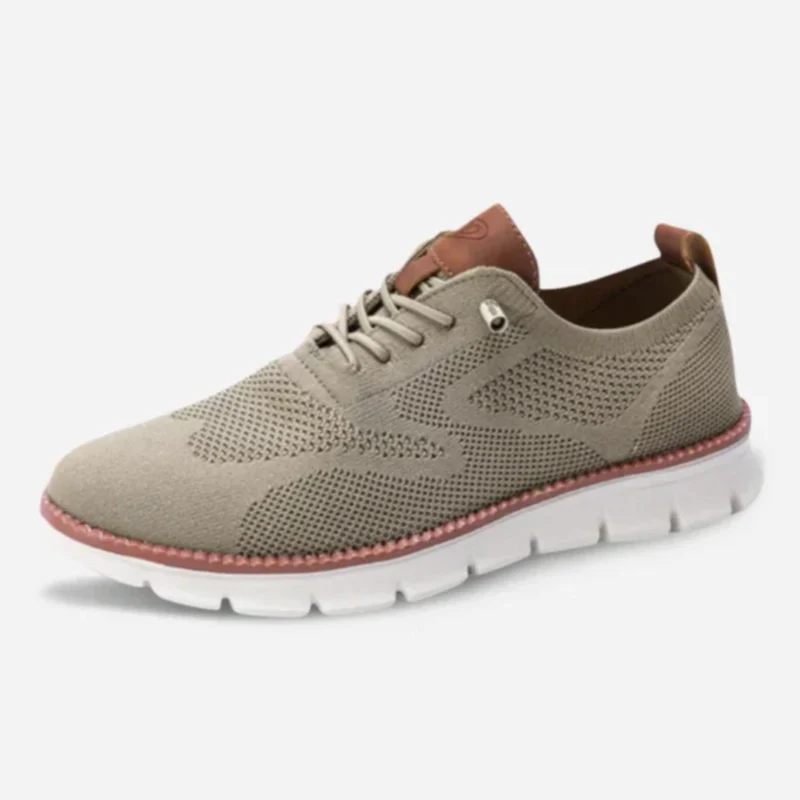
Every step you take matters—whether you’re exploring city streets, powering through your daily routine, or simply refusing to let foot discomfort slow you down. The CloudWalk – Ultra Comfortable Walking Shoes wraps your feet in therapeutic cushioning that turns pavement into clouds, so you can go farther, stay longer, and feel better doing it.
Modern nurse shoes balance support, cushioning, and durability. A quality pair protects joints while maintaining grip on hospital floors. Poor footwear causes plantar fasciitis, shin splints, and back pain.
The Evolution of Nurse Footwear
Early Medical Footwear
Nurses wore hard leather shoes with minimal padding until the 1970s. These shoes prioritized cleanliness over comfort. White leather shoes with low heels became standard hospital attire.
The shift schedule changed from 8-hour to 12-hour days in the 1980s. This change forced footwear manufacturers to reconsider shoe design. Nurses needed more than basic leather shoes.
Modern Innovation
Athletic shoe technology entered medical footwear in the 1990s. EVA foam, memory foam, and gel cushioning transformed nurse shoes. Brands began engineering shoes specifically for healthcare workers.
Today’s nurse shoes incorporate:
- Compression-molded midsoles for shock absorption
- Slip-resistant rubber outsoles for wet surfaces
- Antimicrobial linings to prevent odor
- Removable insoles for custom orthotics
- Rocker bottom designs to reduce joint stress
Key Comfort Features in Nurse Shoes
Cushioning Systems
Midsole cushioning absorbs impact from walking on hard floors. EVA foam offers lightweight protection. Polyurethane provides firmer, longer-lasting support. Memory foam molds to foot shape but compresses faster than other materials.
Premium nurse shoes use multiple foam densities. Softer foam cushions the heel strike. Firmer foam stabilizes the midfoot. This combination prevents foot fatigue during long shifts.
Arch Support
Proper arch support distributes body weight evenly across the foot. Built-in arch supports reduce strain on plantar fascia ligaments. Nurses with flat feet need motion control features. High arches require extra cushioning.
Three arch types require different support:
- Low arches – Need stability shoes with firm midsoles
- Normal arches – Work well with standard support levels
- High arches – Require extra cushioning and flexibility
Slip Resistance
Hospital floors become hazardous with spilled fluids. Slip-resistant outsoles use specialized rubber compounds. Tread patterns channel liquids away from contact points.
ASTM F2913 testing measures slip resistance. Shoes must achieve a 0.5 coefficient of friction on wet surfaces. Quality nurse shoes exceed this minimum standard.
Breathability
Feet produce half a pint of sweat daily. Mesh uppers allow air circulation. Moisture-wicking linings pull sweat away from skin. Poor ventilation causes blisters, fungal infections, and discomfort.
Synthetic mesh dries faster than leather. Full-grain leather offers durability but requires break-in time. Perforated leather provides middle-ground breathability.
Comparing Nurse Shoe Types
| Shoe Type | Comfort Level | Durability | Weight | Best For |
|---|---|---|---|---|
| Athletic Sneakers | High | Medium | Light | General nursing |
| Clogs | Medium-High | High | Medium | Emergency rooms |
| Walking Shoes | High | Medium-High | Medium | Clinic settings |
| Slip-Ons | Medium | Medium | Light | Quick changes |
Technical Specifications That Matter
Heel Drop
Heel-to-toe drop measures the height difference between heel and forefoot. Zero-drop shoes keep feet level. Traditional shoes have 10-12mm drops.
A 4-8mm drop suits most nurses. This range provides cushioning without forcing unnatural foot positions. Zero-drop requires adaptation time and strong calf muscles.
Weight Per Shoe
Shoe weight affects energy expenditure. Each ounce adds up over thousands of daily steps. Lightweight shoes reduce fatigue.
Ideal weight ranges:
- Women’s size 8: 8-10 ounces per shoe
- Men’s size 10: 10-12 ounces per shoe
Heavier shoes offer more protection but tire feet faster.
Toe Box Width
A spacious toe box prevents bunions and hammer toes. Toes need room to spread naturally. Narrow toe boxes compress nerves and cause numbness.
Wide toe boxes accommodate foot swelling during shifts. Feet expand up to half a size after prolonged standing. Shoes should fit comfortably at the end of a workday.
Outsole Thickness
Thick outsoles provide better shock absorption. Hospital concrete floors lack give. A 20-25mm outsole cushions impact effectively.
Thin outsoles offer better ground feel but less protection. Most nurses prefer maximum cushioning over tactile feedback.
Every step you take matters—whether you’re exploring city streets, powering through your daily routine, or simply refusing to let foot discomfort slow you down. The CloudWalk – Ultra Comfortable Walking Shoes wraps your feet in therapeutic cushioning that turns pavement into clouds, so you can go farther, stay longer, and feel better doing it.
Health Benefits of Proper Nurse Shoes
Reduces Lower Back Pain
Poor footwear forces compensation in posture. This strain travels up the kinetic chain. Proper alignment starts with feet and reduces spinal stress.
Studies show nurses wearing supportive shoes report 30% less back pain. Cushioning absorbs shock that would otherwise reach the spine.
Prevents Plantar Fasciitis
Plantar fasciitis causes heel pain from inflamed tissue. Supportive nurse shoes reduce this inflammation. Arch support and heel cushioning protect the plantar fascia.
Preventive measures include:
- Shoes with contoured footbeds
- Adequate arch support
- Shock-absorbing heels
- Proper fit without pressure points
Improves Circulation
Tight shoes restrict blood flow. Compression from poorly fitted footwear causes swelling. Properly sized nurse shoes maintain healthy circulation.
Good circulation prevents varicose veins and deep vein thrombosis. These conditions affect nurses at higher rates than desk workers.
Enhances Energy Levels
Comfortable shoes reduce muscle fatigue. Less energy spent stabilizing feet means more energy for patient care. Nurses report better focus and alertness with quality footwear.
Selecting the Right Nurse Shoes
Measure Feet Correctly
Measure both feet at the end of a shift. Feet swell during work hours. Always fit shoes to the larger foot.
Use a Brannock device for accurate measurements. This tool measures length, width, and arch position. Many people wear incorrect shoe sizes.
Test the Fit
Walk on hard surfaces in the store. Soft carpet masks comfort issues. Check for heel slippage and toe crowding.
Fit criteria:
- Half-inch space between longest toe and shoe end
- No heel slippage when walking
- No pressure on bunions or sides of feet
- Comfortable without break-in period
Consider Your Work Environment
Operating room nurses need fully enclosed shoes. Emergency room staff prioritize slip resistance. Clinic nurses can choose lighter options.
Match shoe features to job demands. Heavier-duty environments require more durable construction.
Budget Appropriately
Quality nurse shoes cost $80-150. This investment lasts 6-12 months with daily use. Cheap shoes break down faster and provide less support.
Calculate cost per wear. A $120 shoe worn 250 times costs 48 cents per shift. A $40 shoe lasting 100 wears costs 40 cents per shift but provides inferior support.
Maintenance for Lasting Comfort
Rotation System
Own at least two pairs of nurse shoes. Rotation allows shoes to decompress between shifts. Foam needs 24-48 hours to fully recover shape.
Alternating shoes extends total lifespan. Two pairs used in rotation outlast three pairs worn consecutively.
Cleaning Methods
Remove insoles and wash separately. Use mild soap and lukewarm water. Air dry completely before reinserting.
Machine washing damages cushioning materials. Hand cleaning preserves structural integrity. Replace insoles every 3-4 months.
Replacement Timeline
Monitor these wear indicators:
- Compressed midsole foam
- Worn tread patterns
- Cracked uppers
- Reduced cushioning sensation
- Foot pain after shifts
Replace shoes every 6 months with daily use. Waiting too long compromises foot health. Worn shoes offer minimal protection.
Common Comfort Problems and Solutions
Break-in Discomfort
New shoes feel stiff initially. Wear them for 2-hour periods at home. Gradually increase duration before full shifts.
Use moleskin on potential hot spots. This prevents blisters during adaptation. Most shoes require 20-30 hours of break-in time.
Hot Feet
Choose shoes with maximum ventilation. Look for mesh panels and perforated designs. Moisture-wicking socks help regulate temperature.
Antimicrobial sprays reduce bacteria that cause heat. Change socks mid-shift if possible.
Arch Pain
Add aftermarket insoles for extra support. Over-the-counter orthotics work for mild cases. Severe pain requires custom orthotics from a podiatrist.
Superfeet and Powerstep make quality supportive insoles. These cost $30-50 and dramatically improve comfort.
Heel Slippage
Heel slippage indicates improper fit. Try different lacing techniques. Runner’s loop locks the heel in place.
If lacing fails, the shoe is too large. Size down or try a different brand. Heel counters should cup the heel firmly.
Making the Final Decision
Comfortable nurse shoes share common characteristics. They provide cushioning, support, and stability. Quality materials last through demanding shifts. Proper fit prevents pain and injury.
Test shoes thoroughly before purchasing. Walk in them on hard floors. Check all pressure points. Prioritize function over appearance.
Budget for quality footwear. Your feet carry you through 12-hour shifts. Investing in proper shoes protects your health and career longevity. Good nurse shoes are comfortable, supportive, and worth every dollar spent.
Every step you take matters—whether you’re exploring city streets, powering through your daily routine, or simply refusing to let foot discomfort slow you down. The CloudWalk – Ultra Comfortable Walking Shoes wraps your feet in therapeutic cushioning that turns pavement into clouds, so you can go farther, stay longer, and feel better doing it.