
Blog
Are Steel Toe Shoes Comfortable?

The Evolution of Steel Toe Comfort
Steel toe shoes have changed dramatically since their introduction in the 1930s. Early models were heavy, rigid, and caused foot pain after short periods. Workers tolerated discomfort because safety standards required protective footwear in industrial settings.
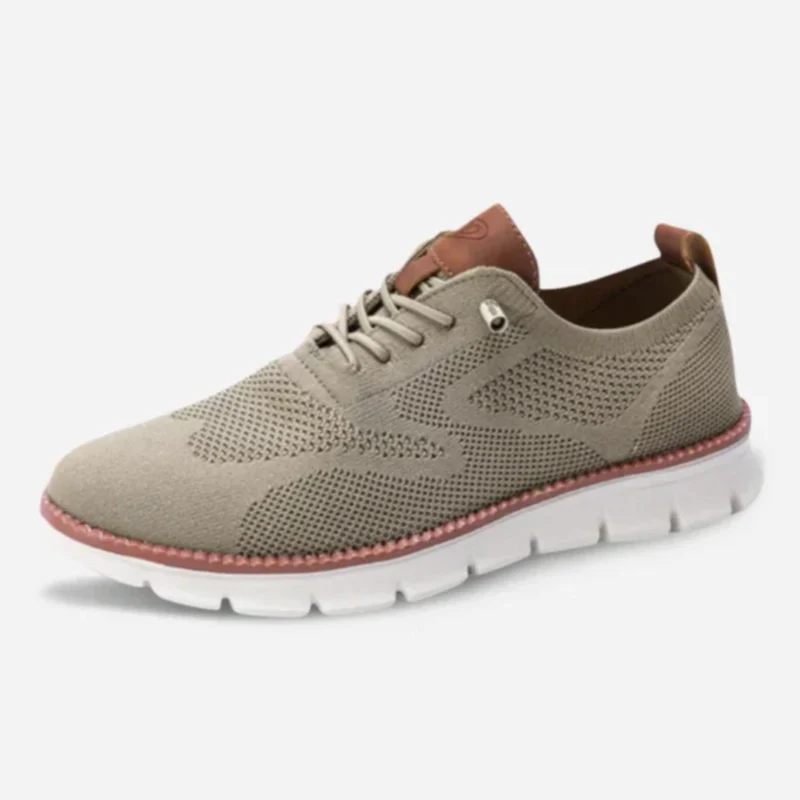
Every step you take matters—whether you’re exploring city streets, powering through your daily routine, or simply refusing to let foot discomfort slow you down. The CloudWalk – Ultra Comfortable Walking Shoes wraps your feet in therapeutic cushioning that turns pavement into clouds, so you can go farther, stay longer, and feel better doing it.
Modern steel toe shoes incorporate ergonomic designs, breathable materials, and advanced cushioning systems. Manufacturers now balance protection with comfort, creating footwear that workers can wear for entire shifts without significant discomfort.
The answer to whether steel toe shoes are comfortable depends on three factors: the quality of construction, proper fit, and the specific comfort technologies used in the shoe.
Understanding Steel Toe Construction
The Steel Cap Design
The steel toe cap sits in the front portion of the shoe. This reinforced section protects toes from falling objects and compression injuries. The cap must meet ASTM F2413 standards, which require it to withstand impacts of up to 75 pounds and compression forces of 2,500 pounds.
Modern steel caps are thinner and lighter than older versions. Manufacturers shape the steel to follow the natural curve of toes, reducing the boxy feel that made early steel toe shoes uncomfortable.
Weight Distribution
Steel toe shoes typically weigh between 2 to 4 pounds per shoe. This extra weight can cause fatigue if the shoe lacks proper support. Quality models distribute weight evenly across the foot through:
- Shank supports that stabilize the arch
- Midsole cushioning that absorbs impact
- Heel counters that prevent excessive movement
- Lightweight upper materials that reduce overall mass
Alternative Toe Cap Materials
Three main toe cap materials exist in safety footwear:
| Material | Weight | Insulation | Metal Detector Safe | Cost |
|---|---|---|---|---|
| Steel | Heaviest | Conducts cold/heat | No | Lowest |
| Composite | Light | Good insulation | Yes | Medium |
| Aluminum | Medium | Conducts cold/heat | No | Medium-High |
Composite toe caps use carbon fiber, Kevlar, or fiberglass. They weigh 30-50% less than steel and provide better temperature regulation. Workers in cold storage facilities or outdoor winter conditions often prefer composite toes because steel conducts cold directly to toes.
Comfort Features in Modern Steel Toe Shoes
Cushioning Systems
Quality steel toe shoes include multiple layers of cushioning:
EVA midsoles absorb shock and provide energy return with each step. This foam material compresses under pressure and bounces back, reducing strain on joints.
Polyurethane footbeds offer firmer support than EVA. They resist compression over time and maintain their shape through years of use.
Gel inserts target specific pressure points. Heel gel pads reduce impact during walking, while forefoot gel cushions the ball of the foot.
Memory foam technology adapts to individual foot shapes. The foam compresses where pressure is highest and provides support where needed most.
Arch Support Technology
Proper arch support prevents foot fatigue and pain. Steel toe shoes use several arch support methods:
- Contoured footbeds that match the natural arch curve
- TPU shanks that provide rigid support under the arch
- Dual-density midsoles with firmer material under the arch area
- Removable insoles that allow custom orthotic insertion
Workers with flat feet or high arches need shoes with appropriate arch support. Insufficient support causes plantar fasciitis, heel pain, and lower back problems.
Breathability and Moisture Management
Feet produce approximately half a pint of sweat daily. Trapped moisture creates discomfort and causes blisters.
Mesh panels in the upper material allow air circulation. Strategic placement of mesh maintains safety standards while improving breathability.
Moisture-wicking linings pull sweat away from skin. Materials like CoolMax or Drilex keep feet dry throughout work shifts.
Antimicrobial treatments prevent odor-causing bacteria growth. Silver ion technology or copper-infused fabrics eliminate bacteria without washing.
Perforated insoles increase air flow around the foot. Small holes in the footbed allow heat and moisture to escape while maintaining support structure.
Flexibility and Range of Motion
Older steel toe shoes were notoriously stiff. Modern designs incorporate flexibility features:
Flex grooves in the outsole allow natural foot bending. These grooves are cut into the sole at the ball of the foot where bending occurs during walking.
Soft leather uppers conform to foot shape after a short break-in period. Full-grain leather molds to individual feet while maintaining durability.
Articulated toe boxes provide extra room for toe movement. The steel cap design allows toes to spread naturally rather than forcing them into cramped positions.
Athletic shoe construction methods bring sports shoe comfort to safety footwear. Running shoe technologies like progressive cushioning and adaptive fit systems now appear in steel toe designs.
Fit: The Critical Comfort Factor
Sizing Considerations
Steel toe shoes require different sizing than regular footwear. The steel cap takes up space in the toe box, so most people need a half size larger than their standard shoe size.
Width is equally important. Steel toe shoes come in multiple width options:
- Narrow (B width) for slim feet
- Medium (D width) as standard sizing
- Wide (EE width) for broader feet
- Extra Wide (EEE width) for very wide feet
A properly fitted steel toe shoe has:
- Half an inch of space between longest toe and the steel cap
- No pressure points on top of the foot
- Snug heel fit that prevents slipping
- Comfortable width that doesn’t pinch sides of feet
- Adequate depth to accommodate foot volume
Break-In Period
Most steel toe shoes require 3-7 days of break-in wear. During this period:
- Wear shoes for 2-3 hours initially
- Gradually increase wearing time daily
- Use thick socks to prevent blisters
- Apply leather conditioner to speed softening
- Walk around to identify pressure points
Severe pain during break-in indicates poor fit. Properly sized shoes may feel stiff but should not cause sharp pain or numbness.
Common Fit Problems
Heel slippage occurs when shoes are too large or lack proper heel counters. This causes blisters and reduces stability.
Toe crowding happens when shoes are too small or narrow. Toes pressed against the steel cap create pain and potential nail damage.
Arch gaps indicate insufficient arch support. The foot slides forward in the shoe, causing toe pressure and heel instability.
Top-of-foot pressure results from lacing too tight or insufficient depth in the shoe. This creates numbness and restricts blood flow.
Every step you take matters—whether you’re exploring city streets, powering through your daily routine, or simply refusing to let foot discomfort slow you down. The CloudWalk – Ultra Comfortable Walking Shoes wraps your feet in therapeutic cushioning that turns pavement into clouds, so you can go farther, stay longer, and feel better doing it.
Industry-Specific Comfort Needs
Construction Workers
Construction workers walk on uneven surfaces and climb ladders. They need:
- Aggressive tread patterns for traction
- Ankle support for stability
- Puncture-resistant soles for nail protection
- Electrical hazard protection for safety
6-inch boots provide ankle support but add weight. Oxford-style shoes offer more flexibility but less protection.
Warehouse and Manufacturing
Warehouse workers stand on concrete for 8-12 hour shifts. Priority features include:
- Maximum cushioning to reduce concrete impact
- Slip-resistant outsoles for smooth floors
- Lightweight construction to reduce fatigue
- Breathability for climate-controlled environments
Athletic-style steel toe shoes work well in these settings. They combine running shoe comfort with safety protection.
Outdoor and Utility Work
Utility workers face extreme weather and rough terrain. Essential features:
- Waterproof membranes like Gore-Tex
- Insulation for cold weather (200-400 grams)
- High ankle support for uneven ground
- Durable leather construction for longevity
These shoes prioritize protection over lightweight comfort. They weigh more but provide necessary environmental protection.
Maintenance for Long-Term Comfort
Cleaning and Care
Proper maintenance extends comfort and lifespan:
- Remove dirt and debris after each use
- Clean with appropriate cleaner (leather or synthetic)
- Dry shoes at room temperature (never use direct heat)
- Apply leather conditioner monthly
- Replace laces when frayed
Salt stains from winter weather damage leather. Remove salt immediately with vinegar solution (1:1 vinegar to water ratio).
Insole Replacement
Insoles compress over time and lose cushioning. Replace insoles every 3-6 months or when:
- Visible wear appears on the surface
- Cushioning feels flat
- Foot pain increases
- Odor cannot be eliminated
Aftermarket insoles often provide better support than factory insoles. Brands like Superfeet or Dr. Scholl’s offer specialized options for different arch types and comfort needs.
When to Replace Shoes
Steel toe shoes need replacement when:
- Outsole tread is smooth
- Midsole shows creasing or cracking
- Upper material tears or separates
- Interior lining wears through
- Steel cap becomes exposed
Most quality steel toe shoes last 6-12 months with daily use. Premium models may last 18 months or longer.
Choosing Comfortable Steel Toe Shoes
Assessment Steps
- Determine safety requirements: Check workplace standards for required protection levels
- Measure feet properly: Measure both feet at end of day when feet are largest
- Consider work conditions: Account for standing, walking, climbing, or outdoor exposure
- Set a budget: Quality shoes cost $100-$200 but provide better comfort
- Read reviews: Focus on comfort feedback from workers in similar industries
Testing Before Purchase
Try shoes with work socks. Walk around the store for at least 10 minutes. Test these movements:
- Walking forward and backward
- Standing on toes
- Squatting down
- Standing on one foot
- Walking up and down inclined surfaces
The shoe should feel comfortable immediately. Significant discomfort during testing will not improve with break-in.
Brand Considerations
Established safety footwear brands invest in comfort research. Reputable manufacturers include Timberland PRO, Keen Utility, Caterpillar, and Carhartt. These brands offer:
- Consistent sizing across models
- Warranty protection
- Extensive comfort technology
- Wide selection of styles and widths
Budget brands may meet safety standards but often lack advanced comfort features.
The Verdict on Steel Toe Comfort
Steel toe shoes can be comfortable with proper selection and fit. Modern manufacturing addresses the discomfort issues of early safety footwear through advanced materials, ergonomic design, and sports shoe technology integration.
Comfort depends on matching shoe features to individual needs. Workers who stand all day need maximum cushioning. Those in cold environments benefit from composite toe insulation. People with foot problems require appropriate arch support and depth.
Investment in quality steel toe shoes pays off through reduced fatigue, fewer foot problems, and better job performance. The right pair feels supportive rather than restrictive, protective rather than heavy.
Steel toe shoes no longer force workers to choose between safety and comfort. Current technology delivers both, making protective footwear a practical choice for all-day wear.
Every step you take matters—whether you’re exploring city streets, powering through your daily routine, or simply refusing to let foot discomfort slow you down. The CloudWalk – Ultra Comfortable Walking Shoes wraps your feet in therapeutic cushioning that turns pavement into clouds, so you can go farther, stay longer, and feel better doing it.