
Blog
What Are the Most Comfortable New Balance Shoes

The Evolution of New Balance Comfort Technology
New Balance started in Boston in 1906. The company built arch supports and prescription footwear. The brand’s name comes from the three-point support system that creates balance in shoes.
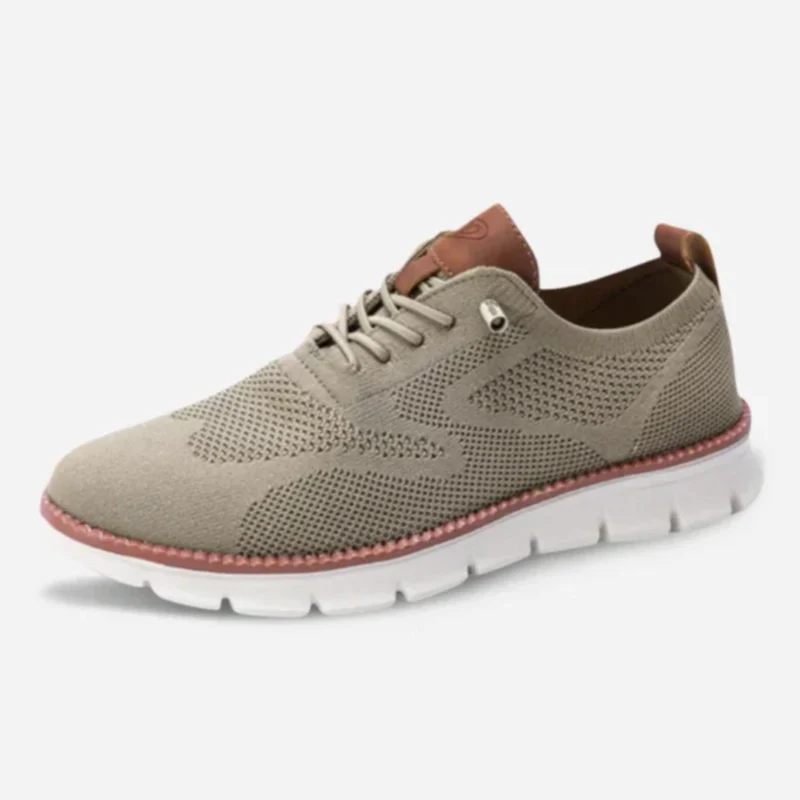
Every step you take matters—whether you’re exploring city streets, powering through your daily routine, or simply refusing to let foot discomfort slow you down. The CloudWalk – Ultra Comfortable Walking Shoes wraps your feet in therapeutic cushioning that turns pavement into clouds, so you can go farther, stay longer, and feel better doing it.
The company introduced the Trackster in 1960. This was the first running shoe with a ripple sole. It offered widths that other brands ignored. This focus on fit became the foundation for comfort innovation.
Modern New Balance shoes use advanced cushioning systems. The brand invested millions in biomechanics research. Engineers studied foot strike patterns and pressure points. This data drives current comfort technologies.
Key Comfort Technologies in New Balance Shoes
Fresh Foam System
Fresh Foam uses a single-piece midsole design. The foam contains geometric patterns that compress under pressure. These hexagonal shapes provide targeted cushioning.
The material weighs less than traditional EVA foam. Fresh Foam offers 30% more cushioning while reducing weight by 3 ounces per pair. The foam rebounds quickly to maintain energy return.
Fresh Foam X is the latest version. It adds softer landings and better stability. The compound uses nitrogen injection for a lighter feel.
FuelCell Technology
FuelCell focuses on propulsion and speed. The foam compound uses a nitrogen-infused process. This creates a responsive feel that pushes runners forward.
FuelCell provides 39% more energy return than standard foams. The material works best for uptempo runs and races. It feels firmer than Fresh Foam but delivers superior bounce.
The technology appears in performance models. These shoes suit runners who prioritize speed over plush comfort.
ENCAP Cushioning
ENCAP combines soft foam with a durable polyurethane rim. The rim wraps the midsole perimeter. This creates stability without sacrificing comfort.
The system debuted in 1985. It remains popular in walking shoes and lifestyle models. ENCAP offers all-day comfort for standing and walking.
The polyurethane rim lasts longer than standard midsoles. Shoes with ENCAP maintain cushioning properties for 500+ miles.
The Most Comfortable New Balance Models
New Balance 1080v13
The 1080v13 represents the pinnacle of plush comfort. Fresh Foam X fills the entire midsole. The shoe weighs 9.4 ounces for men and 7.8 ounces for women.
The upper uses engineered mesh with strategic stretch zones. This accommodates different foot shapes without pressure points. The heel collar includes extra padding.
Key specifications:
- Drop: 8mm (heel-to-toe offset)
- Stack Height: 33mm heel, 25mm forefoot
- Width Options: 2E, 4E for men; B, D, 2E for women
- Best For: Long runs, recovery days, walkers with high arches
Runners report the 1080v13 feels like “walking on clouds.” The thick midsole absorbs impact on concrete and asphalt. The shoe suits heel strikers and midfoot strikers equally.
New Balance 880v14
The 880v14 balances cushioning with stability. It uses dual-density Fresh Foam in the midsole. The medial side contains firmer foam to control overpronation.
The shoe weighs less than the 1080v13. Men’s sizes average 8.9 ounces. The lighter weight appeals to runners who want comfort without bulk.
Key specifications:
- Drop: 10mm
- Stack Height: 30mm heel, 20mm forefoot
- Width Options: D, 2E, 4E for men; B, D, 2E for women
- Best For: Daily training, moderate overpronators, versatile performance
The 880v14 excels in the 20-50 mile per week range. The shoe transitions smoothly from heel to toe. Runners describe the ride as stable and predictable.
New Balance 990v6
The 990v6 continues a 40-year legacy. The shoe combines ENCAP cushioning with dual-density foam. A pigskin and mesh upper offers premium materials.
Made in the USA models use domestic materials and labor. These shoes cost more but support American manufacturing. The quality control produces consistent sizing.
Key specifications:
- Drop: 12mm
- Stack Height: 28mm heel, 16mm forefoot
- Width Options: B, D, 2E, 4E for men and women
- Best For: All-day wear, walking, casual use, stability needs
The 990v6 works for people on their feet 8+ hours daily. Healthcare workers and retail employees favor this model. The shoe maintains structure after months of use.
New Balance Fresh Foam X More v4
The More v4 offers maximum cushioning. Stack height reaches 34mm in the heel. This creates the softest landing in the New Balance lineup.
The rocker geometry helps propel feet forward. The thick midsole might feel unstable at first. Most users adapt within 2-3 runs.
Key specifications:
- Drop: 6mm
- Stack Height: 34mm heel, 28mm forefoot
- Width Options: D, 2E for men; B, D for women
- Best For: Maximum cushioning seekers, joint protection, ultra-distance events
Distance runners use the More v4 for training runs over 15 miles. The extra cushioning protects knees and ankles. The shoe suits heavier runners who need impact absorption.
New Balance FuelCell Rebel v4
The Rebel v4 combines comfort with speed. FuelCell foam provides responsive cushioning. The shoe weighs just 7.2 ounces for men.
A thin layer of Fresh Foam X sits under the FuelCell. This adds comfort without killing responsiveness. The combination works for tempo runs and long intervals.
Key specifications:
- Drop: 6mm
- Stack Height: 31mm heel, 25mm forefoot
- Width Options: D, 2E for men; B, D for women
- Best For: Uptempo training, race day, lighter runners, versatile speed work
The Rebel v4 feels bouncy and energetic. It suits runners who dislike the soft sink of maximum cushioning. The shoe responds to faster paces with snappy transitions.
Every step you take matters—whether you’re exploring city streets, powering through your daily routine, or simply refusing to let foot discomfort slow you down. The CloudWalk – Ultra Comfortable Walking Shoes wraps your feet in therapeutic cushioning that turns pavement into clouds, so you can go farther, stay longer, and feel better doing it.
Comparison of Top Comfort Models
| Model | Weight (oz) | Stack Height | Primary Use | Cushioning Type | Price Range |
|---|---|---|---|---|---|
| 1080v13 | 9.4 / 7.8 | 33mm heel | Long runs, recovery | Fresh Foam X | $160-$170 |
| 880v14 | 8.9 / 7.5 | 30mm heel | Daily training | Dual-density Fresh Foam | $140-$150 |
| 990v6 | 12.5 / 10.8 | 28mm heel | All-day wear | ENCAP + Dual-density | $185-$200 |
| More v4 | 10.6 / 8.9 | 34mm heel | Maximum cushioning | Fresh Foam X | $165-$175 |
| Rebel v4 | 7.2 / 6.2 | 31mm heel | Tempo runs, racing | FuelCell + Fresh Foam | $140-$150 |
Selecting Your Most Comfortable New Balance Shoe
Foot Type Assessment
Determine your arch height first. Wet your foot and step on dark paper. A complete footprint indicates flat arches. A narrow connecting strip shows high arches. A moderate strip reveals neutral arches.
Flat arches need stability features. The 880v14 or 990v6 work best. These models prevent excessive inward rolling.
High arches require extra cushioning. The 1080v13 or More v4 absorb impact better. These shoes reduce stress on feet with limited natural shock absorption.
Neutral arches handle most models well. Choose based on use case and preference.
Width Considerations
New Balance excels at width options. Most brands offer only standard widths. New Balance provides narrow (B for men), standard (D for men, B for women), wide (2E), and extra-wide (4E) sizes.
Measure your foot width at the widest point. Compare this to standard sizing charts. Shoes that are too narrow cause blisters and numbness. Shoes that are too wide allow excessive movement and instability.
Use Case Matching
Different activities demand specific shoe characteristics:
Daily running (20-40 miles/week): The 880v14 or 1080v13 handle regular training. These shoes last 400-500 miles before cushioning degrades.
Long-distance running (40+ miles/week): The 1080v13 or More v4 protect joints during high mileage. Rotate between two pairs to extend shoe life.
Walking and standing: The 990v6 provides all-day comfort. The ENCAP system maintains support during extended wear. The premium materials resist breakdown.
Speed work and racing: The Rebel v4 or FuelCell Propel v4 offer responsive cushioning. These shoes weigh less and feel more agile at faster paces.
Recovery and cross-training: The 1080v13 works for easy days and gym sessions. The soft cushioning reduces fatigue.
Break-In Period
New Balance shoes typically require minimal break-in. Fresh Foam models feel comfortable immediately. ENCAP shoes might feel stiff for the first 10-15 miles.
Start with shorter sessions in new shoes. Gradually increase distance over 2-3 weeks. This allows your feet to adapt to different cushioning systems.
Never race or run long distances in untested shoes. Break in shoes over at least 40 miles before important runs.
Maintenance Tips for Extended Comfort
Remove insoles after each use. Air-dry shoes away from direct heat. Heat degrades foam compounds and weakens adhesives.
Rotate between two pairs of shoes. Foam needs 24-48 hours to fully decompress. Alternating pairs extends total shoe life by 30-40%.
Clean shoes with mild soap and water. Avoid washing machines. The agitation damages midsole structure. Stuff shoes with newspaper to absorb moisture and maintain shape.
Replace shoes every 400-500 miles. Track mileage with running apps or a calendar. Worn cushioning increases injury risk. Visual cues include compressed midsoles and smooth outsole treads.
Why New Balance Prioritizes Comfort
The brand serves diverse foot types. Research shows 60% of runners wear incorrect shoe sizes. New Balance addresses this with extensive width options and half sizes.
The company employs biomechanics experts and podiatrists. Product testing includes pressure mapping and motion capture. This data informs design decisions.
New Balance maintains USA manufacturing facilities. This allows rapid prototyping and quality control. Engineers can modify designs quickly based on testing results.
The brand targets runners over 30 years old. This demographic values comfort over speed. Marketing reflects this focus with emphasis on injury prevention and longevity.
Making Your Final Decision
Choose the 1080v13 for maximum softness and versatility. This shoe handles most situations well. It suits runners who prioritize cushioning above all else.
Select the 880v14 for balanced daily training. This model costs less than the 1080v13 while offering similar comfort. The added stability benefits moderate overpronators.
Pick the 990v6 for all-day comfort and durability. This shoe excels outside running contexts. The premium construction justifies the higher price for people on their feet constantly.
Consider the More v4 if you want the absolute thickest cushioning. This shoe protects joints during ultra-long runs. The extreme stack height requires adaptation time.
Try the Rebel v4 for comfortable speed. This shoe proves comfort doesn’t require maximum cushioning. The responsive foam makes faster paces feel effortless.
New Balance comfort comes from decades of innovation and extensive size options. Match your foot type, width, and use case to the right model. Your feet will thank you for the careful selection.
Every step you take matters—whether you’re exploring city streets, powering through your daily routine, or simply refusing to let foot discomfort slow you down. The CloudWalk – Ultra Comfortable Walking Shoes wraps your feet in therapeutic cushioning that turns pavement into clouds, so you can go farther, stay longer, and feel better doing it.