
Blog
What Are the Most Comfortable Nurses Shoes

Understanding the Demands on Nursing Footwear
Nurses walk an average of 4 to 5 miles during a typical 12-hour shift. This distance puts enormous strain on feet, ankles, knees, and lower back. The constant standing, pivoting, and quick movements require shoes that deliver superior support and cushioning.
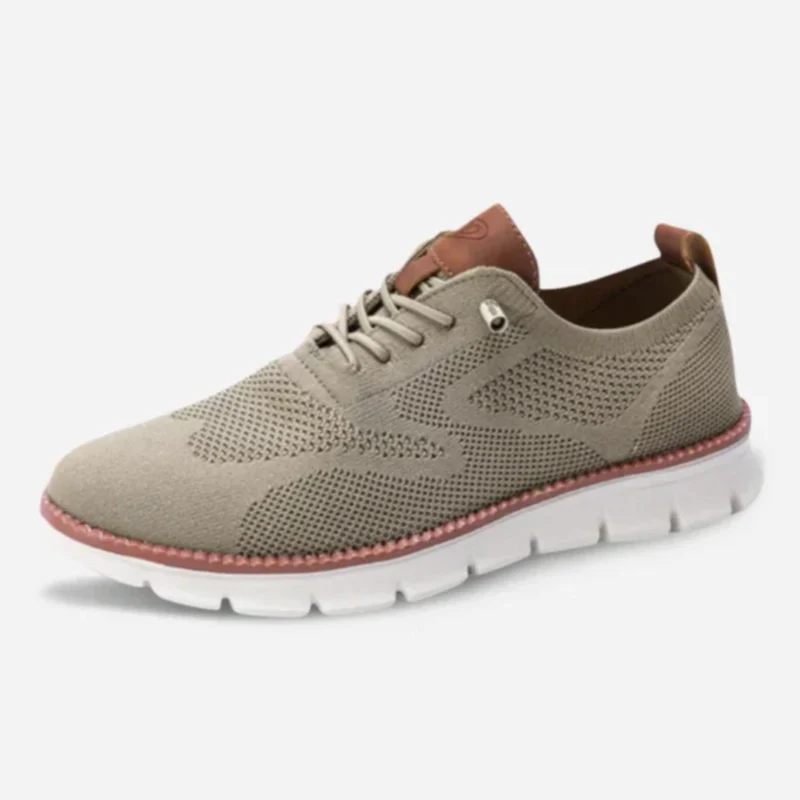
Every step you take matters—whether you’re exploring city streets, powering through your daily routine, or simply refusing to let foot discomfort slow you down. The CloudWalk – Ultra Comfortable Walking Shoes wraps your feet in therapeutic cushioning that turns pavement into clouds, so you can go farther, stay longer, and feel better doing it.
Hospital floors present unique challenges. Polished surfaces become slippery when wet. Spills happen frequently. Sharp objects can fall at any moment. The right footwear must protect against these hazards while maintaining comfort throughout extended shifts.
Weight distribution plays a critical role in foot health. Poor shoe design forces certain pressure points to bear excessive load. This creates pain that radiates from the feet upward through the entire body. Quality nursing shoes distribute weight evenly across the entire foot surface.
Essential Features of Comfortable Nursing Shoes
Arch Support Architecture
The arch support system determines how well a shoe prevents fatigue. Contoured footbeds cradle the natural curve of the foot. This design reduces stress on the plantar fascia ligament that runs along the bottom of the foot.
Three arch types exist: low, neutral, and high. Each requires different support levels. Low arches need motion control to prevent overpronation. High arches require extra cushioning to absorb shock. Neutral arches work well with moderate support structures.
Memory foam footbeds mold to individual foot shapes. This customization improves with each wear. The foam responds to body heat and pressure patterns. After several shifts, the footbed becomes personalized to the wearer’s specific needs.
Cushioning Technology
Modern nursing shoes use multiple cushioning layers. The first layer sits directly under the foot. This provides immediate comfort and moisture wicking. Middle layers absorb impact from heel strikes. Bottom layers offer rebound energy for forward motion.
EVA (ethylene-vinyl acetate) foam dominates the cushioning market. This material combines lightness with shock absorption. Premium models incorporate gel inserts at high-impact zones. These gel pads excel at dissipating force from hard surfaces.
Polyurethane cushioning lasts longer than standard EVA. The material resists compression over time. Shoes with polyurethane midsoles maintain their support characteristics through hundreds of miles of use.
Slip-Resistant Outsoles
Hospital safety standards require specific traction patterns. Oil-resistant rubber compounds grip both dry and wet surfaces. Tread designs feature multiple directional grooves. These channels redirect liquids away from contact points.
The coefficient of friction measures slip resistance. Values above 0.5 indicate good traction. Top nursing shoes achieve ratings between 0.6 and 0.8. This level provides security without creating too much grip that could cause tripping.
Outsole flexibility affects natural foot movement. Rigid soles restrict the rolling motion from heel to toe. Flexible designs allow the foot to bend naturally. This reduces fatigue in the calf muscles and Achilles tendon.
Breathability and Moisture Management
Feet produce approximately half a pint of sweat daily. Trapped moisture creates friction that leads to blisters. It also promotes bacterial growth and odor.
Mesh panels in the upper shoe allow air circulation. Strategic placement over high-heat areas maximizes cooling. Antimicrobial linings prevent odor-causing bacteria from multiplying.
Moisture-wicking fabrics pull sweat away from skin. These technical textiles move liquid to outer surfaces where it evaporates. Dry feet experience less friction and maintain comfortable temperatures throughout long shifts.
Top Comfortable Nursing Shoe Categories
Clogs: Traditional Comfort Champions
Clogs dominated nursing footwear for decades. Their slip-on design allows quick removal during breaks. The open back provides ventilation and eliminates pressure on the Achilles tendon.
Key advantages:
- Easy to clean and disinfect
- Accommodate foot swelling during shifts
- Wide toe boxes prevent cramping
- Available in antimicrobial materials
- Require no lacing or adjustments
Potential drawbacks:
- Less ankle stability than enclosed shoes
- Can slip off during quick movements
- Limited arch support in basic models
- Not suitable for narrow feet
Premium clog models feature rocker bottom soles. This curved design propels the foot forward with less effort. The rocking motion reduces strain on the calf muscles during long periods of standing.
Athletic-Style Nursing Shoes
Athletic designs bring sports performance technology to healthcare settings. These shoes look similar to running or walking sneakers. The enclosed structure offers better ankle support than clogs.
Benefits include:
- Enhanced lateral stability for quick direction changes
- Lace systems for customized fit adjustment
- Advanced cushioning borrowed from running shoe tech
- Lightweight construction reduces leg fatigue
- Better heel counters for motion control
Modern athletic nursing shoes use engineered mesh uppers. This material provides structure where needed while maintaining flexibility. Reinforced areas prevent toe crushing from falling objects.
Slip-On Sneakers
Slip-on sneakers combine athletic shoe benefits with clog convenience. Elastic goring or stretchy knit uppers eliminate laces. The design maintains the enclosed support structure of traditional athletic shoes.
These shoes work well for nurses who need quick footwear changes. The snug fit prevents the shoe from sliding during movement. Memory foam collars cradle the ankle without restricting motion.
Ideal for:
- Nurses with limited break time
- Those who prefer not to tie laces
- Workers who need to change shoes frequently
- People seeking streamlined appearance
Compression Footwear
Compression shoes represent the newest category in nursing footwear. These designs incorporate compression technology in the upper materials. The gentle pressure improves blood circulation in the feet and lower legs.
Benefits extend beyond the feet. Better circulation reduces swelling in ankles and calves. This addresses a common complaint among nurses who stand for extended periods.
The compression effect remains consistent throughout the shift. Unlike compression socks that can bunch or roll, compression shoes maintain even pressure distribution.
Comparison of Leading Nursing Shoe Features
| Feature | Clogs | Athletic Shoes | Slip-On Sneakers | Compression Footwear |
|---|---|---|---|---|
| Ease of On/Off | Excellent | Fair | Very Good | Good |
| Ankle Support | Fair | Excellent | Good | Very Good |
| Arch Support | Good | Excellent | Very Good | Excellent |
| Breathability | Excellent | Very Good | Good | Very Good |
| Professional Appearance | Excellent | Good | Very Good | Very Good |
| Price Range | $60-$140 | $70-$160 | $65-$145 | $90-$180 |
| Average Lifespan | 6-9 months | 8-12 months | 7-10 months | 9-12 months |
Every step you take matters—whether you’re exploring city streets, powering through your daily routine, or simply refusing to let foot discomfort slow you down. The CloudWalk – Ultra Comfortable Walking Shoes wraps your feet in therapeutic cushioning that turns pavement into clouds, so you can go farther, stay longer, and feel better doing it.
Sizing and Fit Considerations
Proper sizing prevents most foot problems. Nurses should measure feet at the end of a work shift. Feet swell during the day and reach maximum size after hours of standing.
The thumb test determines correct length. Press your thumb between the longest toe and shoe end. A thumb’s width of space indicates proper fit. Less space causes toe cramping. More space allows excessive foot movement inside the shoe.
Width matters as much as length. Shoes that are too narrow compress the metatarsal bones. This causes metatarsalgia, a painful inflammation of the ball of the foot. Too wide creates instability and blisters from friction.
Try shoes with the socks you wear during shifts. Sock thickness affects overall fit. Walk around for at least 10 minutes during fitting. Pay attention to any pressure points or rubbing sensations.
Breaking In New Nursing Shoes
Never wear new shoes for a full 12-hour shift. The breaking-in process should span 7 to 10 days. Start with 2 to 3 hours of wear. Gradually increase the duration each day.
Apply moleskin padding to areas prone to blisters. Common spots include heels, outside of big toes, and tops of pinky toes. The padding creates a protective barrier during the adjustment period.
Leather shoes require more breaking-in time than synthetic materials. Leather stretches and molds to foot shape. This process takes longer but results in a highly customized fit.
Some discomfort during the break-in period is normal. Sharp pain indicates a fit problem. Return shoes that cause persistent pain after three wearing sessions.
Maintenance for Extended Shoe Life
Regular cleaning prevents material breakdown. Remove insoles and wash them separately. Use mild soap and lukewarm water for uppers. Air dry completely before wearing again.
Rotation extends lifespan significantly. Alternating between two pairs allows cushioning to decompress fully between wears. Compressed foam takes 24 to 48 hours to regain its original shape.
Replace shoes when:
- Outsoles show smooth, worn areas
- Midsole cushioning feels flat or unresponsive
- Uppers develop cracks or separation from soles
- Heel counters collapse or lose rigidity
- Persistent foot pain develops despite previous comfort
Store shoes in cool, dry locations. Excessive heat degrades adhesives and foam materials. Avoid leaving shoes in hot cars or direct sunlight.
Apply water-repellent spray to prolong material life. This creates a protective barrier against spills and stains. Reapply every 4 to 6 weeks or after cleaning.
Special Considerations for Foot Conditions
Plantar Fasciitis
This condition causes heel pain from inflamed connective tissue. Shoes for plantar fasciitis need rigid arch support and deep heel cups. The heel cup should extend at least 1 inch up the heel bone.
Look for removable insoles. This allows insertion of custom orthotics if needed. The shoe should have enough depth to accommodate both orthotic and foot without crowding.
Bunions
Bunions require extra width in the toe box. The MTP joint (where big toe meets foot) needs room to spread naturally. Avoid shoes with tapered or pointed toe shapes.
Soft, stretchy materials accommodate bunion protrusions better than rigid leather. Some manufacturers offer bunion-specific models with extra space built into the design.
Flat Feet
Flat feet overpronate during the gait cycle. This creates excess stress on ankles and knees. Motion control features limit this excessive inward rolling.
Firm midsoles provide the structure flat feet lack. Dual-density midsoles place firmer material on the inner edge. This design guides the foot into proper alignment.
High Arches
High arches absorb shock poorly. The foot remains rigid during impact. Extra cushioning compensates for this lack of natural shock absorption.
Neutral support works best for high arches. Avoid aggressive arch supports that push into the already-elevated arch. Focus on overall cushioning rather than arch-specific features.
Selecting Your Ideal Nursing Shoes
Start by identifying your arch type. Wet your foot and step on dark paper. The footprint reveals arch height. Low arches show complete foot contact. High arches display only heel, ball, and toe marks.
Consider your work environment specifics. Operating room nurses need completely fluid-resistant materials. Pediatric nurses might prioritize quieter soles. ICU nurses require shoes that clean easily.
Set a realistic budget. Quality nursing shoes cost between $80 and $160. This investment pays dividends in reduced pain and fewer sick days. Cheap shoes cost more long-term through frequent replacement and potential medical issues.
Read reviews from other nurses. Focus on comments about durability and comfort after 8-plus hours. Initial comfort differs from all-day performance.
Purchase from retailers with generous return policies. Some discomfort reveals itself only after extended wear. A 30-day trial period allows proper evaluation.
Remember that comfort is personal. A shoe that works perfectly for a colleague might not suit your feet. Invest time in finding the right match. Your feet, legs, and back will thank you for thousands of shifts to come.
Every step you take matters—whether you’re exploring city streets, powering through your daily routine, or simply refusing to let foot discomfort slow you down. The CloudWalk – Ultra Comfortable Walking Shoes wraps your feet in therapeutic cushioning that turns pavement into clouds, so you can go farther, stay longer, and feel better doing it.