
Blog
What Are the Most Comfortable Shoes for Neuropathy

Understanding Neuropathy and Footwear Needs
Neuropathy damages the peripheral nerves in your feet and legs. This condition causes numbness, tingling, burning sensations, and sharp pain. Over 20 million Americans live with peripheral neuropathy. The condition stems from diabetes, chemotherapy, vitamin deficiencies, or injuries.
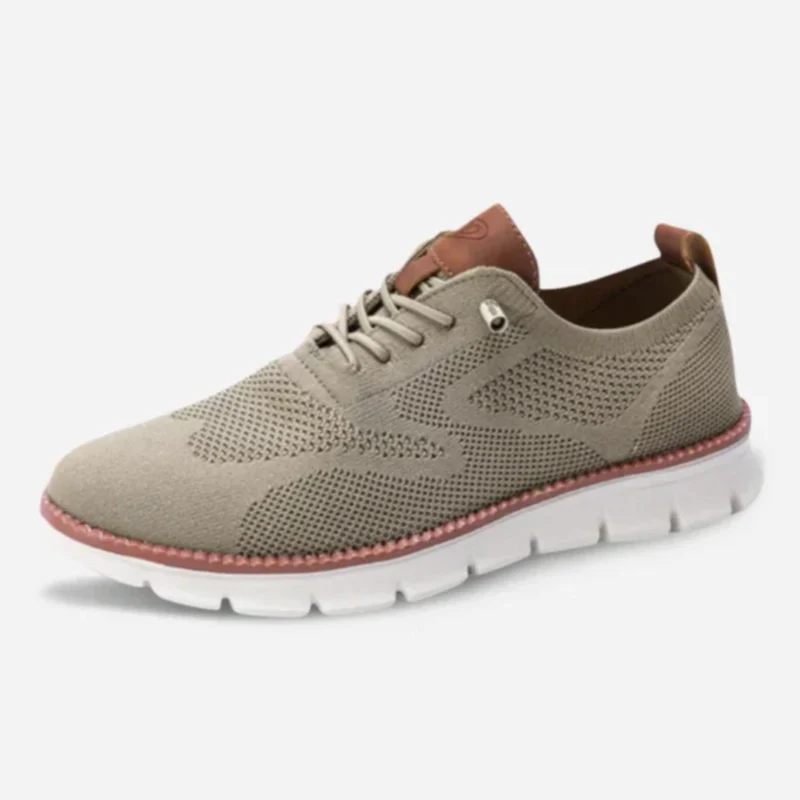
Every step you take matters—whether you’re exploring city streets, powering through your daily routine, or simply refusing to let foot discomfort slow you down. The CloudWalk – Ultra Comfortable Walking Shoes wraps your feet in therapeutic cushioning that turns pavement into clouds, so you can go farther, stay longer, and feel better doing it.
Your feet lose sensation when neuropathy progresses. You cannot feel pressure points, blisters, or cuts. Poor footwear choices lead to ulcers and infections. The right shoes protect your feet and reduce pain signals.
Diabetic neuropathy affects 60-70% of people with diabetes. Proper footwear prevents 85% of diabetes-related amputations. Your shoe choice directly impacts your mobility and independence.
Essential Features in Neuropathy Shoes
Cushioning Systems
Deep cushioning absorbs shock with each step. Memory foam and gel inserts mold to your foot shape. EVA midsoles provide lightweight padding. Polyurethane foam offers denser, longer-lasting support.
Your shoes need cushioning in three zones:
- Heel area for impact absorption
- Midfoot for arch support
- Forefoot for push-off comfort
Wide Toe Box Design
A spacious toe box prevents pressure on sensitive nerves. Your toes should wiggle freely inside the shoe. Narrow shoes compress nerves and reduce blood flow. Look for shoes labeled “wide” or “extra wide.”
The toe box should measure at least 0.5 inches beyond your longest toe. This space accommodates swelling throughout the day.
Seamless Interior Construction
Internal seams create pressure points on numb feet. These friction spots cause blisters you cannot feel forming. Seamless uppers eliminate this risk entirely.
Soft fabric linings prevent rubbing. Padded collars protect your ankles. Smooth insoles reduce shear forces on your skin.
Adjustable Closure Systems
Your feet swell during the day. Adjustable closures accommodate volume changes. Velcro straps work better than laces for people with reduced dexterity. Elastic panels stretch with your foot movements.
Avoid slip-on shoes without adjustments. They shift during walking and cause instability.
Rigid Heel Counter
A firm heel cup stabilizes your foot. This structure prevents excessive motion that strains nerves. The counter should resist when you squeeze it. Soft heel counters provide inadequate support.
Rocker Bottom Soles
Rocker soles reduce pressure on the ball of your foot. The curved design propels you forward with less effort. This feature decreases pain in the metatarsal area by 30-40%.
The rocker should start just behind the ball of your foot. Too much curve makes balance difficult.
Top Shoe Categories for Neuropathy
Athletic Walking Shoes
Walking shoes combine cushioning with stability features. Brands design these shoes for extended wear. The mesh uppers provide breathability. Lightweight construction reduces fatigue.
Key specifications:
- Weight: 10-14 ounces per shoe
- Heel drop: 8-12mm
- Cushioning thickness: 25-35mm
Premium walking shoes include gel pockets in high-pressure zones. The outsoles use durable rubber compounds. Tread patterns provide traction on multiple surfaces.
Diabetic-Specific Footwear
Medicare classifies certain shoes as therapeutic footwear. These shoes meet strict depth and width requirements. They include removable insoles that accommodate custom orthotics.
Diabetic shoes feature:
- Extra depth (at least 0.375 inches)
- Protective toe boxes
- Heat-moldable uppers
- Antimicrobial linings
The Therapeutic Shoe Bill of 1993 established Medicare coverage. Qualified patients receive one pair yearly plus three pairs of inserts.
Orthopedic Dress Shoes
Professional settings require formal footwear. Orthopedic dress shoes blend style with medical features. Hidden cushioning maintains a sleek profile.
Men’s styles include oxfords and loafers with padded footbeds. Women’s options feature low heels (under 1.5 inches) and supportive straps. Leather uppers stretch to accommodate foot shapes.
Recovery Sandals
Open-toe sandals work for warm weather and indoor use. Contoured footbeds support your arches. Adjustable straps secure your feet without compression.
Recovery sandals use soft EVA foam throughout. The material absorbs 30% more impact than standard rubber. Deep heel cups prevent lateral motion.
Material Considerations
Upper Materials
Leather provides durability and breathability. Full-grain leather molds to your foot over time. Synthetic mesh dries quickly and weighs less.
Avoid stiff materials that require break-in periods. Your numb feet cannot signal discomfort during this process. Soft fabrics prevent injury formation.
Insole Technologies
Removable insoles let you insert custom orthotics. Standard insoles should provide arch support and cushioning. Memory foam responds to body heat and pressure.
Gel insoles excel at shock absorption. They maintain properties across temperature ranges. Cork footbeds offer firm support with natural antimicrobial properties.
Outsole Rubber Compounds
Durable outsoles prevent premature wear. Carbon rubber lasts longer but weighs more. Blown rubber provides superior cushioning with less weight.
The coefficient of friction measures slip resistance. Look for ratings above 0.5 for wet surfaces. Multidirectional tread patterns improve stability.
Sizing and Fit Guidelines
Measurement Timing
Measure your feet in the afternoon. Feet swell throughout the day by up to 8%. This timing ensures adequate room for maximum size.
Stand during measurement. Weight-bearing changes your foot dimensions. Measure both feet since size differences are common.
Length Assessment
Your longest toe needs 0.5 inches of space. This thumb’s-width gap prevents jamming. Shoes that are too short compress nerves in the forefoot.
Check length while standing. Press down on the toe box to feel your toe position. Walk around to verify adequate clearance.
Width Evaluation
The widest part of your foot should align with the shoe’s widest point. Side pressure indicates insufficient width. Your foot should not bulge over the midsole.
Width sizes range from narrow (AA) to extra wide (EE). Each width increment adds approximately 0.25 inches.
Volume and Depth
High-volume feet need deeper shoes. The laces or straps should close without gaps. Excessive tightening to achieve closure indicates wrong volume.
Check the top of your foot. Pressure here compresses the dorsal nerves. You need at least 0.25 inches of clearance above your foot.
Shoe Comparison Table
| Feature | Walking Shoes | Diabetic Shoes | Dress Shoes | Recovery Sandals |
|---|---|---|---|---|
| Cushioning | High | Very High | Moderate | High |
| Support | Excellent | Excellent | Good | Moderate |
| Breathability | Excellent | Good | Fair | Excellent |
| Adjustability | Good | Excellent | Fair | Excellent |
| Durability | High | High | Very High | Moderate |
| Price Range | $80-$150 | $100-$200 | $120-$250 | $40-$80 |
| Weight | Light | Moderate | Moderate | Very Light |
| Medicare Coverage | No | Yes | Sometimes | No |
Every step you take matters—whether you’re exploring city streets, powering through your daily routine, or simply refusing to let foot discomfort slow you down. The CloudWalk – Ultra Comfortable Walking Shoes wraps your feet in therapeutic cushioning that turns pavement into clouds, so you can go farther, stay longer, and feel better doing it.
Historical Development of Neuropathy Footwear
Specialized footwear for nerve damage emerged in the 1970s. Early diabetic shoes used simple padding and depth modifications. Research in the 1980s identified pressure reduction as critical.
The Pressure Relief Wallet study in 1987 proved cushioning prevents ulcers. Dr. Paul Brand pioneered rocker sole designs. His work at Carville Hospital established modern standards.
Medicare coverage began in 1993. This policy change expanded access to therapeutic footwear. Manufacturers responded with improved designs and materials.
Modern neuropathy shoes incorporate space-age materials. NASA-developed memory foam entered consumer footwear in the 1990s. Gel cushioning systems followed in the early 2000s.
3D foot scanning technology now enables precise fitting. Custom-molded insoles match individual pressure patterns. These advances reduce complications by 70% compared to standard shoes.
Maintenance and Care
Daily Inspection
Check your shoes before wearing them. Feel inside for foreign objects or rough spots. Numb feet cannot detect these hazards. Shake out your shoes to remove debris.
Inspect the interior monthly. Look for worn areas or exposed seams. Replace shoes showing interior damage immediately.
Cleaning Protocols
Remove insoles before cleaning. Hand wash fabric uppers with mild soap. Air dry completely before wearing. Never use direct heat sources.
Leather shoes need conditioning every two months. This treatment prevents cracking and maintains flexibility. Use products designed for footwear leather.
Replacement Timing
Walking shoes last 300-500 miles. Track your usage to determine replacement dates. Compressed cushioning loses shock absorption. Worn outsoles reduce traction.
Visual signs of replacement need:
- Creased or compressed midsoles
- Worn tread patterns
- Separated upper and sole
- Interior fabric tears
- Deformed heel counters
Replace shoes every six months with daily wear. Alternating between two pairs extends total lifespan.
Selection Process Summary
Follow these steps for optimal shoe selection:
- Get a professional foot measurement from a certified pedorthist
- List your specific symptoms (burning, numbness, pain locations)
- Determine your primary use (daily wear, exercise, work)
- Research Medicare coverage if you have diabetes
- Try shoes in the afternoon when feet are largest
- Walk on hard surfaces during testing
- Check all adjustability features before purchasing
- Verify return policies for fit issues
- Break in gradually with short wearing periods
- Monitor your feet for any pressure marks
Professional Fitting Resources
Certified pedorthists specialize in therapeutic footwear. These professionals assess your gait and pressure points. They recommend specific models and modifications.
Find pedorthists through the Pedorthic Footcare Association. Many podiatry offices offer fitting services. Diabetic education centers provide footwear guidance.
Medicare requires prescriptions from qualified physicians. Your doctor must certify your neuropathy diagnosis. Documentation should include specific footwear needs.
Additional Protective Measures
Shoes work best with proper socks. Choose seamless diabetic socks with moisture-wicking properties. Avoid compression above the ankle unless prescribed.
Inspect your feet daily. Use a mirror to check bottom surfaces. Look for redness, blisters, or cuts. Report any wounds to your doctor immediately.
Custom orthotics enhance shoe effectiveness. These inserts redistribute pressure across your foot. Podiatrists create orthotics from foot molds and pressure maps.
Conclusion
The most comfortable shoes for neuropathy combine multiple protective features. Prioritize cushioning, width, seamless construction, and adjustability. These elements protect your feet and reduce pain.
Your individual needs determine the best shoe type. Walking shoes suit active lifestyles. Diabetic shoes offer maximum protection. Dress shoes maintain professional appearance. Recovery sandals provide casual comfort.
Proper fit matters more than brand names. Professional measurement ensures correct sizing. Regular replacement prevents complications from worn footwear.
Investment in quality neuropathy shoes pays dividends. You gain mobility, comfort, and foot health. These benefits maintain your independence and quality of life.
Every step you take matters—whether you’re exploring city streets, powering through your daily routine, or simply refusing to let foot discomfort slow you down. The CloudWalk – Ultra Comfortable Walking Shoes wraps your feet in therapeutic cushioning that turns pavement into clouds, so you can go farther, stay longer, and feel better doing it.