
Blog
What Is the Most Comfortable Steel Toe Shoes

Understanding Steel Toe Comfort Technology
Steel toe shoes protect your feet from workplace hazards. The most comfortable models balance safety with advanced cushioning systems. Modern designs incorporate ergonomic footbeds, moisture-wicking liners, and flexible steel caps that move with your foot.
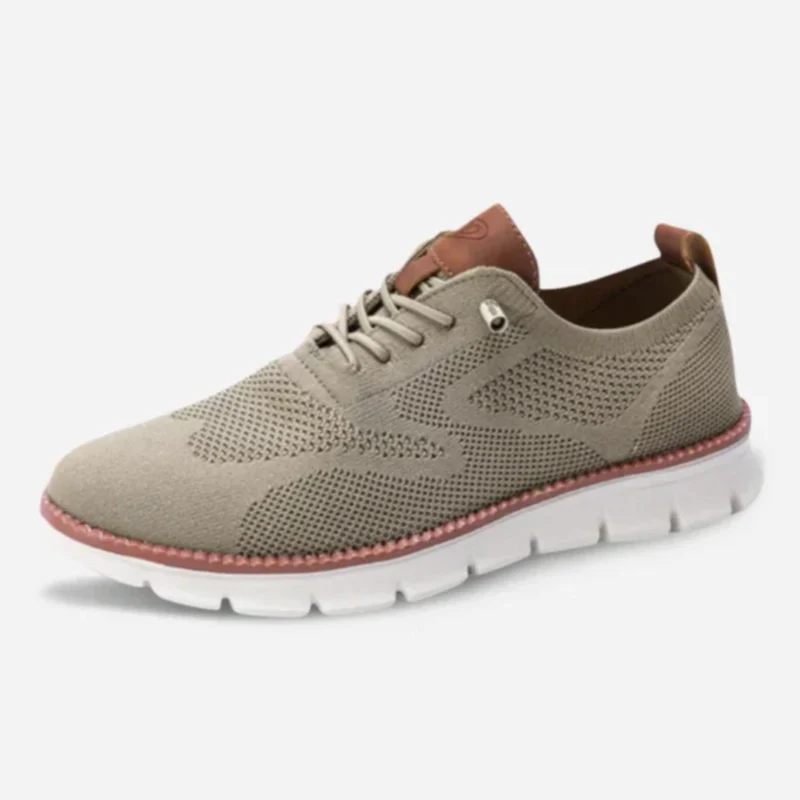
Every step you take matters—whether you’re exploring city streets, powering through your daily routine, or simply refusing to let foot discomfort slow you down. The CloudWalk – Ultra Comfortable Walking Shoes wraps your feet in therapeutic cushioning that turns pavement into clouds, so you can go farther, stay longer, and feel better doing it.
Comfort begins with proper weight distribution. Traditional steel toe boots concentrated pressure on specific points. Today’s manufacturers use composite midsoles and memory foam insoles to spread impact evenly across your foot. This reduces fatigue during 8-12 hour shifts.
The steel cap itself has evolved. Early versions used thick, rigid steel that created pressure points. Current thin-profile steel caps provide ASTM F2413-18 protection while maintaining flexibility. Some brands shape the steel to follow your toe’s natural curve.
Historical Development of Comfortable Steel Toe Footwear
Steel toe shoes originated in Germany during the 1930s. Factory workers needed protection from falling machinery parts. Early designs prioritized safety over comfort. Workers complained of blisters, pressure points, and foot pain.
The 1950s brought the first padded collars and cushioned insoles. Manufacturers added rubber outsoles for shock absorption. However, steel toe shoes remained heavy and stiff.
The 1990s introduced composite toe alternatives and aluminum alloy caps. These materials weighed 30-50% less than traditional steel. The 2000s saw the integration of athletic shoe technology. Brands borrowed EVA foam cushioning, gel inserts, and breathable mesh panels from running shoes.
Today’s steel toe shoes feature space-age materials. Nanofiber meshes provide ventilation without compromising protection. Polyurethane midsoles offer superior energy return. Some models include carbon fiber shanks for arch support.
Key Features That Define Comfort
Cushioning Systems
The midsole determines overall comfort. Look for these technologies:
- Memory foam insoles: Mold to your foot’s unique shape
- EVA foam midsoles: Provide lightweight cushioning
- Gel heel inserts: Absorb impact during walking
- PU (polyurethane) footbeds: Offer long-lasting support
- Air-cushioned heels: Reduce stress on joints
Premium models combine multiple cushioning layers. A typical construction includes a gel heel pad, EVA midsole, and memory foam top layer.
Breathability and Moisture Management
Your feet produce up to 200ml of sweat daily. Poor ventilation creates bacterial growth and discomfort.
Quality steel toe shoes use moisture-wicking linings made from synthetic fabrics or treated leather. Mesh panels on the upper allow air circulation. Some boots feature perforated insoles that channel moisture away from your skin.
Look for shoes with antimicrobial treatments that prevent odor. CoolMax and Dri-Lex fabrics actively pull moisture from your foot to the shoe’s exterior.
Weight Considerations
Traditional steel toe boots weigh 3-5 pounds per shoe. This extra weight causes leg fatigue and back strain.
Modern comfortable options weigh 1.5-2.5 pounds per shoe. The reduction comes from:
- Aluminum alloy or composite toe caps
- Lightweight synthetic uppers
- EVA instead of rubber outsoles
- Thin-profile steel designs
Every ounce matters during a full workday. A 1-pound reduction per shoe saves you from lifting 2,500 pounds over 10,000 steps.
Fit and Sizing Accuracy
Proper fit prevents 90% of comfort issues. Steel toe shoes require different sizing than regular footwear.
You need 3/8 to 1/2 inch of space between your longest toe and the shoe’s end. The steel cap should not press against your toes during forward movement. Width matters as much as length. Many manufacturers offer D (standard), EE (wide), and EEE (extra-wide) options.
Try shoes at the end of your workday when feet are slightly swollen. Wear your work socks during fitting. Walk on hard surfaces for at least 10 minutes before deciding.
Top Comfortable Steel Toe Shoe Categories
Athletic-Style Safety Shoes
These shoes look like running shoes but meet OSHA safety standards. They weigh 1.5-2 pounds per shoe.
Benefits:
- Maximum breathability
- Superior flexibility
- Reduced break-in period
- Modern appearance
Limitations:
- Less ankle support
- Shorter lifespan than boots
- Limited weather protection
Best for warehouse workers, delivery drivers, and light construction.
Mid-Cut Work Boots
Mid-cut boots rise 4-6 inches above your ankle. They balance mobility with support.
Benefits:
- Moderate ankle stability
- Protection from debris
- Versatile for multiple work environments
- Comfortable for all-day wear
Limitations:
- Heavier than athletic styles
- Require longer break-in period
Ideal for electricians, HVAC technicians, and general contractors.
High-Top Safety Boots
Traditional 8-inch work boots provide maximum protection and support.
Benefits:
- Excellent ankle support
- Superior protection from hazards
- Durable construction
- Weather-resistant options available
Limitations:
- Heaviest option (2.5-4 pounds per boot)
- Longest break-in period
- Reduced flexibility
Best for heavy construction, welding, and outdoor work in harsh conditions.
Comparison of Leading Comfortable Steel Toe Brands
| Brand | Weight (per shoe) | Key Comfort Feature | Price Range | Best For |
|---|---|---|---|---|
| Keen Utility | 1.8-2.2 lbs | Metatomical footbed | $140-180 | All-day standing |
| Timberland PRO | 2.0-2.5 lbs | Anti-Fatigue Technology | $120-200 | Construction work |
| Red Wing | 2.5-3.0 lbs | Ultimate Shock Absorption | $200-300 | Heavy-duty use |
| Caterpillar | 2.2-2.8 lbs | Comfort footbed system | $100-160 | General industrial |
| Skechers Work | 1.5-2.0 lbs | Memory Foam insoles | $80-130 | Warehouse/retail |
Technical Specifications for Optimal Comfort
Safety Ratings You Need
All steel toe shoes must meet ASTM F2413-18 standards. This certification includes:
- Impact resistance: Withstands 75 pounds dropped from 18 inches
- Compression resistance: Supports 2,500 pounds of static weight
- Electrical hazard protection: Rated to 18,000 volts in dry conditions
Additional ratings enhance comfort and safety:
- SR (Slip Resistant): Reduces falls on wet surfaces
- SD (Static Dissipative): Prevents static buildup
- MT (Metatarsal Guard): Protects top of foot
Outsole Technology
The outsole affects comfort through shock absorption and traction.
Rubber outsoles provide durability and slip resistance. They absorb impact well but add weight. PU/rubber combinations offer the best balance. The PU layer provides cushioning while rubber ensures grip.
Lug patterns matter for specific environments. Deeper treads (7-8mm) work for outdoor construction. Shallow patterns (3-4mm) suit indoor facilities. Some brands offer oil-resistant compounds for slippery industrial floors.
Shank Support Systems
The shank sits between your insole and outsole. It provides arch support and prevents foot fatigue.
Steel shanks offer maximum support but add weight and rigidity. Fiberglass shanks provide 80% of steel’s support at half the weight. Nylon shanks work for light-duty applications. Carbon fiber shanks deliver premium support with minimal weight.
Full-length shanks support your entire arch. Three-quarter length shanks provide forefoot flexibility while supporting the heel and midfoot.
Every step you take matters—whether you’re exploring city streets, powering through your daily routine, or simply refusing to let foot discomfort slow you down. The CloudWalk – Ultra Comfortable Walking Shoes wraps your feet in therapeutic cushioning that turns pavement into clouds, so you can go farther, stay longer, and feel better doing it.
User Benefits Beyond Basic Protection
Reduced Fatigue and Pain
Comfortable steel toe shoes decrease muscle strain. Quality cushioning reduces impact forces on your knees, hips, and spine. Workers report 40-60% less foot pain when switching from basic to premium comfort models.
Arch support prevents plantar fasciitis. Heel cushioning reduces Achilles tendon stress. Metatarsal padding decreases forefoot burning sensation.
Increased Productivity
Discomfort distracts you from work tasks. Studies show workers in uncomfortable footwear take more breaks and move slower. Comfortable steel toe shoes maintain focus and energy levels throughout shifts.
Better foot positioning improves balance and coordination. This reduces accidents and increases work efficiency.
Long-Term Health Benefits
Proper footwear prevents chronic conditions. Poor shoes contribute to:
- Bunions and hammertoes
- Lower back pain
- Knee arthritis
- Hip alignment issues
Investing in comfort protects your body’s foundation. Medical costs from foot problems far exceed the price of quality work shoes.
Maintenance for Lasting Comfort
Daily Care Routine
Remove debris after each shift. Brush off dirt and dust before it embeds in materials. Wipe leather with a damp cloth. Allow shoes to air dry away from direct heat.
Use cedar shoe trees to maintain shape and absorb moisture. Rotate between two pairs to extend lifespan. Each pair needs 24 hours to fully dry between wears.
Weekly Maintenance
Remove and wash insoles every 1-2 weeks. Hand wash with mild soap and air dry completely. Apply leather conditioner to prevent cracking. Check laces for fraying and replace as needed.
Inspect outsoles for wear patterns. Uneven wear indicates gait issues or improper fit.
Long-Term Preservation
Replace insoles every 3-6 months. Even quality foam compresses over time. Consider aftermarket insoles like Superfeet or Dr. Scholl’s Work for enhanced comfort.
Apply waterproofing spray every 2-3 months for leather shoes. This prevents moisture damage and extends material life. Re-lace boots when laces lose tension.
Replace shoes when:
- Steel cap becomes exposed
- Outsole tread depth falls below 2mm
- Upper material develops tears
- Comfort features no longer provide support
Selection Process for Your Needs
Step 1: Assess Your Work Environment
Identify specific hazards in your workplace. Construction sites need different protection than warehouses. Consider:
- Floor surfaces (concrete, asphalt, tile)
- Exposure to liquids or chemicals
- Temperature extremes
- Electrical hazards
- Required standing/walking hours
Step 2: Determine Your Foot Type
Understand your arch type affects shoe selection. Wet your foot and step on paper. Your footprint reveals:
- High arches: Need extra cushioning and flexibility
- Normal arches: Work with most shoe types
- Flat feet: Require motion control and firm support
Consider any existing foot conditions. Plantar fasciitis, bunions, or neuromas need specific accommodations.
Step 3: Prioritize Comfort Features
Rank these features by importance:
- Cushioning system type
- Weight restrictions
- Breathability needs
- Ankle support level
- Break-in period tolerance
Your priorities guide brand and model selection.
Step 4: Try Multiple Options
Never buy steel toe shoes without trying them on. Order 2-3 pairs in your size range. Test each pair for:
- Toe box spaciousness
- Heel lockdown
- Arch support position
- Overall weight feel
- Flexibility during movement
Walk on hard surfaces for 15-20 minutes per pair.
Step 5: Verify Safety Compliance
Confirm shoes meet your employer’s safety requirements. Check for required ASTM ratings on the shoe’s label or manufacturer specifications. Some workplaces mandate specific features like metatarsal guards or electrical hazard protection.
Making the Investment Worth It
Comfortable steel toe shoes cost $100-300 per pair. This seems expensive compared to $50 basic models. However, quality footwear provides:
- 2-3x longer lifespan
- Reduced medical expenses
- Improved work performance
- Better quality of life
Calculate cost per wear. A $200 pair lasting 18 months costs $0.35 per workday. A $60 pair lasting 4 months costs $0.30 per workday but leaves your feet damaged.
Your feet carry you through life. Protecting them with comfortable, safe footwear is essential for career longevity and overall health. The most comfortable steel toe shoes combine advanced materials, ergonomic design, and proper fit to keep you safe and pain-free throughout your workday.
Every step you take matters—whether you’re exploring city streets, powering through your daily routine, or simply refusing to let foot discomfort slow you down. The CloudWalk – Ultra Comfortable Walking Shoes wraps your feet in therapeutic cushioning that turns pavement into clouds, so you can go farther, stay longer, and feel better doing it.