
Blog
What Is the Most Comfortable Women’s Dress Shoe?

Understanding Comfort in Women’s Dress Shoes
Women spend an average of 8-10 hours daily on their feet. Dress shoes that cause pain reduce productivity and damage foot health. The most comfortable women’s dress shoe combines arch support, cushioning, proper fit, and quality materials.
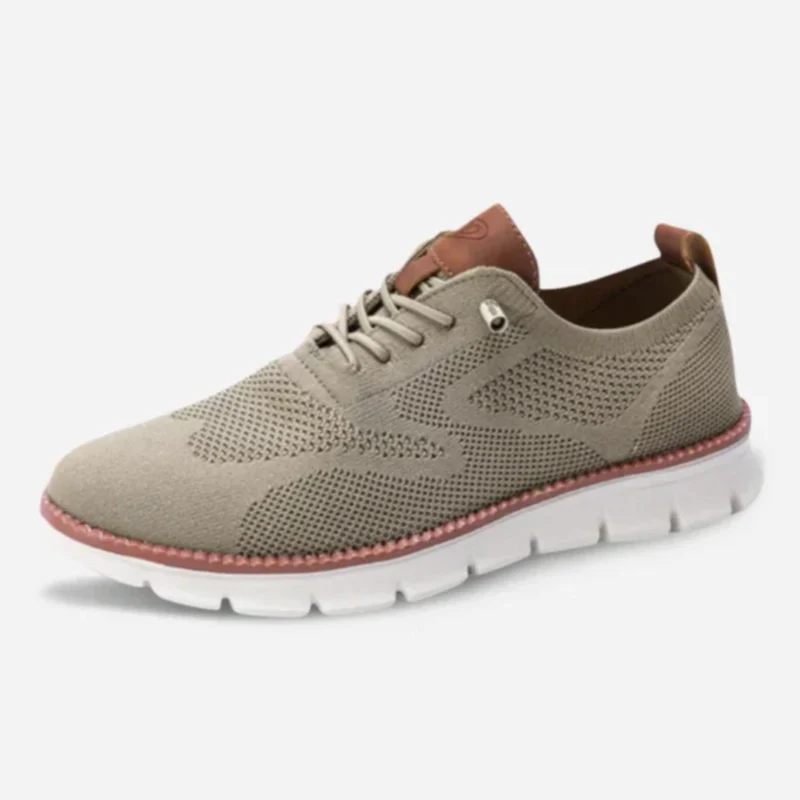
Every step you take matters—whether you’re exploring city streets, powering through your daily routine, or simply refusing to let foot discomfort slow you down. The CloudWalk – Ultra Comfortable Walking Shoes wraps your feet in therapeutic cushioning that turns pavement into clouds, so you can go farther, stay longer, and feel better doing it.
Comfort depends on individual foot shape, but certain features remain universal. A truly comfortable dress shoe distributes weight evenly, prevents pressure points, and allows natural foot movement.
The Evolution of Women’s Dress Shoe Comfort
Women’s dress shoes prioritized style over comfort for centuries. The 1950s introduced stiletto heels that measured 3-4 inches with minimal support. Women endured bunions, hammertoes, and chronic pain.
The 1980s brought athletic shoe technology into casual footwear. Brands began using EVA foam and gel inserts for cushioning. However, dress shoes remained largely unchanged.
The 2000s marked a turning point. Working women demanded shoes that looked professional but felt comfortable. Companies like Clarks and Naturalizer pioneered comfort-focused dress shoes using contoured footbeds and flexible soles.
Today’s market offers dress shoes with features once exclusive to athletic footwear. Memory foam, shock-absorbing midsoles, and ergonomic designs now appear in pumps, flats, and loafers.
Key Technical Features That Define Comfort
Arch Support
The arch supports 50% of body weight during standing. Inadequate support causes plantar fasciitis, flat feet, and knee pain.
Comfortable dress shoes include:
- Contoured footbeds that match natural arch curves
- Medial posting for overpronation control
- Rigid shanks that prevent arch collapse
Arch height varies by individual. High arches need more cushioning. Low arches require motion control features.
Cushioning Systems
Multiple cushioning layers protect feet from impact stress:
- Sockliner: The top layer that contacts the foot directly
- Midsole: The primary shock absorption layer
- Outsole: Provides traction and ground protection
Modern cushioning materials include:
| Material | Benefits | Durability |
|---|---|---|
| Memory Foam | Molds to foot shape, pressure relief | 6-12 months |
| EVA Foam | Lightweight, responsive | 12-18 months |
| Polyurethane | Long-lasting, firm support | 24+ months |
| Gel Inserts | Targeted cushioning, shock absorption | 18-24 months |
Heel Height and Pitch
Heel height directly affects comfort duration. Research shows optimal comfort occurs at:
- 0-1 inches: Maximum stability, minimal strain
- 1-2 inches: Balanced elegance and comfort
- 2-3 inches: Style-focused, requires excellent construction
- 3+ inches: Limited comfort duration regardless of features
Heel pitch (the angle from heel to toe) matters more than height alone. Gradual pitch reduces forefoot pressure.
Toe Box Design
The toe box must allow natural toe splay. Cramped toes develop:
- Bunions
- Neuromas
- Hammertoes
- Ingrown toenails
Comfortable dress shoes provide:
- Width options (narrow, medium, wide, extra wide)
- Round or almond toe shapes rather than pointed styles
- 12mm minimum depth from top to bottom
- 10mm clearance beyond the longest toe
Upper Materials
Leather remains the gold standard for dress shoes. Full-grain leather offers:
- Natural breathability
- Shape adaptation over time
- Durability
- Professional appearance
Suede provides softness but requires more maintenance. Synthetic materials cost less but trap moisture and heat.
Premium dress shoes use leather linings. Fabric or synthetic linings cause friction and blisters.
Flexibility and Bend Points
Shoes must bend where feet bend naturally. The ball of the foot (metatarsal area) serves as the primary flex point.
Test flexibility by holding the heel and toe, then bending. The shoe should flex easily at the ball area but remain stable through the arch.
Stiff shoes force unnatural gait patterns. Overly flexible shoes provide insufficient support.
Top Comfortable Dress Shoe Styles
Block Heel Pumps
Block heels distribute weight across a larger surface area. This design offers:
- Stability during walking and standing
- Reduced pressure on the ball of the foot
- Professional appearance suitable for business settings
- Height without extreme discomfort
Look for block heels 1.5-2.5 inches tall with cushioned insoles.
Ballet Flats with Arch Support
Traditional ballet flats offer zero support. Modern versions include:
- Built-in arch support
- Padded insoles
- Elastic toplines for secure fit
- Rubber outsoles for traction
Quality flats should feel supportive, not like walking barefoot on hard surfaces.
Loafers and Moccasins
Loafers provide slip-on convenience with structure. Features include:
- Leather uppers that conform to foot shape
- Cushioned footbeds
- Low heels (0.5-1 inch)
- Wide toe boxes
Penny loafers, tassel loafers, and driving moccasins work for business casual environments.
Mary Jane Styles
Mary Janes feature ankle straps that improve:
- Heel security
- Gait stability
- Weight distribution
- Adjustability
The strap prevents shoes from slipping, which reduces friction and blisters.
Wedge Shoes
Wedges offer height with full sole contact. Benefits include:
- Maximum stability
- Even pressure distribution
- Arch support throughout the sole
- Reduced ankle strain
Wedges work well for extended wear periods.
Every step you take matters—whether you’re exploring city streets, powering through your daily routine, or simply refusing to let foot discomfort slow you down. The CloudWalk – Ultra Comfortable Walking Shoes wraps your feet in therapeutic cushioning that turns pavement into clouds, so you can go farther, stay longer, and feel better doing it.
How to Select Your Most Comfortable Dress Shoe
Step 1: Measure Your Feet Properly
Foot size changes over time due to:
- Pregnancy
- Weight fluctuations
- Aging
- Medical conditions
Measure both feet at the end of the day when feet are largest. Many women have one foot larger than the other. Buy shoes that fit the larger foot.
Use a Brannock device for accurate measurements. This tool measures:
- Length
- Width
- Arch length
Step 2: Identify Your Arch Type
Perform the wet foot test:
- Wet your foot completely
- Step on dark paper or cardboard
- Examine the footprint
Flat arches show the entire foot. Normal arches show the heel, ball, and a strip connecting them. High arches show heel and ball with little connection.
Match shoes to your arch type for proper support.
Step 3: Consider Your Daily Activities
Your environment affects shoe requirements:
Office work (mostly sitting): Focus on style and moderate support
Retail or service (constant standing): Prioritize maximum cushioning and arch support
Mixed activities (walking between locations): Choose flexible soles and secure fit
Formal events (limited duration): Accept less comfort for style
Step 4: Evaluate Construction Quality
Quality indicators include:
- Stitching: Even, tight stitches with no loose threads
- Sole attachment: Cemented or stitched, not glued
- Heel attachment: Secure with no wobbling
- Interior finish: Smooth linings without rough edges
- Materials: Genuine leather, quality hardware
Cheap construction fails quickly and never becomes comfortable.
Step 5: Test Before Purchase
Physical testing reveals comfort issues:
- Wear the shoes for 10-15 minutes in-store
- Walk on hard surfaces, not just carpet
- Check for pressure points or rubbing
- Ensure heels stay secure without sliding
- Verify toes don’t touch the front
Buy shoes that feel comfortable immediately. Breaking in should refine fit, not create it.
Maintenance for Long-Term Comfort
Regular Cleaning
Clean dress shoes every 2-3 wears:
- Remove dirt with soft brush
- Wipe leather with damp cloth
- Apply leather conditioner monthly
- Use cedar shoe trees to maintain shape
Dirt and debris break down materials faster.
Insole Replacement
Even quality insoles compress over time. Replace them every:
- 6 months for daily wear
- 12 months for occasional wear
Aftermarket insoles from brands like Superfeet or Powerstep often exceed original insoles.
Heel and Sole Repair
Replace worn heels and soles promptly. Worn components cause:
- Uneven weight distribution
- Ankle strain
- Reduced cushioning
- Slip hazards
Cobblers can replace rubber heels and resole leather shoes multiple times.
Rotation Strategy
Alternate between 3-4 pairs of dress shoes. Rotation allows:
- 24-hour drying time between wears
- Shape recovery for cushioning materials
- Extended lifespan for all pairs
Never wear the same shoes two days consecutively.
Common Comfort Problems and Solutions
Heel Slippage
Causes include:
- Wrong size (too large)
- Narrow heels
- Smooth linings
Solutions:
- Heel grips or inserts
- Tongue pads to tighten fit
- Size down if toes have adequate room
Ball of Foot Pain
Excessive pressure on the metatarsal area causes burning pain. Address with:
- Metatarsal pads that redistribute weight
- Lower heel heights
- Wider toe boxes
- Cushioned insoles
Arch Fatigue
Lack of support causes arch collapse and pain. Fix with:
- Orthotic insoles with arch support
- Shoes with built-in arch structure
- Professional podiatrist consultation for custom orthotics
Toe Crowding
Pointed toe boxes compress toes unnaturally. Choose:
- Round or almond toe shapes
- Wide width options
- Shoes with adequate toe box depth
The Investment in Comfort
Quality comfortable dress shoes cost $100-300 per pair. This investment provides:
- 3-5 years of regular wear with proper care
- Pain prevention that saves on medical costs
- Professional appearance that supports career goals
- Daily comfort that improves quality of life
Cheap shoes ($30-50) last 3-6 months and cause foot problems. The cost per wear makes quality shoes more economical.
Final Selection Guidelines
The most comfortable women’s dress shoe balances multiple factors:
- Start with proper fit: Correct size and width form the foundation
- Choose appropriate support: Match arch support to your foot type
- Select suitable heel height: Lower heels provide longer comfort
- Verify quality construction: Good materials and craftsmanship last
- Test thoroughly: Comfort should be immediate, not eventual
Your feet carry you through life. Investing in their comfort pays dividends in health, productivity, and wellbeing. The most comfortable dress shoe for you meets your specific needs while maintaining professional style standards.
Every step you take matters—whether you’re exploring city streets, powering through your daily routine, or simply refusing to let foot discomfort slow you down. The CloudWalk – Ultra Comfortable Walking Shoes wraps your feet in therapeutic cushioning that turns pavement into clouds, so you can go farther, stay longer, and feel better doing it.