
Blog
Are Aldo Shoes Comfortable?

Understanding Aldo’s Comfort Profile
Aldo shoes deliver moderate comfort for casual wear and office environments. The brand positions itself in the mid-range market segment, balancing style with functional wearability. Most Aldo footwear provides adequate cushioning for 4-6 hours of daily use.
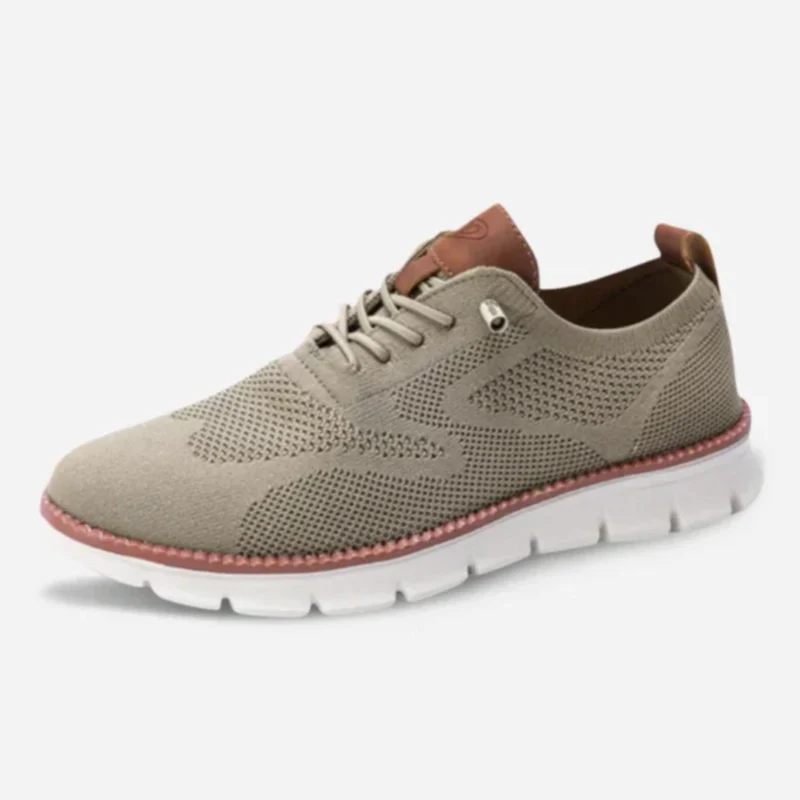
Every step you take matters—whether you’re exploring city streets, powering through your daily routine, or simply refusing to let foot discomfort slow you down. The CloudWalk – Ultra Comfortable Walking Shoes wraps your feet in therapeutic cushioning that turns pavement into clouds, so you can go farther, stay longer, and feel better doing it.
The comfort level varies significantly across product lines. Dress shoes and heels prioritize aesthetics over ergonomic support. Casual sneakers and flats offer better padding and flexibility. Your experience depends on the specific model, foot shape, and intended use duration.
The History Behind Aldo Footwear
Aldo Bensadoun founded the company in Montreal, Canada in 1972. He started with a single store concept focused on affordable fashion footwear. The brand expanded rapidly through the 1980s and 1990s, opening locations across North America and Europe.
By 2000, Aldo operated over 1,000 stores globally. The company built its reputation on trend-responsive designs at accessible price points. Aldo targets fashion-conscious consumers who want contemporary styles without premium brand costs.
The brand acquired additional footwear labels including Call It Spring and Globo in the early 2000s. This expansion allowed Aldo to serve different market segments. The parent company now operates more than 3,000 stores worldwide under various brand names.
Key Comfort Features in Aldo Shoes
Cushioning Technology
Aldo incorporates memory foam insoles in many casual and athletic-inspired models. These insoles compress under body weight and conform to your foot’s contours. The foam rebounds slowly, providing cushioning throughout the wear cycle.
Standard dress shoes typically feature thinner insoles made from synthetic materials or basic foam. These provide minimal shock absorption. The insole thickness ranges from 3mm in formal styles to 8mm in casual sneakers.
Arch Support Specifications
Most Aldo shoes offer neutral arch support. The insoles maintain a relatively flat profile without pronounced arch contours. This design works for people with normal or low arches but may not suit high-arched feet.
Athletic-style Aldo sneakers include slightly elevated arch regions. The support measures approximately 5-8mm in height. This provides basic structural assistance but falls short of orthopedic-grade support.
Material Composition
Aldo uses several material categories:
- Synthetic leather (polyurethane): Common in dress shoes and boots
- Genuine leather: Featured in premium collections
- Canvas and textile blends: Standard for casual sneakers
- Rubber compounds: Used for outsoles across all categories
Synthetic materials require less break-in time than genuine leather. They also cost less to produce. However, synthetic uppers provide less breathability and may cause moisture buildup during extended wear.
Sole Construction
Aldo employs three primary sole types:
- Hard plastic soles: Found in formal dress shoes and heels
- Rubber composite soles: Standard for casual footwear
- EVA foam soles: Used in athletic-inspired sneakers
Hard plastic soles transmit ground impact directly to your feet. Rubber composite soles offer moderate shock absorption. EVA foam provides the best cushioning but wears down faster than rubber.
Comfort Comparison Across Product Categories
| Shoe Type | Comfort Rating | Break-In Period | Recommended Wear Duration |
|---|---|---|---|
| Dress Shoes (Men’s) | 5/10 | 3-5 wears | 4-6 hours |
| Heels (Women’s) | 4/10 | 2-4 wears | 2-4 hours |
| Flats | 6/10 | 1-2 wears | 5-7 hours |
| Casual Sneakers | 7/10 | Minimal | 6-8 hours |
| Boots | 6/10 | 4-6 wears | 5-7 hours |
| Loafers | 6/10 | 2-3 wears | 4-6 hours |
Men’s Dress Shoes
Aldo’s men’s dress shoes prioritize sleek profiles over comfort engineering. The narrow toe boxes can compress toes during extended wear. Heel counters provide adequate stability but may cause initial rubbing.
The leather uppers soften after several wears. Expect some discomfort during the first few uses. Most users report acceptable comfort levels after the break-in period for office environments.
Women’s Heels
High heels inherently challenge foot biomechanics. Aldo’s heel designs follow industry-standard construction methods. The toe box padding remains minimal to maintain slim silhouettes.
Heel heights range from 2 inches to 4.5 inches across collections. Shorter heels (2-3 inches) offer better stability and comfort. Platform heels distribute pressure more evenly than stilettos.
The ankle straps on sandal heels may cause friction points. The padding around straps measures 2-3mm thick. This provides basic protection but may not prevent blisters during first wears.
Casual Sneakers
Aldo’s sneaker lines deliver the best comfort performance. These shoes include:
- Thicker insoles (6-8mm)
- Flexible outsoles
- Padded ankle collars
- Breathable mesh panels
The sneakers work well for walking activities up to 3-4 miles. The cushioning compresses after 6-8 months of regular use. Users report comfort comparable to budget athletic shoe brands.
Flats and Loafers
Women’s flats from Aldo offer decent all-day comfort. The slip-on design eliminates pressure points from laces or straps. Most flats include 4-6mm insoles with basic cushioning.
The elastic panels in some flat designs expand to accommodate foot swelling. This feature improves comfort during long wear periods. The rubber soles provide adequate grip on most surfaces.
Every step you take matters—whether you’re exploring city streets, powering through your daily routine, or simply refusing to let foot discomfort slow you down. The CloudWalk – Ultra Comfortable Walking Shoes wraps your feet in therapeutic cushioning that turns pavement into clouds, so you can go farther, stay longer, and feel better doing it.
Technical Specifications That Impact Comfort
Insole Thickness and Density
Insole thickness directly affects cushioning performance. Aldo’s measurements:
- Dress shoes: 3-4mm (density: 40-50 kg/m³)
- Casual shoes: 5-7mm (density: 35-45 kg/m³)
- Sneakers: 6-8mm (density: 30-40 kg/m³)
Lower density foam compresses more easily, providing softer feel. Higher density materials offer better durability but feel firmer.
Heel Counter Rigidity
The heel counter wraps around your heel to prevent excessive movement. Aldo uses thermoplastic materials rated at 60-70 Shore A hardness. This falls in the medium-firm range.
Softer heel counters (40-50 Shore A) provide more immediate comfort but less support. Firmer counters (80-90 Shore A) offer superior stability but require longer break-in periods.
Toe Box Dimensions
Toe box space determines forefoot comfort. Aldo’s measurements at the widest point:
- Narrow dress shoes: 85-90mm
- Standard casual shoes: 95-105mm
- Wide-fit options: 105-115mm
The toe box height ranges from 20mm in ballet flats to 35mm in sneakers. Limited vertical space can compress toes and cause discomfort.
Outsole Flexibility
Shoe flexibility affects natural foot motion. Aldo dress shoes bend at 45-60 degrees under 5kg force. Casual shoes flex at 70-90 degrees under the same force.
Greater flexibility allows your foot to move naturally through the gait cycle. This reduces muscle fatigue. Overly stiff soles restrict motion and increase discomfort during extended walking.
Maintenance Tips for Maximum Comfort
Breaking In New Shoes
Follow this process for optimal break-in:
- Wear shoes indoors for 30-minute sessions
- Increase duration by 15 minutes each day
- Use thick socks to speed leather stretching
- Apply leather conditioner to stiff areas
- Use shoe stretchers overnight for tight spots
The break-in period typically requires 5-10 wears. Rushing this process increases blister risk.
Insole Replacement
Replace factory insoles with aftermarket comfort insoles after 6 months. Quality replacement options include:
- Gel insoles for shock absorption
- Memory foam insoles for cushioning
- Orthotic insoles for arch support
This modification significantly improves comfort without buying new shoes. Replacement insoles cost $15-$40 per pair.
Leather Care
Genuine leather Aldo shoes require regular conditioning. Apply leather conditioner every 4-6 weeks. This keeps material supple and prevents cracking.
Use cedar shoe trees between wears. The wood absorbs moisture and maintains shape. This extends both comfort and shoe lifespan.
Heel Maintenance
Worn heel tips reduce stability and comfort. Replace rubber heel tips when worn down 3mm or more. Cobbler services charge $10-$20 for heel replacement.
Check heel attachment points monthly. Loose heels create uneven weight distribution and discomfort. Tighten or repair promptly.
Who Should Buy Aldo Shoes
Ideal User Profiles
Aldo shoes work best for:
- Office workers needing business-casual footwear
- Fashion-focused consumers prioritizing style
- Budget-conscious shoppers avoiding luxury prices
- People with neutral foot arches and average width feet
- Occasional wear situations (2-3 times per week)
Who Should Look Elsewhere
Consider other brands if you:
- Need orthopedic-grade support
- Have wide feet or high arches
- Require all-day standing comfort (8+ hours)
- Want shoes for athletic activities
- Have foot conditions requiring specialized footwear
Price-to-Comfort Value Analysis
Aldo shoes range from $50-$200 depending on style and materials. The comfort-per-dollar ratio falls in the average range for fashion footwear brands.
Comparable comfort performance exists in:
- Similar price range: Steve Madden, Nine West, Call It Spring
- Better comfort at higher prices: Clarks, Ecco, Naturalizer
- Similar style at lower prices: Target brands, H&M shoes
The value proposition centers on style access rather than comfort optimization. You pay primarily for design and brand positioning.
Making Your Aldo Shoe Selection
Follow these steps for the best comfort outcome:
Step 1: Identify your primary use case (office wear, casual outings, special events).
Step 2: Choose shoe categories that match your use duration (sneakers for all-day, heels for short events).
Step 3: Visit stores for in-person fitting when possible. Sizes vary between styles.
Step 4: Order a half-size up if between sizes. Aldo shoes often run slightly small.
Step 5: Test shoes on carpet for 15-20 minutes before removing tags. This allows returns if fit feels wrong.
Step 6: Plan for the break-in period. Don’t wear new shoes for critical all-day events.
Step 7: Budget for insole replacements to maximize comfort after purchase.
Final Verdict on Aldo Comfort
Aldo shoes provide acceptable comfort for moderate use. The brand delivers fashion-forward designs at accessible prices. Comfort features exist but remain secondary to aesthetic goals.
Your satisfaction depends on matching shoe type to use duration. Casual sneakers and flats offer the best comfort performance. Dress shoes and heels require realistic expectations about limitations.
The footwear serves fashion-conscious consumers well for rotating wear schedules. Daily all-day use may exceed the comfort capabilities. Consider your specific needs against Aldo’s comfort profile before purchasing.
Every step you take matters—whether you’re exploring city streets, powering through your daily routine, or simply refusing to let foot discomfort slow you down. The CloudWalk – Ultra Comfortable Walking Shoes wraps your feet in therapeutic cushioning that turns pavement into clouds, so you can go farther, stay longer, and feel better doing it.