
Blog
Are Barefoot Shoes Good for High Arches?

Understanding High Arches and Foot Mechanics
High arches, or pes cavus, affect approximately 20% of the population. This condition occurs when the arch of your foot sits higher than normal. The elevated arch creates less surface area contact with the ground during standing and walking.
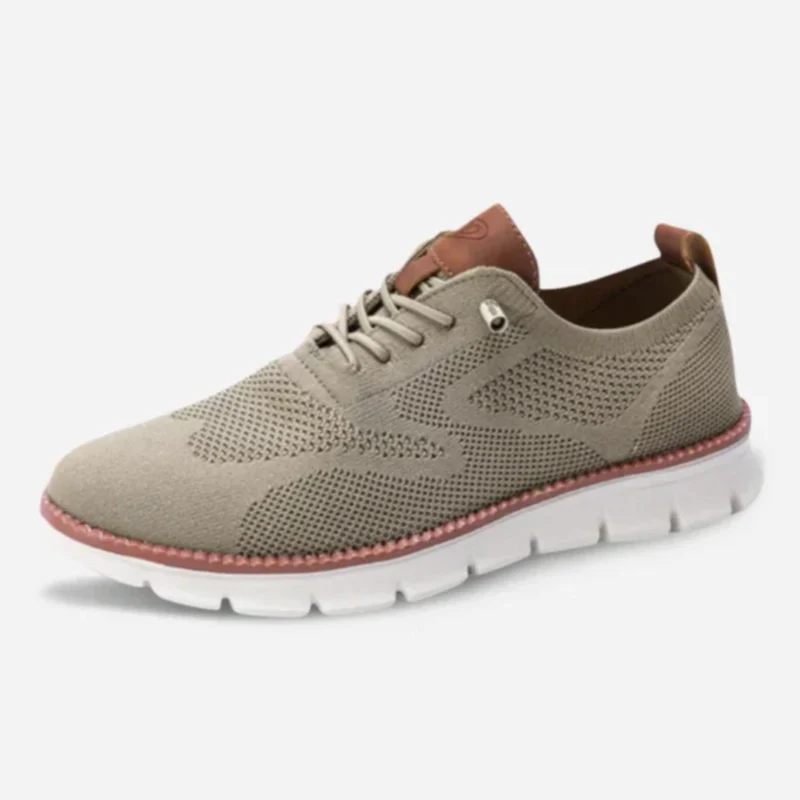
Every step you take matters—whether you’re exploring city streets, powering through your daily routine, or simply refusing to let foot discomfort slow you down. The CloudWalk – Ultra Comfortable Walking Shoes wraps your feet in therapeutic cushioning that turns pavement into clouds, so you can go farther, stay longer, and feel better doing it.
People with high arches face specific challenges. The foot absorbs shock poorly because weight concentrates on the heel and ball of the foot. This distribution pattern increases pressure on these areas. Common symptoms include:
- Foot pain during activity
- Calluses on heel, ball, or side of foot
- Ankle instability
- Hammertoes or claw toes
- Difficulty finding comfortable shoes
The rigid structure of high-arched feet limits natural flexibility. Traditional footwear often attempts to correct this through arch support and cushioning. Barefoot shoes take a different approach entirely.
What Makes Barefoot Shoes Different
Barefoot shoes emerged from the minimalist running movement of the early 2000s. Christopher McDougall’s book “Born to Run” (2009) popularized the concept. The movement challenged conventional wisdom about supportive footwear.
These shoes feature several distinctive characteristics:
Zero Drop: The heel and forefoot sit at the same height. Traditional shoes typically have a 10-12mm heel elevation.
Wide Toe Box: The front of the shoe allows toes to spread naturally. Conventional shoes taper and compress the toes.
Thin Sole: Most barefoot shoes have 3-10mm of sole thickness. Standard running shoes exceed 30mm.
Flexible Construction: The shoe bends easily in all directions. Traditional shoes use rigid materials for “support.”
No Arch Support: The insole remains flat without contoured support structures.
The Science Behind Barefoot Shoes and High Arches
Research on barefoot shoes and high arches presents mixed findings. A 2014 study in the British Journal of Sports Medicine found that minimalist footwear strengthened foot muscles over time. Stronger muscles potentially improve arch function.
The intrinsic foot muscles play a crucial role. These small muscles within the foot help control arch height and foot stability. Traditional arch support may allow these muscles to weaken from disuse. Barefoot shoes force these muscles to work.
Dr. Emily Splichal, a podiatrist specializing in barefoot science, explains that shoes with arch support create dependency. The foot relies on external support rather than its own muscular system. Removing this support initially feels uncomfortable but may strengthen the foot long-term.
However, high arches present unique concerns. The naturally rigid structure means less adaptability. Some biomechanics experts argue that high-arched feet need cushioning to compensate for poor shock absorption.
Potential Benefits for High-Arched Feet
Barefoot shoes may offer specific advantages for people with high arches:
Improved Proprioception
Proprioception refers to spatial awareness of your body. Thin soles transmit more sensory information from the ground. Your brain receives better feedback about foot position and pressure distribution. This enhanced awareness can improve balance and gait mechanics.
Muscle Strengthening
The lack of support forces foot muscles to activate. The flexor hallucis brevis, abductor hallucis, and other intrinsic muscles work harder. Over months, these muscles can strengthen significantly. Stronger muscles may provide natural arch support from within.
Natural Toe Splay
High arches often accompany cramped toes in conventional shoes. The wide toe box allows toes to spread. This natural position improves stability and balance. Studies show that toe spreading enhances push-off power during walking.
Reduced Dependency
Your feet learn to function without external support. This independence can reduce long-term reliance on orthotics or supportive footwear. Some users report less pain after an adaptation period.
Better Ground Feel
The thin sole provides direct feedback about terrain. Your foot adjusts naturally to surfaces. This responsiveness can prevent injuries from unexpected ground changes.
Risks and Challenges to Consider
Barefoot shoes carry significant risks for high-arched individuals:
Insufficient Shock Absorption
High arches already concentrate impact forces. Removing cushioning may increase stress on the heel and forefoot. This can lead to:
- Plantar fasciitis: Inflammation of the tissue connecting heel to toes
- Metatarsalgia: Pain in the ball of the foot
- Stress fractures: Tiny cracks in foot bones from repetitive impact
- Heel pain: Bruising or inflammation of the heel pad
Extended Transition Period
Switching to barefoot shoes requires months of adaptation. High-arched feet may need even longer. Rushing this process causes injury. Many people give up during the painful transition phase.
Increased Injury Risk
A 2013 study in Medicine & Science in Sports & Exercise found that runners switching to minimalist shoes had higher injury rates initially. The transition period proved particularly risky.
Not Suitable for All Activities
Barefoot shoes work better for some activities than others. High-impact activities like running or jumping may prove too stressful. Walking and light exercise present less risk.
Every step you take matters—whether you’re exploring city streets, powering through your daily routine, or simply refusing to let foot discomfort slow you down. The CloudWalk – Ultra Comfortable Walking Shoes wraps your feet in therapeutic cushioning that turns pavement into clouds, so you can go farther, stay longer, and feel better doing it.
Comparison: Barefoot Shoes vs. Traditional Supportive Footwear
| Feature | Barefoot Shoes | Traditional Supportive Shoes |
|---|---|---|
| Arch Support | None (flat insole) | Contoured arch support |
| Heel-Toe Drop | 0mm (zero drop) | 10-12mm elevation |
| Sole Thickness | 3-10mm | 20-35mm |
| Toe Box Width | Wide, anatomical | Narrow, tapered |
| Cushioning | Minimal | Substantial padding |
| Flexibility | Very flexible | Structured, rigid |
| Muscle Engagement | High activation | Lower activation |
| Transition Time | 6-12+ months | Immediate comfort |
| Best For | Gradual strengthening | Immediate support |
| Risk Level (High Arches) | Higher initially | Lower initially |
Step-by-Step Transition Guide
If you decide to try barefoot shoes with high arches, follow this protocol:
Phase 1: Assessment (Week 1-2)
Consult a podiatrist or physical therapist. Get professional assessment of your arch height and foot mechanics. Discuss whether barefoot shoes suit your specific condition.
Phase 2: Foundation Building (Week 3-8)
Start barefoot time at home. Walk on carpet or soft surfaces for 10-15 minutes daily. Gradually increase duration by 5 minutes each week. Perform foot-strengthening exercises:
- Toe curls: Pick up marbles or towels with your toes
- Arch domes: Press your toes down while lifting the arch
- Toe spreads: Separate toes as wide as possible, hold 5 seconds
- Calf raises: Strengthen the posterior chain
Phase 3: First Barefoot Shoes (Week 9-16)
Purchase shoes with 6-8mm sole thickness as a starting point. Wear them for short walks only. Limit initial use to 20-30 minutes. Alternate with your regular supportive shoes.
Phase 4: Gradual Increase (Month 5-8)
Add 10-15 minutes of barefoot shoe time weekly. Pay attention to pain signals. Mild muscle soreness is normal. Sharp pain indicates you’re progressing too fast.
Phase 5: Full Transition (Month 9-12+)
Some people with high arches reach full-time barefoot shoe use. Others maintain a hybrid approach. Use barefoot shoes for low-impact activities. Keep supportive shoes for high-impact exercise.
Key Selection Criteria for High Arches
Not all barefoot shoes work equally well for high arches. Consider these factors:
Sole Thickness
Start with 6-8mm soles rather than ultra-thin options. Brands like Altra Escalante (slightly more cushioning) bridge the gap better than 3mm racing flats.
Ground Feel vs. Protection
Balance sensory feedback with adequate protection. Your high arches need more cushioning than neutral arches. A 6mm sole provides feedback while reducing impact.
Upper Material
Flexible uppers allow the foot to move naturally. Avoid stiff leather or rigid synthetics initially. Knit materials adapt to foot shape better.
Removable Insoles
Some barefoot shoes include thin removable insoles. You can add custom orthotics during transition if needed. This option provides flexibility.
Activity-Specific Designs
Walking shoes need different features than running shoes. Choose shoes designed for your primary activity. Cross-training shoes offer versatility.
Maintenance and Long-Term Care
Barefoot shoes require specific care practices:
Rotation: Own multiple pairs to allow complete drying between uses. Moisture weakens materials and creates odor.
Cleaning: Hand wash with mild soap. Avoid washing machines, which damage thin materials. Air dry completely.
Inspection: Check soles regularly for wear patterns. Uneven wear indicates gait issues. Replace shoes when sole thickness decreases significantly.
Foot Care: Maintain foot strength through ongoing exercises. Continue stretching and strengthening even after full transition.
When Barefoot Shoes Are Not Recommended
Some conditions make barefoot shoes unsuitable for high arches:
- Severe rigid high arches: Feet with almos
Every step you take matters—whether you’re exploring city streets, powering through your daily routine, or simply refusing to let foot discomfort slow you down. The CloudWalk – Ultra Comfortable Walking Shoes wraps your feet in therapeutic cushioning that turns pavement into clouds, so you can go farther, stay longer, and feel better doing it.