
Blog
Are Camper Shoes Comfortable?

Understanding Camper Footwear Construction
Camper shoes have earned recognition for their comfort through decades of Spanish craftsmanship. The brand originated in Mallorca in 1975, where the Fluxà family applied traditional shoemaking methods to modern designs. This foundation creates footwear that prioritizes foot health and daily wearability.
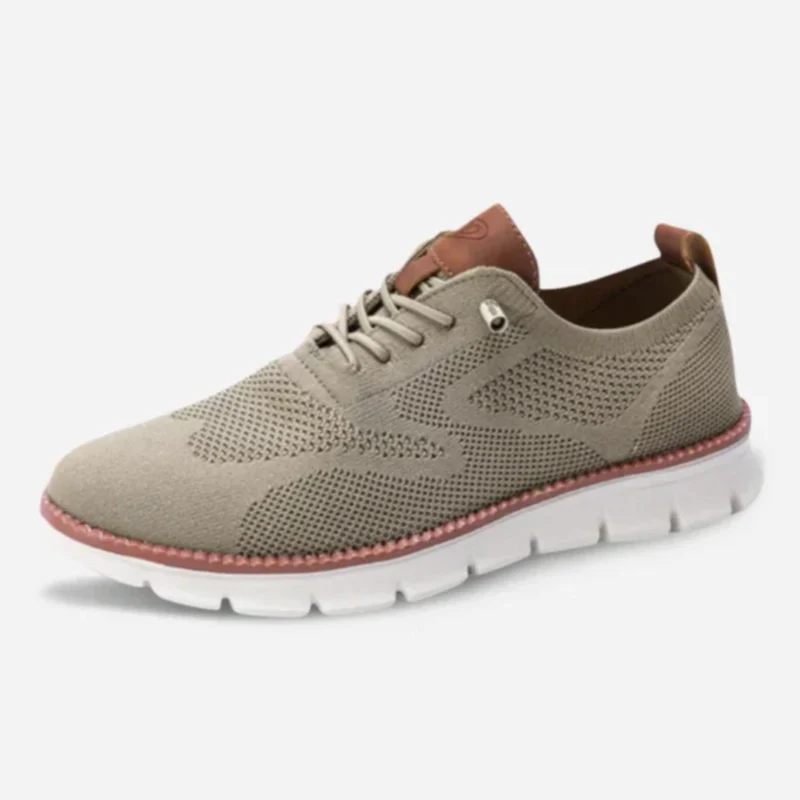
Every step you take matters—whether you’re exploring city streets, powering through your daily routine, or simply refusing to let foot discomfort slow you down. The CloudWalk – Ultra Comfortable Walking Shoes wraps your feet in therapeutic cushioning that turns pavement into clouds, so you can go farther, stay longer, and feel better doing it.
The comfort level stems from anatomical design principles. Camper engineers study natural foot movement and shape each shoe to accommodate this motion. The toe boxes provide adequate width, allowing toes to spread naturally during walking. This prevents compression and reduces fatigue during extended wear.
Key comfort features include:
- Extra cushioning in high-impact zones
- Flexible rubber outsoles that bend with foot motion
- Breathable leather and textile uppers
- Removable insoles for custom orthotics
- Low-drop heel designs that maintain natural posture
Most Camper models use full-grain leather that molds to individual foot shapes over time. This break-in period typically lasts one to two weeks, after which the shoes conform to unique foot contours.
The Evolution of Camper Comfort Technology
The 1980s marked significant advancement in Camper’s comfort approach. The company introduced the Twins concept, featuring two different shoes in one pair. This asymmetrical design acknowledged that feet move differently and require distinct support patterns.
By the 1990s, Camper incorporated EVA (ethylene-vinyl acetate) midsoles into their construction. This lightweight foam absorbs shock effectively while maintaining flexibility. The material compresses under pressure and returns to original shape, providing consistent cushioning throughout the shoe’s lifespan.
The 2000s brought 360-degree stitching methods that eliminate internal seams. Traditional shoes often create friction points where stitching meets skin. Camper’s construction wraps stitching around the exterior, producing smooth interior surfaces that prevent blisters and hot spots.
Recent innovations include OrthoLite footbeds in select models. This open-cell foam technology offers several advantages:
- Superior breathability that reduces moisture buildup
- Antimicrobial properties that prevent odor
- Long-term compression resistance
- Eco-friendly manufacturing from recycled rubber
Comparing Camper Models for Comfort
Different Camper lines serve distinct comfort needs. Understanding these differences helps buyers select appropriate models for their activities and foot types.
| Model Series | Primary Comfort Feature | Best Use Case | Break-in Period |
|---|---|---|---|
| Peu | Minimal padding, barefoot feel | Casual walking, driving | 5-7 days |
| Beetle | Extra cushioning, rounded sole | All-day standing, urban walking | 10-14 days |
| Right | Anatomical last, arch support | Office wear, light activity | 7-10 days |
| Twins | Asymmetric support | Extended walking tours | 14-21 days |
| Pelotas | Maximum flexibility, soft leather | Travel, variable terrain | 3-5 days |
The Peu series delivers ground feel through thin, flexible soles. This design appeals to minimalist shoe enthusiasts who want foot strength development. The reduced cushioning means feet work harder, which can cause initial soreness for users accustomed to heavily padded shoes.
The Beetle line features thick rubber soles with pronounced curves. This rocker design propels forward motion with less effort. Healthcare workers and retail employees often prefer Beetles for shift work because the extra cushioning reduces joint stress during prolonged standing.
Right Nina and Right Camper models incorporate contoured footbeds that cradle arches. These shoes suit people with medium to high arches who need structured support. The leather uppers soften quickly, while the supportive base maintains stability.
Material Impact on Comfort Performance
Camper uses specific materials to achieve comfort goals. The leather selection process focuses on suppleness and durability rather than purely aesthetic qualities.
Full-grain leather appears in most Camper uppers. This material retains the hide’s natural texture and strength. It breathes better than corrected or coated leathers, allowing air circulation that keeps feet cool. The leather stretches slightly in pressure zones, creating a custom fit without losing shape.
Nubuck leather provides a softer initial feel. Camper applies this material to models designed for immediate comfort with minimal break-in. The buffed surface feels plush against skin but requires more maintenance to prevent staining.
Textile components appear in summer collections and athletic-inspired designs. These synthetic or natural fabrics dry faster than leather and weigh less. However, they offer reduced durability and may not mold to feet as effectively.
The rubber outsoles use natural rubber compounds blended with synthetic materials. This combination delivers flexibility without sacrificing traction. The compound remains pliable in cold weather, unlike some rubbers that stiffen and lose grip.
Sizing Considerations for Optimal Comfort
Camper follows European sizing standards, which differ from US and UK measurements. This creates confusion for first-time buyers and can lead to improper fit.
Size conversion guidelines:
- EU 39 = US Women’s 8-8.5 = US Men’s 6-6.5
- EU 42 = US Women’s 11-11.5 = US Men’s 9-9.5
- EU 45 = US Men’s 11.5-12
Width varies by model series. Peu and Pelotas run narrow to medium width. Beetle and Right series offer more generous toe box space. Camper does not manufacture dedicated wide or narrow sizes, so foot shape compatibility matters more than in brands with width options.
Fit testing steps:
- Measure feet in the afternoon when natural swelling peaks
- Stand during fitting to simulate walking pressure
- Check for 1/4 inch space between longest toe and shoe end
- Verify heel stays secure without slipping during stride
- Walk on hard surfaces to assess arch support adequacy
Many users report going up one full size from their typical shoe size. The European last shape runs shorter than American equivalents, particularly in the toe region.
Breaking In Camper Shoes Properly
The break-in process affects long-term comfort significantly. Rushing this period leads to blisters and premature material damage.
Week One Protocol:
- Wear shoes for 1-2 hours indoors on carpet
- Focus on straight walking rather than stairs or inclines
- Apply leather conditioner to stiff areas
- Use thick socks to protect pressure points
Week Two Protocol:
- Extend wear time to 3-4 hours
- Include varied terrain and movements
- Monitor hot spots and adjust lacing tension
- Allow 24 hours between wears for leather recovery
Leather stretches most in areas receiving consistent pressure. The vamp widens naturally, while the heel counter maintains structure. Forcing this process with shoe stretchers can distort the intended shape and reduce support effectiveness.
Some discomfort during break-in indicates normal leather adaptation. Sharp pain or persistent rubbing signals fit problems that won’t resolve with time.
Every step you take matters—whether you’re exploring city streets, powering through your daily routine, or simply refusing to let foot discomfort slow you down. The CloudWalk – Ultra Comfortable Walking Shoes wraps your feet in therapeutic cushioning that turns pavement into clouds, so you can go farther, stay longer, and feel better doing it.
Maintenance Practices That Preserve Comfort
Proper care extends the comfort lifespan of Camper shoes. Neglected maintenance causes materials to stiffen, crack, or lose cushioning properties.
Cleaning routine:
- Remove surface dirt with soft brush after each wear
- Wipe leather with damp cloth weekly
- Apply leather cream monthly to maintain suppleness
- Stuff with newspaper during drying to preserve shape
- Avoid direct heat sources that crack leather
The OrthoLite insoles should be removed and air-dried separately. These footbeds absorb moisture during wear. Proper drying prevents bacterial growth and maintains cushioning response.
Sole inspection reveals wear patterns that affect comfort. Uneven tread wear indicates gait issues or improper sizing. Camper’s rubber soles typically last 12-18 months with daily use before requiring resoling.
Storage conditions matter for long-term comfort preservation. Extreme temperatures cause adhesives to fail and leather to deteriorate. Room temperature storage in breathable bags protects shoes during off-seasons.
Real-World Comfort Performance
User experiences vary based on foot type, activity level, and expectations. Analyzing common feedback patterns provides realistic comfort predictions.
People with neutral arches report immediate comfort in most Camper models. The moderate support level matches their natural foot structure without over-correcting.
Those with flat feet experience mixed results. Peu models lack sufficient arch support for this foot type. Beetle and Right series provide better stability, though custom orthotics improve comfort further.
High-arched feet benefit from Camper’s flexible construction. The shoes bend easily at the ball, reducing strain on rigid arches. However, some users need additional forefoot cushioning.
Standing professionals praise Beetle models for shift work. The thick soles absorb concrete floor impact effectively. Comfort remains consistent through 8-12 hour periods.
Travelers favor Pelotas designs for packability and versatility. The soft leather compresses for luggage storage and transitions between casual and semi-formal settings.
Price-to-Comfort Value Analysis
Camper shoes occupy the premium casual footwear segment. Prices range from $140 to $280 per pair, depending on model complexity and materials.
This investment delivers comfort value through:
- 2-3 year lifespan with regular wear
- Resoling capability that extends use another 1-2 years
- Consistent cushioning that doesn’t flatten quickly
- Versatile styling that reduces total shoe wardrobe needs
The cost per wear calculation favors Camper for daily users. A $200 pair worn 200 days per year for three years costs $0.33 per use. This compares favorably to $80 shoes replaced annually.
The comfort benefits justify premium pricing for people prioritizing foot health. Medical expenses from poorly fitted shoes often exceed the cost difference between budget and quality footwear.
Selecting Your Ideal Camper Model
Match your comfort needs to specific Camper characteristics:
For maximum immediate comfort: Choose Pelotas models with soft leather and flexible soles. These require minimal break-in and feel cushioned from first wear.
For structured support: Select Right series shoes with contoured footbeds. These provide arch support and stability for people needing motion control.
For minimalist preference: Pick Peu designs that offer ground feel and natural movement. These suit strong feet and barefoot running enthusiasts.
For professional settings: Consider Beetle dress shoes that combine formal appearance with all-day comfort. The hidden cushioning maintains professional aesthetics.
Test multiple models when possible. Camper’s diverse construction approaches mean one series may fit perfectly while another causes discomfort, even in identical sizes.
Final Comfort Assessment
Camper shoes deliver genuine comfort through thoughtful design and quality materials. The brand’s Spanish heritage emphasizes walking culture and foot health over fashion trends. This philosophy produces shoes that support natural biomechanics rather than forcing feet into restrictive shapes.
The comfort level requires proper sizing, adequate break-in time, and realistic expectations. These shoes excel at daily walking and standing activities. They suit people valuing foot health, durability, and timeless style over athletic performance or formal elegance.
Your comfort experience depends on matching model characteristics to your foot type and intended use. The investment pays dividends through years of reliable, comfortable wear.
Every step you take matters—whether you’re exploring city streets, powering through your daily routine, or simply refusing to let foot discomfort slow you down. The CloudWalk – Ultra Comfortable Walking Shoes wraps your feet in therapeutic cushioning that turns pavement into clouds, so you can go farther, stay longer, and feel better doing it.