
Blog
Are Donald Pliner Shoes Comfortable?

Understanding Donald Pliner’s Comfort Philosophy
Donald Pliner shoes blend fashion with function. The brand prioritizes cushioned insoles, flexible construction, and premium materials to deliver comfort alongside style.
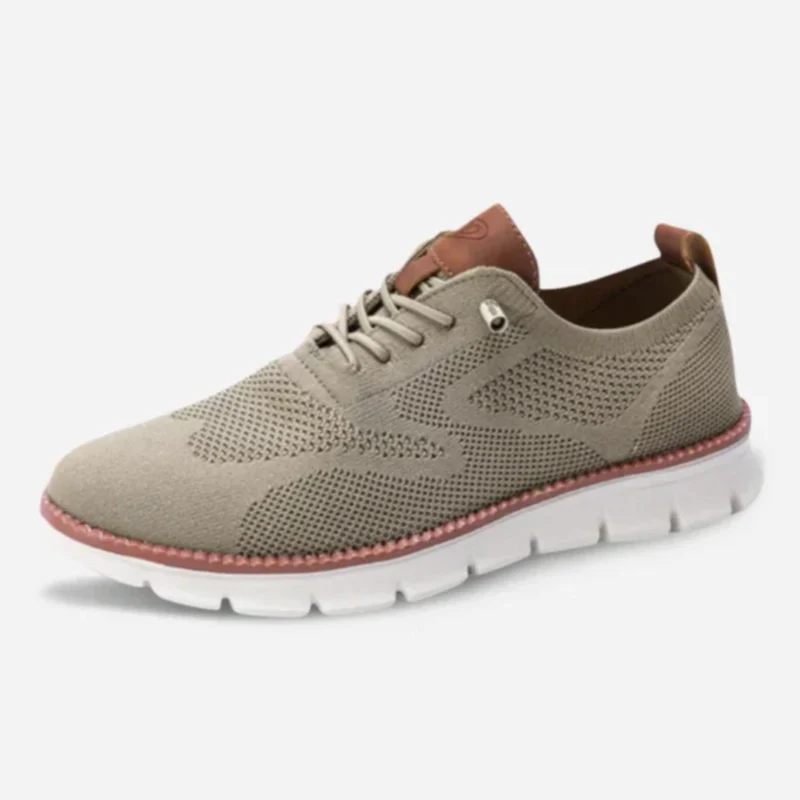
Every step you take matters—whether you’re exploring city streets, powering through your daily routine, or simply refusing to let foot discomfort slow you down. The CloudWalk – Ultra Comfortable Walking Shoes wraps your feet in therapeutic cushioning that turns pavement into clouds, so you can go farther, stay longer, and feel better doing it.
Founded in 1989, Donald Pliner built his reputation on creating footwear that doesn’t sacrifice comfort for aesthetics. The brand uses stretch materials, padded footbeds, and anatomical support in most designs. Many customers report that these shoes feel comfortable right out of the box.
The comfort level varies by style. Dress shoes typically offer moderate cushioning, while casual loafers and sandals provide more flexibility. The brand’s signature Couture Sport technology adds extra padding in high-pressure zones.
Key Comfort Features in Donald Pliner Shoes
Cushioned Footbeds
Donald Pliner integrates memory foam insoles in many styles. These insoles mold to your foot shape over time. The padding sits beneath the ball of the foot and heel, where you need it most.
The footbeds measure between 4mm and 8mm thick, depending on the style. Thicker footbeds appear in casual shoes, while dress shoes use thinner profiles to maintain sleek silhouettes.
Stretch Materials
The brand uses stretch leather and elastic panels in strategic locations. These materials accommodate foot swelling throughout the day. Stretch panels typically sit at the instep or along the sides.
Common stretch materials include:
- Napa leather with elastane blends
- Stretch suede panels
- Elastic gore inserts
- Flexible microfiber linings
Flexible Soles
Donald Pliner outsoles use rubber or synthetic compounds that bend with your foot. The flexibility prevents stiffness during walking. Most soles feature a flex groove at the ball of the foot.
Heel heights range from flat to 3 inches. Lower heels distribute weight more evenly, reducing foot fatigue.
Comfort Comparison: Donald Pliner vs. Other Premium Brands
| Feature | Donald Pliner | Cole Haan | Johnston & Murphy | Ecco |
|---|---|---|---|---|
| Average Cushioning Thickness | 6mm | 8mm | 5mm | 10mm |
| Stretch Material Integration | High | Medium | Low | Medium |
| Break-in Period | 1-3 days | 3-5 days | 5-7 days | Minimal |
| Arch Support | Moderate | Moderate | High | High |
| Price Range | $200-$400 | $150-$300 | $150-$350 | $180-$300 |
Donald Pliner shoes offer more stretch technology than competitors. However, brands like Ecco provide thicker cushioning for all-day wear.
The History of Donald Pliner’s Comfort Innovation
Donald Pliner launched his brand in Spain before moving production to Italy. He focused on hand-finished details and comfort engineering from the start.
In the 1990s, Pliner introduced elastic side panels in dress shoes. This innovation allowed formal footwear to flex like casual shoes. The design won industry recognition and became a brand signature.
By 2000, the company added Couture Sport technology. This system combines lightweight construction with enhanced padding. The technology appears in loafers, oxfords, and boots.
The brand expanded its comfort features in 2010 with contoured footbeds. These footbeds cup the heel and support the arch. They reduce slippage inside the shoe.
Today, Donald Pliner maintains production in Italy and Spain. The brand continues to refine cushioning systems and stretch materials.
Technical Specifications for Comfort
Insole Construction
Donald Pliner insoles use multiple layers:
- Top layer: Leather or microfiber that wicks moisture
- Middle layer: Memory foam or latex padding (4-8mm)
- Bottom layer: Cork or EVA for structure
The multi-layer design provides immediate cushioning while maintaining support. Cork layers add durability and mold to your foot over time.
Heel Design
The brand uses stacked leather heels or rubber block heels depending on the style. Stacked leather appears in dress shoes, while rubber appears in casual styles.
Heel counters (the rigid back part) use thermoplastic stiffeners. These stiffeners hold your heel in place without creating pressure points. The stiffeners measure 2-3mm thick.
Width Options
Donald Pliner offers medium width as standard. Some styles come in wide widths, but availability is limited. The stretch materials compensate for width variations in many cases.
Standard toe box measurements:
- Dress shoes: 90-95mm wide
- Casual shoes: 95-100mm wide
- Sandals: 100-105mm wide
User Benefits for Different Foot Types
High Arches
People with high arches benefit from Donald Pliner’s cushioned footbeds. The padding fills the gap under the arch. However, the arch support is moderate, not aggressive.
You may need to add orthotic inserts for extra arch support. The removable insoles make this modification easy.
Flat Feet
Donald Pliner shoes provide minimal arch support for flat feet. The flexible soles allow natural foot motion. This design works well if you don’t need structured support.
For better flat foot support, choose styles with contoured footbeds. Look for product descriptions that mention anatomical shaping.
Wide Feet
The stretch panels accommodate wider feet without ordering up a size. Loafers with elastic gores work particularly well. Avoid styles with rigid leather uppers.
Best styles for wide feet:
- Slip-on loafers with side elastic
- Sandals with adjustable straps
- Stretch suede boots
- Casual sneakers with flexible uppers
Narrow Feet
Narrow feet may experience heel slippage in standard widths. The elastic panels can actually worsen this issue by stretching too much.
Choose lace-up styles that allow tightening. Oxford and derby designs offer the most adjustability.
Every step you take matters—whether you’re exploring city streets, powering through your daily routine, or simply refusing to let foot discomfort slow you down. The CloudWalk – Ultra Comfortable Walking Shoes wraps your feet in therapeutic cushioning that turns pavement into clouds, so you can go farther, stay longer, and feel better doing it.
Breaking In Donald Pliner Shoes
Expected Break-In Timeline
Most Donald Pliner shoes require 1-3 days of break-in time. The stretch materials adapt quickly to your foot shape. Stiffer leather styles may need up to 5 days.
Day 1: Wear shoes for 2-3 hours at home. Walk on carpet to assess fit.
Day 2: Wear shoes for 4-5 hours. Include some walking on hard surfaces.
Day 3: Wear shoes for a full day if no discomfort appeared on Day 2.
Accelerating the Break-In Process
Use these methods to speed up breaking in:
- Apply leather conditioner to stiff areas before wearing
- Wear thick socks with shoes at home for 1-2 hours
- Use a shoe stretcher on tight areas overnight
- Flex the soles manually before first wear
Avoid using heat to stretch the shoes. Heat can damage the adhesives and leather finishes.
Maintenance for Long-Term Comfort
Cleaning Recommendations
Clean leather Donald Pliner shoes every 2-3 weeks with a soft cloth and leather cleaner. Suede styles need brushing with a suede brush after each wear.
For stretch materials, use a damp cloth with mild soap. Avoid soaking the elastic panels, as this can weaken them.
Conditioning Schedule
Apply leather conditioner every 3-4 months. This keeps the material supple and prevents cracking. Focus on flex points where creases form.
Stretch leather needs conditioning more frequently—every 2 months. The elastane fibers can dry out faster than regular leather.
Sole Protection
Add rubber sole protectors to leather-soled dress shoes. This extends sole life and improves traction. Cobblers can attach these for $15-30.
Rotate your Donald Pliner shoes every other day. This allows the materials to dry and recover their shape.
Selecting the Right Donald Pliner Shoe for Maximum Comfort
Step 1: Identify Your Primary Use
Determine where you’ll wear the shoes most often:
- Office wear: Choose loafers or oxfords with moderate heels
- Casual outings: Select slip-ons or sneakers with flexible soles
- Special events: Opt for dress shoes with extra padding
- Travel: Pick styles with elastic panels and cushioned footbeds
Step 2: Assess Your Comfort Priorities
Rank these comfort factors by importance:
- Cushioning thickness
- Arch support level
- Heel height
- Flexibility
- Breathability
Match your top three priorities to shoe specifications. Product descriptions mention key comfort features.
Step 3: Consider Foot Characteristics
Measure your feet in the afternoon when they’re slightly swollen. Note any bunions, hammertoes, or pressure points.
For problematic areas, choose shoes with stretch panels in those locations. Avoid shoes with decorative hardware or seams that might rub.
Step 4: Read Customer Reviews
Check reviews on multiple retail sites. Look for comments from people with similar foot types. Pay attention to reviews that mention:
- Sizing accuracy
- Break-in experience
- All-day wearability
- Durability after 3-6 months
Step 5: Test the Fit
Order from retailers with free returns. Wear the shoes indoors for 1-2 hours before committing.
Check these fit elements:
- Heel should stay in place when walking
- Toes should have 1/2 inch of space at the front
- Widest part of shoe should match widest part of foot
- No pinching at the instep or sides
Common Comfort Issues and Solutions
Issue: Heel Slippage
Solution: Add heel grips or use tongue pads to take up space. If slippage continues, the shoes may be too large.
Issue: Ball of Foot Pain
Solution: Insert metatarsal pads under the ball of the foot. These redistribute pressure across a wider area.
Issue: Arch Fatigue
Solution: Replace the standard insole with an orthotic insert. Choose inserts designed for dress shoes to maintain the fit.
Issue: Rubbing at Ankle
Solution: Apply moleskin padding to the shoe’s heel counter. Wear the shoes with thin dress socks initially to reduce friction.
Are Donald Pliner Shoes Worth the Comfort Investment?
Donald Pliner shoes deliver above-average comfort for premium footwear. The stretch materials and cushioned footbeds work well for most foot types.
The shoes excel in situations requiring both style and moderate comfort. They perform well for office environments, dinner events, and travel days involving mixed activity.
However, people needing maximum cushioning or strong arch support should consider other brands. Donald Pliner prioritizes balanced comfort rather than specialized orthopedic features.
The break-in period is shorter than many competitors. This makes the shoes practical for immediate wear. The price point reflects quality materials and Italian construction.
For buyers valuing versatile comfort in stylish designs, Donald Pliner shoes represent a solid choice. The combination of stretch technology and padded footbeds addresses common comfort complaints without sacrificing aesthetics.
Every step you take matters—whether you’re exploring city streets, powering through your daily routine, or simply refusing to let foot discomfort slow you down. The CloudWalk – Ultra Comfortable Walking Shoes wraps your feet in therapeutic cushioning that turns pavement into clouds, so you can go farther, stay longer, and feel better doing it.