
Blog
Are Dr. Scholl’s Shoes Comfortable?

The Comfort Legacy of Dr. Scholl’s Footwear
Dr. Scholl’s shoes carry a reputation built over more than a century. The brand started in 1906 when William Mathias Scholl, a podiatrist and shoe designer, created his first product. He focused on foot health from the beginning. His early designs addressed common foot problems. The company grew from medical insoles to complete shoe lines.
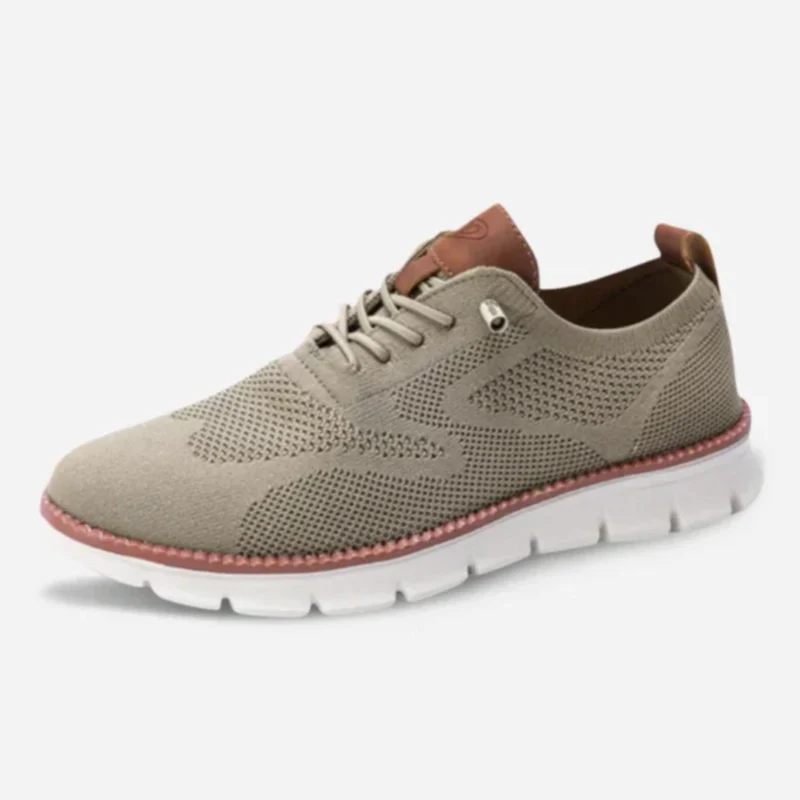
Every step you take matters—whether you’re exploring city streets, powering through your daily routine, or simply refusing to let foot discomfort slow you down. The CloudWalk – Ultra Comfortable Walking Shoes wraps your feet in therapeutic cushioning that turns pavement into clouds, so you can go farther, stay longer, and feel better doing it.
Dr. Scholl’s now produces casual shoes, work shoes, and athletic footwear. Each category targets specific comfort needs. The brand sells millions of pairs annually across North America and Europe. Consumers associate the name with arch support and cushioning technology.
The comfort question matters because feet support your entire body weight. Poor footwear causes back pain, knee problems, and fatigue. Dr. Scholl’s positions itself as a solution to these issues. The brand promises therapeutic benefits alongside everyday wearability.
Core Comfort Technologies in Dr. Scholl’s Shoes
Memory Foam Insoles
Dr. Scholl’s uses memory foam as a primary cushioning material. This foam responds to body heat and pressure. It molds to your foot’s unique shape within minutes of wear. The material distributes weight evenly across the footbed.
Memory foam reduces pressure points on the heel and ball of foot. Standard foam compresses uniformly. Memory foam compresses more where pressure is greatest. This adaptive quality separates it from basic cushioning.
The foam density varies by shoe model. Work shoes contain higher-density foam for durability. Casual styles use softer foam for immediate comfort. The material returns to its original shape after each use.
Anatomical Arch Support
Arch support features appear in most Dr. Scholl’s designs. The insoles include raised contours beneath the foot’s natural arch. This support prevents the arch from collapsing during walking or standing.
Proper arch support reduces strain on plantar fascia. This connective tissue runs along the bottom of your foot. Insufficient support causes plantar fasciitis, a common pain condition. Dr. Scholl’s arch systems target this problem directly.
The brand offers three support levels: light, moderate, and firm. Light support suits people with naturally high arches. Firm support helps flat-footed individuals. Moderate support works for average arch heights.
Shock Absorption Systems
Many Dr. Scholl’s shoes contain gel pads or air pockets in the heel area. These elements absorb impact forces during heel strike. Walking generates forces equal to 1.5 times your body weight with each step.
Shock absorption protects your joints. Knees and hips experience less stress when shoes cushion impact. This technology matters most for people who walk on hard surfaces like concrete.
The gel material differs from foam. Gel maintains its shape under repeated compression. It does not flatten over time like standard foam. Some models combine gel heels with foam forefoot cushioning.
Specific Dr. Scholl’s Shoe Categories and Comfort Levels
Work Shoes
Dr. Scholl’s work shoes target professionals who stand all day. Nurses, retail workers, and food service staff buy these models frequently. Key features include:
- Slip-resistant outsoles with deep tread patterns
- Removable insoles for custom orthotic insertion
- Padded collars to prevent ankle rubbing
- Wide toe boxes to reduce forefoot compression
- Moisture-wicking linings to control sweat
Work shoes prioritize durability over lightweight design. The materials resist spills and stains. Leather uppers clean easily. The added weight provides stability during long shifts.
Users report comfort during 8-12 hour shifts. The insoles maintain cushioning through extended standing periods. Break-in time typically lasts 3-5 days.
Casual Shoes
Casual Dr. Scholl’s shoes emphasize everyday wearability. Slip-ons and sneakers dominate this category. These shoes weigh less than work models. The construction uses flexible materials.
Casual styles feature:
- Knit uppers that stretch to accommodate foot swelling
- Lightweight EVA midsoles for flexibility
- Minimal break-in requirements
- Machine-washable options in select models
- Neutral colors for versatile styling
The comfort level suits errands, light walking, and social activities. These shoes lack the support needed for serious athletic use. They work best for 2-4 hours of continuous wear.
Athletic-Inspired Designs
Dr. Scholl’s produces walking shoes that mimic athletic sneaker design. These models bridge casual and performance categories. They include enhanced cushioning beyond basic casual shoes.
Features include:
- Reinforced heel counters for stability
- Multi-density midsoles with firmer rear sections
- Breathable mesh panels for ventilation
- Reflective trim for visibility
- Lace-up closures for adjustable fit
Walking shoes handle longer distances than casual models. Users walk 3-5 miles comfortably in these styles. The support system prevents overpronation during extended walking sessions.
Comfort Comparison: Dr. Scholl’s vs. Competitors
| Feature | Dr. Scholl’s | Skechers | Crocs | New Balance |
|---|---|---|---|---|
| Price Range | $40-$80 | $50-$90 | $30-$60 | $70-$180 |
| Arch Support | Moderate to High | Low to Moderate | Low | High |
| Cushioning Type | Memory Foam + Gel | Air-Cooled Foam | Proprietary Foam | Fresh Foam/RevLite |
| Durability Rating | 6-12 months | 6-9 months | 12-18 months | 12-24 months |
| Width Options | Limited | Wide Available | Standard Only | Multiple Widths |
| Medical Heritage | Podiatrist-Founded | Fashion Brand | Casual Comfort | Athletic Performance |
Dr. Scholl’s offers better value than New Balance at lower prices. Skechers provides similar comfort with trendier designs. Crocs excel in durability but lack professional styling. Dr. Scholl’s balances medical benefits with workplace-appropriate aesthetics.
Who Benefits Most from Dr. Scholl’s Shoes
Healthcare Workers
Nurses and medical technicians spend 12-hour shifts on their feet. They walk 4-5 miles per shift on average. Dr. Scholl’s work shoes provide the cushioning and support this population needs.
The slip-resistant soles prevent falls on wet hospital floors. Fluid resistance protects shoes from damage. The memory foam reduces leg fatigue during long shifts. Many hospitals stock Dr. Scholl’s in their uniform stores.
Retail and Food Service Staff
Employees in retail stores and restaurants face similar demands. They stand on hard floors for extended periods. Movement involves short bursts of walking between standing sessions.
Dr. Scholl’s shoes reduce foot pain common in these jobs. The arch support prevents the aching that develops after hours of standing. Workers report less back pain when wearing supportive footwear.
Older Adults
People over 60 often develop foot problems. Arthritis affects joints in the feet. Reduced fat padding under the heel causes pain. Balance issues increase fall risk.
Dr. Scholl’s addresses these age-related concerns. Extra cushioning compensates for lost fat padding. Stable heel counters improve balance. Easy slip-on designs help people with limited mobility.
Budget-Conscious Shoppers
Dr. Scholl’s prices remain accessible to middle-income consumers. The shoes cost 40-60% less than premium comfort brands. This pricing makes therapeutic footwear available to more people.
The value proposition works for people who need work shoes but cannot afford expensive options. A $60 pair of Dr. Scholl’s delivers 70-80% of the comfort of $150 premium shoes.
Every step you take matters—whether you’re exploring city streets, powering through your daily routine, or simply refusing to let foot discomfort slow you down. The CloudWalk – Ultra Comfortable Walking Shoes wraps your feet in therapeutic cushioning that turns pavement into clouds, so you can go farther, stay longer, and feel better doing it.
Maintenance Tips for Maximum Comfort Longevity
Insole Care
Remove insoles weekly for cleaning. Wipe them with a damp cloth and mild soap. Allow complete drying before reinsertion. This prevents odor buildup and bacterial growth.
Replace insoles every 3-4 months with heavy use. Memory foam compresses permanently over time. Fresh insoles restore original comfort levels. Dr. Scholl’s sells replacement insoles separately.
Exterior Cleaning
Leather uppers need regular conditioning. Apply leather conditioner monthly to prevent cracking. Clean stains immediately with leather cleaner. Water damage reduces material flexibility.
Mesh uppers require different care. Hand wash with gentle detergent. Air dry away from direct heat. Machine washing degrades adhesive bonds in the sole construction.
Rotation Strategy
Alternate between two pairs of shoes. This extends the life of both pairs. Shoes need 24 hours to dry completely after wear. Moisture trapped in foam reduces cushioning effectiveness.
Rotation also maintains hygiene. Bacteria colonies grow in consistently damp environments. Allowing shoes to dry prevents fungal infections.
Storage Conditions
Store shoes in cool, dry locations. Heat degrades foam materials. Direct sunlight causes material discoloration and weakening. Use shoe trees or stuff with paper to maintain shape.
Avoid storing shoes in plastic bags. Trapped moisture causes mold growth. Cardboard boxes with ventilation holes work better.
Potential Comfort Limitations
Break-In Period
New Dr. Scholl’s shoes require adjustment time. Expect 3-7 days of break-in discomfort. The materials soften with wear. Blisters may develop during this period.
Wear new shoes for 2-3 hours initially. Gradually increase wear time daily. This prevents severe rubbing injuries. Apply moleskin to known blister spots proactively.
Limited Size Options
Dr. Scholl’s offers fewer width options than athletic shoe brands. People with very wide or very narrow feet face fitting challenges. The standard width suits average feet best.
Custom orthotics may not fit in Dr. Scholl’s shoes. The built-in arch support occupies space needed for custom devices. Remove factory insoles to create room, but this eliminates the comfort features you paid for.
Durability Trade-Offs
Soft cushioning materials wear faster than firm materials. Dr. Scholl’s shoes last 6-12 months with daily wear. Premium brands using denser materials last 18-24 months.
The outsoles show wear patterns quickly on abrasive surfaces. Concrete sidewalks erode rubber faster than indoor floors. Expect visible wear after 300-400 miles of walking.
Climate Limitations
Memory foam retains heat in warm weather. Your feet may feel hot during summer months. Breathable mesh panels help but do not eliminate the issue entirely.
Cold weather hardens foam materials temporarily. Cushioning feels firmer in winter conditions. The foam softens again after 10-15 minutes of wear as body heat transfers.
Selecting the Right Dr. Scholl’s Shoe for Your Needs
Step 1: Identify Your Primary Use
Determine where you will wear the shoes most often. Work environments require different features than casual settings. Match shoe features to your specific demands.
Heavy standing needs firm support and durable construction. Light walking allows softer cushioning and lighter weight. Athletic activities demand stability features beyond basic comfort.
Step 2: Assess Your Foot Characteristics
Measure your arch height using the wet foot test. Step on a paper bag with wet feet. Check the footprint shape. A complete footprint indicates flat feet. A thin connection between heel and forefoot shows high arches.
Flat feet need firmer arch support. High arches benefit from extra cushioning. Average arches work well with standard Dr. Scholl’s designs.
Step 3: Consider Existing Foot Problems
People with plantar fasciitis need maximum arch support. Heel pain requires gel cushioning in the rear foot. Bunions need wide toe boxes.
Dr. Scholl’s offers specialized models for common conditions. Research which models address your specific issue. Read reviews from people with similar problems.
Step 4: Try Before Buying
Visit stores that carry multiple Dr. Scholl’s styles. Wear the socks you plan to use with the shoes. Walk around the store for 10-15 minutes.
Check for pressure points, heel slippage, and toe crowding. Comfort should feel immediate despite the break-in period ahead. Significant discomfort in-store indicates a poor fit.
Step 5: Monitor Initial Wear
Track comfort levels during the first two weeks. Note any pain patterns or blister locations. Minor discomfort should decrease daily. Increasing pain signals a fit problem.
Return shoes within the retailer’s return window if comfort does not improve. Most stores allow 30-day returns for unworn shoes. Some retailers accept returns even after light wear.
The Verdict on Dr. Scholl’s Comfort
Dr. Scholl’s shoes deliver reliable comfort for most users. The memory foam and arch support technologies work as advertised. People who stand or walk extensively benefit most from these features. The shoes address common foot problems at accessible prices.
Limitations exist around durability and sizing options. Heavy users should expect replacement within one year. People with unusual foot shapes may struggle to find proper fits. The comfort-durability balance favors immediate relief over long-term wear.
The brand excels in the work shoe category. Healthcare and retail workers report high satisfaction rates. Casual models provide adequate comfort for everyday activities. Athletic performance users should consider specialized running or walking brands instead.
Dr. Scholl’s represents a solid middle-ground option. The shoes cost less than premium comfort brands but perform better than budget alternatives. Your investment buys proven comfort technology backed by medical expertise. For most people seeking relief from foot fatigue, Dr. Scholl’s delivers measurable comfort improvements.
Every step you take matters—whether you’re exploring city streets, powering through your daily routine, or simply refusing to let foot discomfort slow you down. The CloudWalk – Ultra Comfortable Walking Shoes wraps your feet in therapeutic cushioning that turns pavement into clouds, so you can go farther, stay longer, and feel better doing it.