
Blog
Are Jeffrey Campbell Shoes Comfortable?

Understanding Jeffrey Campbell’s Comfort Philosophy
Jeffrey Campbell shoes divide opinion sharply. Some wearers praise their unique designs. Others complain about fit issues and break-in periods. The comfort level depends on the specific style, materials, and your foot shape.
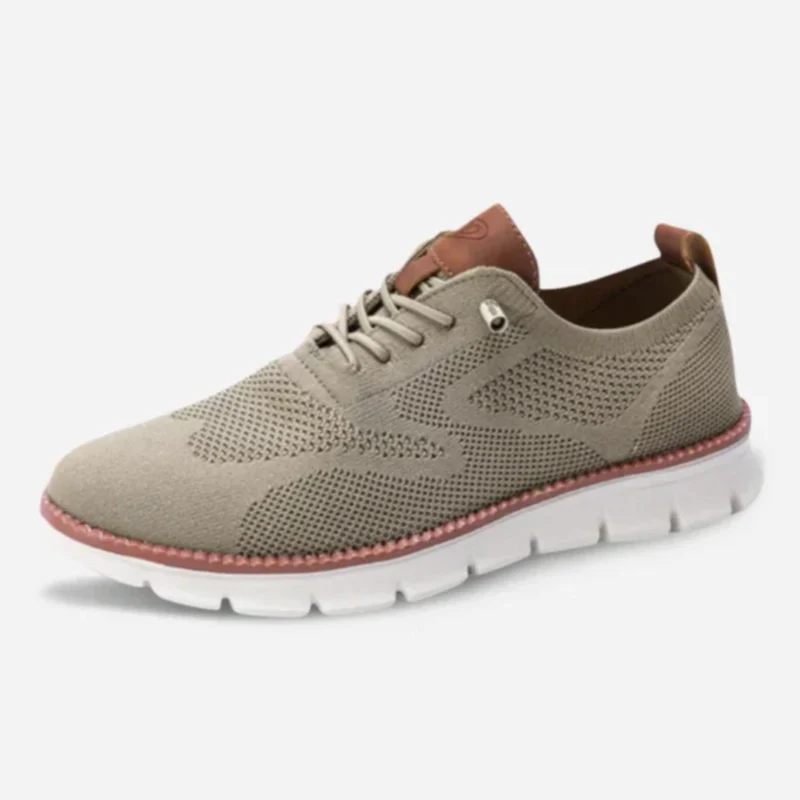
Every step you take matters—whether you’re exploring city streets, powering through your daily routine, or simply refusing to let foot discomfort slow you down. The CloudWalk – Ultra Comfortable Walking Shoes wraps your feet in therapeutic cushioning that turns pavement into clouds, so you can go farther, stay longer, and feel better doing it.
The brand prioritizes fashion-forward aesthetics over traditional comfort engineering. Jeffrey Campbell builds shoes for style-conscious consumers who accept some compromise on all-day wearability. This approach differs from comfort-focused brands like Clarks or Ecco.
Most Jeffrey Campbell styles require a break-in period of 1-3 weeks. The leather softens gradually. The footbed molds to your arch. Initial stiffness decreases with regular wear.
The History Behind Jeffrey Campbell Footwear
Jeffrey Campbell launched in 2000 in Southern California. The designer focused on bold, statement footwear that challenged conventional shoe design. The brand gained popularity through fashion blogs and social media in the late 2000s.
Early designs featured extreme platform heels and unconventional materials. The Lita boot became the signature style in 2010. This chunky platform ankle boot defined the brand’s aesthetic for years.
The company expanded rapidly from 2010-2015. They added flats, sandals, and sneakers to their lineup. Each category maintained the brand’s emphasis on distinctive styling over ergonomic design.
Jeffrey Campbell partners with Spanish manufacturers for most production. The factories use traditional shoemaking methods combined with modern materials. Quality control varies between style lines and production batches.
Technical Specifications That Affect Comfort
Sole Construction
Jeffrey Campbell uses several sole types across their collection:
- TPR (Thermoplastic Rubber) soles: Flexible but offer minimal arch support
- EVA foam platforms: Lightweight yet provide poor shock absorption
- Leather soles: Breathable but slippery and require careful break-in
- Rubber lug soles: Durable with decent traction and cushioning
The platform heights range from 1 inch to 5 inches. Higher platforms create instability. They shift your weight forward and strain the ball of your foot.
Upper Materials
The brand works with diverse materials:
- Full-grain leather: Durable and molds to your foot over time
- Suede: Soft initially but stretches and loses shape quickly
- Patent leather: Stiff and causes blisters during break-in
- Canvas: Breathable but provides zero structure or support
- Synthetic materials: Inconsistent quality and poor breathability
Real leather styles offer better long-term comfort. Synthetic versions rarely soften adequately.
Footbed Design
Most Jeffrey Campbell shoes feature flat footbeds with minimal contouring. The insoles lack:
- Arch support structures
- Heel cups for stability
- Metatarsal pads for pressure relief
- Memory foam or gel cushioning
Some newer styles include basic EVA foam insoles. These compress quickly and lose effectiveness after 2-3 months of regular wear.
Sizing and Fit
Jeffrey Campbell uses European sizing that runs small. Most customers need to size up half to one full size. The toe boxes are typically narrow, which causes problems for wider feet.
The heel counters are often loose. Your foot slides forward during walking. This creates friction and increases pressure on your toes.
Comfort Analysis by Style Category
Platform Boots and Booties
Comfort Rating: 4/10
The iconic Lita boot and similar platform styles present multiple comfort challenges. The extreme heel height forces your foot into an unnatural angle. The rigid platform prevents normal foot flexion during walking.
Positive aspects:
- Stable base prevents ankle rolling
- Height distributes some pressure away from the ball of foot
- Chunky heel easier to balance than stilettos
Negative aspects:
- Heavy weight causes leg fatigue
- No shock absorption leads to joint stress
- Difficult to walk on uneven surfaces
- Break-in period involves significant blistering
Flat Sandals and Slides
Comfort Rating: 6/10
Jeffrey Campbell’s flat sandals provide moderate comfort for short-term wear. The lack of arch support becomes problematic after 2-3 hours of standing or walking.
Positive aspects:
- Lightweight construction
- Breathable for warm weather
- Easy to slip on and off
- Minimal break-in required
Negative aspects:
- Flat footbeds cause plantar fatigue
- Thin straps dig into skin
- No heel cushioning for impact protection
- Slides offer zero stability
Heeled Sandals and Mules
Comfort Rating: 3/10
The heeled sandal category scores lowest for comfort. These styles combine thin straps, high heels, and minimal support.
Positive aspects:
- Open design prevents overheating
- Adjustable straps on some models
Negative aspects:
- Foot slides forward constantly
- Straps cause blisters and cuts
- High heels create toe compression
- Unstable for walking longer distances
- Pain develops within 1-2 hours
Sneakers and Casual Shoes
Comfort Rating: 7/10
Jeffrey Campbell’s sneaker line offers the best comfort in their collection. These styles include more cushioning and support than their fashion shoes.
Positive aspects:
- Rubber soles with basic cushioning
- Closed design provides stability
- Lace-up closure allows fit adjustment
- Suitable for all-day wear
Negative aspects:
- Still lack proper arch support
- Narrow toe boxes remain an issue
- Limited breathability in some materials
- Heavier than athletic sneakers
Loafers and Oxfords
Comfort Rating: 5/10
The structured flat styles fall in the middle range. They work for office wear but not extended walking.
Positive aspects:
- Leather softens nicely over time
- Professional appearance
- Slip-resistant soles on most models
Negative aspects:
- Stiff during break-in period
- Narrow fit causes pinching
- Hard footbeds lack cushioning
- Rigid structure limits natural foot movement
Every step you take matters—whether you’re exploring city streets, powering through your daily routine, or simply refusing to let foot discomfort slow you down. The CloudWalk – Ultra Comfortable Walking Shoes wraps your feet in therapeutic cushioning that turns pavement into clouds, so you can go farther, stay longer, and feel better doing it.
Comfort Comparison Table
| Style Category | Cushioning | Arch Support | Break-In Period | All-Day Wearability | Best Use Case |
|---|---|---|---|---|---|
| Platform Boots | Low | None | 2-3 weeks | Poor | Events, Photos |
| Flat Sandals | Minimal | None | Few days | Moderate | Casual Outings |
| Heeled Sandals | None | None | 1-2 weeks | Very Poor | Special Occasions |
| Sneakers | Moderate | Minimal | 1 week | Good | Daily Wear |
| Loafers | Low | None | 2 weeks | Moderate | Office Work |
How to Improve Jeffrey Campbell Shoe Comfort
Add Aftermarket Insoles
Replace the factory footbeds with quality insoles. Look for products with:
- Arch support matched to your foot type (low, medium, high)
- Heel cushioning using gel or memory foam
- Metatarsal pads to reduce ball-of-foot pressure
- Moisture-wicking top covers
Brands like Superfeet, Powerstep, and Dr. Scholl’s make insoles that fit most Jeffrey Campbell styles.
Protect Blister-Prone Areas
Apply preventive products before wearing new shoes:
- Moleskin patches on heels and sides of toes
- Blister prevention tape on pressure points
- Anti-chafing balm on areas that rub
- Toe cushions for cramped toe boxes
Reapply these products for the first 10-15 wears.
Stretch Tight Areas
Professional shoe stretching helps narrow styles. Cobblers can:
- Widen the toe box by half a size
- Stretch specific pressure points
- Add elastic gussets to tight openings
- Soften stiff leather
Home stretching with wooden shoe stretchers also works. Apply stretching spray and leave the stretchers inserted for 24-48 hours.
Break In Gradually
Wear new Jeffrey Campbell shoes for short periods initially:
- Days 1-3: 30 minutes indoors
- Days 4-7: 1-2 hours for light activities
- Days 8-14: 3-4 hours with breaks
- Week 3+: Full-day wear
This progressive approach lets your feet adjust while the materials soften.
Maintenance for Sustained Comfort
Regular Cleaning
Clean your Jeffrey Campbell shoes every 2-3 weeks:
- Remove surface dirt with a soft brush
- Wipe leather with damp cloth
- Apply leather conditioner to prevent cracking
- Let air dry completely before storage
Conditioned leather stays supple and comfortable longer.
Sole Protection
Add rubber sole protectors or toe taps to extend shoe life. These thin layers:
- Prevent premature sole wear
- Add traction on smooth surfaces
- Protect against moisture damage
- Maintain comfort characteristics longer
Replace worn heel tips immediately. Uneven wear creates instability and discomfort.
Proper Storage
Store shoes with cedar shoe trees inserted. The trees:
- Maintain shape and prevent creasing
- Absorb moisture and odors
- Reduce material stress
- Extend overall shoe lifespan
Never store Jeffrey Campbell shoes in plastic bags. The materials need air circulation to prevent deterioration.
Who Should Buy Jeffrey Campbell Shoes?
Ideal Candidates
Jeffrey Campbell shoes work best for:
- Fashion enthusiasts who prioritize style over comfort
- Wearers with narrow feet and low arches
- People attending events requiring short-term wear
- Individuals willing to modify shoes for better fit
- Those with experience breaking in fashion footwear
Poor Candidates
Avoid Jeffrey Campbell if you:
- Need all-day comfort for work or travel
- Have wide feet or high arches
- Suffer from plantar fasciitis or foot conditions
- Require significant arch support
- Want immediate out-of-box comfort
Final Verdict on Jeffrey Campbell Comfort
Jeffrey Campbell shoes deliver moderate comfort at best. The brand succeeds in creating eye-catching designs. It falls short on ergonomic engineering and all-day wearability.
Expect a challenging break-in period with most styles. Plan to add aftermarket insoles for acceptable comfort. Size up from your normal fit. Choose leather over synthetic materials when possible.
The sneaker category offers the most comfort. Platform boots and heeled sandals rank lowest. Your foot shape significantly impacts the comfort experience.
Jeffrey Campbell shoes serve specific purposes well. They excel at fashion events, photo shoots, and short social occasions. They fail as daily walking shoes or professional work footwear.
Budget for comfort modifications when buying Jeffrey Campbell. Factor in costs for insoles, stretching, and blister prevention products. The total investment often exceeds the shoe price alone.
Consider your priorities before purchasing. If style outweighs comfort, Jeffrey Campbell delivers. If you need reliable all-day comfort, explore other brands focused on ergonomic design.
Every step you take matters—whether you’re exploring city streets, powering through your daily routine, or simply refusing to let foot discomfort slow you down. The CloudWalk – Ultra Comfortable Walking Shoes wraps your feet in therapeutic cushioning that turns pavement into clouds, so you can go farther, stay longer, and feel better doing it.