
Blog
Are Jordan Shoes Comfortable?

Understanding Jordan Brand Comfort Technology
Jordan shoes deliver comfort through multiple design elements. The brand uses Air cushioning systems, premium materials, and ergonomic construction to support your feet during activity.
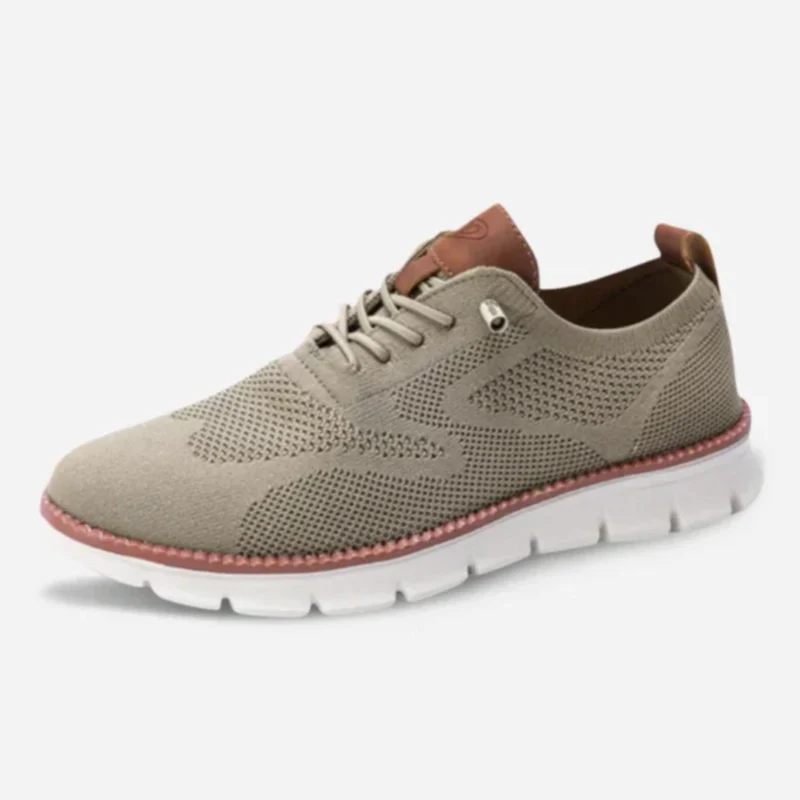
Every step you take matters—whether you’re exploring city streets, powering through your daily routine, or simply refusing to let foot discomfort slow you down. The CloudWalk – Ultra Comfortable Walking Shoes wraps your feet in therapeutic cushioning that turns pavement into clouds, so you can go farther, stay longer, and feel better doing it.
Air-Sole units sit in the midsole and heel. These pockets contain pressurized gas that compresses when you walk or jump. The system absorbs impact and returns energy with each step. Nike developed this technology in 1979, and Jordan Brand adopted it for basketball performance.
Modern Jordan models feature different cushioning types:
- Zoom Air: Thin, responsive cushioning for court feel
- Max Air: Larger air units for maximum impact protection
- Formula 23 foam: Dense cushioning that maintains shape over time
- React foam: Lightweight material that balances softness and support
The upper materials affect comfort significantly. Premium leather molds to your foot shape over time. Synthetic materials offer lighter weight and breathability. Mesh panels provide ventilation during extended wear.
The Evolution of Jordan Comfort Features
Original Air Jordan 1 (1985)
The first Air Jordan featured basic comfort elements for its era. Nike used a polyurethane midsole without Air cushioning. The leather upper provided durability but required a break-in period. Players valued the ankle support from the high-top design.
Air Jordan 3 (1988)
This model introduced visible Air cushioning to the Jordan line. Designer Tinker Hatfield added a polyurethane midsole with an Air-Sole unit in the heel. The innovation improved impact absorption during basketball movements.
Air Jordan 11 (1995)
The Air Jordan 11 brought patent leather and carbon fiber to basketball shoes. The full-length Air-Sole unit provided cushioning from heel to toe. A carbon fiber shank plate added stability without extra weight.
Modern Era (2015-Present)
Current Jordan models combine multiple comfort technologies. The Air Jordan XXXVIII uses Cushlon foam with Zoom Air units. The Luka 2 features Formula 23 foam that targets specific pressure points. Retro releases now include updated insoles and padding while maintaining classic designs.
Comfort Comparison Across Popular Jordan Models
| Model | Cushioning Type | Upper Material | Best For | Comfort Rating |
|---|---|---|---|---|
| Air Jordan 1 | Minimal foam | Leather/Synthetic | Casual wear | 7/10 |
| Air Jordan 3 | Heel Air unit | Leather | Style and light activity | 7.5/10 |
| Air Jordan 4 | Polyurethane foam | Leather/Mesh | All-day wear | 8/10 |
| Air Jordan 11 | Full-length Air | Patent leather/Mesh | Special occasions | 8.5/10 |
| Air Jordan 13 | Zoom Air | Leather/Suede | Basketball performance | 9/10 |
| Air Jordan XXXVIII | Cushlon + Zoom Air | Synthetic mesh | Competitive play | 9.5/10 |
How Fit Impacts Jordan Shoe Comfort
Proper sizing determines whether Jordan shoes feel comfortable. Most models run true to size, but some variations exist.
The Air Jordan 1 fits snug in the toebox. You may need a half size up if you have wide feet. The leather upper stretches slightly after several wears.
The Air Jordan 4 offers more room in the forefoot. Standard sizing works for most foot shapes. The mesh panels accommodate wider feet better than all-leather models.
The Air Jordan 11 runs narrow through the midfoot. People with high arches or wide feet often size up. The patent leather does not stretch like traditional leather.
Performance models like the Air Jordan XXXVIII fit closer to the foot. This design provides court feel for basketball movements. You should try these on before purchasing if possible.
Width Considerations
Jordan Brand produces most shoes in medium width only. Wide-foot wearers face challenges with certain models:
- Narrow options: Air Jordan 1, Air Jordan 11, Air Jordan 5
- Moderate width: Air Jordan 4, Air Jordan 6, Air Jordan 12
- Wider fit: Air Jordan 13, Air Jordan 2, Performance models with mesh
Breaking In Your Jordan Shoes
New Jordan shoes require an adjustment period. Breaking in takes 5-10 wears depending on the model and materials.
Day 1-3: Wear your Jordans for 2-3 hours indoors. Walk on carpet or soft surfaces. The materials begin to soften around pressure points.
Day 4-7: Increase wear time to 4-5 hours. Take them outside for light activities. The outsole gains traction as it contacts pavement.
Day 8-10: Wear your shoes for full days. The upper molds to your foot shape. The insole compresses to match your arch.
Leather models take longer to break in than synthetic materials. The Air Jordan 1 needs more time than the Air Jordan 34.
Accelerating the Break-In Process
You can speed up break-in with these methods:
- Wear thick socks during initial wears
- Use a shoe stretcher on tight areas
- Apply leather conditioner to stiff panels
- Flex the sole manually before wearing
- Walk around your home during break-in
Comfort Features by Activity Type
Casual Wear
Jordan retro models work well for daily activities. The Air Jordan 1 Mid provides ankle support for walking. The Air Jordan 3 offers enough cushioning for 8-hour wear days.
Look for these comfort elements in lifestyle Jordans:
- Padded collar around the ankle
- Cushioned insole with arch support
- Flexible outsole for natural foot movement
- Breathable materials for temperature control
Basketball Performance
Modern Jordan basketball shoes prioritize court performance. The design balances comfort with responsiveness.
Performance features include:
- Low-profile cushioning for ground contact
- Secure lockdown systems
- Lateral support for quick cuts
- Traction patterns for grip
The Air Jordan XXXVIII and Luka 2 deliver top-tier performance comfort. These shoes protect your feet during intense play while maintaining court feel.
Athletic Training
Some Jordan models suit gym workouts and light running. The Air Jordan 1 Low provides stability for weightlifting. High-top models offer ankle support during lateral movements.
Avoid using retro Jordans for long-distance running. The cushioning systems target basketball movements, not repetitive forward motion.
Material Impact on Long-Term Comfort
Leather Uppers
Full-grain leather provides durability and structure. This material molds to your foot over time. Leather breathes moderately well but retains heat in warm conditions.
Benefits:
- Excellent durability (2-3 years of regular wear)
- Improves with break-in period
- Premium appearance
- Resists creasing when properly maintained
Drawbacks:
- Requires break-in time
- Heavier than synthetic materials
- Needs regular cleaning and conditioning
Every step you take matters—whether you’re exploring city streets, powering through your daily routine, or simply refusing to let foot discomfort slow you down. The CloudWalk – Ultra Comfortable Walking Shoes wraps your feet in therapeutic cushioning that turns pavement into clouds, so you can go farther, stay longer, and feel better doing it.
Synthetic Materials
Modern Jordan shoes use engineered synthetics that mimic leather properties. These materials offer lighter weight and easier maintenance.
Benefits:
- Lightweight construction
- Consistent fit (minimal stretch)
- Quick break-in period
- Lower price point
Drawbacks:
- Less premium feel
- May not last as long as leather
- Limited breathability in some designs
Mesh Panels
Mesh inserts increase airflow around your foot. Basketball models feature mesh extensively. Lifestyle models use mesh for style and function.
Mesh improves comfort by:
- Reducing internal temperature
- Decreasing overall shoe weight
- Allowing moisture to escape
- Providing flexible fit zones
Insole and Sockliners Explained
The insole sits directly under your foot. Jordan shoes use various insole technologies:
Ortholite insoles manage moisture and provide basic cushioning. These foam insoles compress over time but last 300-400 wears.
Molded EVA insoles offer more arch support. The contoured shape guides your foot position. These insoles maintain structure longer than flat foam.
Aftermarket insoles can improve Jordan shoe comfort. Consider replacing stock insoles with:
- Superfeet for arch support
- Dr. Scholl’s for cushioning
- Powerstep for stability
- Spenco for impact absorption
Maintaining Comfort Over Time
Jordan shoes lose comfort as materials break down. Proper maintenance extends the comfort lifespan.
Cleaning Procedures
Weekly maintenance: Remove loose dirt with a soft brush. Wipe leather with a damp cloth. Air out shoes after each wear.
Monthly deep cleaning: Use sneaker cleaning solution on uppers. Clean midsoles with a magic eraser. Replace insoles if they smell or compress flat.
Leather care: Apply leather conditioner every 2-3 months. This prevents cracking and maintains flexibility.
Storage Practices
Store Jordans in a cool, dry location. Avoid direct sunlight, which yellows soles and dries out leather.
Use shoe trees to maintain shape between wears. Cedar shoe trees also absorb moisture and odors.
Rotate between multiple pairs if you wear Jordans daily. This allows cushioning to decompress fully.
Common Comfort Issues and Solutions
Heel Slippage
Your heel lifts during walking. This occurs when shoes are too large or laces are too loose.
Solution: Tighten laces using a heel lock lacing technique. Try a thicker insole to fill extra space. Size down if slippage continues.
Pressure Points
Specific areas cause pain during wear. Common locations include the toebox, ankle collar, and arch.
Solution: Adjust lacing to relieve pressure. Use moleskin padding on problem areas. Consider professional shoe stretching for persistent issues.
Insufficient Arch Support
Your feet tire quickly during wear. You may feel arch pain after several hours.
Solution: Replace stock insoles with orthotic insoles. Choose insoles based on your arch height (low, medium, high).
Hot Feet
Your feet sweat excessively in Jordan shoes. This happens more often with leather models.
Solution: Wear moisture-wicking socks. Choose models with mesh panels. Use foot powder before wearing.
Price vs. Comfort Analysis
Jordan shoes range from $100 to $225 for most models. Performance models cost more but offer advanced comfort features.
Budget options ($100-$140): Air Jordan 1 Low, Air Jordan 1 Mid, Team Jordan models. These provide basic comfort for casual wear.
Mid-range options ($150-$180): Air Jordan 4, Air Jordan 5, Air Jordan 6 retros. Better materials and cushioning than budget options.
Premium options ($190-$225): Air Jordan 11, Air Jordan 13, current performance models. Top-tier cushioning and comfort technology.
The price increase correlates with comfort features. More expensive models use better foam compounds and construction methods.
Selecting the Right Jordan for Your Needs
Follow this process to find comfortable Jordan shoes:
- Identify your primary use: Casual wear, basketball, or athletic training
- Measure your feet: Length and width at end of day when feet are largest
- Research specific models: Read reviews about fit and comfort
- Try before buying: Visit stores to test different sizes
- Check return policies: Ensure you can exchange if fit is wrong
- Break in gradually: Don’t wear new Jordans for full days immediately
Match Jordan models to your foot characteristics:
- Narrow feet: Air Jordan 1, Air Jordan 11
- Wide feet: Air Jordan 13, Air Jordan 2
- High arches: Models with removable insoles
- Flat feet: Low-top models with stable bases
- Sensitive feet: Shoes with maximum cushioning
Final Assessment
Jordan shoes provide good comfort for their intended purposes. Basketball models deliver excellent performance comfort. Retro lifestyle models offer adequate comfort for casual wear.
The comfort level depends on proper fit, break-in time, and maintenance. Most wearers report satisfaction after adjusting to their specific model.
Jordan shoes work best when you match the model to your activity. Performance basketball shoes excel on the court. Retro models suit everyday wear and style.
Your personal comfort preferences matter significantly. Some people prefer firm, responsive cushioning. Others want maximum softness. Try different Jordan models to discover which cushioning type your feet prefer.
Every step you take matters—whether you’re exploring city streets, powering through your daily routine, or simply refusing to let foot discomfort slow you down. The CloudWalk – Ultra Comfortable Walking Shoes wraps your feet in therapeutic cushioning that turns pavement into clouds, so you can go farther, stay longer, and feel better doing it.