
Blog
Are Mansur Gavriel Shoes Comfortable?

The Comfort Reality of Mansur Gavriel Footwear
Mansur Gavriel shoes offer moderate comfort for everyday wear. The brand prioritizes minimalist design over advanced cushioning technology. Most styles work well for 4-6 hours of casual walking. Extended wear or standing often requires aftermarket insoles.
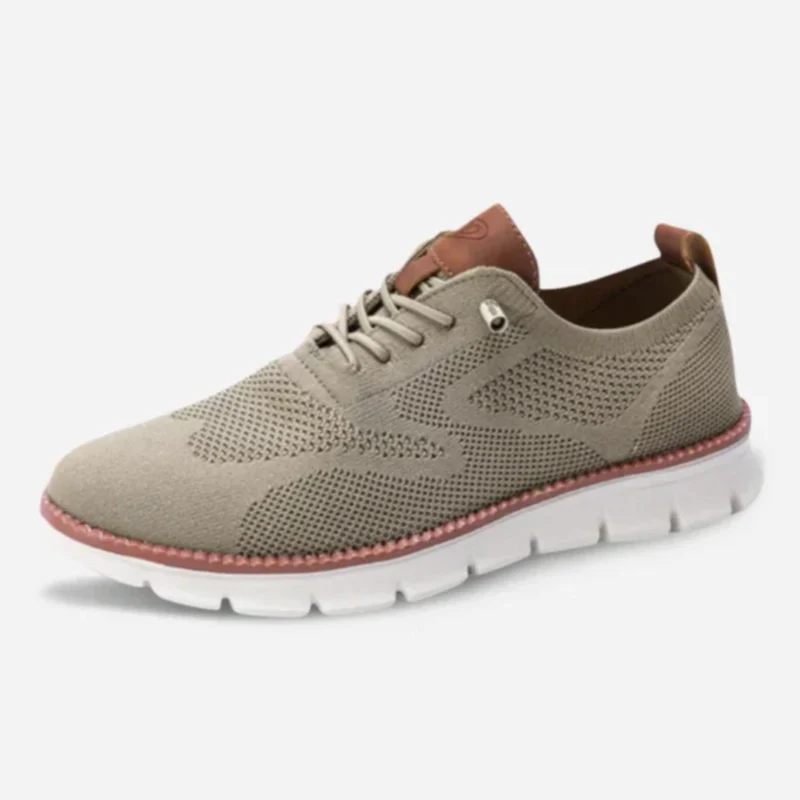
Every step you take matters—whether you’re exploring city streets, powering through your daily routine, or simply refusing to let foot discomfort slow you down. The CloudWalk – Ultra Comfortable Walking Shoes wraps your feet in therapeutic cushioning that turns pavement into clouds, so you can go farther, stay longer, and feel better doing it.
The leather softens significantly after a break-in period of 2-3 weeks. Initial stiffness affects the heel counter and vamp area most notably. Buyers should expect discomfort during the first several wears.
Brand History and Design Philosophy
Rachel Mansur and Floriana Gavriel launched their brand in 2012. The duo focused initially on handbags before expanding into footwear in 2015. Their design approach emphasizes clean lines and Italian craftsmanship.
The brand manufactures all footwear in Italy. Production facilities use traditional construction methods. This approach creates durable shoes but limits modern comfort features.
Mansur Gavriel targets fashion-conscious consumers who value aesthetics over athletic performance. The price point ranges from $395 to $695 for most styles. This positioning places them in the contemporary luxury segment.
Technical Construction Analysis
Materials Used
Mansur Gavriel uses primarily vegetable-tanned leather for uppers. This leather type requires significant break-in time. The material molds to foot shape gradually but feels stiff initially.
Sole construction varies by style:
- Ballet flats: Thin leather soles with minimal padding
- Mules: Leather or rubber composite soles
- Boots: Stacked leather heels with rubber heel caps
- Loafers: Leather soles with optional rubber forefoot pads
Insole composition consists of thin leather over a firm base. The brand does not use memory foam or gel cushioning. Arch support remains minimal across all styles.
Construction Methods
The brand employs Blake stitch construction for most closed-toe styles. This method creates a sleek profile but reduces flexibility. The sole attaches directly to the insole without a midsole layer.
Mules and slides use a cemented construction. Adhesive bonds the sole to the upper. This approach allows for slimmer profiles but offers less structural support.
Boot styles incorporate Goodyear welt construction in select models. This traditional method increases durability and allows for resoling. The welt adds slight bulk but improves long-term comfort.
Comfort Factors Breakdown
Cushioning Assessment
| Shoe Type | Cushioning Level | Best Use Case | Maximum Comfort Duration |
|---|---|---|---|
| Ballet Flats | Minimal | Light walking | 3-4 hours |
| Mules | Low-Moderate | Casual wear | 4-5 hours |
| Loafers | Moderate | Office/errands | 5-6 hours |
| Ankle Boots | Moderate-High | All-day wear | 6-8 hours |
| Knee-High Boots | High | Extended wear | 8+ hours |
The cushioning comes primarily from leather compression over time. New shoes provide almost no shock absorption. After break-in, the insole develops a custom footbed impression.
Arch Support Characteristics
Mansur Gavriel shoes feature minimal arch support. The flat insole design suits neutral or low-arched feet. High-arched individuals need aftermarket orthotics for adequate support.
The lack of built-in support affects comfort during:
- Extended standing periods
- Walking on hard surfaces
- Incline navigation
- Prolonged daily wear
Adding a slim orthotic insert improves comfort substantially. Brands like Superfeet or Powerstep make insoles thin enough for these shoes.
Width and Fit Considerations
The brand follows Italian sizing standards. Shoes run narrow compared to American brands. Wide-footed individuals should size up or avoid certain styles entirely.
Fit characteristics by style:
- Ballet flats: True to size, narrow width
- Mules: Size up half size, medium width
- Loafers: True to size, narrow to medium width
- Boots: True to size, adjustable with socks
Toe box shape varies significantly. Pointed-toe styles compress the forefoot. Rounded and square-toe options provide more room for natural toe splay.
Break-In Period Expectations
Timeline and Process
Week 1-2: Expect significant heel slippage and pinching. The leather feels rigid. Wear shoes for 1-2 hours maximum per session. Target indoor use on carpet or soft surfaces.
Week 3-4: Material begins softening noticeably. Heel counter molds to ankle shape. Increase wear time to 3-4 hours. Introduce outdoor walking on smooth pavement.
Week 5-6: Leather achieves optimal suppleness. Custom footbed impression develops. Shoes reach maximum comfort potential.
Accelerating Break-In
Several methods speed up the process:
- Leather conditioner application: Apply quality conditioner to uppers every 3 days during the first two weeks
- Thick sock method: Wear heavy socks with shoes around the house for 30-minute sessions
- Shoe stretcher use: Insert wooden stretchers overnight to expand tight areas
- Professional stretching: Cobblers can stretch specific pressure points for $15-30
Heat application helps but carries risks. Excessive heat damages vegetable-tanned leather permanently.
Style-Specific Comfort Reviews
Ballet Flats Performance
The classic ballet flat represents the brand’s least comfortable option. The thin sole provides no impact protection. The shallow throat cuts into some foot shapes.
Positive aspects:
- Lightweight construction
- Breathable leather lining
- Flexible sole after break-in
- Easy on/off access
Negative aspects:
- Zero arch support
- Thin padding throughout
- Heel slippage common
- Not suitable for wide feet
Best use cases include short errands, driving shoes, or office wear with minimal walking.
Mule Comfort Analysis
Mansur Gavriel mules offer improved comfort over ballet flats. The open-back design eliminates heel friction. Sole thickness increases slightly in most styles.
The block-heel mules provide the best combination of style and wearability. The 2-3 inch heel height remains stable. Weight distribution improves compared to flat options.
Backless construction creates unique challenges. Feet slide forward during walking. This motion causes toe compression. Sizing up helps but doesn’t eliminate the issue entirely.
Loafer Wearability
The loafer collection delivers the best comfort-to-style ratio. Closed construction provides better foot security. Thicker insoles add marginal cushioning.
The penny loafer and tassel loafer styles work well for all-day wear after break-in. The structured design maintains foot position. Heel counters prevent slippage effectively.
Loafers pair well with custom orthotics. The deeper foot opening accommodates slim inserts without visible bulk.
Boot Comfort Evaluation
Ankle and knee-high boots represent the most comfortable category. Additional material and structure support the foot better. Shaft construction on tall boots provides calf support.
Boot-specific advantages:
- Thicker insoles standard
- Better ankle stability
- Improved shock absorption
- Weather protection benefits
- Adjustable fit with socks
The heeled boot styles distribute weight more evenly than flat boots. A 1.5-2 inch heel reduces forefoot pressure.
Every step you take matters—whether you’re exploring city streets, powering through your daily routine, or simply refusing to let foot discomfort slow you down. The CloudWalk – Ultra Comfortable Walking Shoes wraps your feet in therapeutic cushioning that turns pavement into clouds, so you can go farther, stay longer, and feel better doing it.
Comparison with Competitor Brands
Luxury Minimalist Alternatives
The Row: Superior comfort due to padded insoles. Price point $200-400 higher. Similar aesthetic minimalism.
Toteme: Comparable comfort levels. Slightly lower price point. Less variety in styles.
Jil Sander: Better arch support in most styles. Similar Italian construction. Higher average prices.
Contemporary Fashion Brands
Everlane: Lower price point ($150-250). Similar comfort limitations. More casual styling.
Vince: Better cushioning technology. Comparable prices. Less distinctive design.
Rag & Bone: Superior comfort features. Similar price range. More trend-focused designs.
Maintenance for Sustained Comfort
Leather Care Requirements
Vegetable-tanned leather needs regular conditioning. Apply leather cream every 4-6 weeks. This maintains suppleness and prevents cracking.
Cleaning protocol:
- Wipe with damp cloth after each wear
- Remove dirt with soft brush weekly
- Apply leather cleaner monthly
- Condition every 4-6 weeks
- Professional cleaning yearly
Avoid water exposure. The leather darkens and stiffens when wet. Use protective spray before first wear.
Sole Preservation
Leather soles wear quickly on concrete. Add rubber toe taps and heel caps immediately. This $30-50 investment extends sole life significantly.
Replace heel caps every 6 months with regular wear. Toe taps last 12-18 months typically. Full resoling costs $80-120 but maintains the shoe’s integrity.
Store shoes with cedar shoe trees. The trees absorb moisture and maintain shape. This prevents comfort-reducing deformation.
Modifications for Enhanced Comfort
Insole Additions
Slim orthotics transform comfort levels dramatically. Recommended brands include:
- Superfeet Carbon: Ultra-thin profile, excellent arch support
- Powerstep Pinnacle Slim: Moderate support, good cushioning
- Spenco Polysorb: Basic cushioning, budget-friendly
- Sof Sole Athlete: Gel forefoot pad, minimal arch support
Cut insoles to size carefully. Test fit before trimming permanently.
Professional Adjustments
Cobblers offer several modifications:
- Metatarsal pad addition: Reduces forefoot pressure ($20-30)
- Heel grip installation: Prevents slippage ($15-25)
- Tongue pad insertion: Improves fit on high insteps ($10-20)
- Shaft stretching: Accommodates wider calves on boots ($30-50)
These adjustments prove more cost-effective than replacing uncomfortable shoes.
Who Should Buy Mansur Gavriel Shoes
Ideal Customer Profile
Mansur Gavriel shoes suit specific buyer types. The ideal customer has:
- Narrow to medium-width feet
- Neutral or low arches
- Fashion-first priorities
- Limited high-impact walking needs
- Patience for break-in periods
- Budget for quality footwear
Office workers, creative professionals, and fashion enthusiasts find the most value. The aesthetic appeal justifies comfort compromises for these groups.
Who Should Avoid These Shoes
Certain individuals should consider alternatives:
- Wide-footed consumers
- High-arch individuals without orthotic use
- People requiring all-day standing comfort
- Those needing immediate wearability
- Buyers prioritizing athletic performance
- Individuals with foot conditions requiring medical-grade support
Final Verdict on Comfort
Mansur Gavriel shoes deliver acceptable comfort for their category. They compete well against similar minimalist luxury brands. The shoes cannot match athletic or comfort-focused footwear in cushioning or support.
The break-in investment pays dividends for appropriate use cases. After initial discomfort, most styles provide reliable daily wear for 4-6 hours. Strategic modifications extend comfort significantly.
Buyers should approach these shoes as fashion items first and comfort shoes second. This mindset prevents disappointment. The Italian craftsmanship and distinctive aesthetic justify the price for style-conscious consumers who accept the comfort limitations.
Every step you take matters—whether you’re exploring city streets, powering through your daily routine, or simply refusing to let foot discomfort slow you down. The CloudWalk – Ultra Comfortable Walking Shoes wraps your feet in therapeutic cushioning that turns pavement into clouds, so you can go farther, stay longer, and feel better doing it.