
Blog
Are New Balance Shoes Comfortable?

The Comfort Factor in New Balance Footwear
New Balance shoes deliver exceptional comfort through engineered cushioning systems and anatomical support structures. The brand uses proprietary technologies like Fresh Foam, ENCAP, and REVlite to create shoes that absorb impact and support natural foot movement. Comfort levels vary across different models, but the company’s focus on biomechanics and multiple width options sets them apart from competitors.
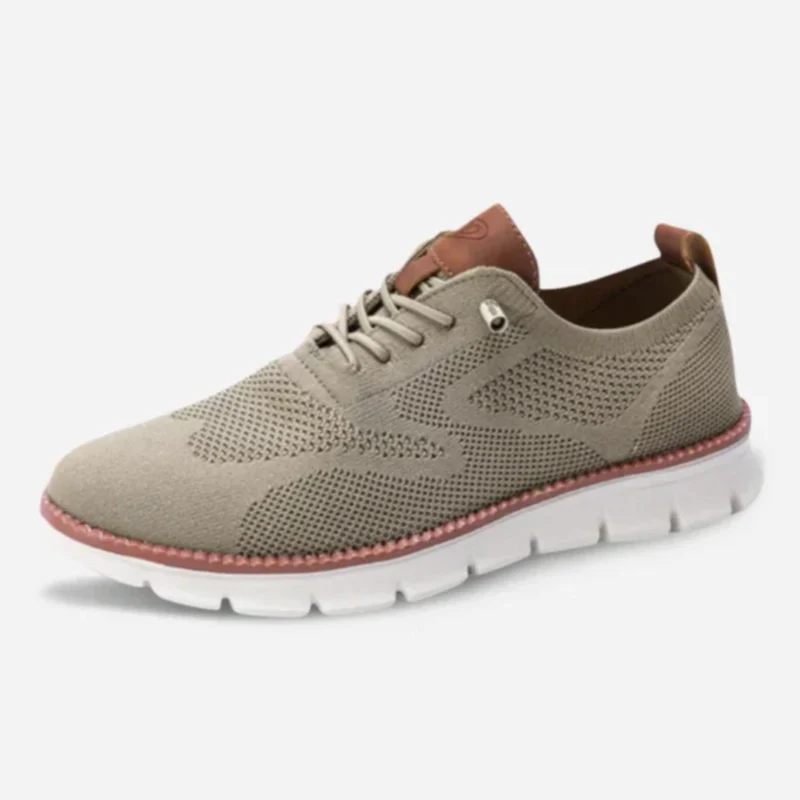
Every step you take matters—whether you’re exploring city streets, powering through your daily routine, or simply refusing to let foot discomfort slow you down. The CloudWalk – Ultra Comfortable Walking Shoes wraps your feet in therapeutic cushioning that turns pavement into clouds, so you can go farther, stay longer, and feel better doing it.
Most users report positive comfort experiences with New Balance footwear. The shoes work well for walking, running, standing for long periods, and casual wear. People with wide feet, high arches, or plantar fasciitis often find relief in New Balance models designed for specific foot types.
History of New Balance Comfort Innovation
New Balance started in 1906 as the New Balance Arch Support Company in Boston. William J. Riley created the first product: a flexible arch support that improved shoe fit and comfort. The name came from Riley’s observation of chickens balancing on three claws, which inspired the three-point support system.
The company shifted to athletic footwear in the 1960s. In 1972, New Balance released the Trackster, the first running shoe available in multiple widths. This innovation addressed a major comfort issue that other brands ignored.
Key comfort milestones:
- 1976: The 320 model launched with cushioned EVA midsoles
- 1985: ENCAP technology combined soft foam with polyurethane rim for stability
- 1999: ABZORB cushioning debuted for enhanced shock absorption
- 2014: Fresh Foam introduced a data-driven approach to cushioning
- 2019: FuelCell technology provided responsive energy return
Each advancement improved how shoes felt during extended wear. The company invested in biomechanical research and worked with podiatrists to understand foot mechanics.
Technical Features That Create Comfort
Cushioning Technologies
New Balance uses several cushioning systems across different shoe lines. Each system serves specific comfort needs.
Fresh Foam features a single-piece midsole with geometric patterns. Computer models determine where to add or remove material for optimal cushioning and support. This creates a plush yet responsive feel.
ENCAP combines a soft EVA foam core with a durable polyurethane rim. The foam provides cushioning while the rim adds stability and prevents the midsole from breaking down quickly.
FuelCell uses nitrogen-injected foam for energy return. Runners feel a propulsive sensation with each stride. The foam maintains cushioning properties across temperature ranges.
REVlite offers 30% less weight than standard foam while maintaining durability. This reduces fatigue during long wear periods.
ABZORB uses specialized foam in heel and forefoot areas to absorb impact forces. The material compresses under pressure and returns to shape quickly.
Support and Stability Systems
Dual-density midsoles place firmer foam on the medial side to control overpronation. This prevents the foot from rolling inward excessively.
Medial posts add rigid material along the arch area. People with flat feet gain needed support that prevents arch collapse.
Heel counters use reinforced material to cup the heel securely. This prevents side-to-side motion and reduces blisters.
Rock stops in trail models protect feet from sharp objects. A thin plate between midsole and outsole disperses impact from rocks and roots.
Width and Fit Options
New Balance offers shoes in narrow (2A for women, B for men), standard (B for women, D for men), wide (D for women, 2E for men), and extra-wide (2E for women, 4E for men) sizes. Some models come in 6E width.
This width variety solves a major comfort problem. Standard-width shoes squeeze wide feet or allow narrow feet to slide around. Proper width prevents pressure points, blisters, and toe cramping.
The brand also varies volume (how much space surrounds the foot) and heel-to-toe drop (height difference between heel and forefoot). These adjustments accommodate different foot shapes and walking patterns.
Comparing New Balance Comfort Across Popular Models
| Model | Best For | Cushioning Type | Weight | Width Options | Price Range |
|---|---|---|---|---|---|
| 990v6 | All-day wear | ENCAP | 12.3 oz | N-4E | $185-$200 |
| Fresh Foam 1080v13 | Long-distance running | Fresh Foam X | 9.7 oz | D-4E | $165-$180 |
| 574 | Casual wear | ENCAP | 11.8 oz | D-4E | $85-$100 |
| Fresh Foam X 860v13 | Stability running | Fresh Foam X | 10.2 oz | D-4E | $140-$155 |
| FuelCell Rebel v4 | Speed training | FuelCell | 7.2 oz | D-2E | $140-$150 |
The 990v6 provides maximum cushioning for standing jobs or walking cities. The ENCAP midsole maintains structure through years of use.
The Fresh Foam 1080v13 works for runners who need soft landings. The wide platform and roomy toe box accommodate foot swelling during long runs.
The 574 offers retro style with practical comfort. The shoe transitions from errands to casual social events without causing foot fatigue.
The 860v13 combines cushioning with medial post support. Overpronators get correction without feeling rigid or heavy.
The Rebel v4 sacrifices some cushioning for speed. The lightweight build and responsive foam benefit tempo runs and races.
User Benefits for Different Activities
Running and Walking
New Balance running shoes reduce impact stress on joints. The cushioning systems compress to absorb force, then return energy for forward motion. This makes each stride feel easier.
The shoes accommodate orthotic inserts. Removable sockliner insoles create space for custom orthotics without making the shoe too tight.
Heel collars use soft padding to prevent Achilles tendon irritation. Many runners report fewer blisters compared to other brands.
The Ndurance rubber outsole compound resists wear in high-friction areas. Shoes maintain grip and cushioning properties for 400-500 miles.
Standing and Work Environments
Healthcare workers, retail employees, and service industry professionals spend hours on their feet. New Balance work-appropriate models like the 928v3 and 847v4 provide crucial support.
These shoes feature:
- Extra cushioning in the heel and forefoot
- Motion control technology for stability
- Slip-resistant outsoles that meet workplace safety standards
- Breathable mesh uppers that reduce sweating
Users report less lower back pain and foot soreness after switching to New Balance walking shoes for work shifts.
Casual and Everyday Wear
Lifestyle models balance comfort with street style. The 327, 2002R, and 9060 offer retro aesthetics without sacrificing modern comfort technology.
These shoes work for:
- Travel days with extensive walking
- Social events requiring extended standing
- Weekend errands and activities
- Light exercise and recreation
The versatile styling pairs with jeans, shorts, casual pants, and athletic wear.
Every step you take matters—whether you’re exploring city streets, powering through your daily routine, or simply refusing to let foot discomfort slow you down. The CloudWalk – Ultra Comfortable Walking Shoes wraps your feet in therapeutic cushioning that turns pavement into clouds, so you can go farther, stay longer, and feel better doing it.
Comfort Considerations for Different Foot Types
Wide Feet
People with wide feet often struggle with standard shoe widths. Tight shoes cause bunions, hammer toes, and nerve compression.
New Balance wide widths provide proper space across the forefoot. Toes spread naturally instead of squeezing together. This prevents painful pressure points and allows better balance.
The Fresh Foam More v4 and 1080v13 offer particularly generous toe boxes. Users with bunions or wide forefeet find relief in these models.
High Arches
High arches (cavus foot) create pressure points under the heel and ball of the foot. The arch itself rarely touches the ground, which limits shock absorption.
New Balance shoes with plush cushioning work well for high arches. The Fresh Foam line and models with ABZORB technology provide the softness needed.
Neutral support models avoid the medial posts that would create uncomfortable pressure under high arches. Look for shoes labeled as neutral rather than stability or motion control.
Flat Feet and Overpronation
Flat feet collapse inward with each step (overpronation). This creates stress on ankles, knees, and hips.
New Balance stability shoes use medial posts and firmer foam to control excessive motion. The 860, 870, and 1540 models work well for flat feet.
The support prevents the arch from collapsing completely. Users report better alignment and reduced joint pain.
Plantar Fasciitis
Plantar fasciitis causes heel pain from inflammation of the tissue connecting heel to toes. Firm support and cushioning help reduce strain.
The 990v6 provides excellent arch support and heel cushioning. The structured midsole supports the plantar fascia throughout the gait cycle.
The 928v3 offers maximum stability and motion control. People with severe plantar fasciitis benefit from the rigid support structure.
Replace shoes every 300-400 miles when dealing with plantar fasciitis. Worn cushioning loses shock-absorbing properties and can worsen symptoms.
Maintaining Comfort Over Time
Break-In Period
New Balance shoes require minimal break-in compared to leather dress shoes or boots. Most models feel comfortable immediately.
Wear new shoes for short periods initially. Start with 2-3 hours, then gradually increase duration. This allows materials to conform to your foot shape without causing blisters.
Cleaning and Care
Dirt and debris compress cushioning materials over time. Regular cleaning maintains comfort properties.
For mesh uppers:
- Remove loose dirt with a soft brush
- Mix mild detergent with warm water
- Scrub gently with a soft cloth or brush
- Rinse with clean water
- Air dry away from direct heat
For leather uppers:
- Wipe with damp cloth
- Apply leather cleaner as needed
- Condition with leather conditioner
- Polish if desired
- Air dry completely
Never machine wash or dry New Balance shoes. High heat damages adhesives and foam materials.
Replacement Timing
Shoes lose cushioning effectiveness before visible wear appears. Track mileage or months of use.
Replace running shoes after:
- 400-500 miles of use
- 6-8 months of regular wear
- Visible compression in midsole foam
- Reduced shock absorption during activities
Replace walking shoes after:
- 6-12 months of daily wear
- Outsole wear exposes midsole material
- Upper materials lose structure
- Noticeable discomfort during normal activities
Rotating between two pairs extends lifespan. Foam materials need 24-48 hours to fully recover between wears.
How to Select the Right New Balance Model
Step 1: Identify Your Primary Use
Running shoes differ from walking shoes in cushioning placement, flexibility, and weight. Determine your main activity before shopping.
Step 2: Measure Your Feet Properly
Feet change size over time. Measure both feet while standing. Use the larger measurement for shoe selection.
Measure length from heel to longest toe and width across the widest part of the forefoot.
Step 3: Determine Your Foot Type
Wet test reveals arch type:
- Wet the bottom of your foot
- Step on dark paper or cardboard
- Examine the footprint
High arches show minimal midfoot contact. Flat feet show complete footprint. Normal arches show moderate midfoot contact.
Step 4: Try Multiple Widths
Start with standard width (D for men, B for women). If the shoe feels tight across the forefoot, try the next width up.
The shoe should feel snug around the midfoot and heel with room for toes to wiggle.
Step 5: Test While Moving
Walk or jog in the store. The shoe should feel comfortable immediately without pressure points. Your heel should stay in place without slipping.
Stand on one foot to test stability. The shoe should feel balanced and secure.
Final Assessment
New Balance shoes provide genuine comfort through engineering rather than marketing claims. The combination of advanced cushioning, multiple width options, and support systems creates footwear that reduces fatigue and prevents pain.
The brand works particularly well for people who struggle to find comfortable shoes in standard sizes. Wide and narrow width availability solves fit problems that cause most discomfort issues.
Comfort varies by model and intended use. Running shoes feel different from walking shoes, which differ from casual lifestyle models. Match the shoe design to your primary activity for optimal results.
Investment in proper-fitting New Balance shoes pays returns in foot health and daily comfort. The shoes cost more than budget alternatives but maintain performance characteristics longer and prevent medical issues associated with poor footwear.
Every step you take matters—whether you’re exploring city streets, powering through your daily routine, or simply refusing to let foot discomfort slow you down. The CloudWalk – Ultra Comfortable Walking Shoes wraps your feet in therapeutic cushioning that turns pavement into clouds, so you can go farther, stay longer, and feel better doing it.