
Blog
Are Platform Shoes More Comfortable?

Understanding Platform Shoe Comfort
Platform shoes present a unique comfort profile compared to traditional footwear. The answer depends on several factors: the platform height, sole construction, and your individual foot anatomy.
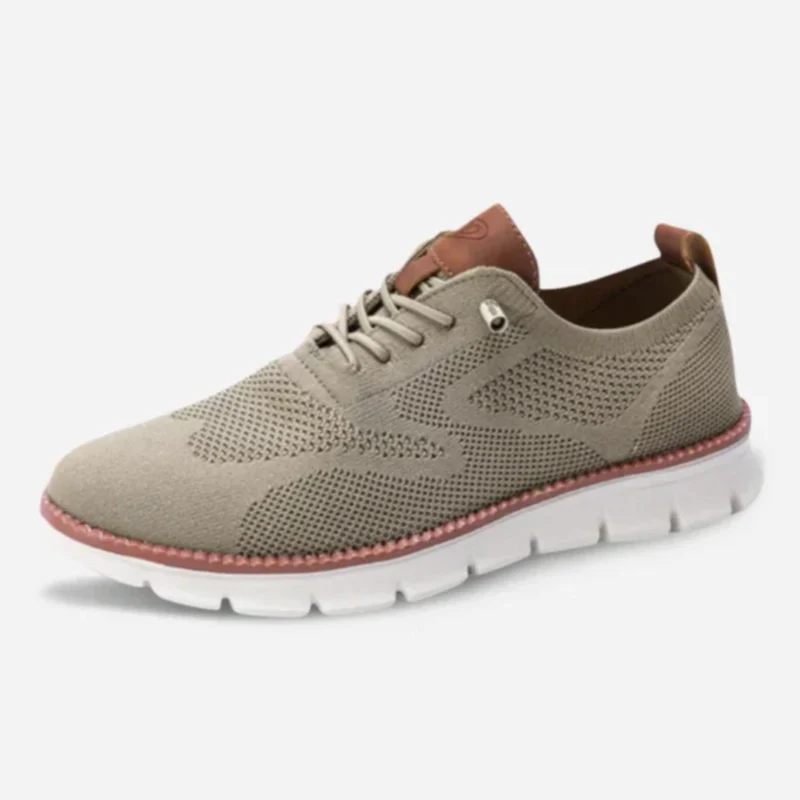
Every step you take matters—whether you’re exploring city streets, powering through your daily routine, or simply refusing to let foot discomfort slow you down. The CloudWalk – Ultra Comfortable Walking Shoes wraps your feet in therapeutic cushioning that turns pavement into clouds, so you can go farther, stay longer, and feel better doing it.
Platform shoes distribute your body weight across a larger surface area. This design reduces pressure points on the ball of your foot. Traditional high heels concentrate weight on a small area. Platforms spread this load more evenly.
The comfort level varies significantly between different platform styles. A 2-inch platform with proper arch support feels different from a 4-inch platform with minimal cushioning. Your foot never sits at the extreme angle found in stiletto heels.
The Evolution of Platform Footwear
Platform shoes emerged in ancient civilizations. Greek actors wore “kothorni” during theatrical performances in the 5th century BCE. These elevated shoes helped audiences distinguish character status from a distance.
Chopines became popular in 15th-century Venice. Wealthy women wore these platform shoes to elevate their expensive garments above muddy streets. Some chopines reached heights of 20 inches.
The 1970s disco era brought platforms into mainstream fashion. Musicians and dancers adopted them for stage performances. The extra height provided visual impact under bright lights.
Modern platforms experienced a resurgence in the 1990s. Spice Girls and alternative music scenes popularized chunky platform sneakers and boots. Today’s platforms blend vintage aesthetics with contemporary comfort technology.
How Platform Shoes Affect Your Feet
The biomechanics of platform shoes differ from flat shoes and traditional heels. Your foot maintains a more natural position. The heel and toe sit at similar heights in many platform designs.
Weight distribution improves with platforms compared to stilettos. Standard heels force 90% of your body weight onto the balls of your feet. Platforms reduce this concentration to approximately 50-60%.
Your calf muscles experience less strain. Traditional high heels force your calves into constant contraction. Platforms with minimal heel-to-toe drop allow your muscles to relax more naturally.
Balance becomes easier with a wider base. The expanded sole surface creates stability. You gain confidence walking on various surfaces.
Some platforms create new pressure points. Poor-quality shoes with rigid materials cause discomfort along the sides of your feet. The elevated position changes how your foot flexes during walking.
Key Comfort Features in Platform Shoes
Sole Construction
The midsole material determines shock absorption capacity. EVA foam provides lightweight cushioning. Polyurethane offers durability but weighs more. Cork creates natural flexibility.
Platform thickness affects comfort directly:
- 1-2 inch platforms: Minimal impact on gait, suitable for all-day wear
- 2-3 inch platforms: Noticeable elevation, requires adjustment period
- 3-4 inch platforms: Significant height change, best for shorter durations
- 4+ inch platforms: Fashion-forward statement, limited comfort for extended wear
Arch Support
Quality platforms include contoured footbeds that match your arch shape. This support prevents foot fatigue during extended wear. Flat platforms without arch support cause strain.
Your arch acts as a natural shock absorber. Proper support maintains this function. Poor support leads to plantar fasciitis and heel pain.
Upper Material
Leather uppers mold to your foot shape over time. They provide breathability and prevent excessive sweating. Synthetic materials offer water resistance but less flexibility.
Adjustable straps across the instep improve fit. They prevent your foot from sliding forward. This feature reduces toe cramping and nail damage.
Toe Box Design
A spacious toe box allows natural toe splay. Your toes need room to spread during walking. Cramped spaces cause bunions, hammertoes, and nerve compression.
Square or round toe boxes provide more comfort than pointed designs. Your toes maintain their natural alignment.
Comparing Platform Types
| Platform Type | Comfort Level | Best Use Case | Walking Ease |
|---|---|---|---|
| Platform Sneakers | High | Daily activities, casual wear | Excellent |
| Platform Sandals | Medium-High | Warm weather, short-medium wear | Good |
| Platform Boots | Medium | Fall/winter fashion, moderate wear | Good |
| Platform Heels | Medium-Low | Special occasions, limited wear | Fair |
| Platform Wedges | High | Extended wear, events | Very Good |
Platform wedges typically offer superior comfort. The continuous sole from heel to toe eliminates the gap found in traditional heels. Your foot sits on a stable, unbroken surface.
Platform sneakers provide athletic shoe comfort with added height. They incorporate sports footwear technology: gel cushioning, memory foam insoles, and flexible rubber outsoles.
Platform sandals work well for warm climates but offer less support. Open designs reduce friction but provide minimal arch support. Choose sandals with ankle straps for better stability.
Every step you take matters—whether you’re exploring city streets, powering through your daily routine, or simply refusing to let foot discomfort slow you down. The CloudWalk – Ultra Comfortable Walking Shoes wraps your feet in therapeutic cushioning that turns pavement into clouds, so you can go farther, stay longer, and feel better doing it.
Health Considerations
Positive Effects
Platform shoes reduce certain foot problems associated with high heels:
- Lower risk of ankle sprains due to wider base
- Decreased pressure on metatarsal bones
- Reduced Achilles tendon strain
- Better posture alignment
- Less forefoot pain during extended wear
The elevated position improves circulation in some cases. Your calves don’t compress as severely as in traditional heels.
Potential Issues
Extended platform wear creates specific concerns:
- Ankle instability when transitioning to flat shoes
- Calf muscle shortening if worn exclusively
- Hip and lower back stress from altered gait
- Reduced proprioception (ground feel)
- Trip hazards from misjudging step height
Your balance system requires ground feedback. Thick platforms diminish this sensory input. You may struggle with uneven surfaces.
Breaking In Platform Shoes
New platforms require an adjustment period. Your feet and legs adapt to the changed biomechanics.
Start with short wearing sessions of 1-2 hours. Gradually increase duration over two weeks. This progression prevents blisters and muscle soreness.
Wear platforms at home first. Walk on various surfaces: carpet, hardwood, tile. Test your balance before venturing outside.
Apply moleskin padding to potential friction points. Common areas include the heel counter and upper edge where the shoe meets your ankle.
Use shoe stretchers for tight leather platforms. Insert them overnight with stretching spray. This process widens the toe box and eases pressure points.
Maintenance for Long-Term Comfort
Cleaning and Care
Clean platform soles weekly. Dirt accumulation reduces traction and alters walking stability. Use appropriate cleaners for your shoe material:
- Leather: Saddle soap and conditioner
- Suede: Specialized brush and eraser
- Synthetic: Mild soap and water
- Canvas: Gentle machine wash (if manufacturer approved)
Dry platforms at room temperature. Heat sources damage adhesives and warp materials. Stuff shoes with newspaper to maintain shape.
Sole Preservation
Platform soles wear down over time. The elevated position accelerates degradation on the strike zone.
Apply sole protectors before first wear. Rubber or polyurethane guards extend sole life significantly. Replace guards when they show wear.
Professional resoling costs $40-80 but extends shoe life by years. High-quality platforms justify this investment.
Choosing Comfortable Platform Shoes
Fit Assessment
Your platform shoes should feel comfortable immediately. Break-in periods should address minor stiffness, not pain.
Test these fit elements:
- Heel slip: Maximum 1/4 inch movement
- Toe space: 1/2 inch between longest toe and shoe end
- Width: Sides shouldn’t bulge or pinch
- Arch contact: Footbed should touch your arch
- Flexibility: Sole should bend at ball of foot
Walk at least 10 minutes during try-on. Sit, stand, and walk to assess true comfort.
Quality Indicators
Construction method reveals durability expectations:
- Cemented: Adhesive bonding, least durable
- Blake stitch: Flexible, repairable
- Goodyear welt: Most durable, premium option
- Direct injection: Waterproof, moderate durability
Check platform attachment points. Poorly bonded platforms separate from uppers. Quality shoes show uniform adhesive application without gaps.
Examine the insole. Removable insoles allow custom orthotic use. Fixed insoles should provide adequate cushioning depth.
Price Considerations
Budget platforms ($30-60) offer basic comfort for occasional wear. They lack advanced cushioning systems and quality materials.
Mid-range options ($60-150) provide better construction and materials. You get improved arch support and durable components.
Premium platforms ($150+) incorporate specialized comfort technology. Brands invest in biomechanical research and superior materials.
Platform Shoes Versus Alternatives
Traditional heels force unnatural foot angles. Platforms reduce this angle significantly. Your foot sits closer to neutral position.
Wedge heels distribute weight similarly to platforms but with different aesthetics. Wedges offer comparable comfort levels in most cases.
Flat shoes provide maximum natural movement. However, they lack the height boost some people desire. Platforms compromise between elevation and comfort.
Elevator shoes conceal height internally. They feel more like regular shoes but offer less dramatic height increase than platforms.
Final Comfort Assessment
Platform shoes offer superior comfort compared to traditional high heels. The improved weight distribution and stable base reduce foot strain significantly.
Individual comfort varies based on shoe quality, platform height, and personal biomechanics. A well-constructed platform with proper support outperforms poorly made alternatives at any height.
Your comfort priority should guide platform selection. Choose moderate heights (1-3 inches) for regular wear. Reserve extreme platforms for special occasions.
Test multiple brands and styles. Foot shape varies significantly between individuals. What works for one person may not suit another.
Platform shoes can absolutely provide comfortable elevation when you select quality construction, appropriate height, and proper fit. They represent a practical compromise between fashion desires and foot health needs.
Every step you take matters—whether you’re exploring city streets, powering through your daily routine, or simply refusing to let foot discomfort slow you down. The CloudWalk – Ultra Comfortable Walking Shoes wraps your feet in therapeutic cushioning that turns pavement into clouds, so you can go farther, stay longer, and feel better doing it.