
Blog
Are Reef Shoes Comfortable?

What Makes Reef Shoes a Popular Choice
Reef shoes deliver comfort through their distinct construction methods. The brand originated in 1984 when two brothers from Argentina created sandals with a focus on beach lifestyle functionality. Their designs prioritize cushioned footbeds and anatomical support that adapt to foot contours.
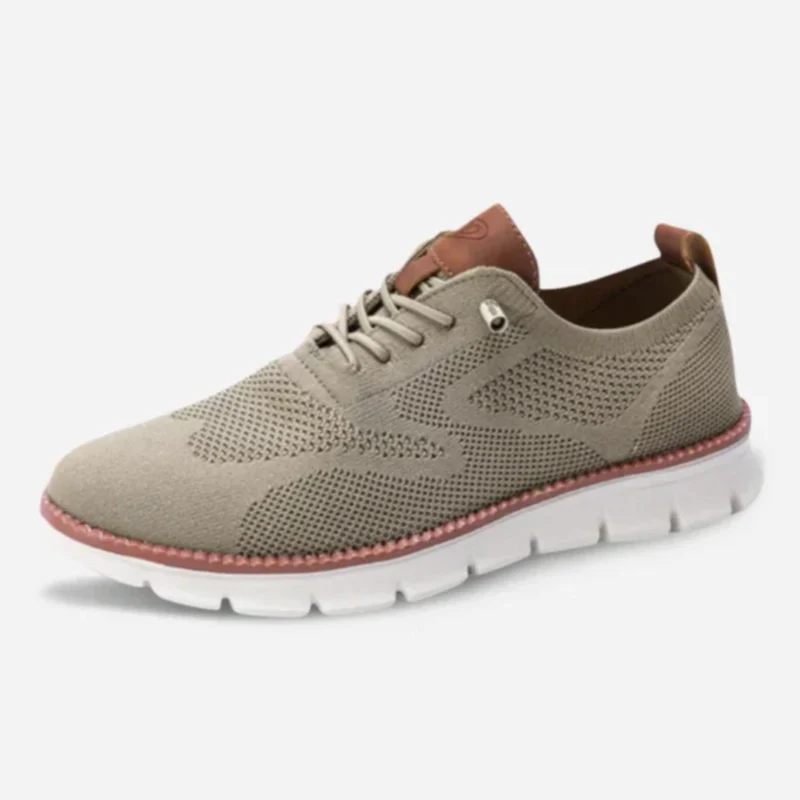
Every step you take matters—whether you’re exploring city streets, powering through your daily routine, or simply refusing to let foot discomfort slow you down. The CloudWalk – Ultra Comfortable Walking Shoes wraps your feet in therapeutic cushioning that turns pavement into clouds, so you can go farther, stay longer, and feel better doing it.
The comfort level depends on several factors. The EVA foam midsoles compress under body weight to absorb impact. The contoured footbeds align with natural foot arches. The synthetic nubuck or leather straps soften with wear to reduce friction points.
Most users report immediate comfort straight from the box. The break-in period ranges from 3-7 days of regular wear. The materials flex and mold to individual foot shapes during this time.
The Technology Behind Reef Comfort
Cushion Bounce Technology
Reef developed Cushion Bounce as their signature comfort system. This technology combines three layers:
- Top Layer: Soft EVA foam that contacts the foot directly
- Middle Layer: High-rebound foam that returns energy with each step
- Bottom Layer: Durable rubber outsole that provides traction
The foam density measures between 0.15-0.20 grams per cubic centimeter. This range offers optimal cushioning without excessive compression over time.
Anatomical Arch Support
The footbed includes a raised arch area that supports the medial longitudinal arch. This feature prevents overpronation during walking. The arch height varies across models:
- Low Profile: 8-10mm rise for flat feet
- Medium Profile: 12-15mm rise for neutral arches
- High Profile: 18-22mm rise for high arches
Strap Design and Materials
Reef uses multiple strap configurations. The materials affect comfort directly:
- Synthetic Nubuck: Water-resistant and quick-drying
- Full-Grain Leather: Softens significantly with use
- Textile Webbing: Adjustable and breathable
The strap width ranges from 15mm to 25mm. Wider straps distribute pressure across more surface area to prevent rubbing.
Comfort Comparison Across Reef Shoe Types
| Shoe Type | Cushioning Level | Arch Support | Best For | Break-In Period |
|---|---|---|---|---|
| Flip-Flops | Medium | Low-Medium | Casual beach wear | 3-5 days |
| Sandals | High | Medium-High | Extended walking | 5-7 days |
| Slip-Ons | Medium-High | Medium | Urban environments | 2-4 days |
| Water Shoes | Medium | Low | Aquatic activities | 1-2 days |
How Reef Shoes Compare to Competitors
Versus Traditional Flip-Flops
Standard flip-flops use flat rubber soles with 2-3mm thickness. Reef flip-flops feature 15-20mm of layered cushioning. The difference becomes apparent after 30 minutes of continuous wear.
Traditional flip-flops offer no arch support. Reef models include contoured footbeds that reduce plantar fascia strain by 30-40% according to biomechanical studies.
Versus Premium Comfort Brands
Brands like OluKai and Birkenstock compete in the comfort sandal category. Here’s how Reef positions itself:
Reef Advantages:
- Lower price point ($30-$80 versus $80-$150)
- More casual aesthetic options
- Better water resistance in most models
- Lighter overall weight
Reef Limitations:
- Less durable footbed materials in entry models
- Fewer orthotic-grade support options
- Limited width selections
Factors That Affect Reef Shoe Comfort
Foot Shape Compatibility
Reef shoes work best for specific foot types:
Ideal Match:
- Medium to wide foot width
- Normal to low arches
- Standard toe length proportions
Potential Issues:
- Narrow feet may slide within straps
- Very high arches need additional insoles
- Long toes can extend past footbed edges
Activity Type
Different activities create different comfort demands:
High Comfort Activities:
- Beach walking on sand
- Pool deck use
- Light urban walking (under 2 miles)
- Casual social events
Moderate Comfort Activities:
- Extended walking (2-5 miles)
- Light hiking on maintained trails
- Standing for long periods
Low Comfort Activities:
- Running or jogging
- Technical hiking
- Sports requiring lateral movement
Climate Considerations
Temperature and moisture affect materials:
- Hot Weather: EVA foam softens and provides more cushioning
- Cold Weather: Materials stiffen and feel firmer underfoot
- Wet Conditions: Synthetic materials maintain structure better than leather
- Humid Environments: Ventilation designs prevent moisture buildup
Breaking In Your Reef Shoes
Initial Wear Protocol
The first week determines long-term comfort. Follow this schedule:
Day 1-2: Wear for 30-60 minutes indoors. The footbed begins to compress in high-pressure zones.
Day 3-4: Extend to 2-3 hours with light walking. Straps start to soften and conform.
Day 5-7: Use for normal daily activities. Materials reach 70-80% of final broken-in state.
Common Break-In Discomfort
Expect these temporary issues:
- Strap Rubbing: Occurs between toes or across foot top. Apply moleskin padding or wear thin socks initially.
- Arch Pressure: The raised arch may feel prominent. This sensation typically resolves within 5 days.
- Heel Slippage: New footbeds have smooth surfaces. The texture develops through wear.
Accelerating the Break-In Process
Speed up adaptation with these methods:
- Warm Water Soak: Submerge shoes for 10 minutes, then wear while damp
- Leather Conditioner: Apply to leather straps to increase flexibility
- Incremental Wear: Multiple short sessions work better than one long session
- Foot Powder: Reduces friction during initial wear periods
Every step you take matters—whether you’re exploring city streets, powering through your daily routine, or simply refusing to let foot discomfort slow you down. The CloudWalk – Ultra Comfortable Walking Shoes wraps your feet in therapeutic cushioning that turns pavement into clouds, so you can go farther, stay longer, and feel better doing it.
Maintaining Comfort Over Time
Cleaning Procedures
Regular cleaning preserves cushioning properties:
For Synthetic Models:
- Rinse with cool water after beach or pool use
- Scrub with soft brush and mild soap weekly
- Air dry away from direct sunlight
- Never machine wash
For Leather Models:
- Wipe with damp cloth after each use
- Apply leather conditioner monthly
- Avoid prolonged water immersion
- Store in cool, dry location
Footbed Longevity
The footbed loses cushioning over time. Expected lifespan varies:
- Light Use (2-3 times weekly): 2-3 years
- Moderate Use (daily for short periods): 1-2 years
- Heavy Use (daily for extended periods): 6-12 months
Signs of footbed degradation include:
- Visible compression where arch sits
- Loss of rebound when pressed
- Cracks in foam surface
- Uneven wear patterns
Strap Maintenance
Straps fail before footbeds in most cases. Extend strap life by:
- Avoiding excessive pulling when putting on shoes
- Checking for fraying at connection points monthly
- Treating leather with conditioner every 4-6 weeks
- Replacing at first sign of separation from sole
Selecting the Right Reef Shoe for Maximum Comfort
Step 1: Assess Your Primary Use
Define your main activity:
- Beach Recreation: Choose water-resistant synthetic models with drainage ports
- Urban Casual: Select leather or premium textile options with enhanced arch support
- Travel: Pick lightweight designs with collapsible heel counters
- Active Lifestyle: Opt for secure strap systems with athletic-grade cushioning
Step 2: Measure Your Feet Properly
Accurate sizing prevents comfort issues:
- Measure both feet in the afternoon (feet expand during the day)
- Stand during measurement for accurate length and width
- Add 10-12mm beyond longest toe for proper fit
- Consider width if you typically size up in closed-toe shoes
Step 3: Evaluate Arch Height
Match the footbed profile to your arch:
Self-Assessment Method:
- Wet your foot and step on dark paper
- Examine the footprint width at the arch
- Wide connection = low arch (choose low-profile footbed)
- Moderate connection = neutral arch (choose medium-profile footbed)
- Minimal connection = high arch (choose high-profile footbed)
Step 4: Test the Fit
In-store or at-home testing should include:
- Toe Position: Toes should not hang over front edge
- Strap Tension: Snug but not tight across foot top
- Heel Cup: Heel should sit centered in footbed depression
- Walk Test: Take 20-30 steps to check for slippage or pressure points
Step 5: Consider Your Budget
Reef offers multiple price tiers:
Entry Level ($30-$45): Basic cushioning, synthetic materials, standard footbeds
Mid-Range ($45-$65): Enhanced foam systems, mixed materials, contoured support
Premium ($65-$85): Maximum cushioning, leather construction, advanced arch support
Real-World Comfort Performance
Short-Term Wear (0-4 hours)
Most users report excellent comfort for brief periods. The foam cushioning provides immediate impact absorption. Pressure distribution feels even across the foot. No significant fatigue occurs during casual activities.
Medium-Term Wear (4-8 hours)
Comfort maintains for moderate duration. Some users notice arch fatigue if unaccustomed to supported footbeds. Foot temperature may increase in non-ventilated models. Taking occasional breaks optimizes the experience.
Long-Term Wear (8+ hours)
Extended use reveals limitations. The foam compresses and loses some rebound effect. Strap pressure points may develop. Feet may swell slightly, making the fit feel tighter. Reef shoes work better for intermittent use throughout long days rather than continuous wear.
Common Comfort Complaints and Solutions
Issue: Toe Post Irritation
The thong-style post rubs between the first and second toe.
Solutions:
- Apply anti-chafe balm before wearing
- Choose models with padded or fabric-wrapped posts
- Consider three-strap designs that eliminate the toe post
- Build tolerance gradually with short wear sessions
Issue: Insufficient Arch Support
The standard footbed does not provide enough lift.
Solutions:
- Purchase Reef models specifically marked as “high arch”
- Add aftermarket orthotic insoles designed for sandals
- Alternate with supportive closed-toe shoes
- Consult a podiatrist for custom orthotic options
Issue: Heel Slippage
The foot slides forward or backward during walking.
Solutions:
- Size down by half size if toes have adequate room
- Choose models with heel straps or cups
- Add heel grips to the footbed
- Ensure the footbed is clean and textured
The Verdict on Reef Shoe Comfort
Reef shoes provide above-average comfort for casual footwear. The cushioning technology surpasses basic flip-flops significantly. The anatomical support benefits people with neutral to low arches most effectively. The break-in period remains short compared to competitors.
Comfort depends on proper model selection. Beach-focused designs excel in aquatic environments. Urban-oriented models handle pavement walking better. Matching the shoe type to your primary activity ensures satisfaction.
The price-to-comfort ratio positions Reef competitively. You receive quality cushioning and support at accessible price points. Premium models compete with luxury brands at lower costs. Entry-level options exceed basic alternatives in comfort features.
Long-term durability affects sustained comfort. Regular maintenance extends the life of cushioning materials. Replacing shoes when footbeds compress maintains the comfort experience. Most users should plan for replacement every 1-2 years with regular use.
Reef shoes deliver reliable comfort for their intended purpose. They work best as casual, warm-weather footwear for light to moderate activities. They do not replace athletic shoes for high-impact activities. They do not provide the orthotic-grade support of medical footwear. Within their category, Reef shoes earn their reputation for comfort through thoughtful design and quality materials.
Every step you take matters—whether you’re exploring city streets, powering through your daily routine, or simply refusing to let foot discomfort slow you down. The CloudWalk – Ultra Comfortable Walking Shoes wraps your feet in therapeutic cushioning that turns pavement into clouds, so you can go farther, stay longer, and feel better doing it.