
Blog
Are Salomon Shoes Comfortable?

The Direct Answer: Comfort Levels Explained
Salomon shoes deliver exceptional comfort for their intended purposes. These shoes excel in trail running, hiking, and outdoor activities. The brand builds each model with specific biomechanical features. Comfort depends on your foot shape, activity type, and terrain choice.
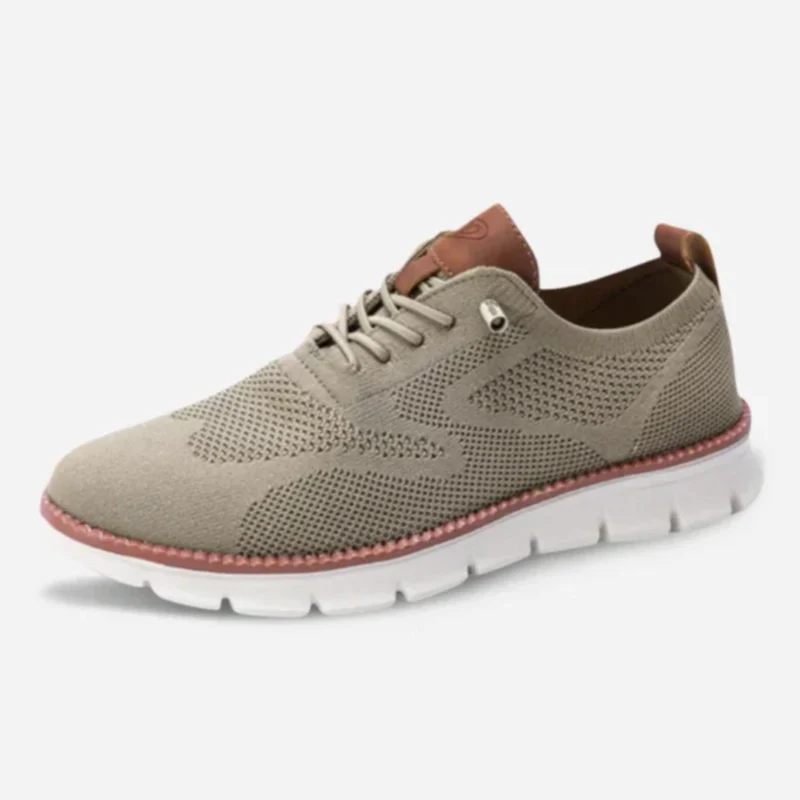
Every step you take matters—whether you’re exploring city streets, powering through your daily routine, or simply refusing to let foot discomfort slow you down. The CloudWalk – Ultra Comfortable Walking Shoes wraps your feet in therapeutic cushioning that turns pavement into clouds, so you can go farther, stay longer, and feel better doing it.
Most users report immediate comfort out of the box. The Contagrip outsoles provide superior grip without a break-in period. The midsole cushioning absorbs impact effectively during long distances. However, narrow-footed runners experience the best fit. Wide-footed users may need to size up or choose specific models.
Salomon’s Heritage: Building Comfortable Footwear Since 1947
François Salomon founded the company in Annecy, France. He started by creating ski edges in his workshop. The business evolved into binding production during the 1950s. Salomon entered the footwear market in 1979 with ski boots.
The brand launched its first hiking boot in 1992. This marked a shift into outdoor footwear. Trail running shoes appeared in the product line by 1997. The Speedcross series debuted in 2003. This model revolutionized trail running comfort standards.
Amer Sports acquired Salomon in 2005. The ownership change expanded research and development budgets. Anta Sports purchased Amer Sports in 2019. Each ownership transition brought new technologies and comfort innovations.
Key Comfort Technologies Inside Salomon Shoes
EnergyCell Midsole System
The EnergyCell foam provides responsive cushioning. This proprietary material absorbs shock during heel strikes. The foam returns energy during toe-off phases. This technology reduces fatigue on long runs or hikes.
Standard EnergyCell offers medium-density cushioning. EnergyCell+ delivers enhanced responsiveness for racing. The material maintains performance across temperature ranges. Cold weather doesn’t harden the foam significantly.
Quicklace System Benefits
The Quicklace system eliminates traditional lacing hassles. You pull one cord to tighten the entire shoe. A toggle lock secures the tension instantly. This system distributes pressure evenly across the forefoot.
The lace pocket stores excess cord neatly. You won’t trip on loose laces during activities. The system allows micro-adjustments on the trail. You can fine-tune fit without stopping completely.
SensiFit Construction
SensiFit technology cradles your foot from midsole to lacing. Synthetic overlays wrap around the foot’s contours. This construction prevents internal foot movement. Less movement means fewer blisters and hot spots.
The system works independently of shoe width. Narrow and medium feet receive optimal support. The design adapts to foot swelling during extended activities. Your comfort level remains consistent throughout the day.
Ortholite Insoles
Most Salomon models include Ortholite footbeds. These insoles provide antimicrobial protection. The open-cell foam maintains cushioning permanently. The material won’t flatten after hundreds of miles.
Ortholite wicks moisture away from feet. Dry feet experience less friction and discomfort. The insoles are removable for custom orthotic insertion. This feature accommodates various foot conditions.
Comfort Comparison: Salomon vs. Leading Trail Brands
| Feature | Salomon | Hoka One One | Altra | Brooks |
|---|---|---|---|---|
| Cushioning Depth | Medium | Maximum | Medium | High |
| Heel-Toe Drop | 8-10mm | 4-6mm | 0mm | 8-12mm |
| Weight (avg) | 10.5oz | 9.8oz | 10oz | 11.2oz |
| Break-in Period | Minimal | None | Moderate | Minimal |
| Durability | 350-500 miles | 300-400 miles | 300-450 miles | 400-500 miles |
| Price Range | $130-$180 | $145-$185 | $120-$160 | $120-$170 |
Salomon balances cushioning with ground feel. Hoka offers more padding but less trail feedback. Altra uses zero-drop platforms for natural foot positioning. Brooks focuses on road running comfort primarily.
Popular Salomon Models: Comfort Profiles
Speedcross Series
The Speedcross 6 dominates soft trail conditions. Deep lugs penetrate mud and loose dirt. The aggressive tread pattern sacrifices road comfort. These shoes feel best on natural surfaces.
The Quicklace system shines in this model. You can adjust fit with gloves on. The SensiFit wings hold feet securely on descents. Expect excellent comfort on technical terrain.
X Ultra Series
The X Ultra 4 serves hikers and fast packers. This shoe offers more support than running models. The chassis stabilizes feet on uneven ground. Day hikers praise the all-day comfort.
The Gore-Tex version adds waterproofing. Your feet stay dry in stream crossings. However, the membrane reduces breathability slightly. Choose non-waterproof versions for hot climates.
Sense Ride Series
The Sense Ride 5 targets long-distance comfort. The Vibe midsole technology reduces vibration. This feature decreases foot fatigue significantly. Ultra-runners choose this model frequently.
The Optivibe system filters ground impact. You feel less muscle strain after marathons. The shoe works well on both trails and roads. Versatility makes this model practical for training variety.
Sizing Considerations for Maximum Comfort
Salomon uses European sizing standards. The fit runs slightly narrow compared to American brands. Most users order their true European size. Half sizes don’t exist in many models.
Leave a thumb’s width between toes and shoe tip. Your feet swell during activities. Insufficient toe room causes black toenails. Downhill running requires extra space.
Width options remain limited across the lineup. Standard widths accommodate most foot shapes. Wide-footed runners should try the X-Wide models. These versions provide 6mm extra width.
Breaking In Your Salomon Shoes Properly
Most Salomon shoes require minimal break-in time. The synthetic uppers flex immediately. Wear new shoes for short walks first. Gradually increase distance over one week.
Focus on heel fit during initial wears. The heel counter should lock your ankle. Any slippage indicates wrong sizing. Address fit issues before long activities.
The Contagrip outsoles feel stiff initially. This firmness protects feet on sharp rocks. The rubber softens slightly after 20 miles. Performance and comfort both improve.
Every step you take matters—whether you’re exploring city streets, powering through your daily routine, or simply refusing to let foot discomfort slow you down. The CloudWalk – Ultra Comfortable Walking Shoes wraps your feet in therapeutic cushioning that turns pavement into clouds, so you can go farther, stay longer, and feel better doing it.
Terrain-Specific Comfort Performance
Technical Mountain Trails
Salomon excels on rocky, root-filled paths. The chassis systems prevent ankle rolls. The precise fit enhances confidence on exposure. Your feet feel protected and stable.
The rock plates shield feet from bruising. You can run aggressively over sharp terrain. The midsole cushioning absorbs repeated impacts. Comfort remains high during steep descents.
Soft Forest Trails
The Speedcross models dominate in mud. Deep lugs clear automatically while running. The grip level increases confidence dramatically. You can focus on pace instead of footing.
Soft surfaces reveal the responsive cushioning. The EnergyCell foam propels you forward. Energy return becomes noticeable after miles. Your legs feel fresher at finish lines.
Mixed Road and Trail
Road sections expose Salomon’s limitations. The aggressive treads feel unstable on pavement. The cushioning seems thin compared to road shoes. Choose versatile models for mixed surfaces.
The Sense Ride series handles pavement better. The tread pattern balances grip and smoothness. These shoes transition well between surfaces. Comfort stays consistent throughout runs.
Maintaining Comfort Through Proper Care
Remove insoles after each use. Allow them to dry separately from shoes. This prevents odor and bacterial growth. Dry insoles maintain their cushioning properties.
Clean shoes with mild soap and water. Avoid washing machines and dryers. Machine washing destroys adhesives and materials. Air-dry shoes away from direct heat.
Replace shoes every 350-500 miles. The midsole cushioning degrades gradually. Loss of cushioning increases injury risk. Track your mileage using running apps.
Store shoes in cool, dry locations. Extreme temperatures damage foam materials. Keep shoes away from direct sunlight. Proper storage extends shoe lifespan significantly.
Common Comfort Complaints and Solutions
Pressure Points on Top of Foot
The Quicklace system sometimes creates pressure. Loosen the laces slightly during activities. Adjust the toggle position for relief. Some users swap to traditional laces.
The SensiFit wings may press down. Try removing the insole temporarily. This creates more volume inside. Custom insoles often solve this issue.
Heel Blisters
Heel slippage causes most blisters. Check your sizing first. Use heel lock lacing techniques. Apply lubricant or tape before long runs.
Wear moisture-wicking socks always. Cotton socks increase friction dramatically. Choose seamless sock designs. Break in shoes gradually.
Arch Discomfort
The Ortholite insoles provide moderate arch support. High-arched feet may need more. Low-arched feet may need less. Custom orthotics accommodate individual needs.
The insoles are removable and replaceable. Match orthotic thickness to original insole. Maintain proper heel-to-toe drop ratios. Consult podiatrists for persistent discomfort.
Who Finds Salomon Shoes Most Comfortable?
Trail runners with narrow to medium feet. The precise fit enhances performance. Technical terrain runners appreciate the stability. Fast-paced hikers enjoy the lightweight construction.
Athletes who prioritize ground feel. Salomon provides excellent trail feedback. You can sense terrain changes instantly. This awareness improves safety and speed.
Runners who log high weekly mileage. The durability justifies the investment. The consistent comfort reduces injury rates. Many ultramarathon runners choose Salomon.
Final Verdict: Comfort Assessment
Salomon shoes deliver purpose-built comfort excellently. The brand prioritizes performance over casual wear. Technical features enhance comfort during activities. The shoes feel best when used as designed.
Your individual foot shape matters significantly. Narrow feet experience optimal comfort levels. Wide feet may struggle with standard widths. Try shoes before committing to purchase.
The comfort-to-durability ratio impresses consistently. You get 400+ miles of reliable performance. The cushioning maintains integrity throughout. Your investment returns value over time.
Choose Salomon for serious outdoor activities. The shoes excel beyond recreational use. Professional athletes trust the brand globally. Your feet deserve this level of engineering.
Every step you take matters—whether you’re exploring city streets, powering through your daily routine, or simply refusing to let foot discomfort slow you down. The CloudWalk – Ultra Comfortable Walking Shoes wraps your feet in therapeutic cushioning that turns pavement into clouds, so you can go farther, stay longer, and feel better doing it.