
Blog
Are Yeezy Shoes Comfortable?

The Straight Answer on Yeezy Comfort
Yeezy shoes deliver above-average comfort for most wearers. The Boost cushioning technology provides responsive energy return. The Primeknit upper adapts to your foot shape. Most users report all-day wearability for casual activities.
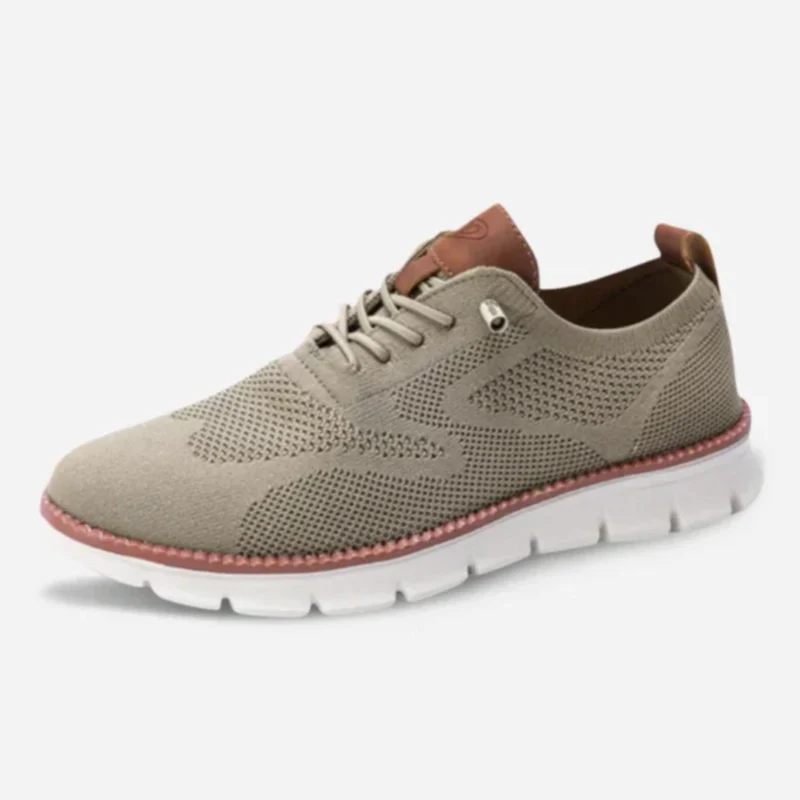
Every step you take matters—whether you’re exploring city streets, powering through your daily routine, or simply refusing to let foot discomfort slow you down. The CloudWalk – Ultra Comfortable Walking Shoes wraps your feet in therapeutic cushioning that turns pavement into clouds, so you can go farther, stay longer, and feel better doing it.
Comfort varies by model. The Yeezy Boost 350 V2 ranks highest for cushioning. The Yeezy 500 offers more structure but less flexibility. Your foot shape and intended use determine which model works best.
The Evolution of Yeezy Footwear Design
Kanye West partnered with Adidas in 2013. The first Yeezy Boost 750 launched in February 2015. This high-top sneaker introduced premium materials to the athletic shoe market.
The Yeezy Boost 350 arrived in June 2015. This low-top silhouette changed sneaker culture. The simple design focused on comfort and style equally.
Adidas expanded the Yeezy line through 2016-2022. Each model tested different comfort technologies:
- 2015-2016: Boost 750 and 350 established the comfort baseline
- 2017: Boost 350 V2 improved the fit with a redesigned Primeknit pattern
- 2018: Yeezy 500 introduced chunky dad shoe aesthetics with Adiprene cushioning
- 2019: Yeezy 700 V3 used EVA foam instead of Boost
- 2020-2022: Foam Runner and slides explored minimalist comfort
The partnership ended in October 2022. Adidas continues selling existing Yeezy inventory. The design legacy influences current comfort-focused sneakers.
Technical Comfort Features Explained
Boost Cushioning System
Boost technology uses thermoplastic polyurethane (TPU) pellets. Adidas fuses thousands of these energy capsules together. The material compresses under pressure and rebounds instantly.
Key benefits:
- Returns 85% of impact energy to your stride
- Maintains softness in cold weather
- Resists compression over time
- Weighs less than traditional EVA foam
The Yeezy Boost 350 V2 contains a full-length Boost midsole. You feel the cushioning from heel to toe. The Yeezy 700 uses Boost only in the heel and forefoot.
Primeknit Upper Construction
Primeknit is a single-layer knitted fabric. Adidas programs the knitting machine to create zones of different elasticity. Tight-knit areas provide support. Loose-knit sections allow stretch.
The Yeezy 350 V2 Primeknit adapts to wide feet better than traditional sneakers. The material stretches up to 15% without losing shape. No break-in period is required.
The fabric breathes well. Air passes through the knit structure. Your feet stay cooler during extended wear.
Foam Runner Technology
The Yeezy Foam Runner uses algae-based EVA foam. This proprietary blend creates a lightweight one-piece design. The material molds to your foot over time.
The foam provides:
- Shock absorption without traditional cushioning systems
- Natural antimicrobial properties
- Water resistance for easy cleaning
- Sustainable production with reduced carbon footprint
Adiprene Cushioning Alternative
The Yeezy 500 and 700 models use Adiprene instead of Boost. This EVA-based foam costs less to produce. It offers firmer support than Boost.
Adiprene characteristics:
- Denser feel underfoot
- Better stability for lateral movement
- Less energy return than Boost
- Lower ground-feel sensitivity
Comfort Comparison by Model
| Model | Cushioning Type | Upper Material | Comfort Rating | Best For |
|---|---|---|---|---|
| Yeezy Boost 350 V2 | Full-length Boost | Primeknit | 9/10 | All-day casual wear |
| Yeezy Boost 700 | Partial Boost + EVA | Mesh and suede | 7/10 | Style with moderate comfort |
| Yeezy 500 | Adiprene | Mesh and suede | 6/10 | Retro aesthetic, firm support |
| Yeezy Foam Runner | Algae EVA foam | One-piece foam | 8/10 | Warm weather, easy on/off |
| Yeezy Slide | EVA foam | One-piece foam | 7/10 | Recovery wear, lounging |
| Yeezy 450 | EVA foam | Primeknit | 6/10 | Unique look, average comfort |
Real-World Comfort Performance
Walking and Standing
The Yeezy Boost 350 V2 excels for walking. The Boost midsole absorbs impact on concrete. Users report comfort for 8-10 hours of continuous wear.
The Primeknit upper eliminates pressure points. Your feet expand naturally throughout the day. The shoe accommodates this swelling without tightness.
The Yeezy 500 provides less cushioning. Walking more than 5 hours causes foot fatigue for many users. The firmer sole works better for shorter periods.
Athletic Activities
Yeezy shoes are not performance athletic footwear. The Boost 350 V2 lacks lateral support for sports. The knit upper stretches too much for quick direction changes.
Light activities work fine:
- Casual jogging (under 3 miles)
- Gym training with minimal lateral movement
- Walking workouts
- Yoga and stretching
Avoid using Yeezys for:
- Basketball or tennis
- Trail running
- Heavy weightlifting
- High-intensity interval training
Climate Considerations
Hot weather: The Primeknit upper breathes well. Your feet stay relatively cool. The Foam Runner performs best in temperatures above 70°F.
Cold weather: Boost maintains cushioning in freezing temperatures. The Primeknit offers minimal insulation. Wear thick socks below 40°F.
Wet conditions: Yeezy shoes lack water resistance. The Primeknit absorbs moisture. Your feet get wet in rain. The Foam Runner dries quickly but provides no traction on wet surfaces.
Sizing and Fit Impact on Comfort
Yeezy sizing runs inconsistent across models. Proper fit directly affects comfort levels.
Yeezy Boost 350 V2 Sizing
Go half size up from your normal size. The toe box runs narrow. The Primeknit stretches but needs initial space.
Width considerations:
- Narrow feet: True to size works
- Normal width: Half size up recommended
- Wide feet: Full size up necessary
The heel collar fits snugly. Some users find it restrictive initially. The material softens after 3-4 wears.
Yeezy 700 and 500 Sizing
These models run true to size. The structured upper doesn’t stretch like Primeknit. Order your normal sneaker size.
The toe box provides more room than the 350 V2. Wide-foot users find better accommodation here.
Foam Runner Sizing
Size down one full size from your normal shoe size. The foam stretches significantly. An oversized Foam Runner slides around your foot.
The material molds to your foot shape over 2-3 weeks. Initial stiffness softens with wear.
Every step you take matters—whether you’re exploring city streets, powering through your daily routine, or simply refusing to let foot discomfort slow you down. The CloudWalk – Ultra Comfortable Walking Shoes wraps your feet in therapeutic cushioning that turns pavement into clouds, so you can go farther, stay longer, and feel better doing it.
Maintenance for Long-Term Comfort
Cleaning Primeknit Uppers
Dirt buildup stiffens the Primeknit material. Clean your Yeezy 350 V2 every 2-3 weeks with regular wear.
Cleaning steps:
- Remove laces and insoles
- Mix mild detergent with cold water
- Use a soft brush on the Primeknit
- Rinse with clean water
- Air dry away from direct heat
- Never use a washing machine
Boost Midsole Care
The Boost midsole yellows over time. This discoloration doesn’t affect comfort. Cleaning restores appearance:
- Apply non-gel toothpaste to yellowed areas
- Scrub with an old toothbrush
- Let sit for 10 minutes
- Wipe clean with a damp cloth
- Repeat if needed
Foam Runner Maintenance
The one-piece design simplifies cleaning:
- Rinse with water from a hose
- Scrub with dish soap and a sponge
- Rinse again thoroughly
- Air dry for 2-3 hours
The foam resists stains and odors naturally. Clean every 1-2 weeks with daily use.
Insole Replacement
The factory insoles compress over time. Replace them every 6-12 months for optimal comfort:
- Ortholite insoles: Best for the Yeezy 350 V2
- Superfeet insoles: Good for the 700 and 500 models
- Gel insoles: Avoid these, they compress Boost too much
Common Comfort Complaints and Solutions
Break-In Period Issues
Problem: Initial stiffness in the heel collar of the 350 V2.
Solution: Wear thick socks for the first week. The Primeknit softens faster with body heat and movement.
Arch Support Concerns
Problem: Minimal arch support in all Yeezy models.
Solution: Add aftermarket insoles with built-in arch support. The Boost midsole works well with orthotic insoles.
Toe Box Pressure
Problem: The narrow toe box on the 350 V2 squeezes wide feet.
Solution: Size up a full size instead of half size. Use a shoe stretcher on the toe box area.
Heel Slippage
Problem: The heel lifts during walking in oversized Yeezys.
Solution: Add a heel grip pad. Tighten laces using a runner’s loop technique.
Price vs. Comfort Value Analysis
Yeezy shoes retail between $200-$350. The resale market adds 50-300% to these prices.
Comfort value depends on purchase price:
At retail price: Good value. The Boost technology and Primeknit justify the cost. Comparable Nike and Adidas models cost $150-$200.
At resale prices: Poor value for comfort alone. A $500 Yeezy 350 V2 doesn’t provide twice the comfort of a $250 alternative.
Comfort alternatives at lower prices:
- Adidas Ultraboost ($180): Same Boost cushioning
- Nike React Infinity ($160): Similar cushioning, better stability
- New Balance Fresh Foam ($140): Softer cushioning, wider fit
Buy Yeezys at retail for best value. Avoid paying resale premiums if comfort is your only priority.
Making Your Yeezy Comfort Decision
The Yeezy Boost 350 V2 offers the best comfort in the line. The full-length Boost and Primeknit upper work together effectively. This model suits all-day casual wear.
Choose this model if you:
- Want maximum cushioning
- Prefer a sock-like fit
- Plan to wear them for extended periods
- Have narrow to normal width feet
Skip Yeezys if you:
- Need shoes for athletic performance
- Require significant arch support
- Have very wide feet
- Only care about comfort (cheaper alternatives exist)
Test the fit in-store when possible. Yeezy sizing varies enough that trying before buying prevents comfort issues.
The comfort reputation is earned. The Boost technology delivers real benefits. The Primeknit adapts well to different foot shapes. These shoes work for their intended purpose: comfortable casual footwear with distinctive style.
Every step you take matters—whether you’re exploring city streets, powering through your daily routine, or simply refusing to let foot discomfort slow you down. The CloudWalk – Ultra Comfortable Walking Shoes wraps your feet in therapeutic cushioning that turns pavement into clouds, so you can go farther, stay longer, and feel better doing it.